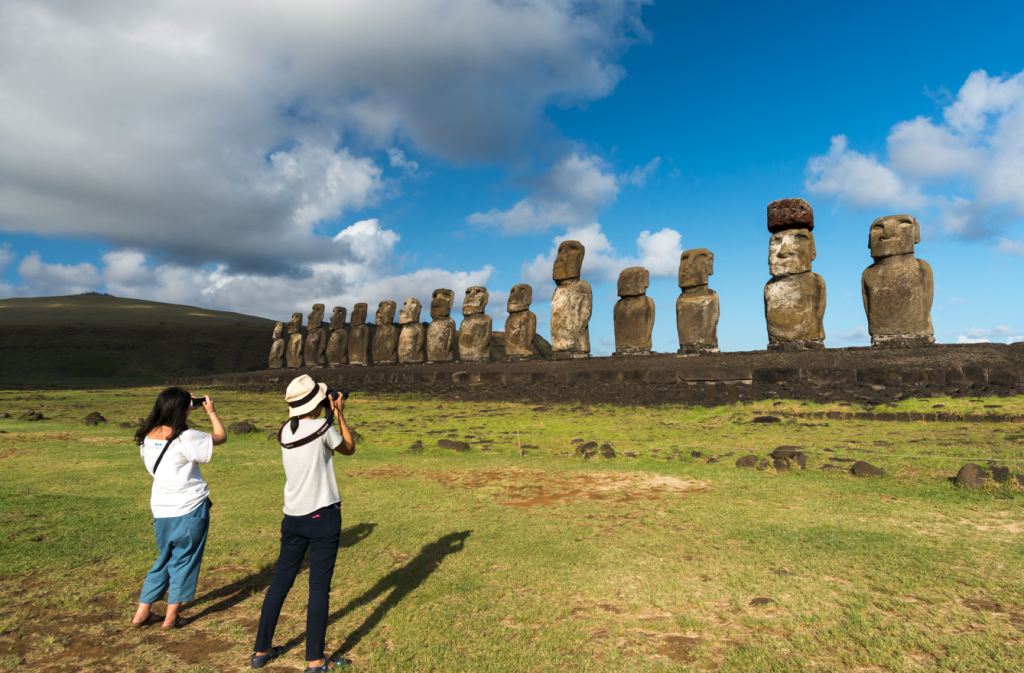

Complete Guide by Easter Island Travel
Traveling to Rapa Nui is a once-in-a-lifetime experience: a land filled with history, powerful nature, and a vibrant culture that’s still alive in every corner of the island. Yet many travelers—especially first-time visitors—arrive with misconceptions, incomplete information, or unrealistic expectations.
At Easter Island Travel, we’ve guided thousands of visitors over the years, and we know exactly which situations tend to complicate a trip… and how to avoid them so your stay becomes unforgettable.
Here are the 10 most common mistakes visitors make—and our recommendations to enjoy the island with confidence, respect, and authenticity.
1. Thinking You Can Explore the Island Freely Without a Guide
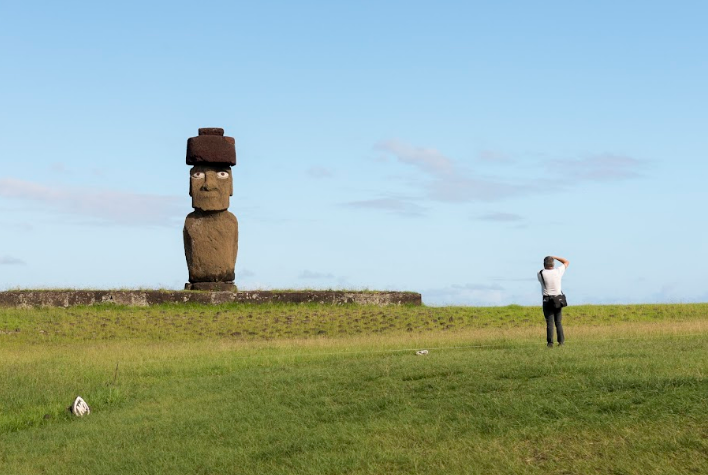
Many travelers believe that renting a car or scooter is enough to freely access all archaeological sites. However, regulations in Rapa Nui National Park are very clear: a certified guide is mandatory, both for visitor safety and for the protection of cultural heritage.
Exploring the island without a guide can also put you at risk—accidents can happen without local supervision—and you may miss out on meaningful stories, cultural context, and details only a local expert can share.
How to Avoid This?
At Easter Island Travel, we offer guided tours led by certified experts who focus on real history, archaeology, living culture, and local knowledge. We take care of all logistics so you can simply enjoy the experience.
2. Forgetting That the National Park Ticket Is Mandatory
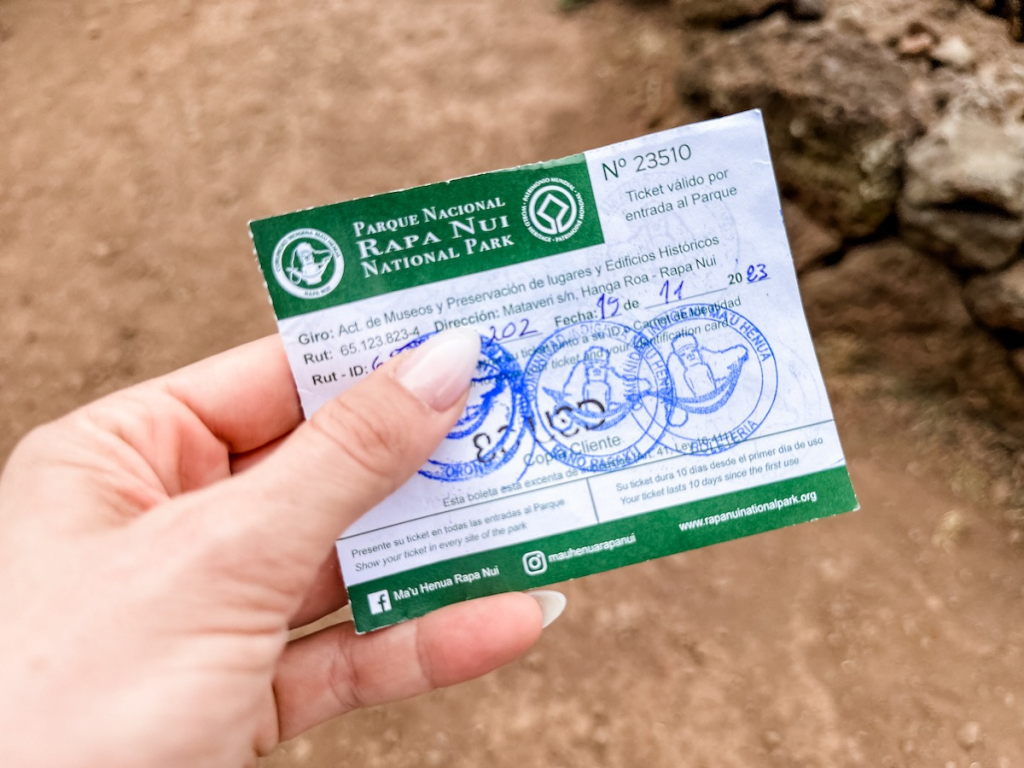
Some visitors are surprised to learn that they need a valid pass to enter archaeological sites. Without it, you cannot access iconic locations such as Rano Raraku, Orongo, or Ahu Tongariki, along with many others inside Rapa Nui National Park.
The pass is personal, valid for 10 days, and must be presented at each site.
Easter Island Travel Recommendation:
When you book with us, we remind you when and where to buy the ticket, guide you through the process, and let you know the schedules and validity dates—so you avoid any inconveniences and can focus on enjoying your trip.
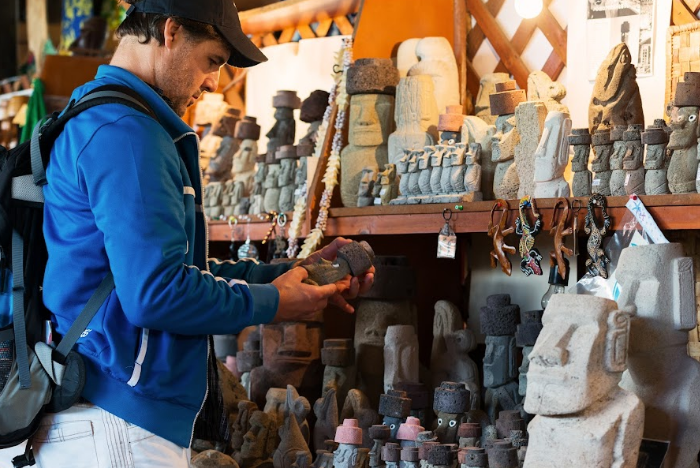
3. Bringing Too Little Cash, Thinking Cards Will Be Enough
While most businesses in central Hanga Roa accept cards, many small shops, artisans, snack stands, local services, or remote areas prefer or require cash. ATMs can also have long lines, withdrawal limits, or run out of cash.
Practical Tip:
We recommend bringing Chilean pesos from the mainland, or dollars/euros in excellent condition, and having cash on hand for emergencies, local purchases, and tips. We also point you to the closest ATM locations if needed.
4. Wearing Inappropriate Shoes or Clothing for Volcanic Terrain
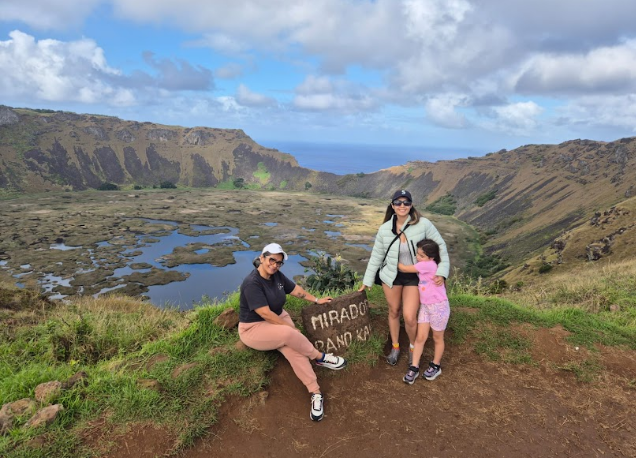
The island may look small, but its geography is challenging: rocky paths, uneven terrain, crater climbs, damp grassy areas, and dirt trails. Many travelers arrive only with sandals or light shoes, which can ruin the experience—or even cause injuries.
Our Recommendation
Bring comfortable, firm walking shoes or trekking footwear, lightweight but durable clothing, a windbreaker, and a hat. In our tours, we let you know exactly what to wear for each excursion.
5. Underestimating the Weather: Sun and Wind Are No Joke
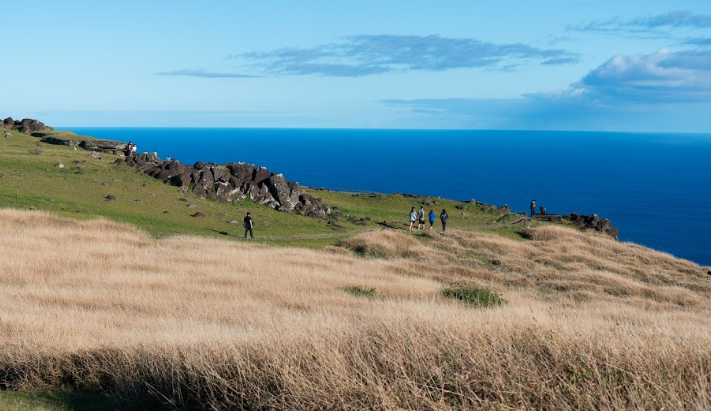
The mild climate makes many believe sunscreen or extra layers aren’t necessary. But the island has strong sun, humidity, wind, and sudden changes in weather.
The Essentials:
High-SPF sunscreen, a reusable water bottle, sunglasses, a hat, and a light jacket within easy reach.
At Easter Island Travel, we send you personalized packing recommendations before your arrival so you don’t forget anything important.
6. Expecting “Perfect” Moai Photos and Not Knowing Their Real History
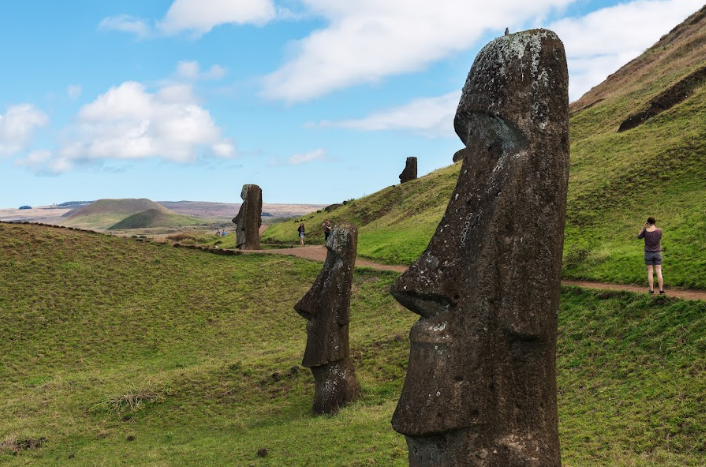
Many visitors arrive with expectations based on edited photos or romanticized ideas about the moai. Some don’t realize that many statues are eroded, fallen, or partially restored; others believe in popular myths or outdated theories.
This can lead to disappointment or confusion.
How We Address This?
Our guides explain the true archaeological history, restoration efforts, construction phases, and the cultural meaning behind each ahu—including why some sites are in ruins. Accurate information makes the experience far more engaging and meaningful.
7. Counting on Strong Connectivity Across the Island
While mobile signal works well in central Hanga Roa, coverage is limited outside town. Not all accommodations have strong Wi-Fi, and there is no signal at archaeological sites.
To Avoid Issues
Before your tour, download offline maps and your national park ticket, let your family know you’ll have periods without connectivity, and arrange important communication ahead of time.
And if you book with Easter Island Travel, you’ll always have clear meeting points, confirmed schedules, and private transportation for peace of mind.
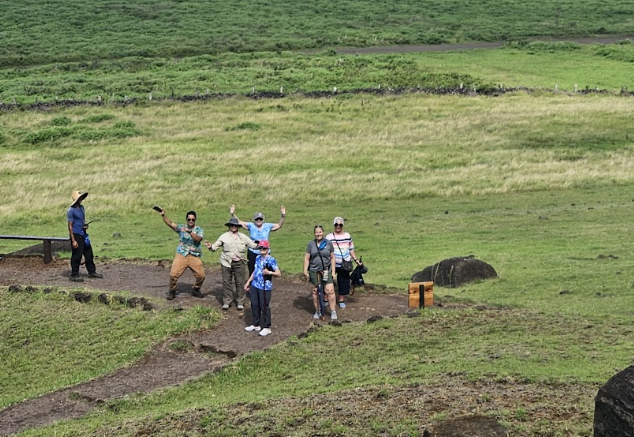
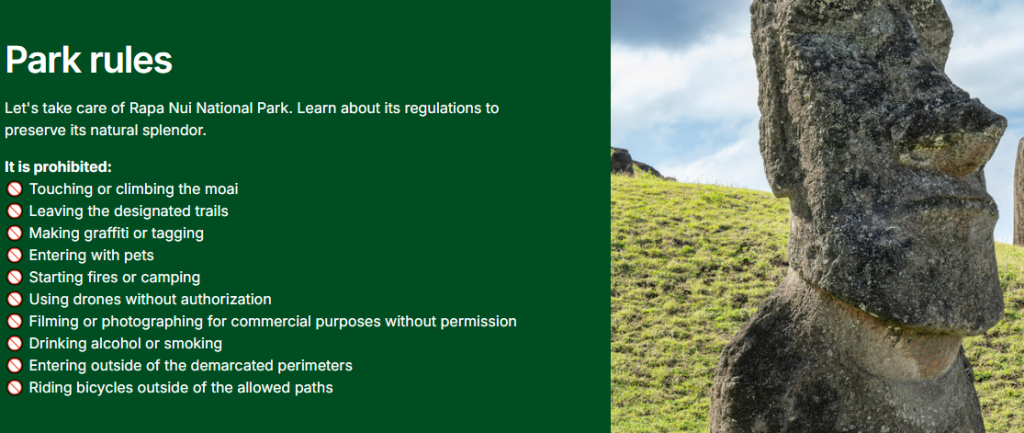
8. Ignoring Park Rules: Touching Moai or Leaving Designated Paths
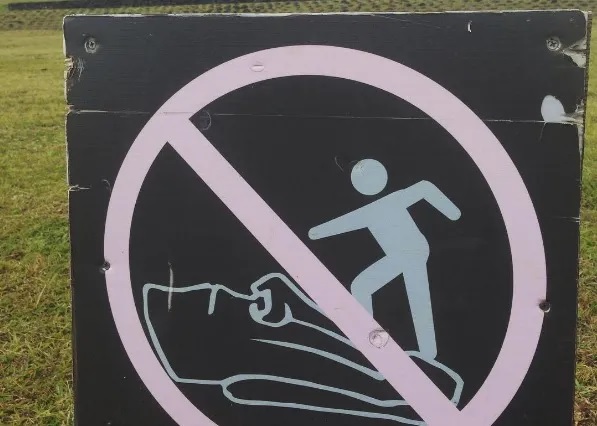
One of the most serious and common mistakes. Touching a moai is strictly prohibited—it can result in very high fines and cause irreversible damage. Many visitors also cross ropes or get too close to sensitive areas in search of “a better photo.”
Our Mission as a Local Company
At Easter Island Travel, we promote responsible tourism, explain the purpose behind each rule, and guide all groups through authorized routes only. This protects the park, the culture, and fosters respect for the Rapa Nui community.
9. Trying to Explore the Entire Island in One Day
Rapa Nui may seem small on a map, but exploring it properly takes time: sunrise views, archaeological sites, cultural routes, beaches, hikes, local cuisine… everything requires more hours than travelers expect.
Many visitors feel frustrated when trying to “do it all” in one or two days.
What We Recommend?
Plan for at least 3 to 4 full days to enjoy the island without rushing. And if you travel with us, we help you build a balanced itinerary with our private tours, rest times, included transportation, and local recommendations.

10. Focusing Only on Tourist Spots and Missing the Living Culture
The most common mistake of all: visiting Rapa Nui only for the photos or archaeological sites, without learning about the people, traditions, language, and cultural identity that make the island a living community—not an open-air museum.
How Easter Island Travel Enhances This Experience?
Our tours include authentic storytelling, historical context, Rapa Nui customs, basic local language, and recommendations that support the community. We want you to take home a deeply connected and respectful experience.

Conclusion: The Best Way to Avoid These Mistakes Is to Travel Informed and Guided by Locals
Rapa Nui is not a conventional destination. It’s an ancestral land full of meaning, cared for by its people, its guides, and its cultural guardians.
At Easter Island Travel, we’re committed to helping you experience the island in an authentic, respectful, and safe way. With us, you’ll enjoy:
✔ Expert-led local guided tours
✔ Private, coordinated transportation
✔ Cultural and practical recommendations
✔ Official park guidance
✔ Stress-free logistics
✔ Personalized itineraries
✔ Attention in English and Spanish
Book your private tour now and discover Rapa Nui in the most enriching way.
#AventuraEnIslaDePascua, #CulturaRapaNui, #DescubreRapaNui, #ExperienciaRapaNui, #ExperienciasEnIslaDePascua, #GuiaEnRapaNui, #GuiaPrivadoIslaDePascua, #IslaDePascua, #IsladePascuaChile, #MoaiRapaNui, #ParqueNacionalRapaNui, #PatrimonioRapaNui, #RapaNui, #ToursPrivadosRapaNui, #TurismoEnIslaDePascua, #TurismoResponsableRapaNui, #VacacionesEnIslaDePascua, #ViajaConGuiaRapaNui, #ViajarARapaNui, #ViajeSeguroRapaNui