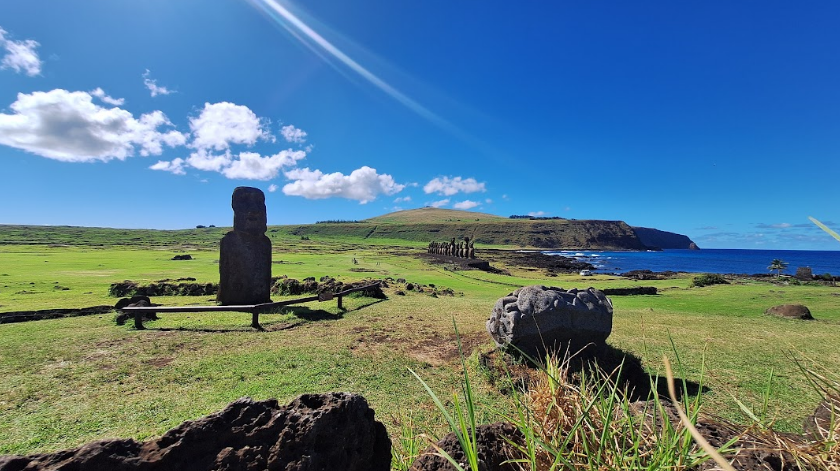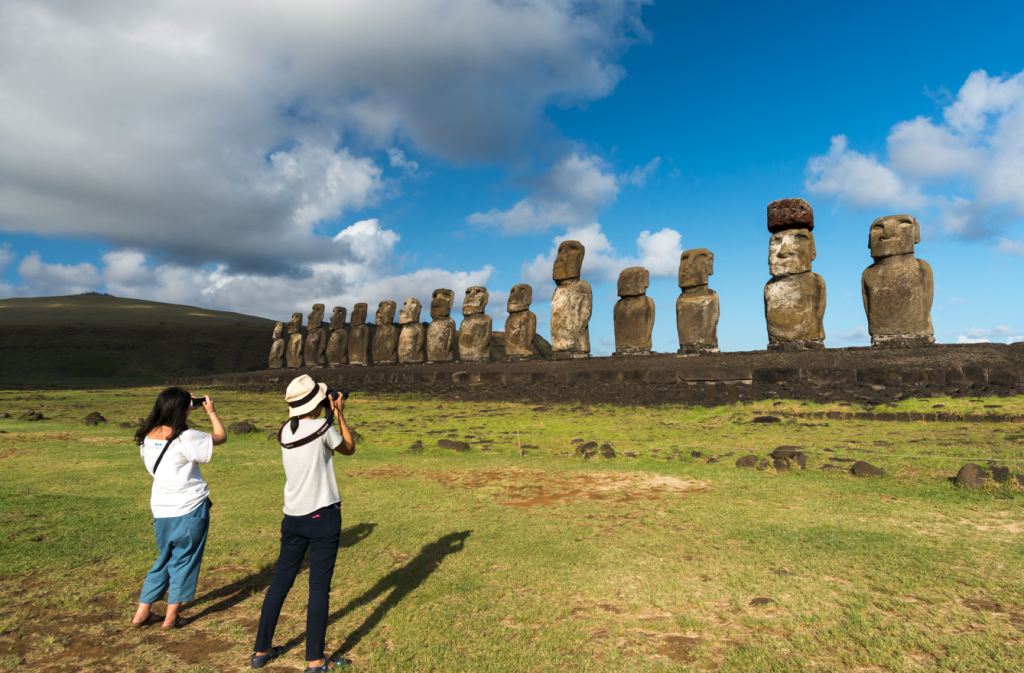

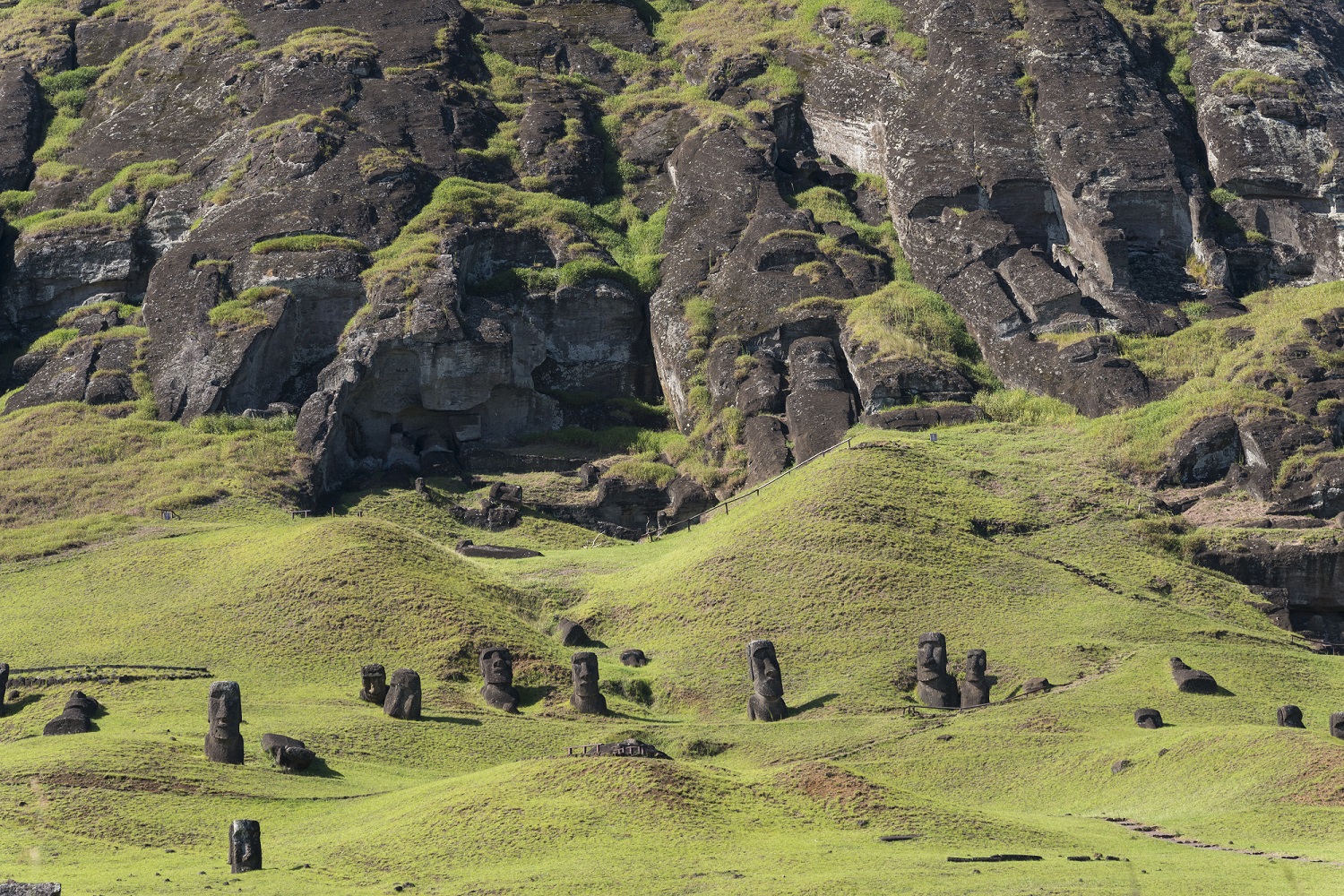
Rapa Nui National Park is one of the most iconic cultural sites in the world. Its value lies not only in the extraordinary number of archaeological remains it preserves, but also in the fact that it is living evidence of a unique civilization that developed in geographic isolation for more than a thousand years.
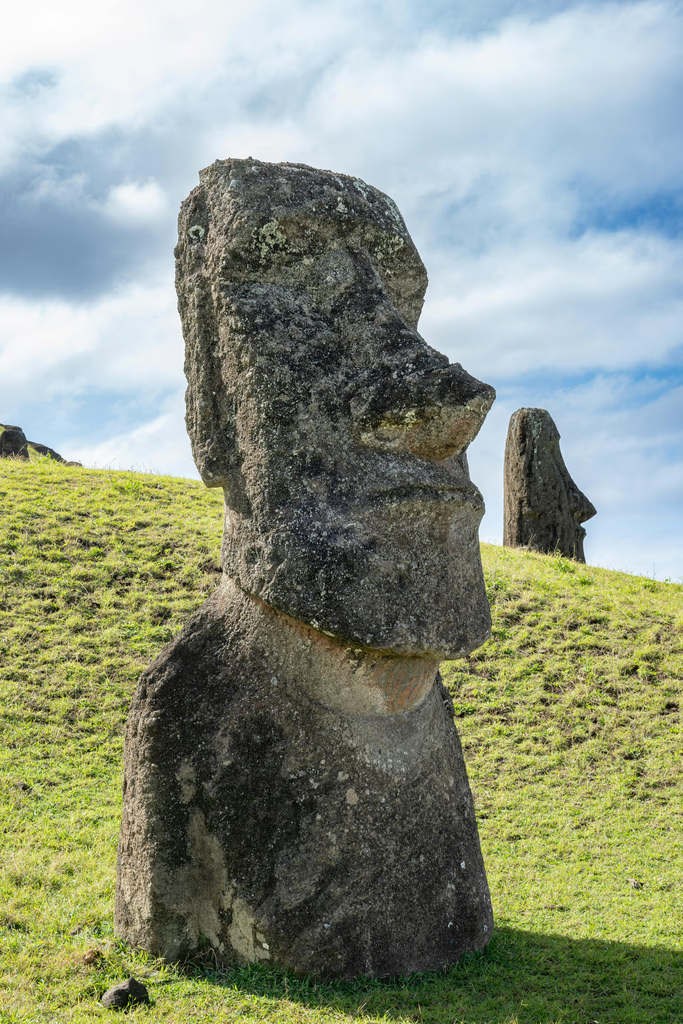
A historic milestone: National Historic Monument since 1935
On January 16, 1935, the State of Chile declared Rapa Nui a National Historic Monument, marking the formal beginning of the protection of its archaeological and cultural heritage. This decision was essential in recognizing the exceptional value of a territory where tradition, landscape, and history are deeply interconnected.
Since then, conservation efforts and archaeological research have evolved alongside a deeper understanding of Rapa Nui culture, its social organization, and its spiritual practices.
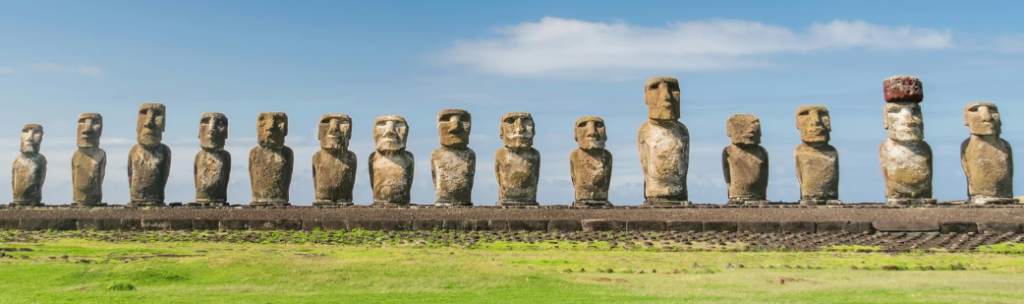
The beginning of heritage protection on Rapa Nui
During the early decades of the 20th century, researchers and authorities began to recognize the fragility of the island’s archaeological heritage. The moai and other remains were exposed to natural erosion, neglect, and unregulated human intervention.
The 1935 declaration had several key objectives:
- To recognize the historical and archaeological value of Rapa Nui
- To protect the main ceremonial sites
- To establish basic conservation regulations
- To prevent the deterioration of cultural heritage
This milestone was the first step toward a broader protection policy that would eventually lead to the creation of Rapa Nui National Park.

From National Monument to National Park
Over the years, heritage protection expanded and was consolidated under the status of a National Park, allowing for more comprehensive territorial management.
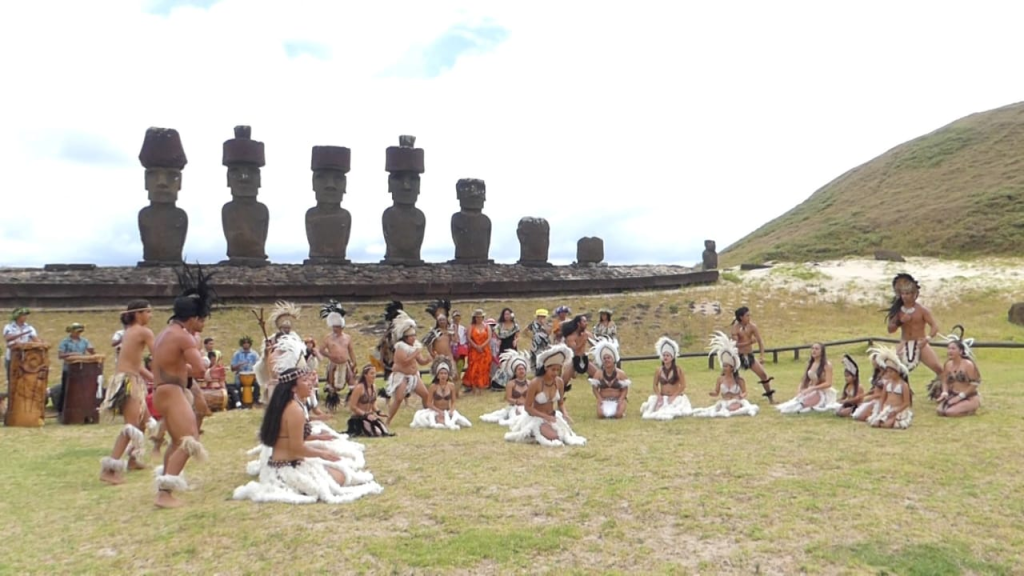
Today, Rapa Nui National Park covers approximately 7,150 hectares, representing close to 40% of the island’s total surface. Within its boundaries are most of the island’s known archaeological sites, along with volcanic landscapes, coastal areas, caves, ancient roads, and ceremonial and domestic spaces.
More than a natural park, it is a living cultural landscape, deeply connected to the history and worldview of the Rapa Nui people.
Universal value recognized by UNESCO
In 1995, Rapa Nui National Park was inscribed as a UNESCO World Heritage Site, becoming the first site in Chile to receive this distinction.
UNESCO highlights its outstanding universal value as an exceptional testimony to a culture that developed a monumental tradition of sculpture and architecture—largely without significant external influence—between the 10th and 16th centuries.
It is estimated that within the park there are:
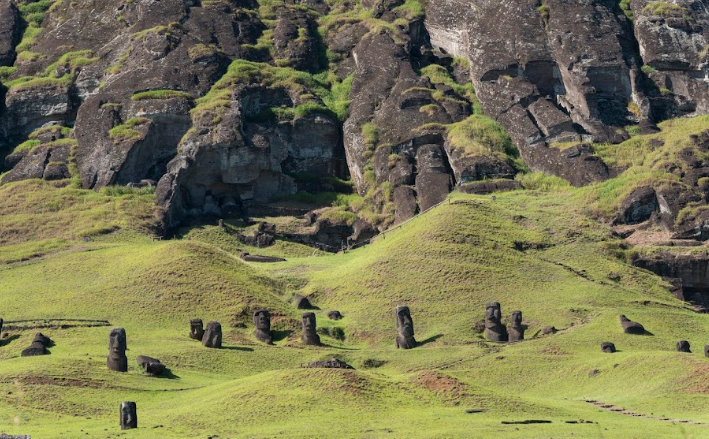
- Around 900 moai in different stages (carved, transported, erected, or unfinished)
- More than 300 ceremonial platforms (ahu)
- Thousands of structures linked to agricultural, ritual, and domestic activities
This recognition emphasizes:
- The uniqueness of its megalithic architecture
- The cultural complexity of Rapa Nui society
- The development of a monumental tradition without direct external influence
As a result, the park is considered one of the most important archaeological complexes on the planet.
Iconic archaeological sites within the park
Rapa Nui National Park protects some of the most visited and internationally recognized archaeological sites, along with many lesser-known but equally significant areas.
Among the most emblematic are:
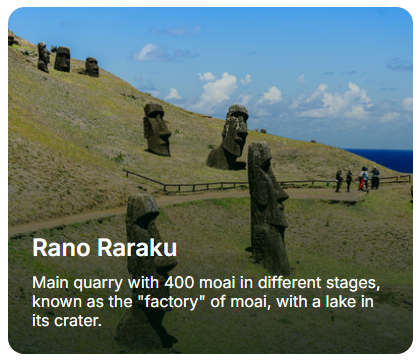
- Rano Raraku, the volcanic quarry where most of the moai were carved, considered one of the most archaeologically fragile sites due to the high concentration of unfinished statues and its delicate environment.
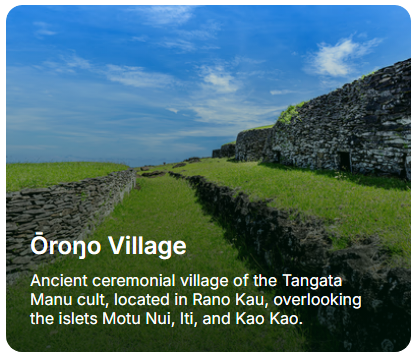
- Orongo, a ceremonial village associated with the Birdman cult, also classified as highly fragile because of its petroglyphs, ceremonial structures, and exposure to erosion.
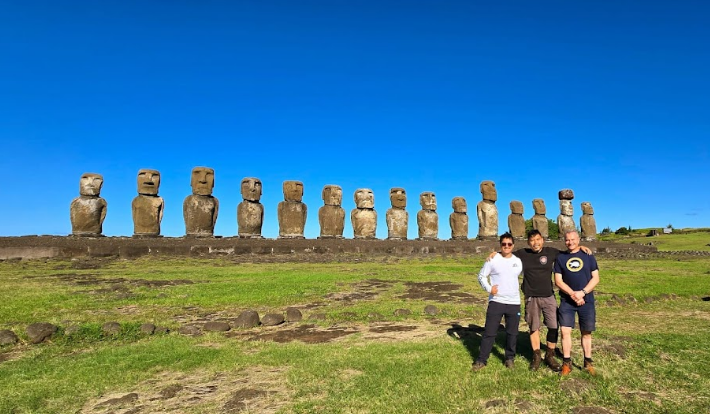
- Ahu Tongariki, the largest restored ceremonial platform on the island, with 15 moai perfectly aligned facing the ocean.

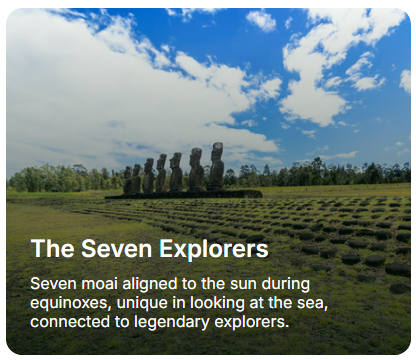
- Ahu Akivi, known for the astronomical alignment of its moai.
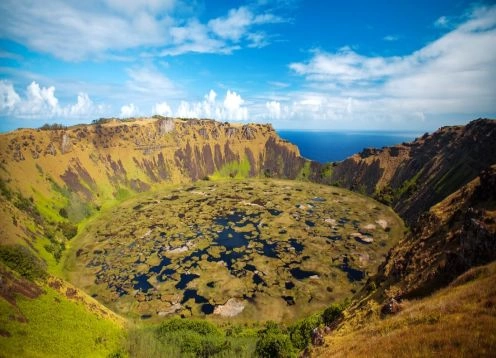
- Rano Kau, a volcanic crater of great ceremonial and scenic importance.
In addition to these sites, the park also protects:
- Caves with rock art and funerary uses
- Volcanoes and secondary craters
- Ancient ceremonial and domestic villages
- Traditional agricultural systems
- Ancestral pathways and ritual coastal areas
Together, these elements help us understand the complex social, spiritual, and territorial organization of ancient Rapa Nui civilization.
Current administration and the central role of the Rapa Nui people
One of the most significant recent transformations in the history of Rapa Nui National Park is its administration by the Rapa Nui people themselves, through the Ma’u Henua Indigenous Community. This process represents a major step forward in self-determination, cultural conservation, and local heritage management.
From state administration to community management
For decades, Rapa Nui National Park was managed by the Chilean State, specifically through the National Forestry Corporation (CONAF). This model changed profoundly when both the State and the Rapa Nui community agreed to transfer park management to its ancestral inhabitants.
The Ma’u Henua Indigenous Community was formally established in August 2016 with the clear goal of granting the Rapa Nui people full administration of their ancestral territory, incorporating their own principles of protection, conservation, and sustainable use of heritage.
During an initial transition period, management was shared between CONAF and Ma’u Henua to allow for the transfer of knowledge and experience. In March 2018, the community fully assumed park administration, becoming the authority responsible for managing and protecting approximately 43% of the island under the National Park designation.
This model is considered pioneering in Chile and internationally, as it is based on local participation, community worldview, and sustainable management of cultural and natural heritage of universal value.
Community-based and sustainable management
Ma’u Henua’s administration goes beyond technical management and is deeply rooted in the Rapa Nui cultural vision of territory, the protection of moai and other archaeological remains, and the conservation of the island’s natural landscapes.
This holistic approach includes:
- Maintenance of trails and archaeological sites, balancing preservation with visitor experience
- Environmental education programs for both the local community and visitors
- Archaeological restoration using cultural and scientific criteria, respecting both traditional and modern techniques
- Promotion of responsible tourism, balancing visitor access with heritage protection
This model reflects a deep commitment to local culture and to safeguarding a territory that is not only archaeological, but also spiritual and alive.
Community participation and transparency in key decisions
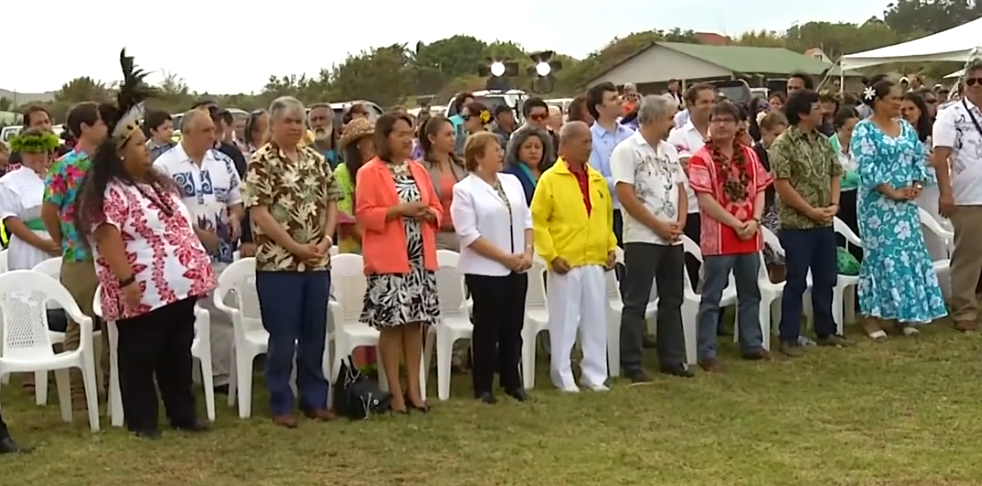
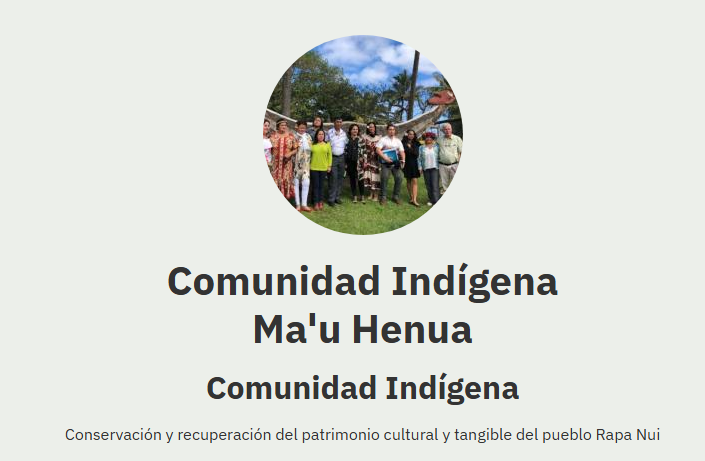
A clear example of this participatory management was the First Ordinary General Assembly of the Ma’u Henua Indigenous Community, held on May 17, 2025, where more than 500 community members gathered to review park management and participate in strategic decisions.
The assembly served as a space for transparency and accountability, addressing administrative, financial, and future planning matters, as well as community proposals for park management. It also encouraged collective discussion on how to balance heritage conservation with tourism access, reinforcing the idea that park management is a shared responsibility.
A self-management example: the entrance ticket decision
One of the most relevant topics discussed during the assembly was the increase in the entrance ticket price to Rapa Nui National Park. Rather than being imposed, the community voted directly on the adjustment in a democratic and transparent process. The result showed strong support, with 404 votes in favor and 130 against.
This adjustment, effective as of October 1, 2025, aims to:
- Strengthen conservation of archaeological and natural sites
- Improve infrastructure and visitor services
- Enhance environmental monitoring and control
- Generate more employment opportunities for the Rapa Nui community
- Align park access with international standards for protected heritage sites
These decisions demonstrate that community administration is not merely symbolic, but results in concrete actions with real impact on heritage protection and island well-being.
A management model that combines tradition and sustainability
The administration of Rapa Nui National Park by the Ma’u Henua Indigenous Community represents an innovative and culturally meaningful conservation model that respects the Rapa Nui worldview and promotes more informed, respectful, and sustainable tourism.
This approach not only protects archaeological and natural sites, but also strengthens Rapa Nui identity, autonomy, and ancestral ties to the land.
Visitor rules at Rapa Nui National Park
Visiting Rapa Nui National Park is a unique opportunity to experience one of the world’s most valuable cultural and archaeological heritages. To ensure its preservation for future generations, clear and mandatory rules apply to all visitors.
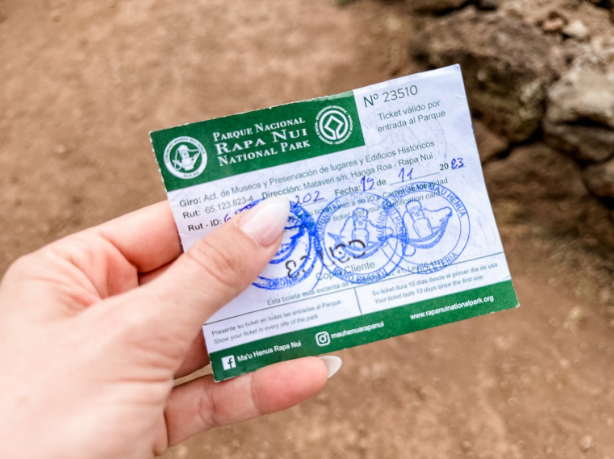
- Mandatory entrance ticket
Every visitor must have an official Rapa Nui National Park entrance ticket. This ticket is personal, non-transferable, and valid for 10 days from the first entry.
We recommend purchasing it in advance on the official website and downloading it to your device, as many areas of the park do not have mobile signal or internet access.
- Always visit with an accredited guide
Entry and visits within the park must be accompanied by a guide accredited by the Ma’u Henua Indigenous Community. This ensures respectful visits, a deeper understanding of cultural significance, and protection of fragile sites.
- Rules to protect the heritage
To safeguard the park’s archaeological and natural heritage, all visitors must follow these rules:
- Do not touch or climb on the moai
- Stay on designated trails
- Do not write graffiti, carve, or mark surfaces
- No pets allowed
- No fires or camping
- No drone flights without official authorization
- No alcohol consumption or smoking
- Do not enter restricted or fenced areas
- Bicycles are only allowed on designated paths
These rules exist to protect monuments, archaeological structures, and natural landscapes that have survived for centuries thanks to respect and care.
- Respecting procedures and controls
Your entrance ticket may be checked at any control point within the park, and Ma’u Henua staff or hosts may request identification.
Unauthorized commercial audiovisual activity may result in restricted access, in order to protect cultural and heritage rights.
- Responsible tourism: the best souvenir
Visiting Rapa Nui National Park is more than a sightseeing experience—it is a deep cultural encounter that requires respect for history, the local community, and the land. By following these rules, you help ensure this legacy endures for future generations.
Exploring the park with expert local guides
Visiting Rapa Nui National Park is not just about seeing monuments, but about understanding their historical, cultural, and spiritual context.
At Easter Island Travel, we offer tours designed to:
- Provide clear, contextual historical information
- Include certified local guides
- Offer comfortable, private transportation
- Adapt each experience to your pace and interests
Every visit becomes an educational and meaningful experience.
A living legacy we must protect
From its declaration as a National Historic Monument in 1935, through its UNESCO recognition, to its current administration by the Rapa Nui people, Rapa Nui National Park remains a powerful symbol of identity, memory, and conservation.
Walking through the park is walking through centuries of history and understanding the profound relationship between the Rapa Nui people and their land.
If you are planning your trip to Easter Island, we invite you to explore Rapa Nui National Park with us—respectfully, knowledgeably, and with cultural awareness.
More information and guided tours:
👉 www.easterisland.travel/tours