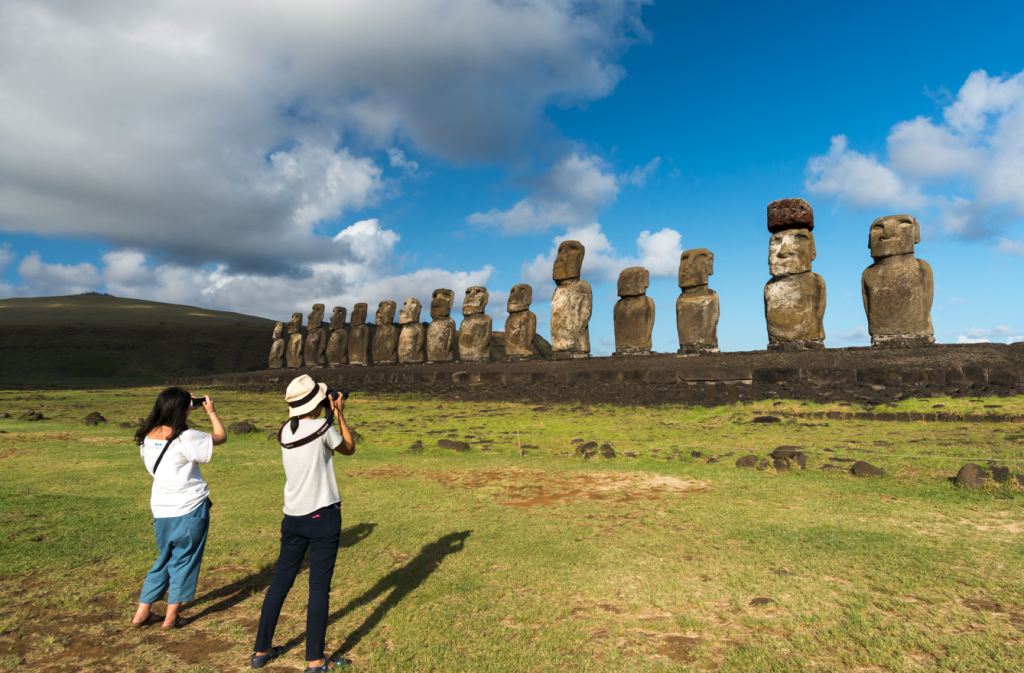

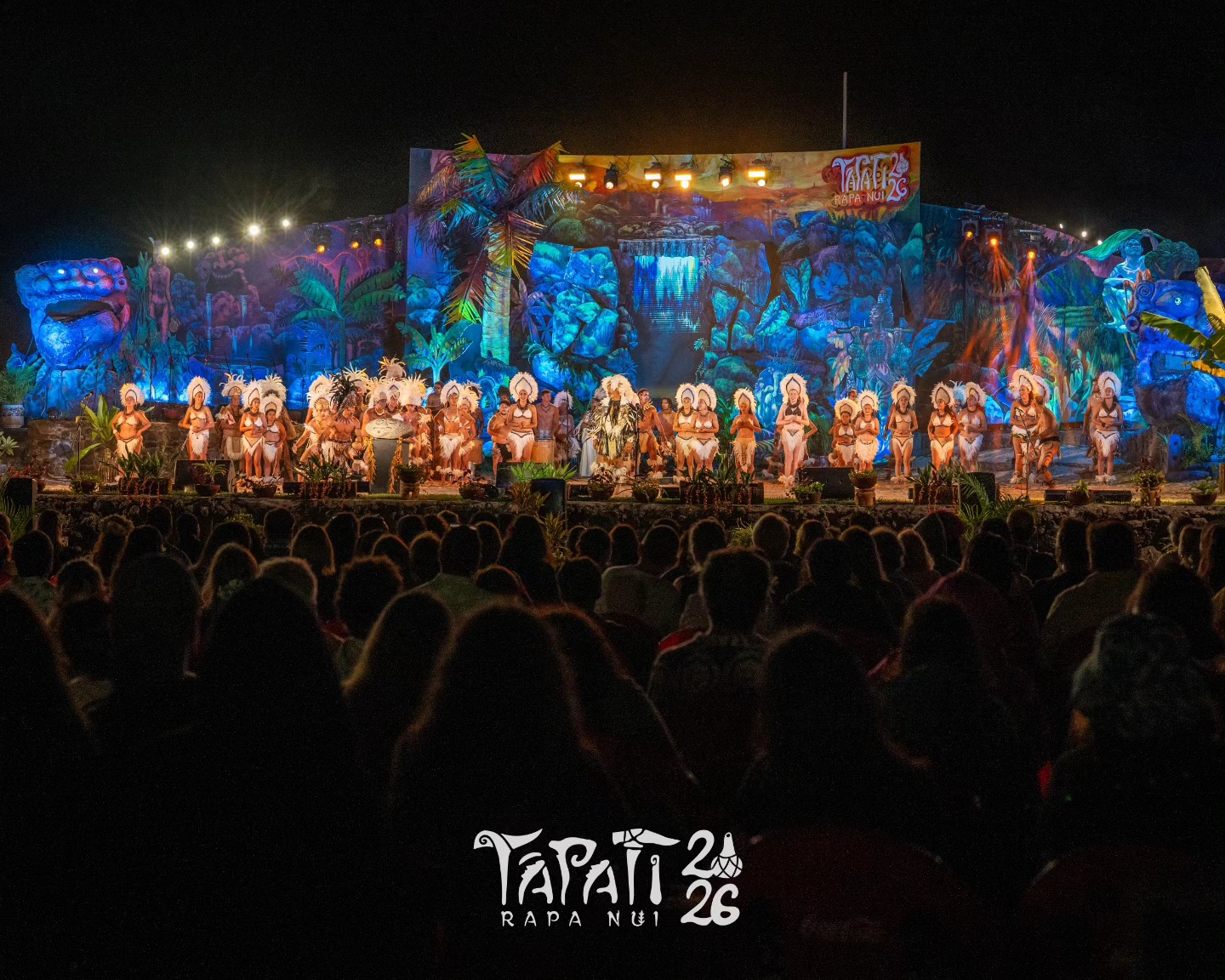
Since February 3, Tapati Rapa Nui 2026 has officially begun on the island, marking the start of one of the most important cultural festivals in Rapa Nui and across Polynesia. For those visiting the island during these dates—and also for those of us who experience it from within—Tapati is a living expression that brings together traditional competitions, art, ritual, community, and a deep connection to the territory.
At Easter Island Travel, we follow these first days with a close and explanatory perspective, helping our readers understand not only what happens during Tapati, but also why it happens.
A Meaningful Beginning: Cleaning Before Celebrating
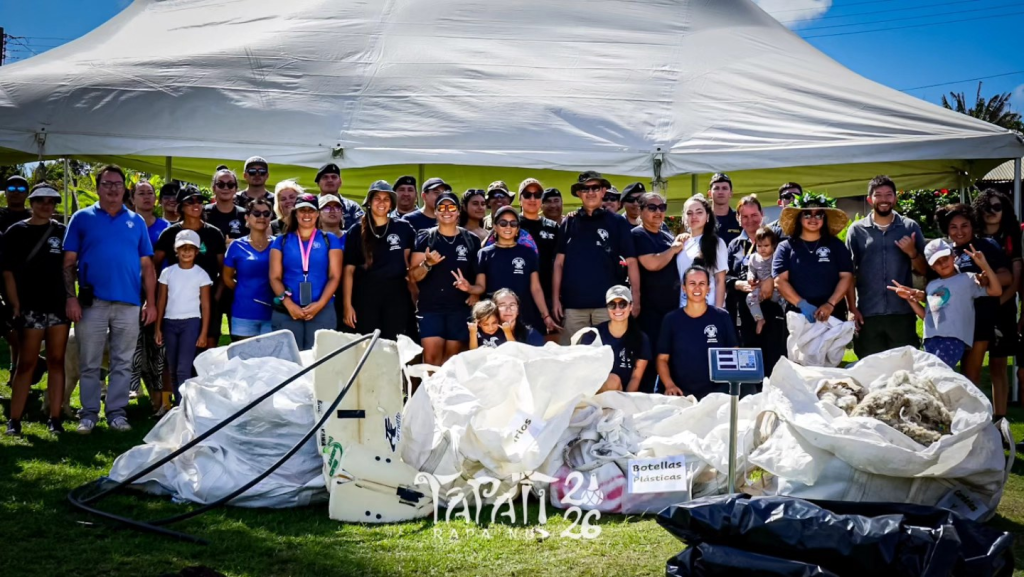
As every year, Tapati began with a coastal cleanup, an activity that takes place before the celebrations and reflects the community’s commitment to caring for the natural environment.
Local residents and volunteers actively participated in this initiative, collecting more than 227.64 kilograms of plastic. This first collective action sets the tone of the festival: celebrating Rapa Nui culture also means protecting the island, the ocean, and the natural resources that sustain life on Rapa Nui.
Expo Tapati Rapa Nui 2026: The Cultural Prelude to the Festival
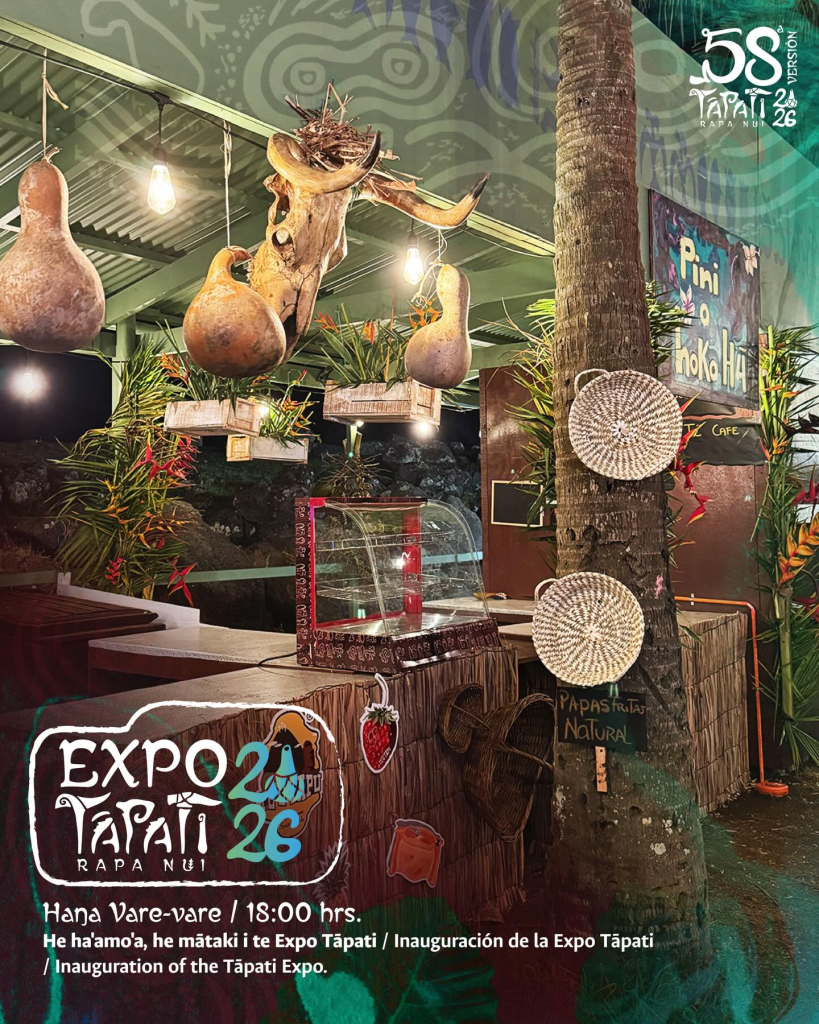
During these first days, the sixth edition of Expo Tapati Rapa Nui opened at Haŋa Vare-Vare. This space has become one of the most important highlights leading up to the festival, bringing together handicrafts, gastronomy, art, and local entrepreneurship.
For both residents and visitors, the Expo offers a direct and human connection to Rapa Nui culture, allowing visitors to meet local creators, engage in conversation, and understand how ancestral traditions coexist with contemporary expressions on the island.
Opening Night: Official Launch and Central Theme of Tapati 2026
The opening night of Tapati Rapa Nui 2026 took place at Haŋa Vare-Vare, marking the official start of the festival. During this ceremony, the candidates for queen (Uka) of this edition were presented: Heremeta Teao Manutomatoma and Heilany Hito Rapu, accompanied by authorities, artists, families, and the local community.
The ceremony opened with a powerful performance by the Kari Kari Cultural Ballet, whose energetic and precise presentation combined dance, music, and strong stage presence, offering a meaningful introduction to Rapa Nui cultural identity.
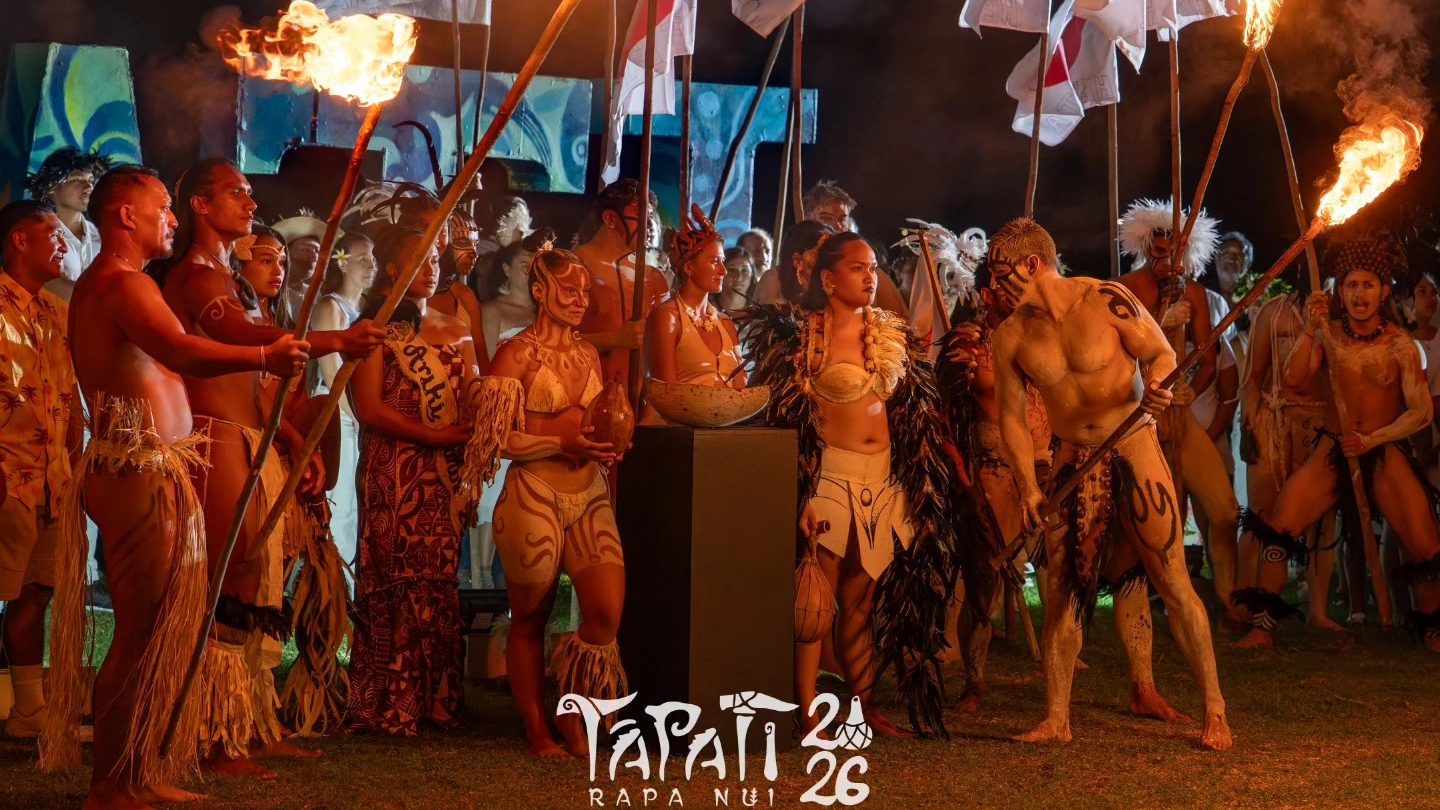
This night also introduced the central theme of Tapati Rapa Nui 2026: fresh water, understood on Rapa Nui as a source of life, memory, and continuity. Under the night sky and the glow of torch flames, a symbolic ritual took place in which both candidates were presented alongside a taheta, a traditional water collector, and an ipu kaha—an ancestral water vessel made from a gourd—used to safeguard this vital resource.
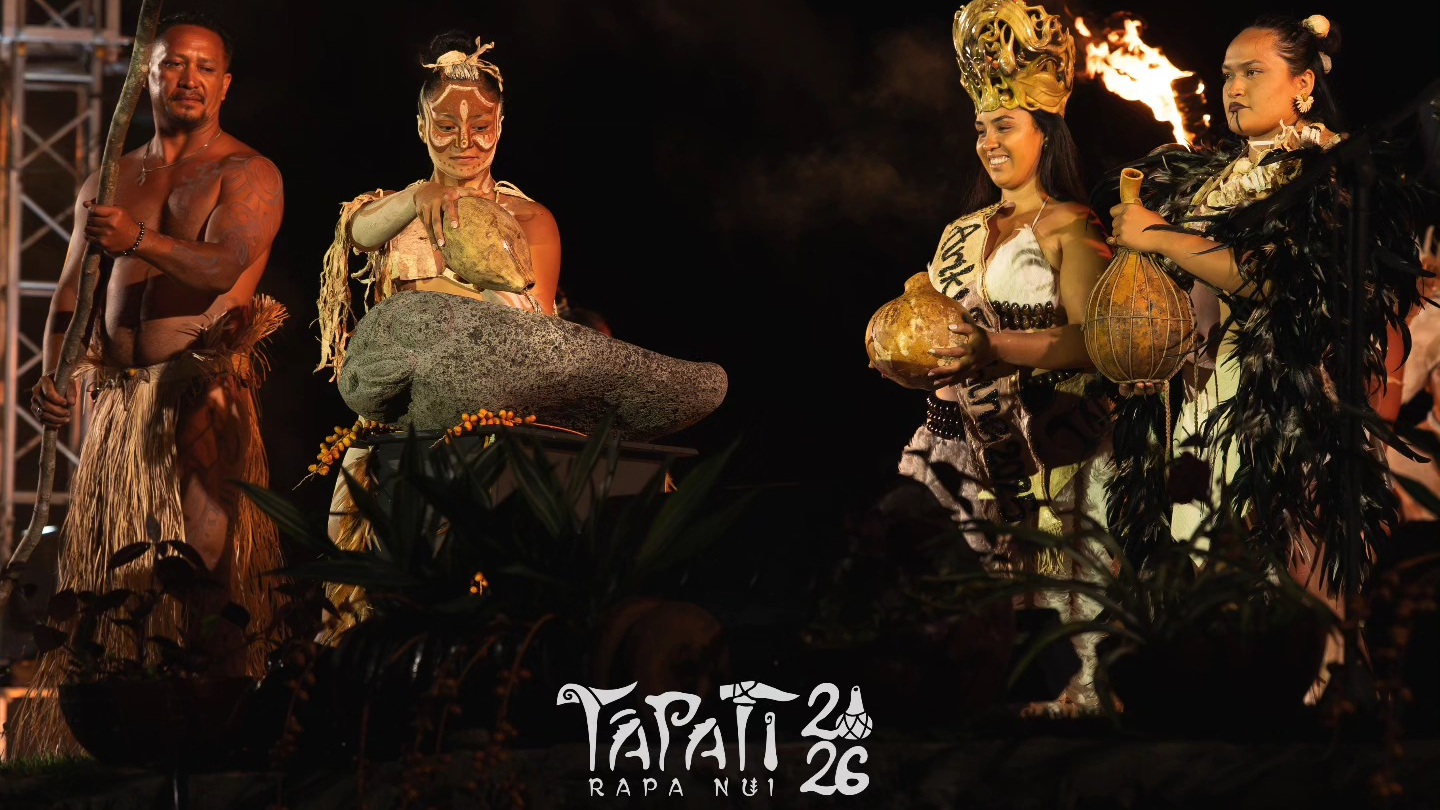
This ritual reinforced the central message of Tapati 2026: caring for water is a collective responsibility and a legacy that must be protected for future generations.
Below, we include the official promotional video that presents this central theme.
Nights at Topatangi: Music, Community, and the Tapati Atmosphere
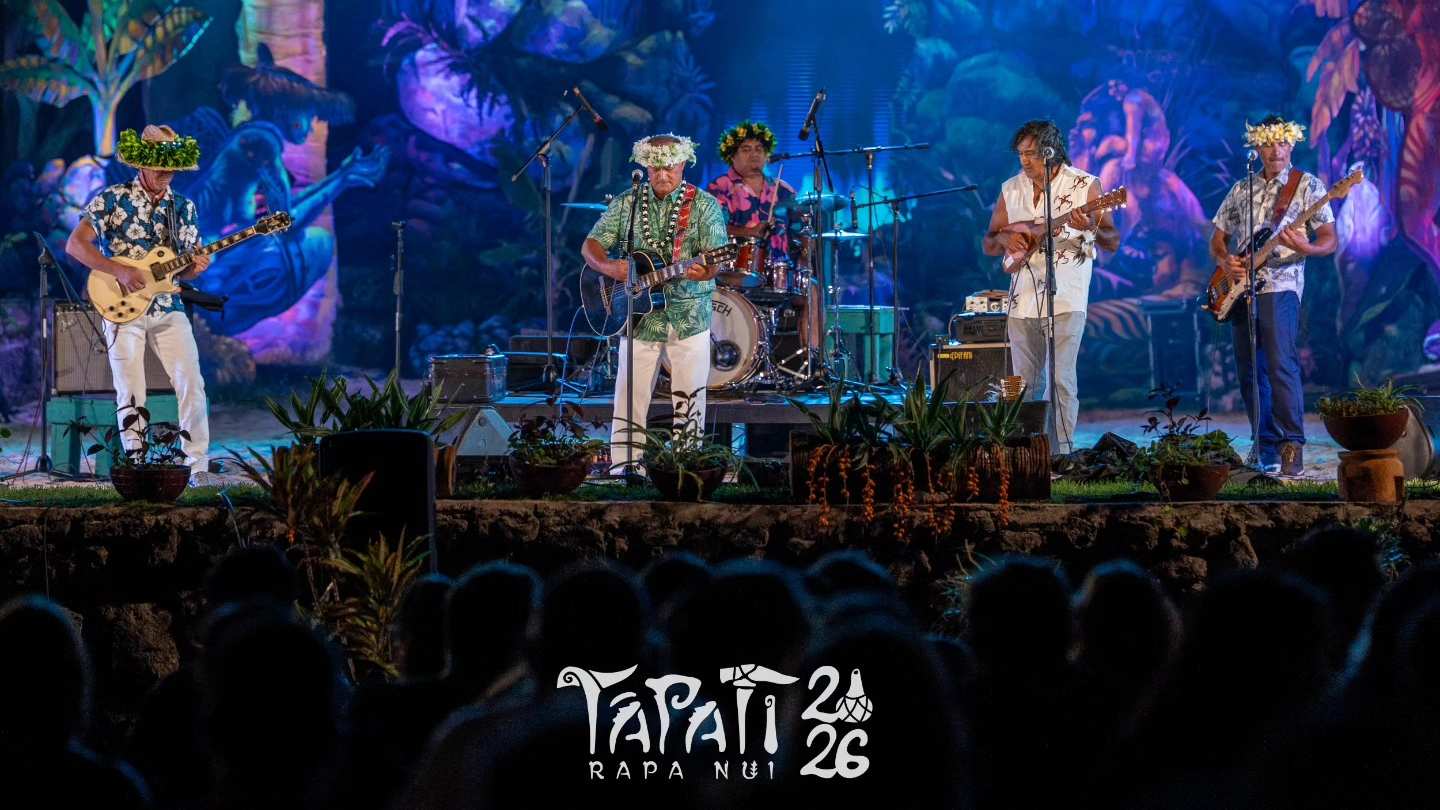
Following the opening night, evening activities continued on the Topatangi stage, where music and live performances took center stage. These nights are an essential part of the Tapati experience, bringing together the local community and visitors in a festive, welcoming environment deeply rooted in Rapa Nui identity.
February 4: Tau’a Rapa Nui and Cultural Competitions
On February 4, starting at 10:00 a.m., the Tau’a Rapa Nui took place at Haŋa Rio-rio, one of the most demanding competitions of the festival. This traditional triathlon combines endurance, technique, and a strong connection with the environment, and is held in youth, adult, master, women’s, men’s, and candidate categories.
Official Results – Tau’a Rapa Nui 2026
Open Men
🥇 Haumaka Pakarati Leon – Team Heremeta
🥈 Miguel Ángel Leon Pakarati – Team Heremeta
🥉 Josef Smith Rapu – Team Heremeta
Junior Men
🥇 Ahi Raŋi Pakomio Burns – Team Heremeta
🥈 Tai Nui Pakomio Burns – Team Heremeta
🥉 Mana Roa Rapu – Team Heilany
Open Women
🥇 Pomare Tepano – Team Heilany
🥈 Matarena Leon Pakarati – Team Heremeta
🥉 Waitiare Kaltenegger Icka – Team Heremeta
Junior Women
🥇 Eva Pakomio Burns – Team Heremeta
🥈 Haŋarahi Tuki – Team Heremeta
🥉 Haukena Mella Ika – Team Heremeta
Master 40 Men
🥇 Cristian Veri Veri – Team Heilany
🥈 Jovino Tuki – Team Heremeta
🥉 Felipe Rojas Araya – Team Heilany
Master 40 Women
🥇 Lorena Hidalgo Gaete – Team Heremeta
🥈 Daniela Finger – Team Heilany
🥉 Noelia Veri Veri Durán – Team Heilany
Uka (Candidates)
🥇 Heilany Hito Rapu
🥈 Heremeta Teao Manutomatoma
That evening, at Haŋa Vare-Vare, the first stage of the children’s and youth dance group competitions took place, along with the harmonica competition.
February 5: Traditional Skills and Cultural Transmission
On February 5, activities began at Hare Peu Tupuna, with competitions directly linked to ancestral knowledge: mahute fiber making (children, adults, and candidates), pāoa carving, and mahute painting for children and adults.
It was an especially meaningful day, where elders and younger generations shared techniques, stories, and learning processes, reflecting the transmission of knowledge from one generation to the next.
Later, at Haŋa Roa o Tai, the underwater hunting competition was held. That night, back at Haŋa Vare-Vare, the program included the Rapa Nui tango dance competition, the presentation of the candidates’ traditional banana fiber outfit (kākaka), and the first stage of the adult dance competition.
February 6: Cultural Program and Traditional Competitions
On Friday, February 6, Tapati Rapa Nui 2026 continues with a day marked by the relationship with the sea, ancestral arts, and cultural memory.
In the morning, at Haŋa Roa o Tai, the individual Polynesian canoeing competition (vaka ‘ama) will take place. At the same time, Hare Peu Tupuna will host competitions in roŋo-roŋo carving, ancestral maroke hat making (adults and candidates), and mōai carving.
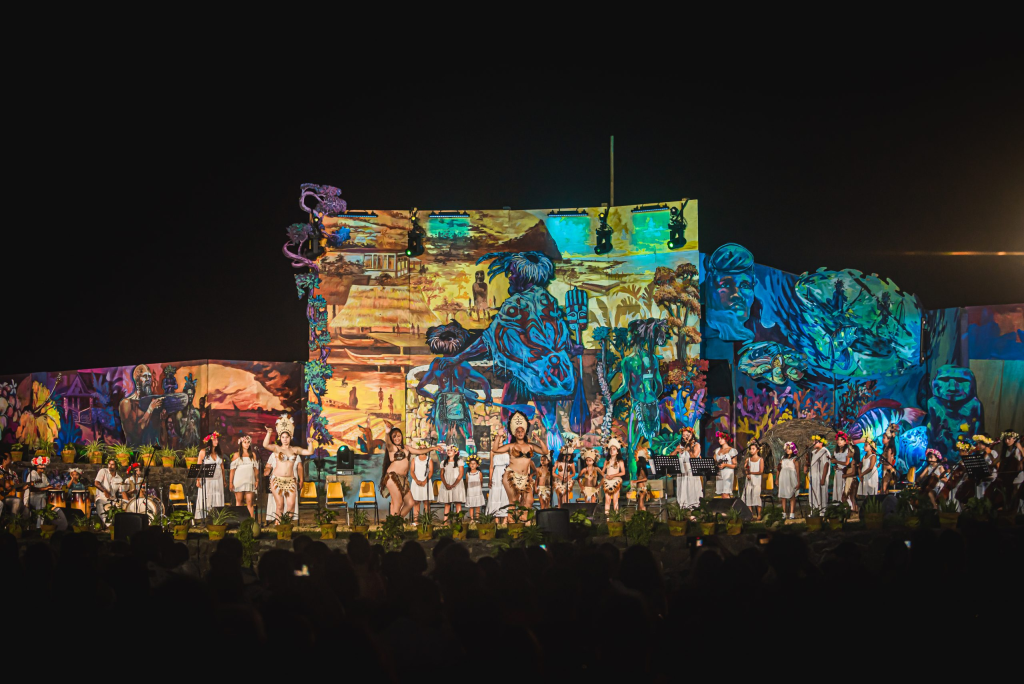
In the evening, at Haŋa Vare-Vare, the program includes the accordion competition, ancestral ‘ūtē singing, the Hoko ancestral dance, the presentation of the candidates’ traditional feather outfit (huru-huru), dramatizations of ancestral stories, and an artistic performance by the Toki Rapa Nui School of Music and Arts, founded by pianist Mahani Teave and supported by NGO Toki.
Tapati Rapa Nui 2026 is made possible thanks to the collective work of the community and the support of institutions and sponsors who believe in the value of Rapa Nui culture.
Special thanks go to the Ministerio de las Culturas, las Artes y el Patrimonio y a CONADI, as well as sponsors such as Banco Santander, LATAM Airlines, Entel, Coca-Cola, Caja Los Andes, Hotel Explora, Hotel Nayara, Gasco, Cerveza Mahina Sin Alcohol, SASIPA, Marley Coffee, Mike Rapu Diving Center, Rent a Car Insular, ENAP, TVN (Televisión Nacional de Chile), Rarama, Oceanic Rent a Car, Naviera Easter Island, Mahinatur y Ma’u Henua.