
If you’re planning your trip to Rapa Nui (Easter Island) and looking for clear, reliable information about Ahu Nau Nau in Anakena Beach, here’s why this site is one of the highlights of Rapa Nui National Park — and why it’s truly worth visiting with an accredited guide.
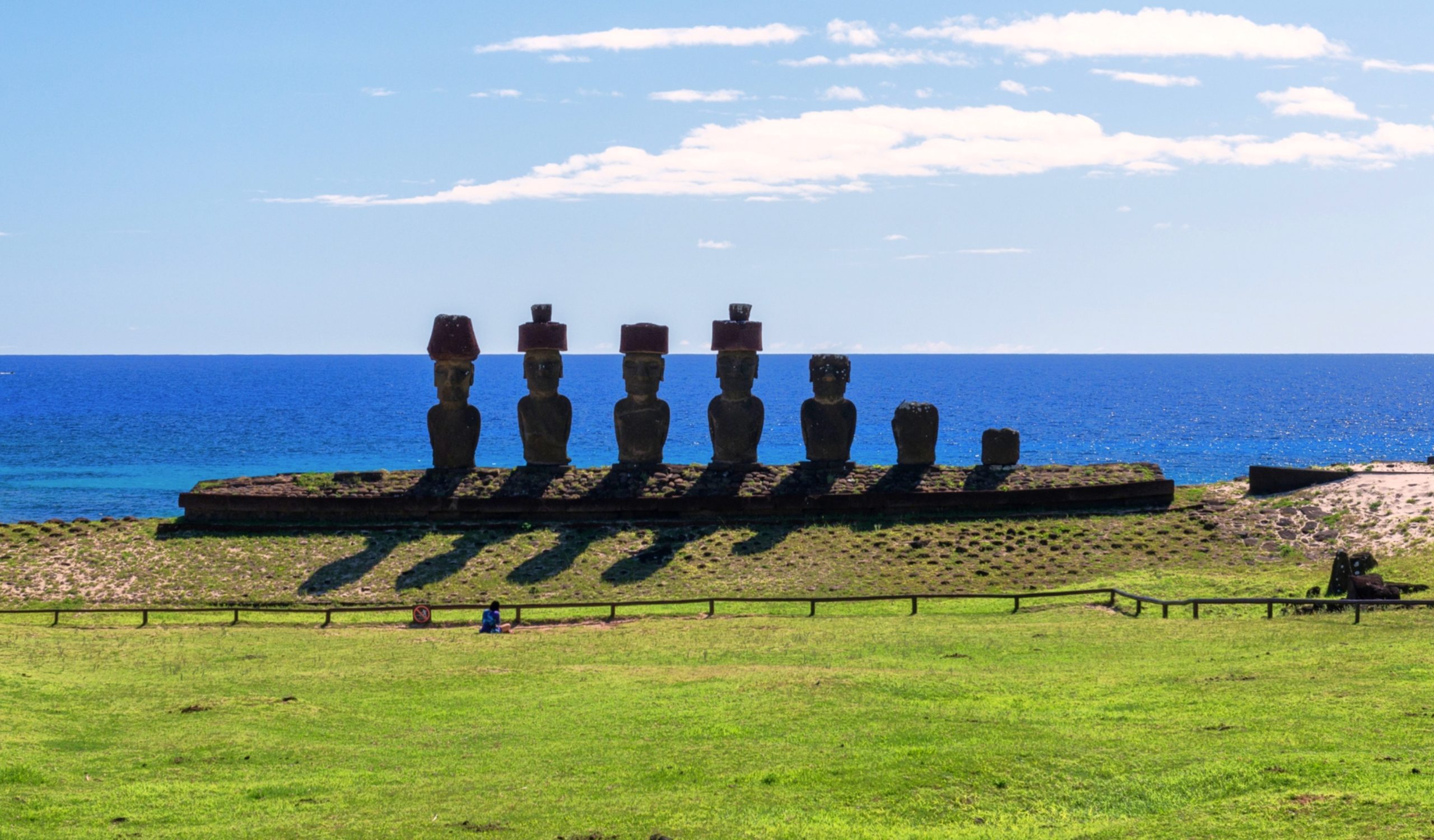
Anakena Beach is more than one of the island’s most iconic postcard views. It is historically connected to the first Polynesian settlements and to the tradition of the ariki Hotu Matu’a. Within this sacred coastal landscape stands Ahu Nau Nau, one of the most important and best-preserved ceremonial complexes in Rapa Nui.
Why Is Ahu Nau Nau So Important?
1. Exceptional Preservation and Archaeological Value
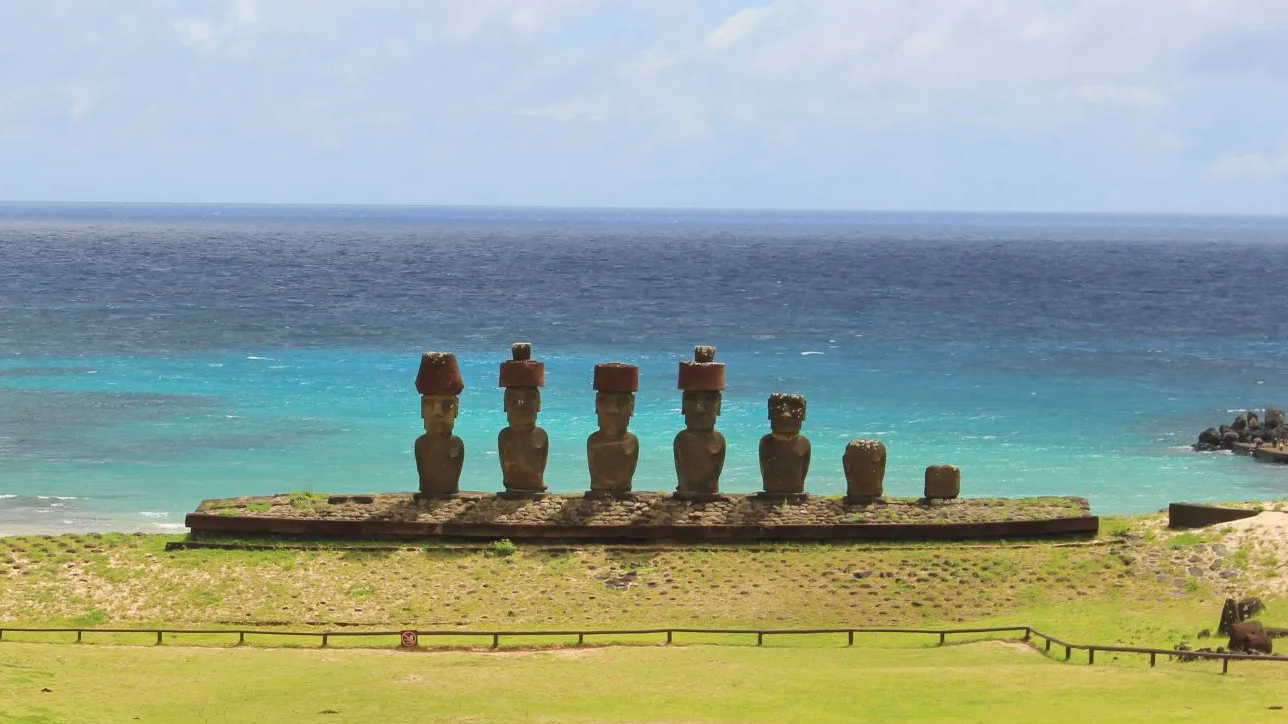
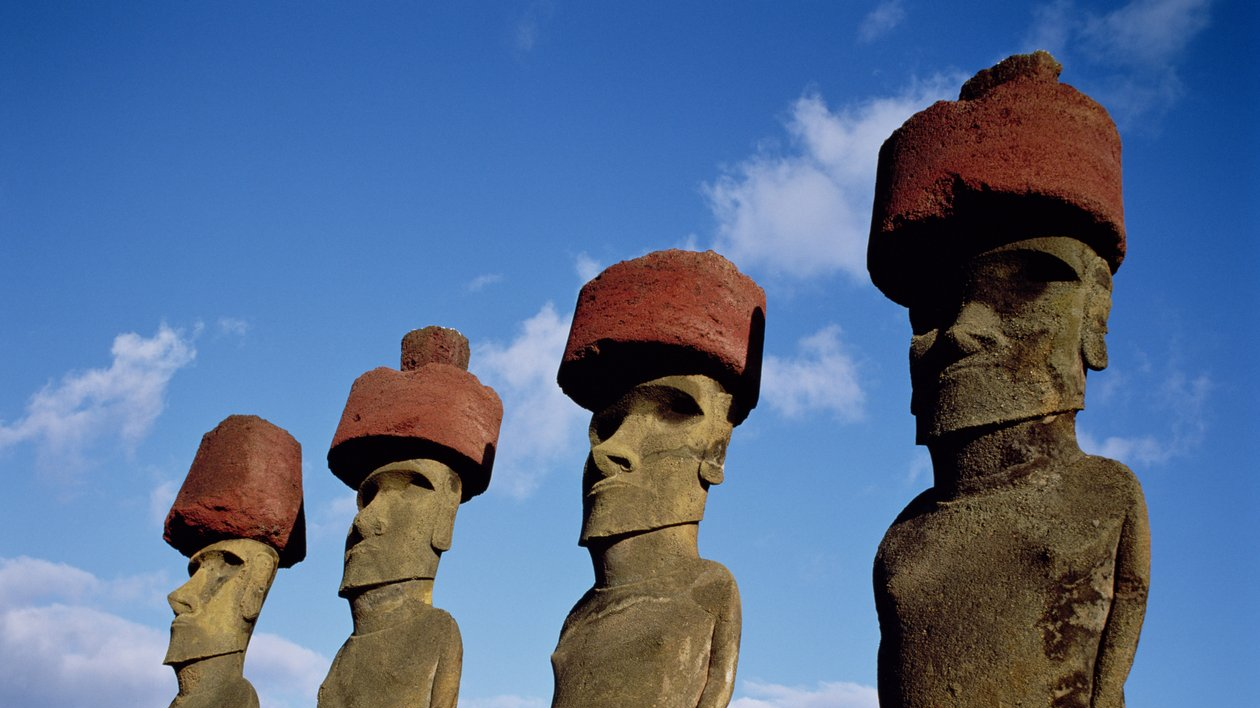
Ahu Nau Nau is widely regarded by researchers as the best-preserved group of moai on Easter Island. The reason is not superior construction, but environmental protection. After the period when statues were toppled, these moai became partially buried under coral sand from Anakena Beach.
This natural covering shielded them from salt winds, rain, and intense sunlight. Thanks to this protection, visitors can still appreciate well-defined facial features, carved clavicles, torso contours, and even traces of carvings on the back — details that have disappeared at many other ahu.
For archaeology, Ahu Nau Nau functions almost as a time capsule, helping experts better understand the original appearance and artistic refinement of the moai before centuries of erosion.
2. Power Center of the Miru Clan
Historical research and oral tradition associate this area with the Miru clan, one of the highest-ranking lineages in ancient Rapa Nui society. The technical precision of the stonework, the architectural complexity of the platform, and the quality of the pukao (topknots) are not decorative elements — they reflect social hierarchy and political authority.
Archaeological studies reveal clearly defined construction phases between approximately 1100 and 1400 AD, indicating long-term occupation and ceremonial continuity. This was not a secondary site, but a central space within the island’s political and religious system.
3. The Pukao: Engineering, Symbolism, and Sacred Red Stone
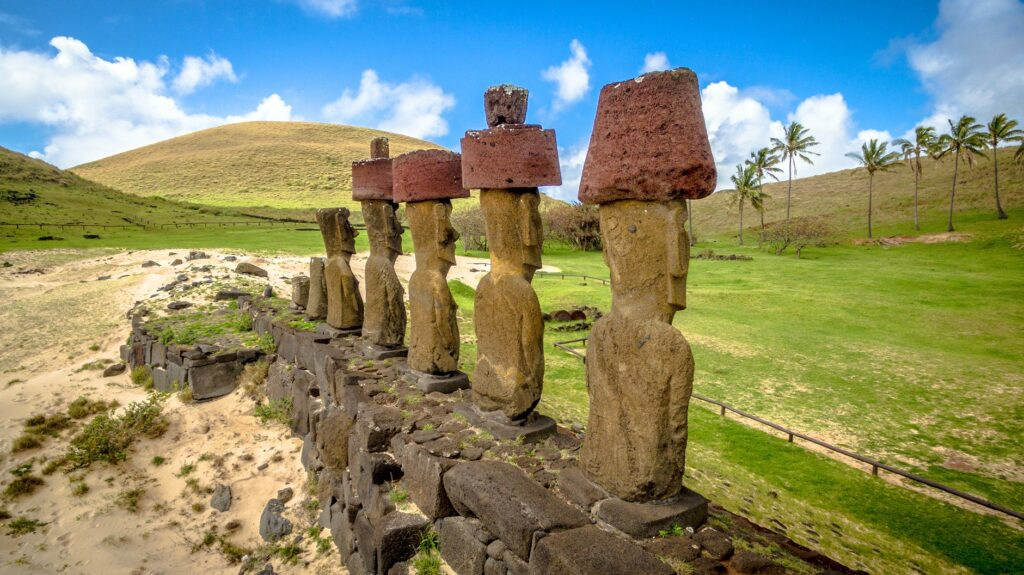
Four of the moai still retain their original pukao, carved from red scoria quarried at Puna Pau. This material is lighter and more porous than the volcanic tuff extracted from Rano Raraku, which facilitated shaping and transport, though the engineering challenge remained extraordinary.
In Polynesian culture, the color red symbolizes mana, status, and authority. Most researchers agree that pukao were not “hats,” but representations of high-ranking hairstyles. Their presence at Ahu Nau Nau reinforces the interpretation that these statues represent elite ancestors.
4. Petroglyphs and Sacred Symbolism
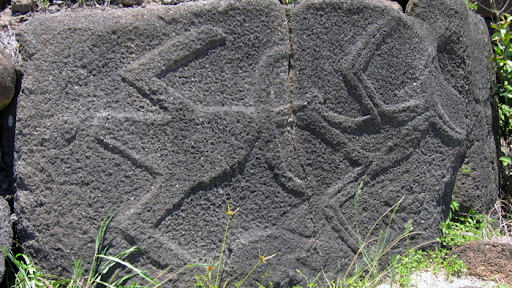
Many visitors focus solely on the statues, but some of the most meaningful carvings are found on the rear structure of the platform. Petroglyphs identified here include ritual figures such as the tangata moko (lizard man), along with marine-related symbols.
This suggests the platform was not merely an architectural base, but an active ceremonial space filled with symbolic meaning. These engravings strengthen the connection between territory, lineage, and ritual identity..
5. The Coral Eye Discovery and the “Activation” of the Moai
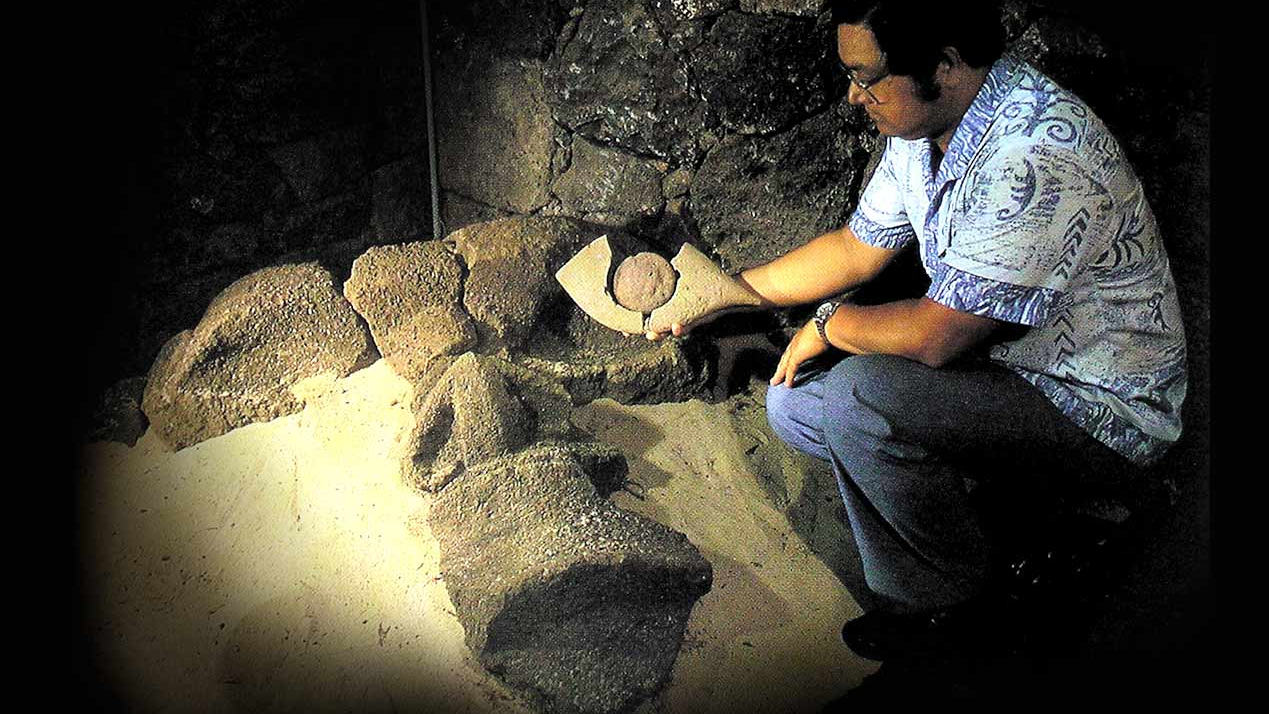
One of the most significant moments in modern Rapa Nui archaeology occurred at this site. During restoration work in the late 1970s, led by Rapa Nui archaeologist Sergio Rapu, fragments of white coral eyes with red scoria pupils were discovered.
This finding confirmed that moai were not originally intended to appear “blind.” The eyes were inserted only after the statue was erected on the ahu, symbolizing the activation of the ancestor and the manifestation of its mana toward the community. Researchers linked to the Museo Antropológico Padre Sebastián Englert emphasize that this discovery reshaped our understanding of how moai once looked across the island.
In other words, Ahu Nau Nau is important not only for what we see today, but for what it helped reveal about the past.
Visiting Ahu Nau Nau with an Accredited Guide
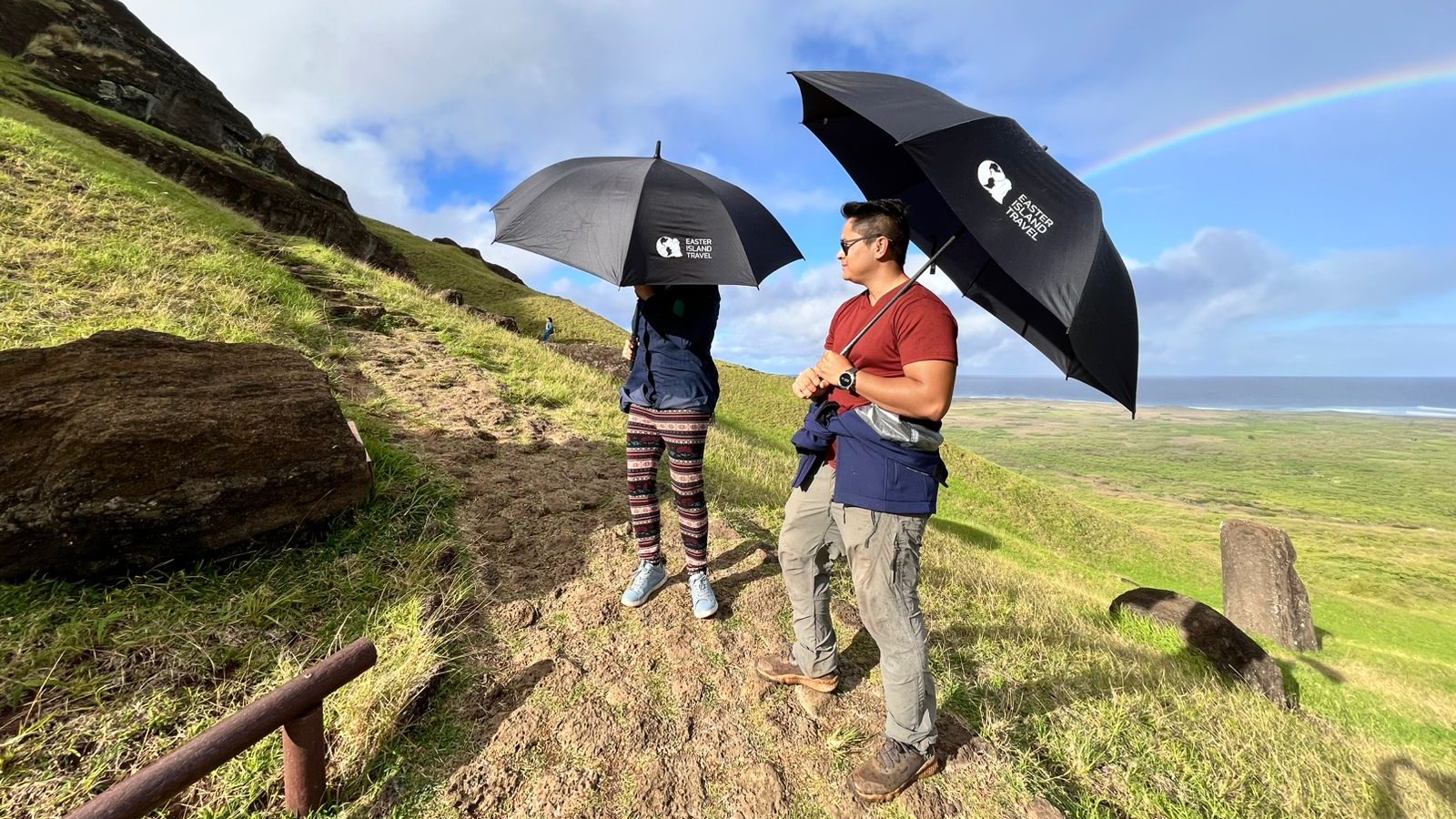
Since 2022, entry to archaeological sites within Rapa Nui National Park requires an accredited guide or certified Rapa Nui host.
Beyond regulations, the true difference lies in interpretation.
Without context, you see statues facing the ocean.
With explanation, you understand social structure, symbolism, restoration history, and ancient construction techniques.
Our Ahu Nau Nau Tours
- Tour A – Full North & East Coast Experience
Ideal if you want an in-depth understanding of Rapa Nui’s historical and cultural evolution. This route connects Anakena and Ahu Nau Nau with major ceremonial centers along the north and east coasts, providing a clear chronological and territorial perspective of the island.
👉 View the full program and book here: TOUR A – LEGENDS JOURNEY
- Tour Express – Essential & Optimized
Short on time but don’t want to miss the highlights? This tour covers the island’s key archaeological sites (including Ahu Nau Nau) with clear, accurate, and engaging explanations. Perfect for travelers seeking an efficient yet meaningful experience.
👉 Learn more here: TOUR EXPRESS
Both options include transportation from Hanga Roa and an accredited guide, as required to access archaeological sites within Rapa Nui National Park.
Best Time to Visit Anakena Beach
We recommend visiting in the morning. The frontal light enhances the moai’s facial features and the red tones of the pukao, while also helping you avoid peak visitor traffic.
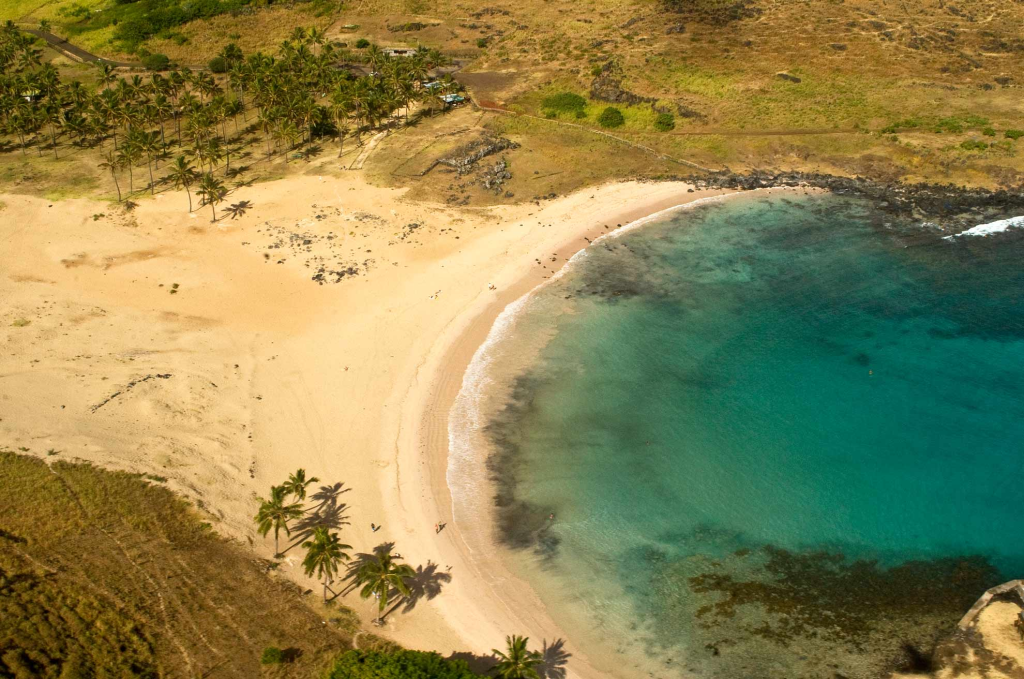
Explore Ahu Nau Nau in 3D – Digital Heritage Preservation
Today, Ahu Nau Nau can be explored not only in person but also digitally. Through a global preservation initiative led by CyArk in collaboration with ICOMOS – International Council on Monuments and Sites, Rapa Nui has been documented using advanced photogrammetry and high-precision 3D scanning.

Under the project “Saving the Statues,” Rapa Nui highlights how climate change, coastal erosion, and environmental shifts are increasingly impacting the moai and their ceremonial platforms. These detailed 3D models allow researchers to monitor deterioration and raise global awareness about the fragility of this unique cultural heritage.
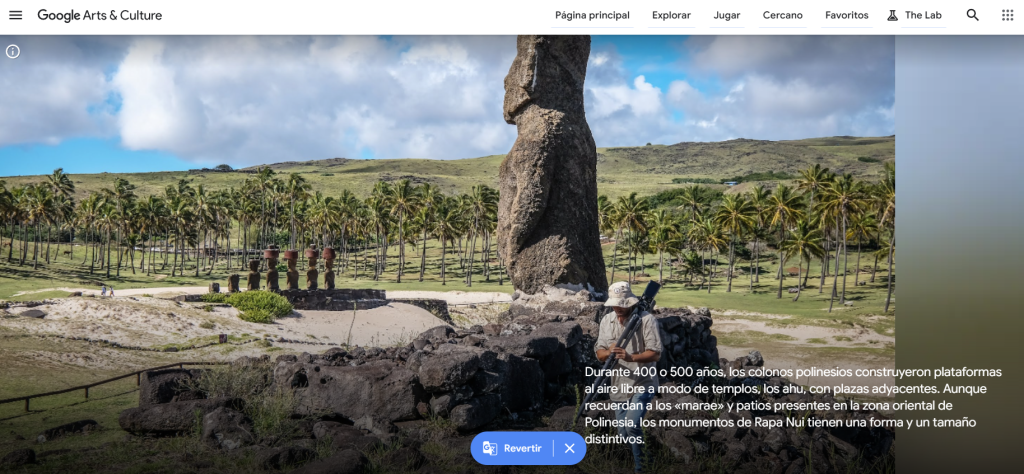
Ahu Nau Nau represents ancestral memory and spiritual power overlooking Anakena — and also shows how technology can support conservation efforts worldwide.
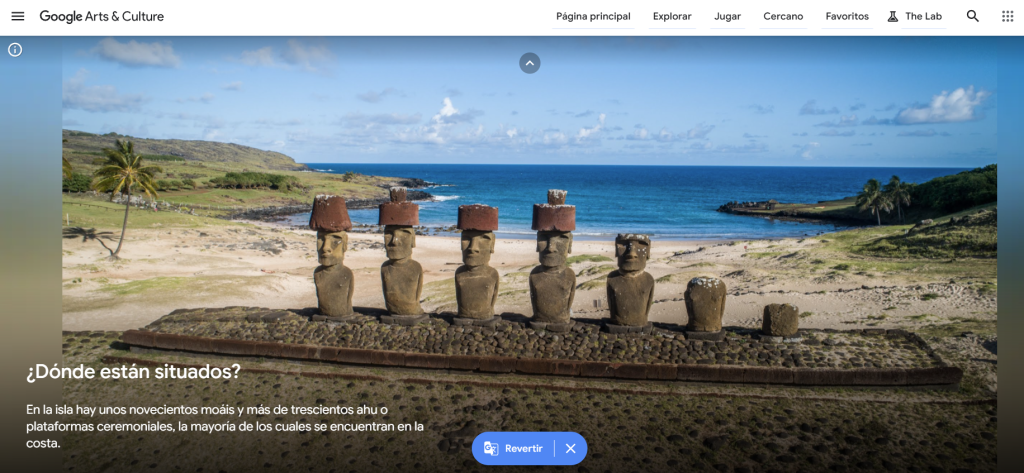
You can explore Ahu Nau Nau in 3D through: Rapa Nui, Easter Island – Google Arts & Culture.
If you truly want to understand what Ahu Nau Nau represents within the history of Rapa Nui, contact us and check the availability of our guided tours.
Visiting the site matters.
Understanding it makes all the difference.