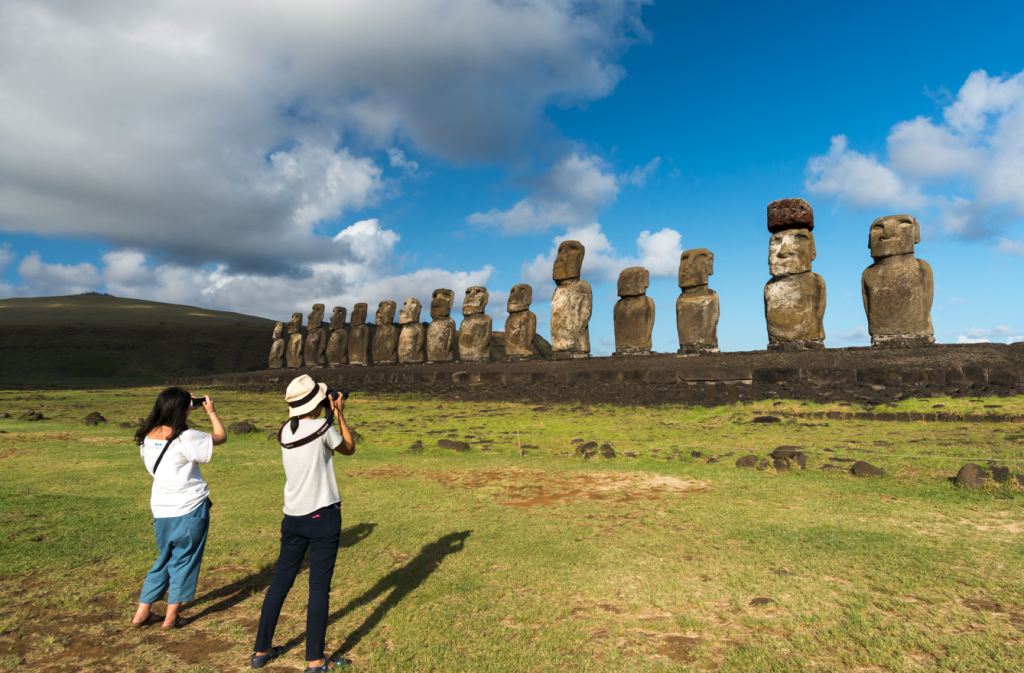

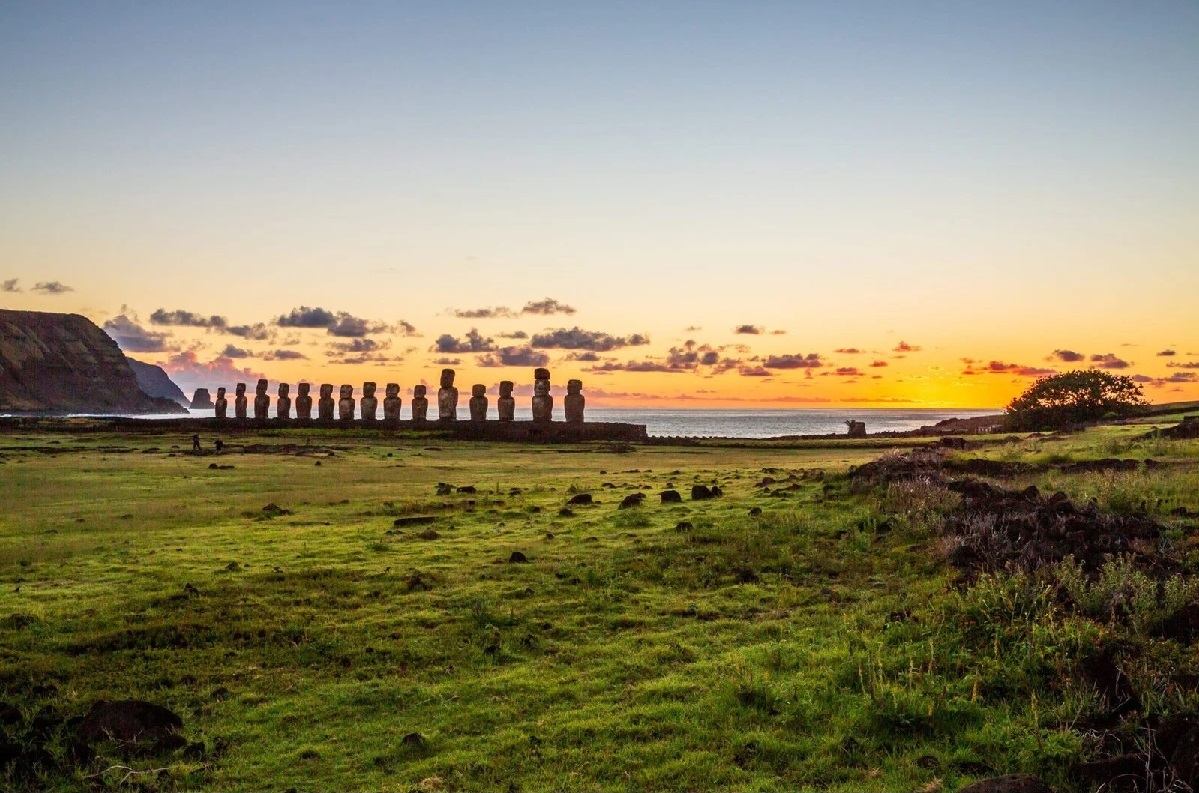
Visiting Rapa Nui (Easter Island) means diving into unique landscapes, ancient moai, stunning beaches, and a fascinating living culture. But one key factor that can make your experience unforgettable —and comfortable— is understanding its weather. Rapa Nui has an oceanic – subtropical climate with mild variations, but rain can appear throughout the year.
Below, you’ll find a month-by-month breakdown of the island’s weather, what you can expect, and which season might be best for your trip… depending on what you’re looking for.
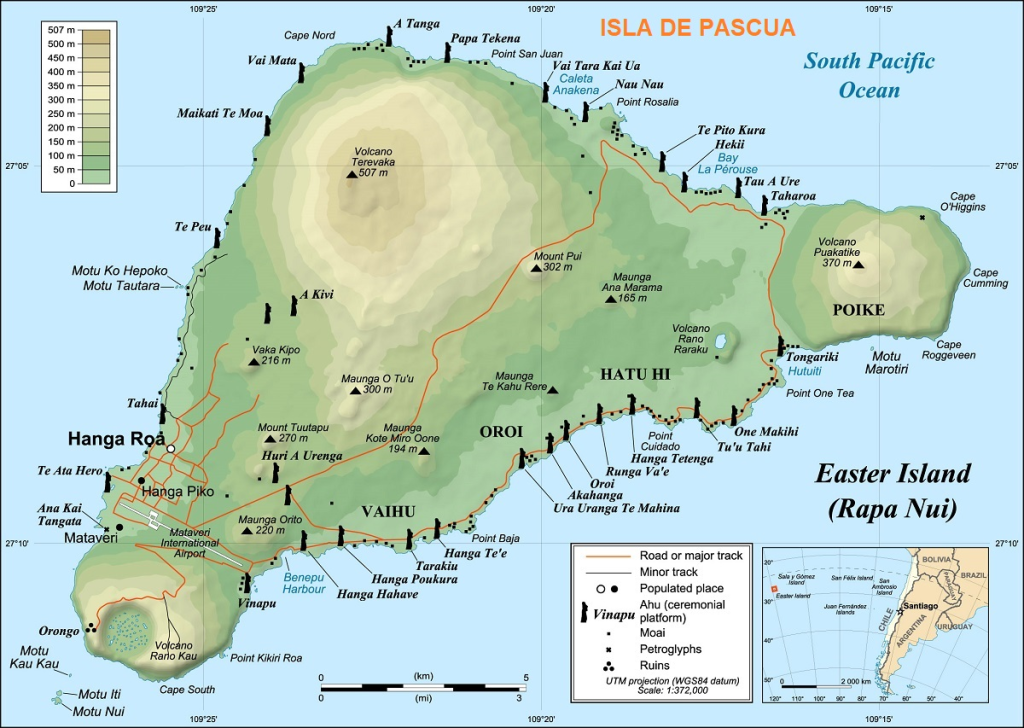
Overall Weather Overview in Rapa Nui
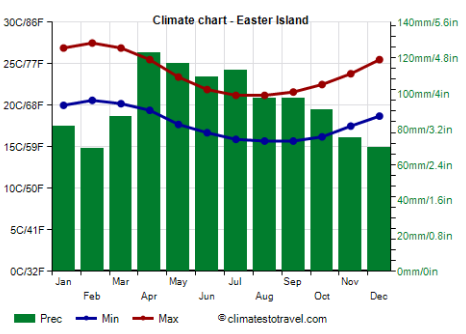
- The average annual temperature is around 20–21°C (68–70°F).
- The warmest month is usually February, with highs around 27–28°C (80–82°F).
- The coldest month tends to be August, with lows around 15–17°C (59–63°F).
- Rainfall is present year-round, but varies from month to month.
- Because of its oceanic location, weather can change within hours: sun, wind, clouds, or rain.

Weather Month by Month
January to March
These months correspond to the Southern Hemisphere summer—peak season in Rapa Nui.
- Temperatures: warm, with highs around 27–28°C (80–82°F) and lows between 20–24°C (68–75°F).
- Warm sea, sunshine, and ideal days for the beach, snorkeling, and water activities.
- Although it’s humid, the constant breeze helps keep it comfortable.
- Perfect if you’re looking for warm weather, beach time, and a lively atmosphere—but keep in mind it’s also high season.
April to May
Autumn begins, bringing milder weather and fewer crowds.
- Temperatures: highs around 24–25°C (75–77°F), lows around 18–19°C (64–66°F).
- Rain becomes more frequent, especially in May, one of the island’s rainiest months.
- A great time to explore archaeological sites, hike, and enjoy the landscapes without the intense summer heat or large crowds.
June to August
This is winter in Rapa Nui. Temperatures drop and rain increases, but conditions are still moderate compared to other destinations.
- Temperatures: highs around 20–22°C (68–72°F), lows around 15–17°C (59–63°F).
- Rain and cloudy or windy days are common.
- Ideal for travelers seeking tranquility, fewer tourists, and a slower-paced experience.
September to October
These months mark the transition from winter to spring, offering a nice balance of sunshine, mild weather, and calm.
- Temperatures: highs between 22–24°C (71–75°F), mild lows.
- Rain decreases compared to wetter months.
- Great conditions for walking, exploring, and photography.
November to December
Summer approaches: warm days and more tourist activity.
- Temperatures: highs between 24–26°C (75–79°F), pleasant lows.
- Perfect if you want a mix of good weather, nature, and the upbeat start of the season—ideal for tours, beach days, and snorkeling.
When to Visit: Depending on What You Want
For beaches and warm water
January, February, and March offer warm ocean temperatures, sunshine, and ideal beach conditions.
For fewer crowds and a calm experience
April–May or September–October are excellent: mild temperatures, fewer tourists, and a relaxed atmosphere.
For mild weather and slow exploration
Spring (September–October) and autumn (April–May) offer the best balance: comfortable climate, vibrant landscapes, and peaceful vibes.
What to Keep in Mind: Tips for Your Trip
Clothing and gear
Bring light, comfortable clothing, but also something warmer for cool evenings—especially from June to August.
A windbreaker or light rain jacket is useful because weather can shift quickly.
Sunscreen, sunglasses, a hat, and comfortable shoes are essential, especially in the warmer months.
Reservations & responsible tourism
If you visit during high season, book accommodations, flights, and tours in advance—ideal weather attracts more visitors.
Traveling in the shoulder seasons can be a big advantage: good weather + fewer tourists + better prices.
Respect the island: many archaeological areas and natural spaces are fragile. Follow local rules, schedules, and conservation guidelines.
Conclusion
Rapa Nui is a wonderful destination year-round. There’s no single “best” time—just the best time for you, depending on what you want: beaches, calm, mild weather, or adventure.
With good planning, the right gear, and the dates that fit your style, your experience on the island will be unforgettable—no matter the month.

Visiting Rapa Nui is one of the most powerful, mystical, and memorable experiences you can have. To make your trip smooth, safe, and truly meaningful, it’s essential to rely on an agency that understands the requirements, permits, routes, and all the local details.
At Easter Island Travel, we are that agency. With local expertise, certified guides, and recognition as the #1 agency on TripAdvisor, our mission is not just to take you to Easter Island… but to help you feel it, live it, and remember it forever.
#TapatiRapaNui #EasterIsland #RapaNuiCulture #CulturalFestival #PolynesianHeritage #TravelToEasterIsland #UniqueExperiences #BucketListTravel #IslandLife #FestivalVibes #Orongo #RanoKau #VolcanoViews #AncientVillage #CliffViewsRapaNui #AhuTongariki #15Moai #SunriseRapaNui #MoaiMonuments #IconicRapaNui #RanoRaraku #AnakenaBeach #TropicalParadise #AhuAkivi #Terevaka