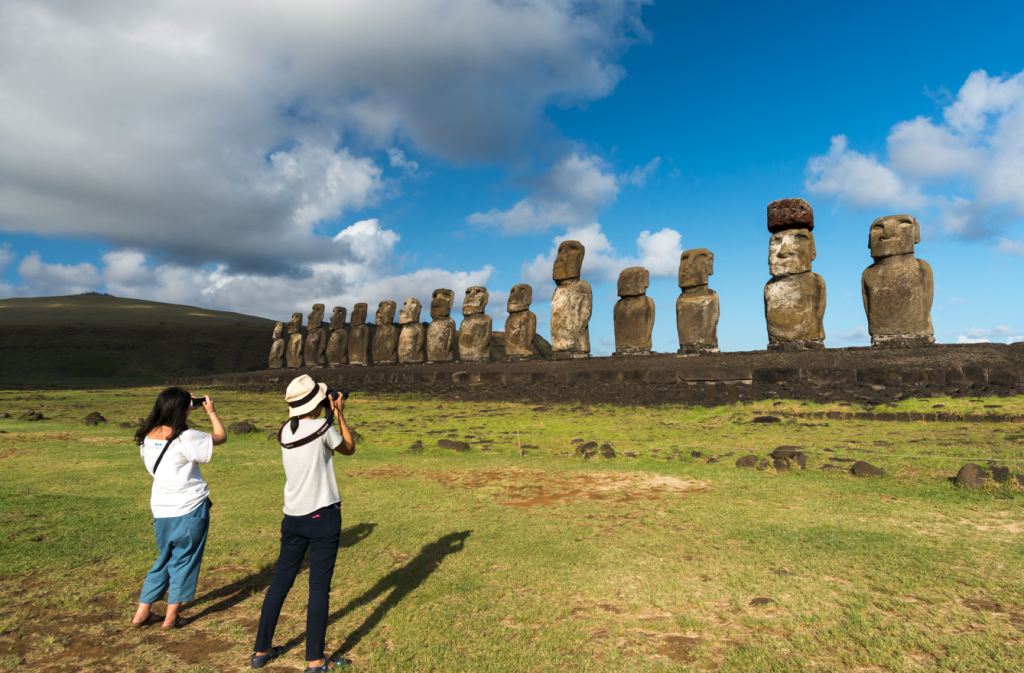

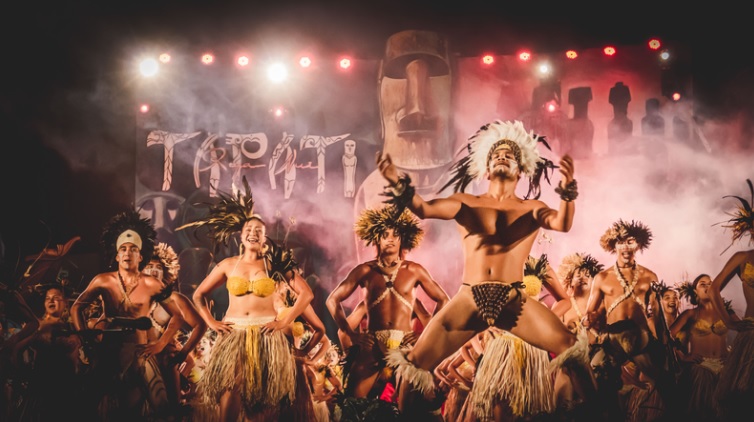
Every February, Rapa Nui (Easter Island) celebrates Tapati, one of the island’s most important cultural festivals. During this celebration, the community comes together through music, dance, artistic performances, and various competitions that test participants’ skill, endurance, and coordination.
Among the most anticipated events are the sports competitions of Tapati Rapa Nui, including Haka Pei, Tau’a Rapa Nui, Vaka Ama, and horse racing. These activities showcase different expressions of local culture and reveal how the relationship with the land, the ocean, and the community continues to shape Rapa Nui identity.
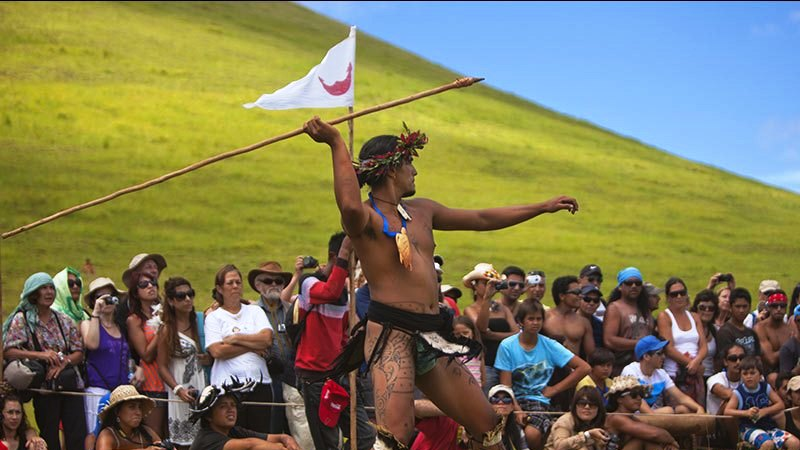
For travelers, watching these competitions offers an opportunity to experience a living culture in which traditions are passed down, reinterpreted, and shared across generations.
At Easter Island Travel, we do not organize or participate in Tapati competitions. However, our private tours with local guides offer insights into the island’s history and archaeological sites, helping visitors better understand the landscape and the traditions that remain part of everyday Rapa Nui life.
What Is Tapati Rapa Nui?
Tapati Rapa Nui is an annual cultural celebration that brings the community together around its heritage, creativity, and identity. During the festival, sports competitions, artistic performances, traditional dances, music, and other activities attract both residents and visitors.
Competitions play an important role in the celebration because they highlight physical abilities, practical skills, and community participation. However, it is important to distinguish between historical practices, traditions passed down through generations, and competitions that have developed as part of the modern festival.
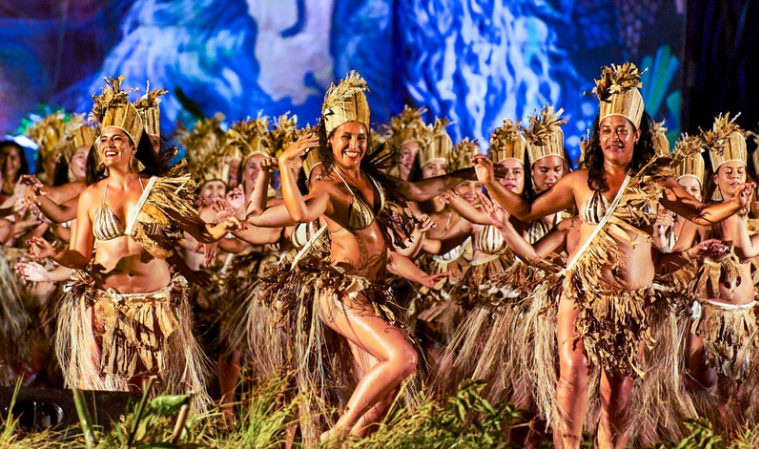
Tapati is not a static recreation of the past. It is a living cultural expression that brings together memory, adaptation, and community participation.
The values reflected in its competitions include:
- Physical endurance: The ability to take on demanding challenges.
- Skill and coordination: Essential abilities for each discipline.
- Teamwork: Particularly evident in group competitions.
- Cultural identity: Pride in Rapa Nui traditions and community belonging.
- Connection with the environment: A relationship with the sea, the landscape, and the island’s natural resources.
The Main Sports of Tapati Rapa Nui
Tapati’s sports competitions provide some of the festival’s most memorable moments. Each discipline has its own characteristics and showcases different skills among the participants.
1. Haka Pei: Courage and Speed Down a Volcanic Slope
Haka Pei is one of the most recognized competitions at Tapati Rapa Nui. Participants slide down a steep slope on a pe‘i, a traditional handmade sled constructed from bound banana stalks.
The descent requires balance, body control, physical preparation, and courage. The steep terrain and high speeds make this one of the festival’s most intense and eagerly anticipated events.
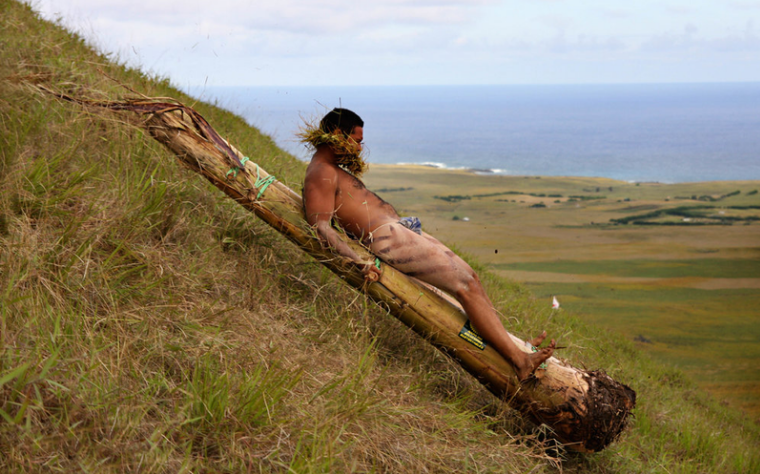
Participants may wear traditional clothing and body paint known as takona, an artistic expression associated with Rapa Nui cultural identity.
Beyond the adrenaline, Haka Pei offers an opportunity to see how a contemporary competition can bring together physical skill, cultural expression, and community pride.
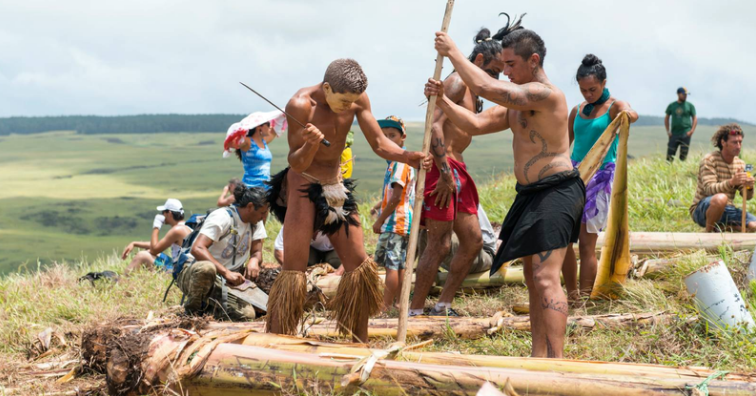
The event takes place according to the festival schedule and the safety conditions established for each edition of Tapati.
2. Vaka Ama or Hoe Vaka: Rapa Nui’s Seafaring Spirit
Vaka Ama is a form of Polynesian outrigger canoe paddling practiced in boats fitted with a stabilizing float. During competitions, participants test their endurance, coordination, and ability to work as a team.
In team races, every paddler must synchronize their movements with the others to maintain a steady rhythm and move efficiently through the water. Individual categories may also take place, emphasizing personal technique and strategy.
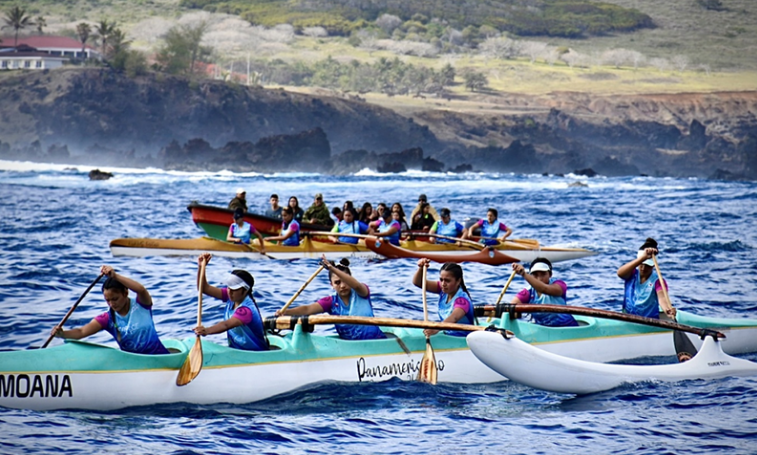
The presence of canoe paddling at the festival highlights the importance of the ocean to Polynesian peoples. Navigation, fishing, and knowledge of the marine environment have been fundamental to understanding their history and relationship with their surroundings.
In Rapa Nui, the sea is more than a geographical boundary. It is also part of the island’s cultural landscape and collective memory.
3. Tau’a Rapa Nui: Strength and Endurance in a Multidisciplinary Competition
Tau’a Rapa Nui is one of the most physically demanding competitions at Tapati. It combines different disciplines that test participants’ endurance, strength, and ability to adapt to changing physical challenges.
Activities associated with Tau’a include paddling, carrying bunches of bananas in a challenge known as Aka Venga, and swimming with traditional reed floats in a discipline called Pora.
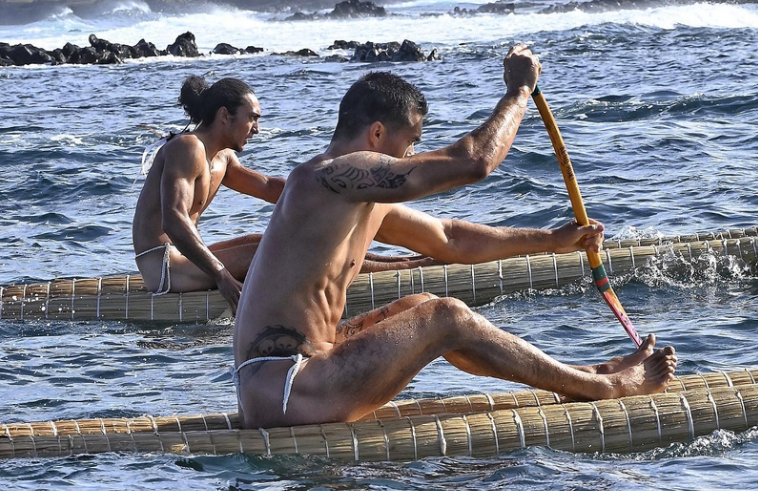
Each stage requires different abilities. Some demand strength and coordination, while others require cardiovascular endurance, balance, and careful management of physical effort.
The combination of disciplines makes Tau’a one of the festival’s most compelling competitions and showcases the participants’ athletic preparation.
The specific events and their organization may vary from one edition to another, so visitors should consult the official Tapati program before attending.
4. Ā’ati Hoi: Speed and Equestrian Skill
Horse racing, known as Ā’ati Hoi, is among the activities that bring speed and excitement to Tapati Rapa Nui.
During these competitions, riders demonstrate control, coordination, and the ability to navigate the terrain. The event also brings together spectators and families who gather to support the participants.
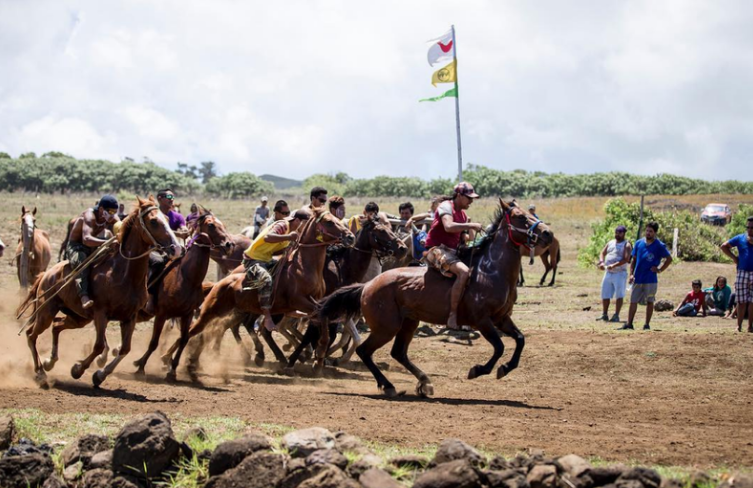
Unlike seafaring practices rooted in Polynesian history, horseback riding arrived in Rapa Nui after European contact and gradually became part of local life.
Its presence at the festival illustrates how Rapa Nui culture has also developed by adapting new practices and integrating them into its own social context.
Tapati highlights this dynamic process: a culture that maintains its identity while continuing to create new forms of expression.
What Do Tapati Sports Teach Us About Rapa Nui Culture?
The sports of Tapati Rapa Nui are more than physical competitions. They offer an opportunity to observe how a community celebrates its abilities, shares knowledge, and keeps different expressions of its identity alive.
Each competition reveals a particular aspect of the relationship between culture, territory, and community.
- Endurance and skill: Haka Pei and Tau’a demand physical preparation, control, and the ability to face challenging conditions.
- Coordination and cooperation: In Vaka Ama, performance depends on synchronization and collective effort.
- Connection with the landscape: The sea, slopes, and island terrain form part of the context in which the competitions take place.
- Tradition and adaptation: Tapati brings together cultural expressions with different backgrounds, showing how local practices continue to evolve.
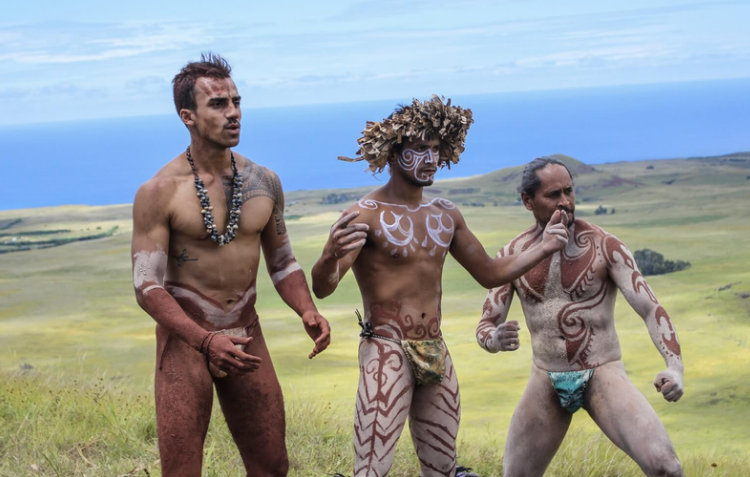
To understand these activities respectfully, it is important to listen to the Rapa Nui community and avoid attributing an ancient origin to every modern competition when historical evidence may not support that claim.
Discover Rapa Nui’s History Beyond Tapati
Although Tapati concentrates many of its activities within a specific period of the year, Rapa Nui’s history and culture can also be explored through its landscapes, archaeological sites, and ceremonial spaces.
Exploring the island with a local guide helps connect these places with oral history, social organization, and the cultural changes that have shaped the community.
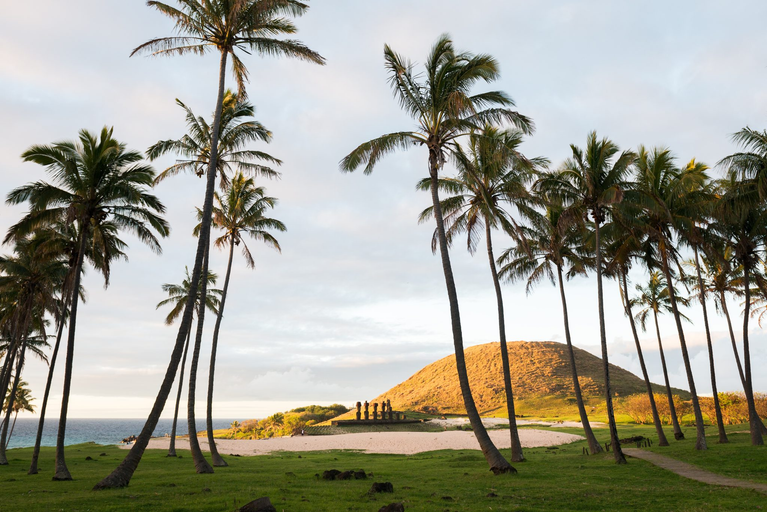
Anakena: History, Settlement, and Coastal Landscape
Anakena is one of the most important places in Rapa Nui’s cultural memory. Its beach, palm trees, and archaeological structures form a landscape associated with accounts of the island’s settlement and early communities.
During a guided visit, travelers can learn about historical interpretations of the area and explore the relationship between human settlements, the coastline, and natural resources.
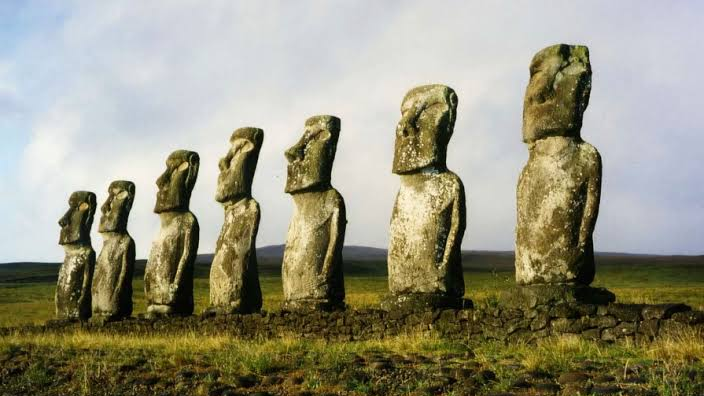
Ahu Akivi: A Ceremonial Site in the Island’s Interior
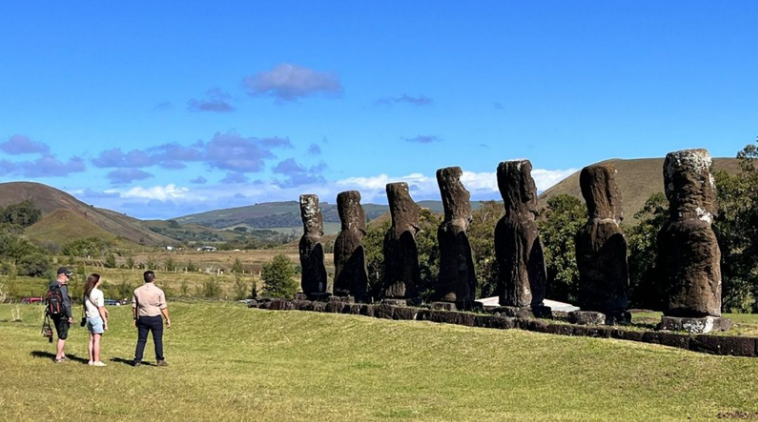
Ahu Akivi is a ceremonial complex known for its seven moai. Its inland location offers a different perspective from the archaeological sites situated along the coast.
A visit provides an opportunity to learn about the history of the ahu, the significance of the moai, and the different interpretations associated with Rapa Nui’s cultural landscape.
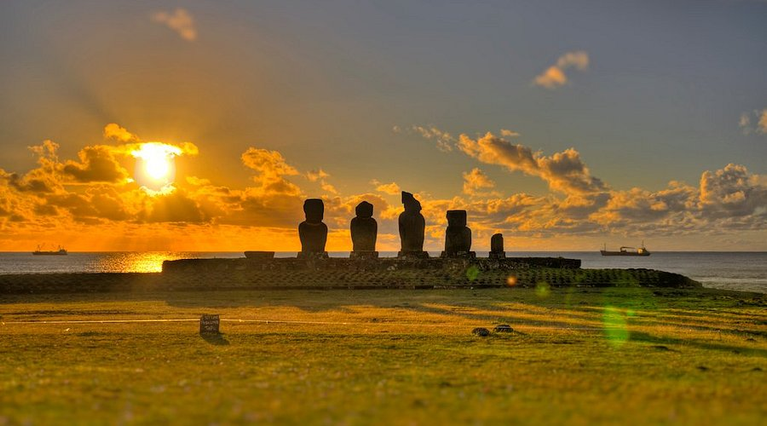
Tahai: Archaeological Heritage Near Hanga Roa
The Tahai complex contains ceremonial structures and archaeological remains close to the coastline of Hanga Roa.
It is an ideal place to understand how ceremonial spaces and settlement areas are integrated into the island’s landscape. It also offers an opportunity to discuss community life and cultural transformations over time.
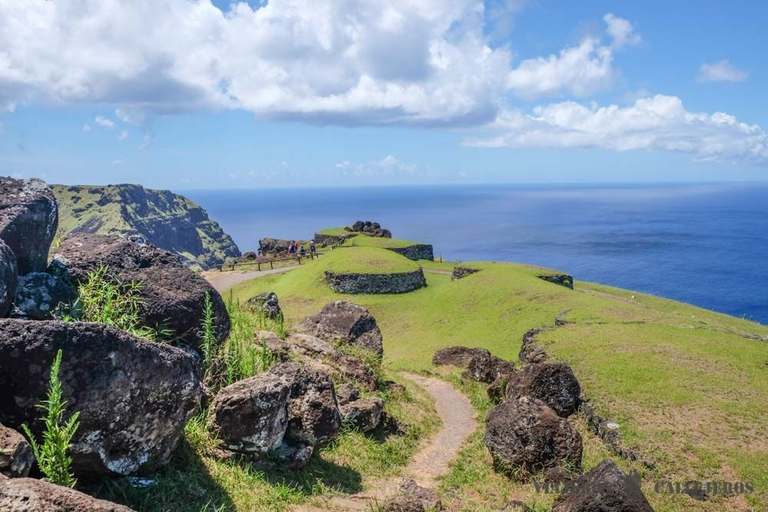
Rano Kau and Orongo: The History of Tangata Manu
The Rano Kau crater and the ceremonial village of Orongo hold an important place in Rapa Nui history.
Orongo is associated with the tangata manu, or Birdman, tradition and a ceremonial system that included a physically demanding ritual competition.
This historical context differs from that of Tapati’s contemporary sports. Nevertheless, learning about it helps visitors understand the importance of ceremonial spaces, beliefs, and ritual competitions during particular periods of the island’s history.
Access to archaeological sites is subject to current conservation regulations. Always follow the instructions of your guides and the authorities responsible for Rapa Nui National Park.
Why Explore Rapa Nui with a Local Guide?
Watching Tapati competitions can be an exciting experience. Understanding their cultural context allows visitors to appreciate them from a broader perspective.
Local guides share knowledge about the island’s history, landscape, and contemporary community life. They can also help distinguish between historical evidence, orally transmitted accounts, and contemporary interpretations of tradition.
At Easter Island Travel, we offer private tours led by expert local guides, with a personalized pace and an approach focused on the history and cultural heritage of Rapa Nui.
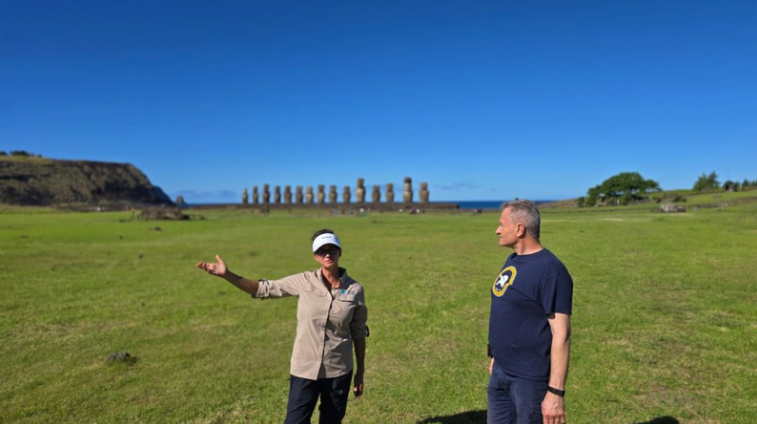
Our tours do not include or guarantee access to Tapati competitions, which are organized by the festival’s organizers. Instead, they complement a visit to the island with a deeper understanding of its historical sites and cultural landscape.
Visiting archaeological sites is important. Understanding their relationship with the land and with the people who keep their culture alive makes the experience far more meaningful.
Visiting Rapa Nui During Tapati: Travel Planning Tips
If you are planning to visit during Tapati Rapa Nui, organizing your itinerary in advance will help you make the most of your experience.
1. Book your services in advance. February is a busy travel period. Accommodation, restaurants, and tourism services may fill up quickly.
2. Check the official program. Review the dates, times, and locations of the competitions through the festival’s official channels. Schedules may change due to weather or logistical considerations.
3. Plan your tours around festival activities. If there are specific competitions you want to watch, check their schedules before arranging your island tours.
4. Follow the organizers’ instructions. Some activities have specific access and safety requirements. Follow the directions of event staff and respect areas reserved for participants.
5. Plan your archaeological visits. Check the current entry requirements for Rapa Nui National Park and review conservation regulations before traveling.
6. Keep your itinerary flexible. Tapati is a dynamic celebration. Leaving some free time between activities will help you adapt to schedule changes and enjoy the experience without rushing.
For up-to-date information, consult the official Tapati Rapa Nui and Rapa Nui National Park channels. Programs from previous editions may provide background information but should not be treated as the current schedule for future events.
You can also consult the Tapati 2026 program PDF as a historical reference for that edition, rather than as a current schedule.
Local guides also help distinguish between ancestral traditions and modern adaptations, allowing visitors to appreciate Tapati with respect and understanding rather than surface-level interpretation.
For travelers seeking authentic, conscious, and culturally respectful experiences, exploring the island with local guides is essential. At Easter Island Travel, our private tours prioritize this approach: small groups, personalized pacing, and expert guidance that turns each journey into a meaningful experience—not just a sightseeing trip.
Experience Tapati Rapa Nui Through Its Culture
The sports of Tapati Rapa Nui reflect a living culture that takes pride in its roots while continuing to evolve. From the speed of Haka Pei to the coordination of Vaka Ama and the endurance required by Tau’a, each competition offers a way to connect with different expressions of local identity.
If you visit during the festival, combine the scheduled activities with time to explore the island’s landscapes and discover the history of its archaeological sites.
At Easter Island Travel, we help you explore Rapa Nui through private tours led by local guides, offering a deeper understanding of the cultural heritage and landscape that make the island unique.
Discover our private tours in Rapa Nui and plan a cultural experience tailored to your interests.