Rapa Nui, also known as Easter Island, is famous around the world for its monumental stone statues. But for us at Easter Island Travel, the moai are much more than an archaeological mystery. They represent our ancestors, our connection to the past, and a living part of the island’s history and culture.
We invite you to pause for a moment and discover the story behind these monumental figures that stand across Rapa Nui, Chile, and learn why they remain one of the most powerful cultural symbols in the Pacific.
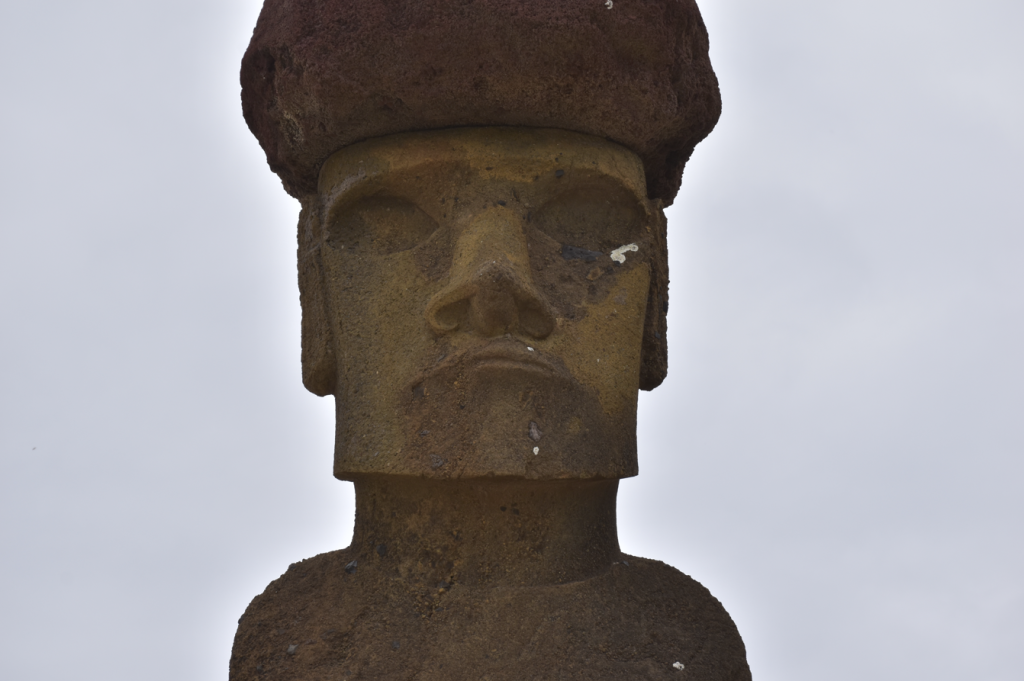
Moai of Rapa Nui: The Living Face of the Ancestors (Aringa Ora o te Tupuna)
Rapa Nui is known worldwide for its impressive moai statues, but for those of us who live on the island, they represent much more than ancient sculptures. In the Rapa Nui tradition, they are known as “Aringa Ora o te Tupuna,” meaning “the living face of the ancestors.” This concept reflects the way these monumental figures kept the memory of those who guided the community alive and honored the history of each lineage.
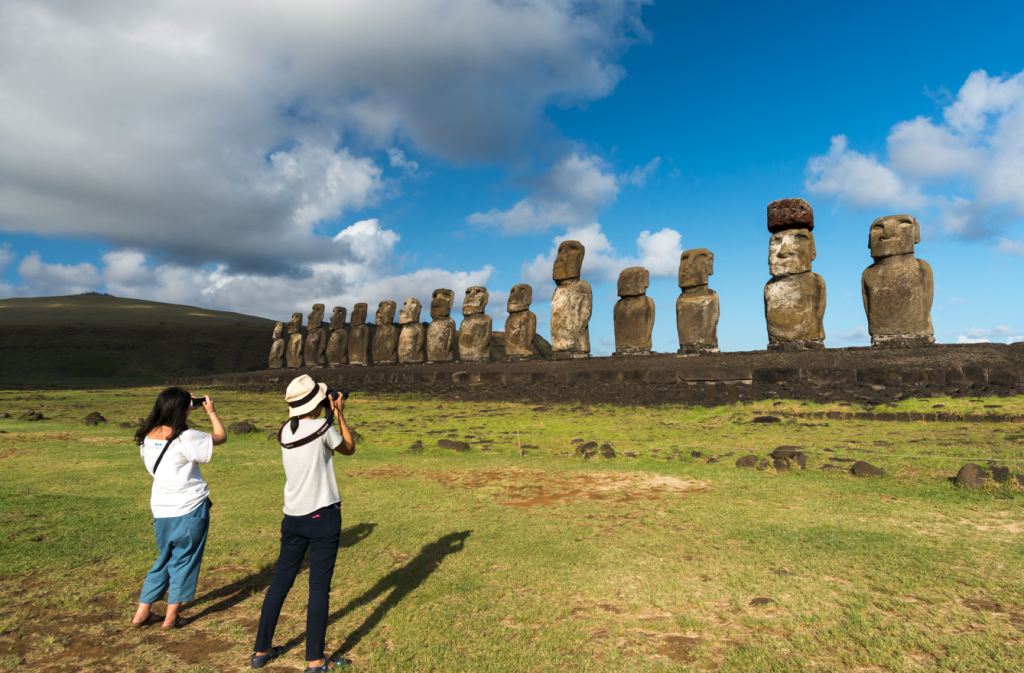
Across the island, many moai stand on ahu, ceremonial stone platforms, where the ancestors symbolically continue to accompany their people. In Rapa Nui culture, the moai are not simply monuments. They are part of a living history connected to spirituality, social organization, and the identity of the island.
At Easter Island Travel, we love sharing this story in a close and respectful way. When you explore Rapa Nui with a local guide, the moai become much more than statues: they become a gateway into the island’s culture, archaeology, and traditions.
Visiting Rapa Nui is not simply about seeing moai around you. It is about connecting with the living memory of an ancestral culture.
Moai in Numbers: Key Facts About These Ancient Monuments
The moai of Rapa Nui are among the most extraordinary sculptural achievements of the ancient world. Around 1,000 moai have been documented across Rapa Nui, found in different states of preservation and completion.
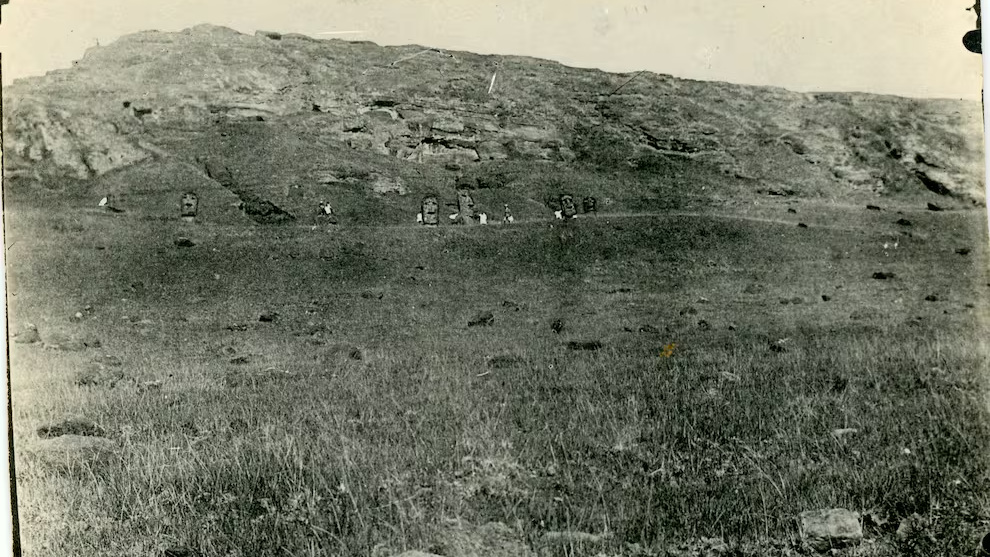
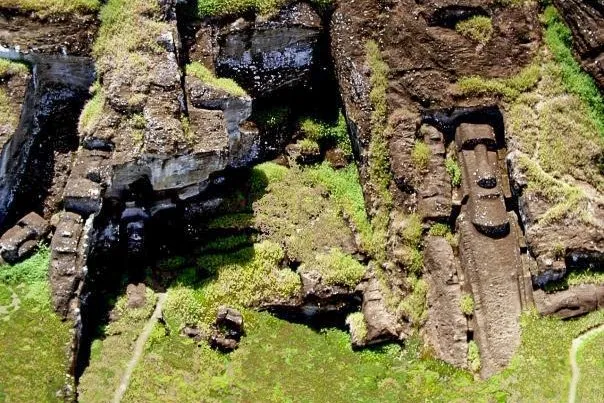
Some stand upright on ahu, while others remain along ancient transportation routes. Many can still be found on the slopes of Rano Raraku, the volcanic quarry where most of the statues were carved. Archaeological studies conducted since the 20th century by researchers including William Mulloy, Jo Anne Van Tilburg, and Sergio Rapu have helped reconstruct much of the technical and cultural history of these remarkable sculptures.
Material and Carving Process
Approximately 95% of the moai were carved at Rano Raraku, using volcanic tuff, a rock formed from compacted volcanic ash. This material was relatively soft when extracted, making it possible to work with stone tools.
Rapa Nui sculptors used toki, stone chisels made primarily from basalt, to slowly shape each figure directly into the volcanic rock. Once the front of the moai was completed, the statue was separated from the bedrock and its back was finished before it was prepared for transportation to its final destination.
Size and Weight
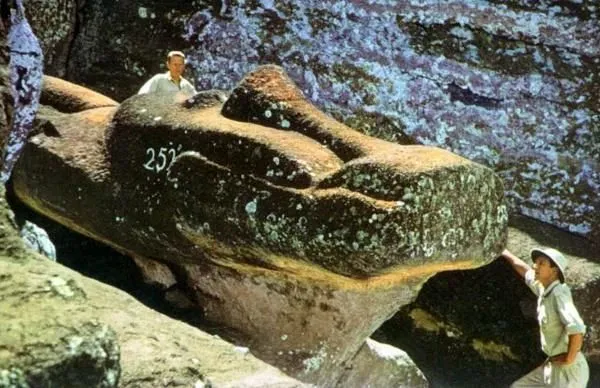
Moai vary considerably in size. The average statue stands between 4 and 6 meters tall and weighs between 10 and 20 tons. However, some examples are considerably larger.
The tallest erected moai exceed 10 meters in height, while the heaviest statue placed on a ceremonial platform — located at Ahu Tongariki — is estimated to weigh around 86 tons.
At Rano Raraku, there is also an unfinished moai known as “El Gigante” (Te Tokanga). Had it been completed, it would have reached more than 20 meters in height, demonstrating the extraordinary ambition of ancient Rapa Nui sculptors.
The True Meaning: “Aringa Ora,” the Living Face
If you want to understand the meaning of the moai, this is one of the most important concepts to know.
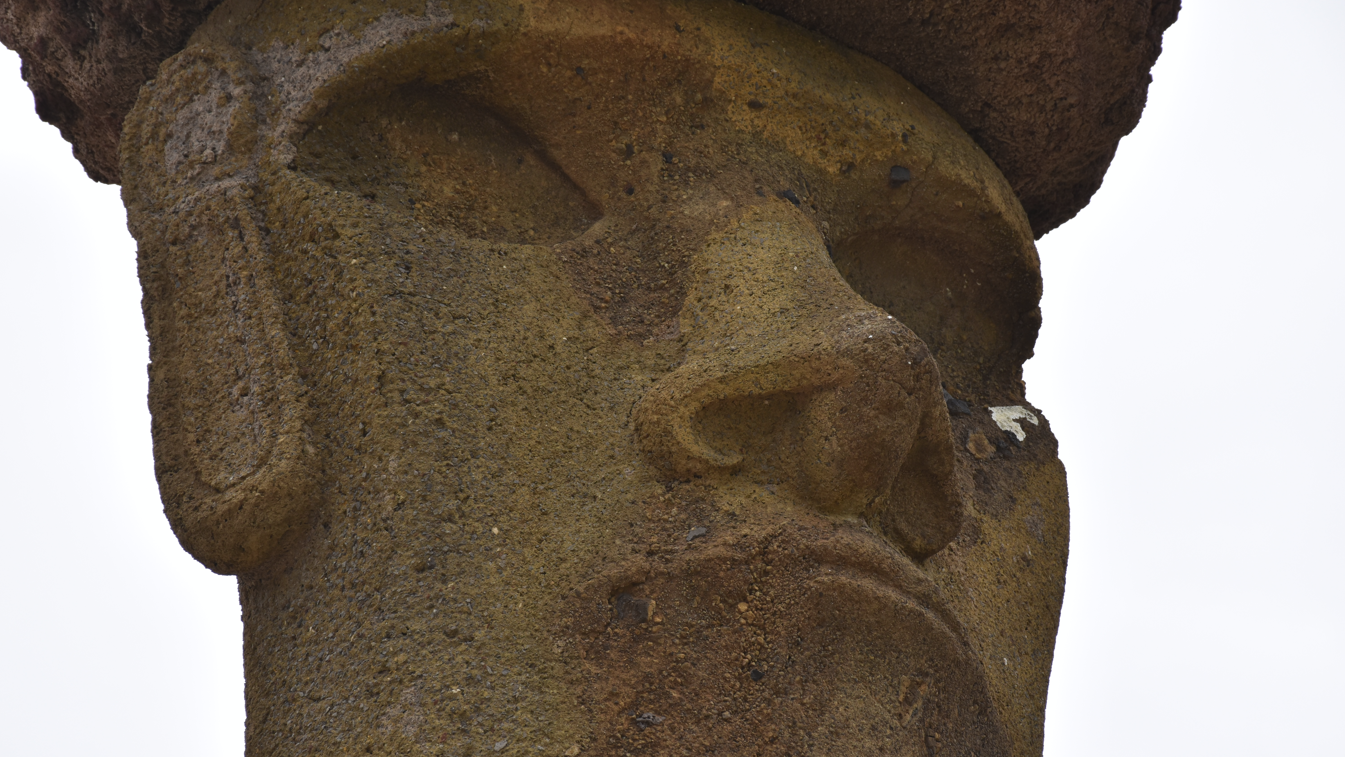
In Rapa Nui tradition, the moai represent far more than monumental sculptures. The expression “Aringa Ora o te Tupuna” can be translated as “the living face of the ancestors.” According to oral traditions recorded by researchers and local elders, each moai represented an important ancestor of a particular lineage.
After the death of a respected leader or high-ranking person, a moai could be erected in their honor. It was believed that their mana, the spiritual energy inherited from the ancestors, continued to protect the community through the statue.
From their ceremonial platforms, the moai symbolically watched over families, agricultural lands, and the territories of each clan.
A Secret Beneath the Ground: The Body of the Moai
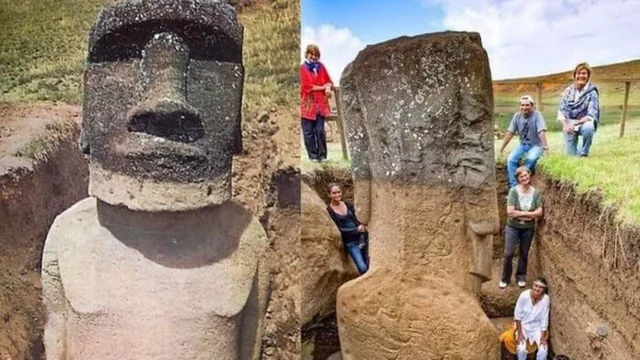
For many years, the rest of the world popularized the idea that Rapa Nui was home to giant “stone heads.”
In reality, every moai has a full body.
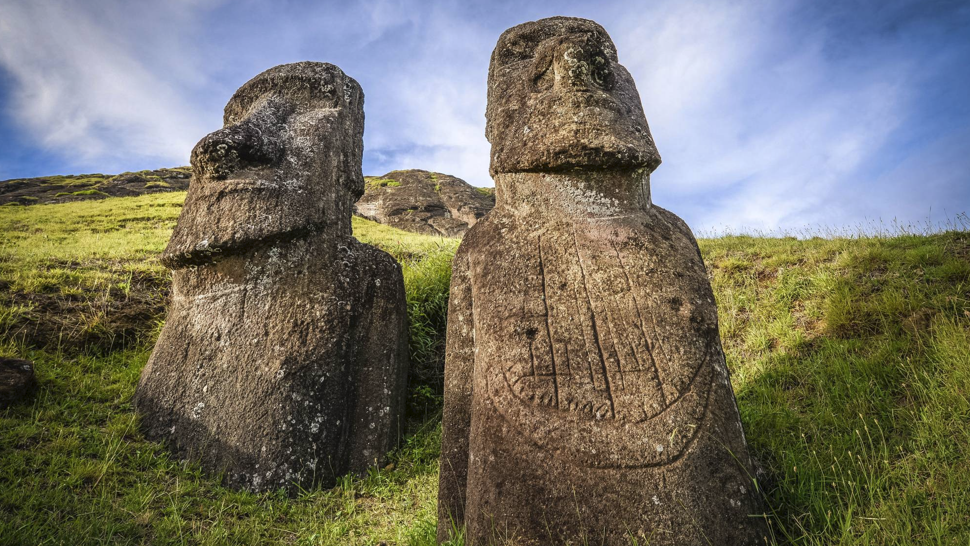
At places such as Rano Raraku, many statues appear to be only heads because volcanic soil and sediment gradually covered much of their bodies over the centuries. Archaeological excavations at the site have revealed fascinating details, including long arms attached to the torso, hands resting delicately on the abdomen, and in some cases petroglyphs carved into their backs, representing symbols associated with lineages and spiritual beliefs.
The Sacred Gaze: Why Most Moai Face Inland
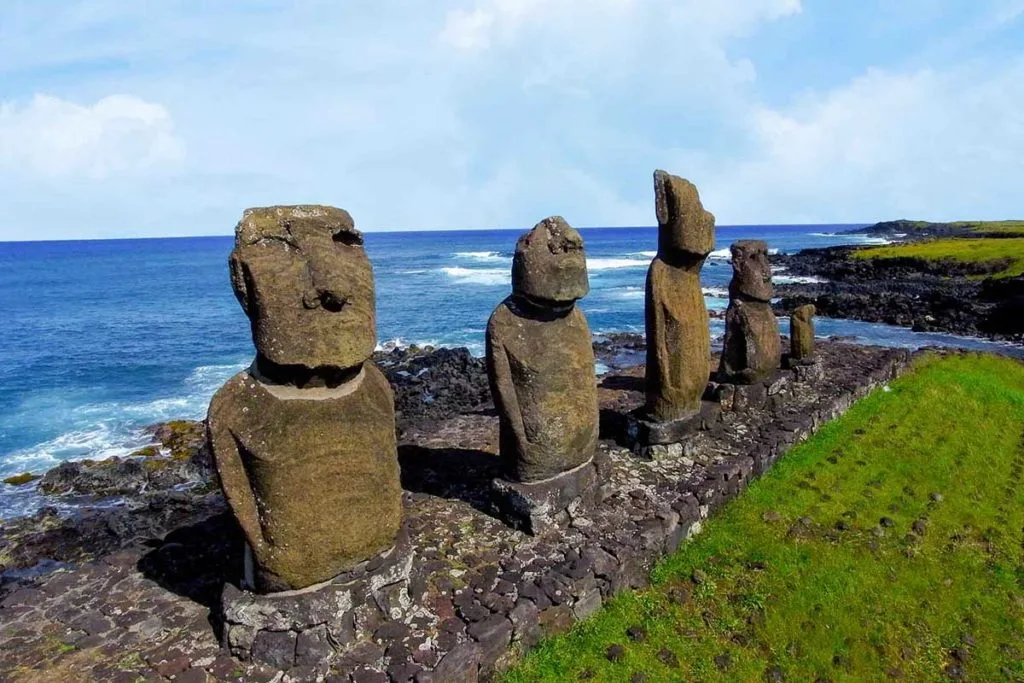
One of the first details visitors notice is that most moai turn their backs to the ocean. At coastal ahu, the statues generally face toward the interior of the island.
This orientation reflects their spiritual role. The moai represented ancestors who protected their descendants, watching over villages, agricultural fields, and clan territories. Rather than guarding the sea, their gaze was directed toward the community they were meant to protect.
There is, however, one famous exception: the seven moai of Ahu Akivi. Located inland, they are the only statues that face toward the ocean. Different archaeological interpretations and local traditions suggest that they may be connected to ancestral navigators or to a particular astronomical alignment.
The Awakening: The Coral Eyes
For the ancient Rapa Nui people, a moai was not considered completely “alive” while it remained in the quarry or during transportation.
The most important moment came after the statue had been placed on its ahu, when a final ceremony took place: the installation of the eyes.
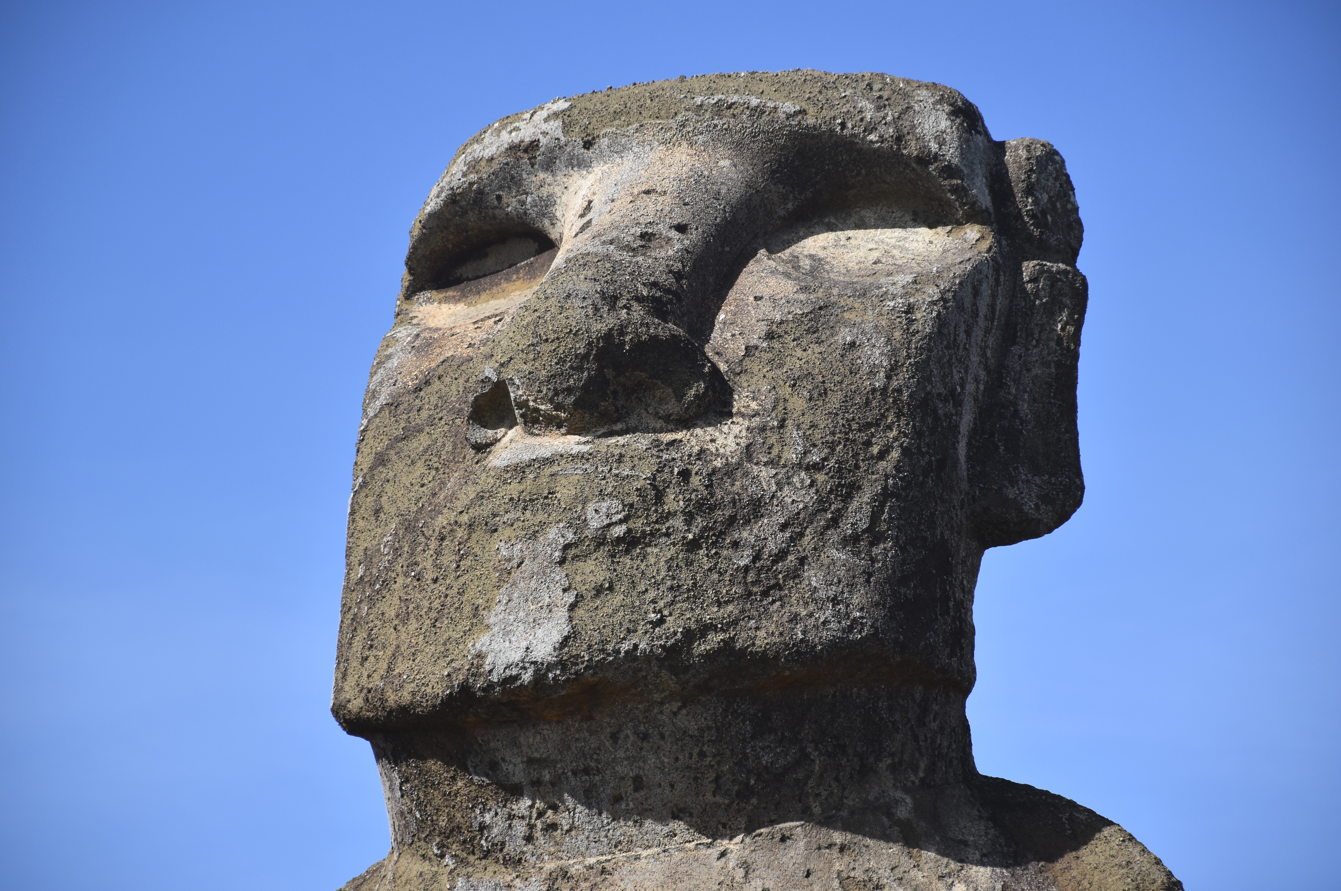
These eyes were made from white coral, with pupils of obsidian or red scoria. Once they were placed, the moai was believed to “awaken” and begin channeling the mana of the ancestor it represented.
Today, visitors can see a restored example at the Tahai ceremonial complex, where Ahu Ko Te Riku displays restored eyes that help us imagine how these statues originally appeared with their complete eyes.
How Did These Giants Move? Mana and the “Walking” Moai
One of the most fascinating questions surrounding Rapa Nui archaeology is how the ancient Rapa Nui people transported moai weighing tens of tons from the quarry at Rano Raraku to their ceremonial platforms, sometimes several kilometers away.
For many years, researchers proposed different theories, including wooden sleds, rollers, and large teams of people pulling the statues. More recent experimental research by archaeologists such as Terry Hunt and Carl Lipo has demonstrated that many moai could have been moved upright using ropes and a controlled side-to-side rocking motion that allowed them to advance step by step, almost as if they were “walking.” This technique is consistent with the shape of the statues’ bases and the ancient ceremonial roads that can still be seen across the island.
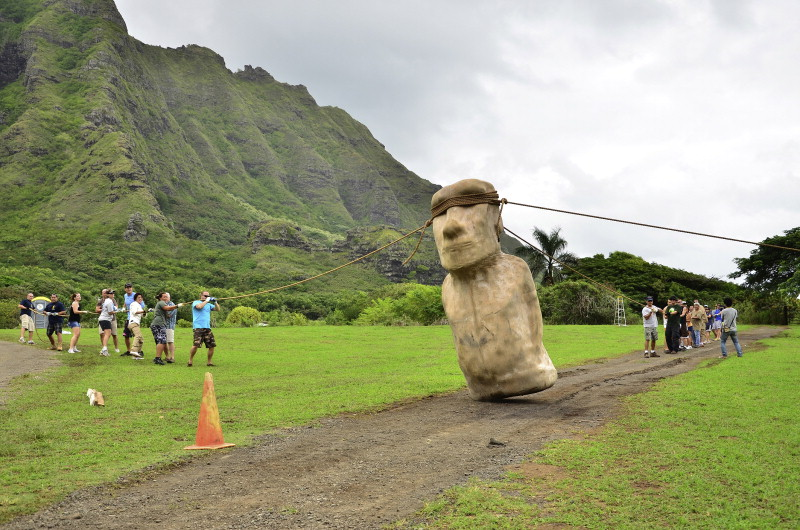
What makes this even more fascinating is how this scientific explanation connects with Rapa Nui oral tradition. Elders on the island have long said that the moai “walked” to their destinations through the power of mana, the spiritual force inherited from the ancestors.
According to these traditions, priests and clan leaders channeled this sacred power through ceremonies and ritual chants, symbolically guiding the moai toward their ahu.
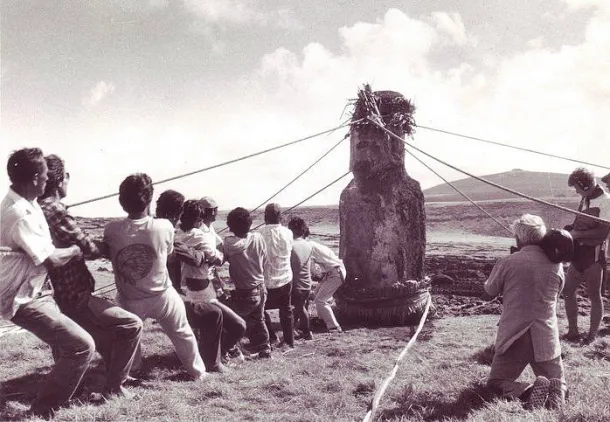
For Rapa Nui culture, mana is the spiritual energy that connects ancestors with the living world. Transporting and installing a moai was therefore not simply an engineering achievement. It was also a deeply ritual and communal act, bringing together members of the clan and combining technical knowledge, social organization, and spiritual beliefs.
Today, as you walk along the island’s ancient paths and see moai scattered across the landscape — some standing, others fallen or abandoned during transportation — it becomes easier to imagine this extraordinary process.
These statues were never simply blocks of stone. They represented the living presence of the ancestors, symbolically moving toward the places where they would continue to protect their people through their mana.