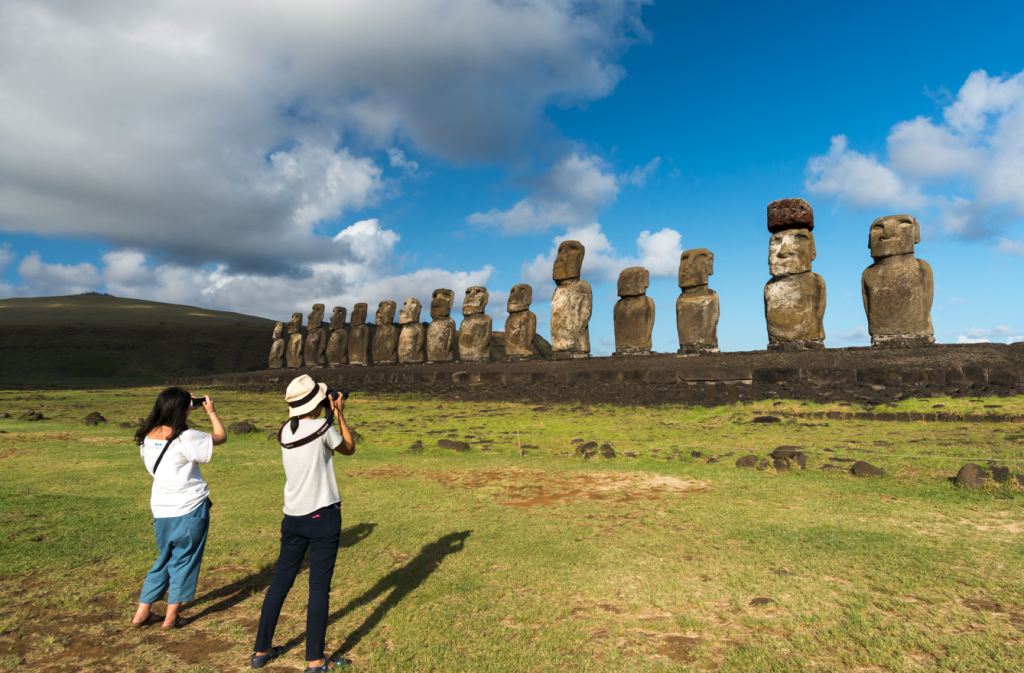

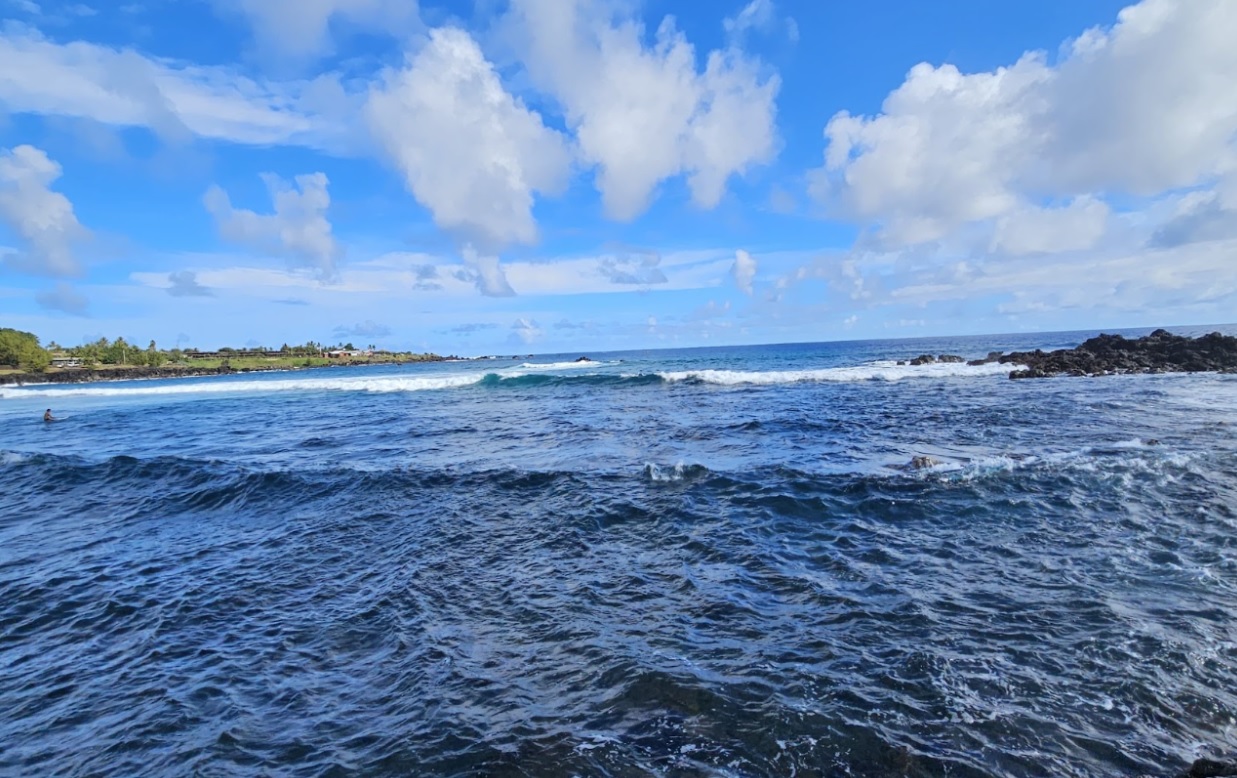
Surfing in Rapa Nui (Easter Island) has one advantage no other destination can copy: swells travel thousands of miles across open ocean to get here, with no continental shelf to slow them down and no other islands to mess them up. Rapa Nui is the most isolated inhabited place on Earth, and its coastline catches that energy almost completely intact.
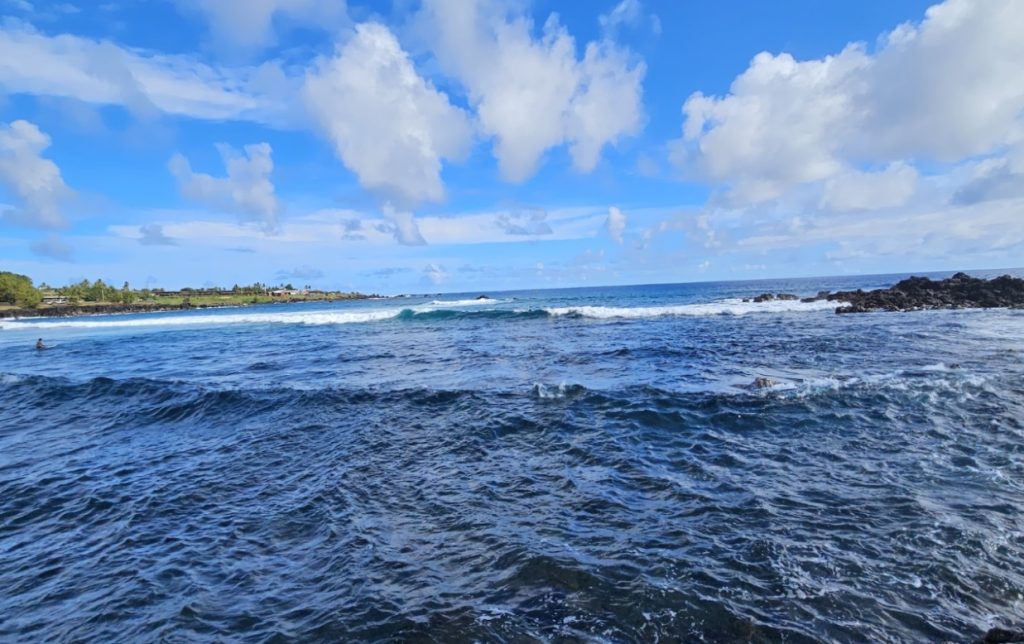
As a result, surfing in Easter Island means powerful waves, warm water year-round, and lineups where you’ll rarely find more than six people. It also means a volcanic rock seafloor that doesn’t forgive misread waves.
This guide brings together everything you need to know before paddling out: when the different coasts work, what water temperatures to expect, the best times of day to paddle out, where competitions take place, and who the latest champions are.
Why Surfing in Easter Island is Different
Anyone who comes to Surfing in Rapa Nui (Easter Island) finds themselves in a 163 km² territory rising completely alone in the middle of the South Pacific. There are no barriers to shape or soften the swell. Southern and southwestern swells hammer the cliffs and reefs with all their raw energy, which is why a six-foot wave here hits much harder than a six-foot wave on mainland Chile’s coast.
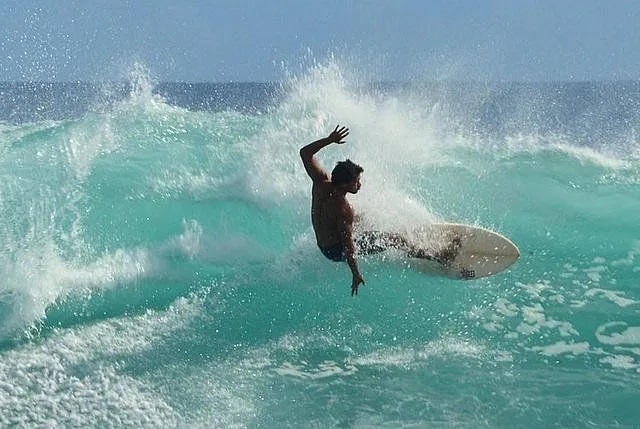
Almost all the breaks have volcanic rock or coral bottoms. There are very few sandy stretches—just Anakena and Ovahe in the north. The rest is sharp, living rock full of sea urchins.
Consistency is high year-round, with average swells close to six feet and windows that bring in much bigger waves. Surfing in Easter Island is never about a single season, but rather about which coast is firing on any given day.
Best Seasons for Surfing in Easter Island
Surfing in Rapa Nui (Easter Island) is driven by two distinct swell engines, each lighting up a different coast. Understanding this is worth more than any calendar.
Southern Winter: April to October
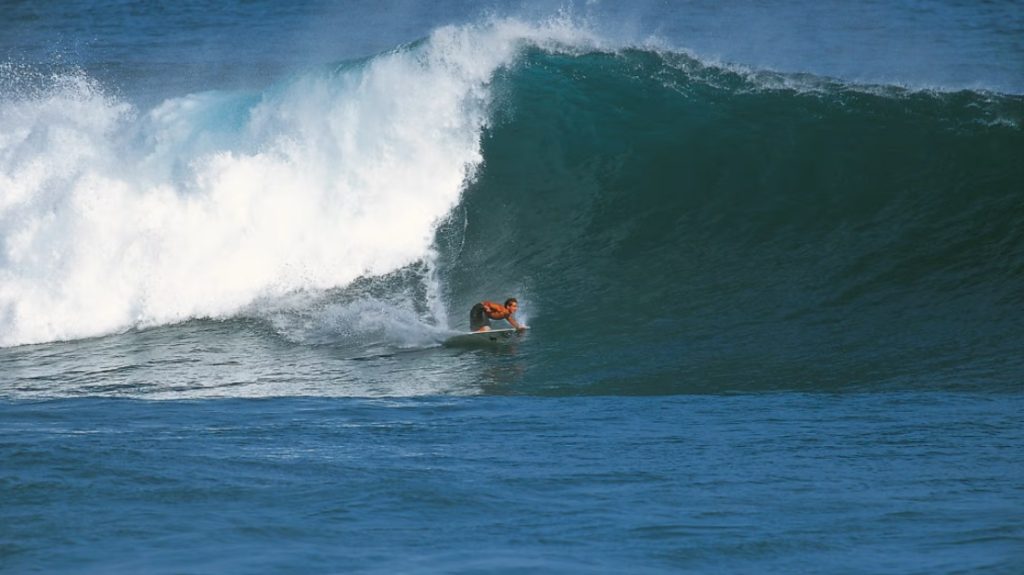
This is the season for south and southwest swells. Storm systems forming between New Zealand and Antarctica send long, clean groundswells toward Rapa Nui’s south and southwest coasts.
During this window, spots like Mataveri, Papa Tangaroa, Hanga Nui, Vaihu, and Pakaia come alive. These are the island’s serious breaks, all meant for advanced surfers. When a north wind blows, they turn offshore and absolute perfection.
If you’re looking for big-wave surfing in Easter Island with plenty of heavy water, this is the time. It’s also when the water is coolest and visitor numbers drop.
Southern Summer: November to March
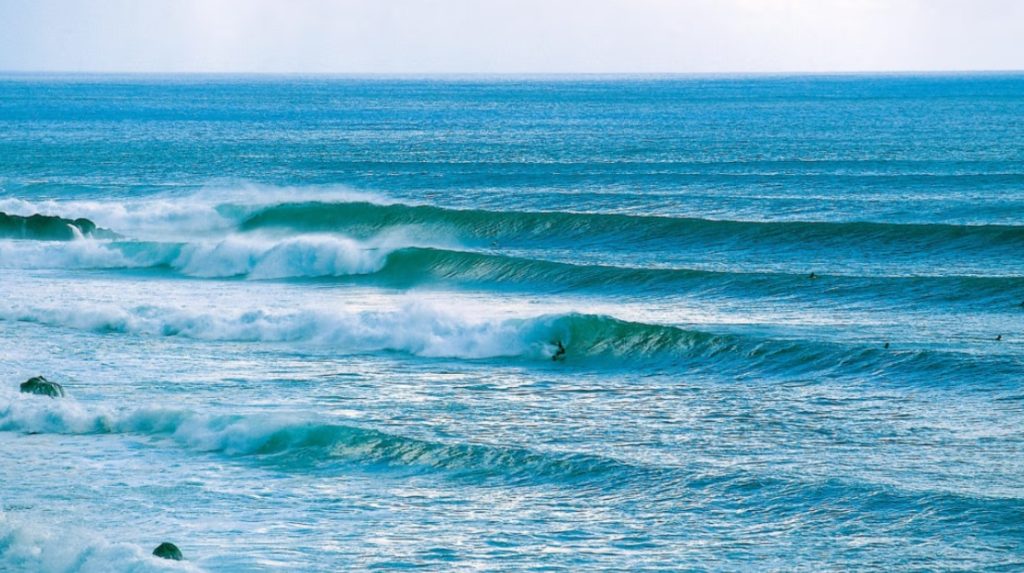
The southern swell loses steam, and the southern coast breaks wake up small or flat. The action shifts north: Anakena and Ovahe start catching northwest swells, and with a southeast wind, they turn offshore.
This is the best season for anyone just starting out with surfing in Easter Island. Conditions in front of Hanga Roa are much more manageable, surf schools are fully operational, and the water temperatures push past 24 °C (75 °F).
Quick Summary by Goal
| Goal | Months | Working Coast |
|---|---|---|
| Big, powerful waves | April to October | South and southwest |
| Learn or progress | November to March | West and north |
| Competitions | October to December | Motu Hava, Hanga Roa |
| Fewer crowds in the water | May to August | The entire island |
Water Temperatures for Surfing in Easter Island, Month by Month
The water in Rapa Nui never drops below 20 °C (68 °F). That’s one of the massive perks of surfing in Easter Island compared to any spot on mainland Chile, where the Humboldt Current forces you to wear a thick wetsuit year-round.
| Month | Average Sea Temperature |
|---|---|
| January | 24.7 °C (76.5 °F) |
| February | 25.4 °C (77.7 °F) |
| March | 25.3 °C (77.5 °F) |
| April | ~24 °C (75 °F) |
| May | ~23 °C (73 °F) |
| June | ~21.5 °C (70.7 °F) |
| July | 20.9 °C (69.6 °F) |
| August | 20.5 °C (68.9 °F) |
| September | 20.6 °C (69 °F) |
| October | ~21 °C (70 °F) |
| November | ~22 °C (72 °F) |
| December | ~23.5 °C (74.3 °F) |
What Wetsuit to Bring
- December to April: A rash guard or shorty wetsuit is plenty.
- May to November: A 2/2 mm or 3/2 mm wetsuit will keep you comfortable through long sessions without getting cold.
Booties (reef boots) are the one item people forget most often and miss the most. At almost every spot, you’ll be walking in and out over sharp rock covered in sea urchins.
Best Times of Day for Surfing in Easter Island
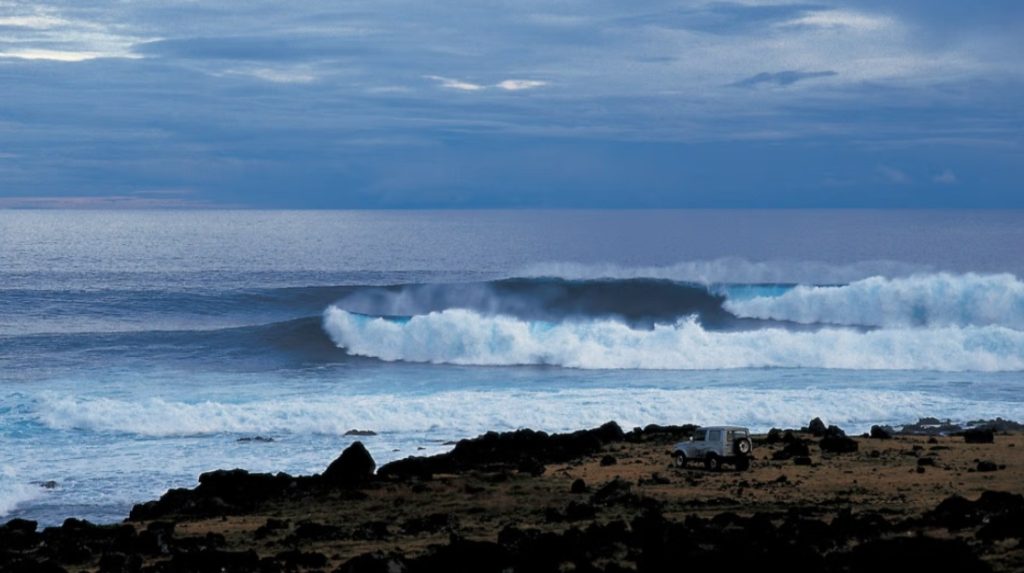
When surfing in Easter Island, the wind calls the shots. Easterly trade winds dominate, blowing offshore on the west coast and cleaning up the Hanga Roa breaks. When the wind shifts north, the south coast spots clean up nicely.
- Dawn (06:00 to 09:00): The best window of the day. The thermal wind hasn’t kicked in yet, the ocean is glassy, and the lineup is empty. If you can only surf once a day, make it early.
- Mid-morning (09:00 to 12:00): Still a great time, especially between April and September when the sun warms things up a bit later. This is the usual slot for beginner lessons in Hanga Roa bay.
- Midday and early afternoon (12:00 to 16:00): The wind usually picks up and messes up the surface. Good time to rest, grab a bite, and check the forecast.
- Sunset (16:00 to 19:00): The wind drops again, and plenty of afternoon sessions are saved right here. Watch the light: the island doesn’t have a long twilight, and it gets dark fast.
A practical tip: Rapa Nui has a small tidal range, so tides matter less here than at other destinations. What really defines your session is the swell direction crossing paths with the wind.
The 10 Surf Spots in Easter Island
For Beginners
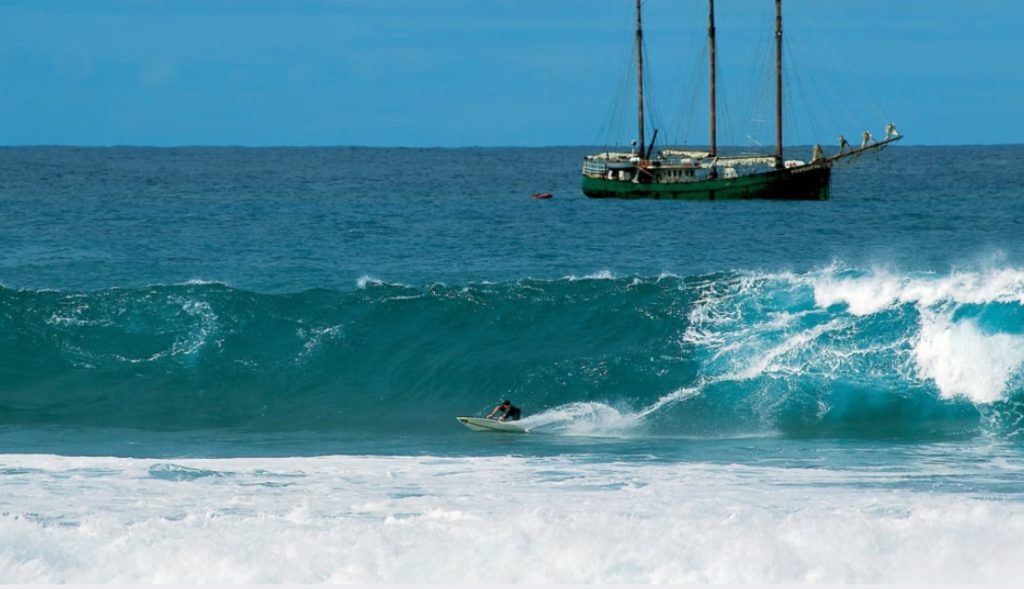
- Papa: West coast, right next to Hanga Roa. The safest option on the island, with waves up to three meters (10 feet) on big days, but friendly sections when it’s small. Rock bottom.
- Pea: The bay right in front of town. Protected waters—this is where surf lessons run for kids and adults starting from scratch.
Intermediate Level
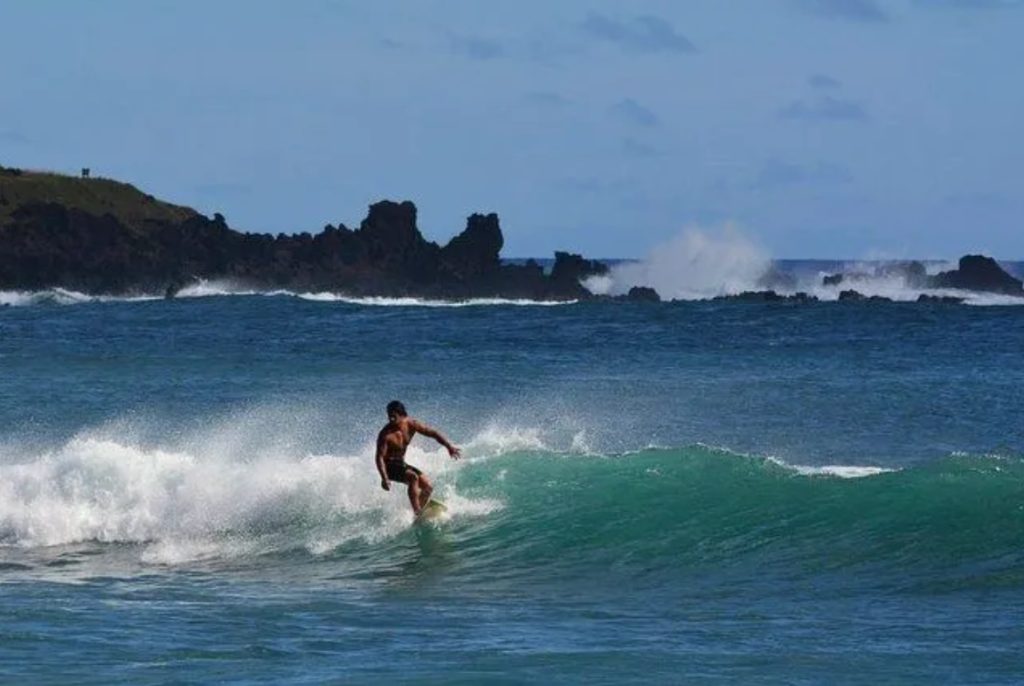
- Hava: 150 meters north of Papa. It catches more size (up to five meters / 16 feet) and has sharp rock all around. Right in front of it is Motu Hava, the wave used for competitions.
- Tahai: Northwest sector of Hanga Roa. Works with a northwest swell and southeast offshore wind, with the moai statues standing in the background.
Advanced Only
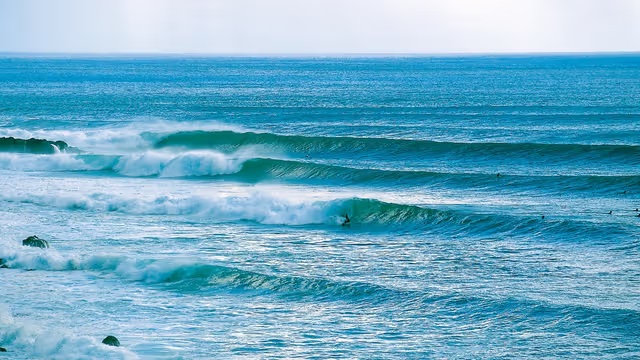
- Mataveri: Right next to the airport. A hollow, powerful left point break over a reef. The most cited wave for experienced surfers in Easter Island.
- Papa Tangaroa: Vinapu sector, in the southwest. An exposed reef with tricky access.
- Hanga Nui: Poike Peninsula, southeast coast, right in front of Tongariki. A reef break that wakes up with a southern swell.
- Vaihu and Pakaia: Southern coastline, isolated with nobody else around. Don’t surf here alone.
- Anakena and Ovahe: The two sandy beaches in the north. They work during the southern summer with northwest swells.
At all reef breaks, it’s best to paddle out with someone who knows the exit channel. No one will see you from shore if something goes wrong on the south coast.
Competitions: From the 2013 Debut to the Rapa Nui Pro
Surfing in Easter Island came late to formal competition, even though locals have been sliding down waves long before any federation existed.
- 2013: The First National Circuit on the Island. Between October 8 and 12, Rapa Nui hosted the sixth leg of Chile’s National Surf Circuit. It went down at Motu Hava with over a hundred competitors, following stops in Arica, Iquique, La Serena, Maitencillo, Viña del Mar, and Pichilemu.
- Haka Honu Rapa Nui Surf Festival. Organized by the Rapa Nui Surf Club alongside the Maritime Governorate, it blended cinema, photography, and beach cleanups. Its third edition took place in October 2012 at the Tongariki Cultural Center.
- 2025: The Return of the Rapa Nui Pro. On December 8 and 9, 2025, the island welcomed back competitions after a five-year hiatus. It was the eighth and final stop of the Chilean Surf Circuit, featuring over five million pesos in prize money and an ancestral ceremony with hoko and akuru to kick off the event, organized by the Rapa Nui Sports and Recreation Corporation.
The Latest Champions
Wrapping up the 2025 circuit at Motu Hava left us with these results:
| Category | Champion | Origin |
|---|---|---|
| Open Men | Roberto Araki | Rapa Nui |
| Open Women | Gracia López | Puertecillo |
| Master Men | Fernando Zegers | Cachagua |
| Master Women | Izka de la Sotta | Papudo |
| Junior Men | Martín Canevaro | Puertecillo |
| Junior Women | Gracia López | Puertecillo |
| Under-16 Boys | Andrés Majluf | Puertecillo |
| Under-16 Girls | Alonsa Estobar | Arauco |
This was the best recent showcase for surfing in Easter Island. The men’s Open podium was rounded out by Nicolás Undurraga from Maitencillo and Maximiliano Cross. In the women’s Open division, local surfer Pomare Tepano took third place.
Having a Rapa Nui surfer win the event on his home wave carried massive local weight. Roberto Araki came off a strong year on the circuit and wrapped up the season right at home, in front of his people.
Where to Surf and Rent Gear in Rapa Nui?
If you love surfing but arrived in Rapa Nui without your board, wetsuit, or gear, you don’t have to miss out on the experience. There are local alternatives on the island where you can take lessons, rent equipment, and hit the water alongside people who know the local conditions inside and out.
Vai Manu Escuela de Surf
Located at Policarpo Toro s/n, right across from Hanga Roa Otai Cove, Vai Manu offers surf lessons for all ages and experience levels. You can choose between small group lessons (capped at five students per instructor) or a private, one-on-one session.
The lessons are designed so you can enjoy Rapa Nui’s ocean even if it’s your very first time on a surfboard. Plus, the school rents out boards and wetsuits, meaning you can travel to the island without hauling your own gear. They also offer equipment repair services—a handy option if you’re an experienced surfer and need to fix a ding during your trip.
Vai Manu also features Café Vai Manu, where you can grab fresh fruit juices, homemade yogurt and granola fruit bowls, açai, traditional banana poe, and vegetarian menu options.
- Location: Policarpo Toro s/n, right across from Hanga Roa Otai Cove.
- Hours: Tuesday to Sunday, 10:30 AM to 7:30 PM (Extended to 9:00 AM – 9:00 PM from October to March).
- Phone: +56 9 9073 4760.
- Services: Group and private lessons, board and wetsuit rentals, equipment repair.
Hahave Rapa Nui
Hahave Rapa Nui is a small surf school located at Te Pito o Te Henua s/n, near Hanga Roa Otai Cove—an area the school highlights as a great spot to learn.
Their lessons are exceptionally personalized, working with a maximum of two students per class. They last about two hours and include all necessary gear. The basic requirement is knowing how to swim or float, and they teach both adults and kids starting from age five.
The school operates year-round and is run by its owners. Aside from surf lessons, Hahave Rapa Nui rents out surfboards, bodyboards, and kayaks, making it a solid choice if you already know how to surf and just need to pick up some gear during your stay.
If you want to dive even deeper into ocean adventures, they also offer other water activities, like snorkeling at Ovahe Beach, snorkeling with sea turtles in the bay, and boat trips out to the motus (islets).
- Location: Te Pito o Te Henua s/n, near Hanga Roa Otai Cove.
- Hours: Monday to Sunday, 9:00 AM to 6:00 PM.
- Phone: +56 9 8242 9835.
- Lessons: Max 2 students, ~2 hours, gear included.
- Ages: Adults and kids 5+ who can swim or float.
- Other services: Surf, bodyboard, and kayak rentals, snorkeling, boat tours.
Surfing in Rapa Nui: Experiences from Other Surfers
If you want to get a better feel for what surfing in Rapa Nui is like before taking the trip, you can check out videos from surfers who have traveled to the island to take on its waves.
The Chilean account Escena Surfera, dedicated to spreading surf culture, also traveled to Rapa Nui to capture the local scene and experience it firsthand.
You can also check out the experience of Leopoldo Belbruno, an Argentine surfer who shares his surf trips and adventures publicly on YouTube. His content includes his personal experience surfing in Rapa Nui.
These videos serve as a great reference for anyone wanting to get a realistic idea of what surfing in Rapa Nui is like, straight from the perspective of those who have paddled out and lived the experience firsthand.
Haka Honu: The Ancestral Origin
Before surfboards, there were bodies: surfing in Easter Island began without any gear at all. Haka honu consists of sliding over a wave while mimicking the movement of a sea turtle, and it remains one of the traditional sports still practiced on the island.
Its modern counterpart is called haka nini, which uses a bodyboard or surfboard. Both disciplines feature heavily in the ancestral sports tournaments organized every year with local school participation.
The island’s first modern surfers popped up in the 1960s and 70s, when locals hit the water on plywood boards salvaged from school supplies. Formal coaching arrived in 2005 when Alicia “Makohe” Ika, Rapa Nui’s first female surfer, opened the island’s first surf school.
Safety: What Surfing in Easter Island Demands
Surfing in Easter Island demands respect. These are real risks, not a generic list of warnings:
- Sharp rock and coral: Almost every break bottoms out on hard rock. Booties are not optional.
- Sea urchins: Abundant right where you paddle in and out.
- Rip currents: Strong on the south coast, with very few people around to help you out.
- Isolation: The hospital is in Hanga Roa. From Pakaia or Vaihu, getting help takes time.
- Fishing lines and occasional shark presence.
Never paddle out alone at a south coast break. Check the forecast, let someone know where you’re going, and if it’s your first time on the island, go out with someone who knows the spot. In Chile, the maritime emergency number is 137.
Our Condolences
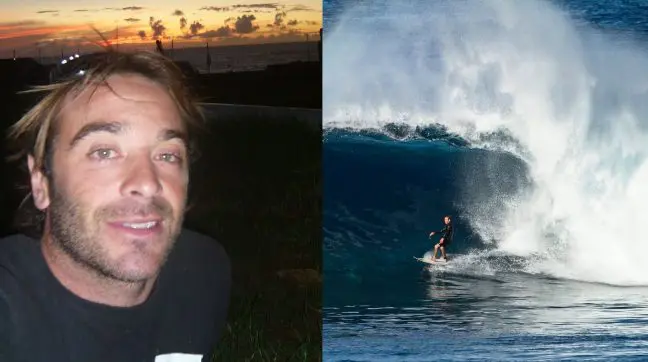
On August 13, 2026, around 4:30 PM, Argentine surfer Gonzalo Balado, 40, passed away while surfing in Rapa Nui. According to the Hanga Roa Maritime Governorate, he suffered a medical decompensation during a maneuver at the break, and his two companions pulled him from the water. He was rushed to the Rapa Nui Hospital, where medical staff attempted to resuscitate him for forty minutes. A preliminary report pointed to drowning from submersion. There were no swell or bad weather warnings issued that day.
Balado was originally from Mar del Plata and had lived on the island for years, running the restaurant La Perla alongside his partner. He was an integral part of the Rapa Nui community and its waters.
We deeply regret this tragic loss. From Easter Island Travel, we send our heartfelt condolences to his family, his partner, his friends, and the entire island surfing community.
Frequently Asked Questions
What is the best time of year to surf in Easter Island?
It depends on your skill level. Between April and October, southern swells arrive, activating the advanced breaks on the south and southwest coasts. Between November and March, northwest swells light up the northern beaches, and conditions in front of Hanga Roa are ideal for beginners.
How warm is the water in Rapa Nui?
It ranges from 20.5 °C (68.9 °F) in August to 25.4 °C (77.7 °F) in February. It never drops below 20 °C, meaning a rash guard is enough in summer, while a 2/2 mm or 3/2 mm wetsuit handles the southern winter.
What time of day is best to surf?
At dawn, between 06:00 and 09:00, when the thermal wind hasn’t kicked in and the ocean is glassy. Sunset is your second best window, though you have to watch out for the quick drop in daylight.
Can I surf in Easter Island if I’ve never done it before?
Yes. Hanga Roa bay and the Papa spot offer beginner-friendly conditions, especially during the southern summer. Lessons include local instructors and boards. What we strongly advise against is paddling out unguided onto the southern reefs.
Are there surf competitions in Easter Island?
Yes. The Chilean National Surf Circuit arrived for the first time in October 2013 and returned with the Rapa Nui Pro on December 8–9, 2025, serving as the circuit’s grand finale. The competition wave is Motu Hava.
Do I need to bring my own board?
Not mandatory. You can rent gear on the island, and we provide boards for lessons. If you do travel with your own, double-check your airline’s sports equipment policy before boarding.
See more articles about Rapa Nui: