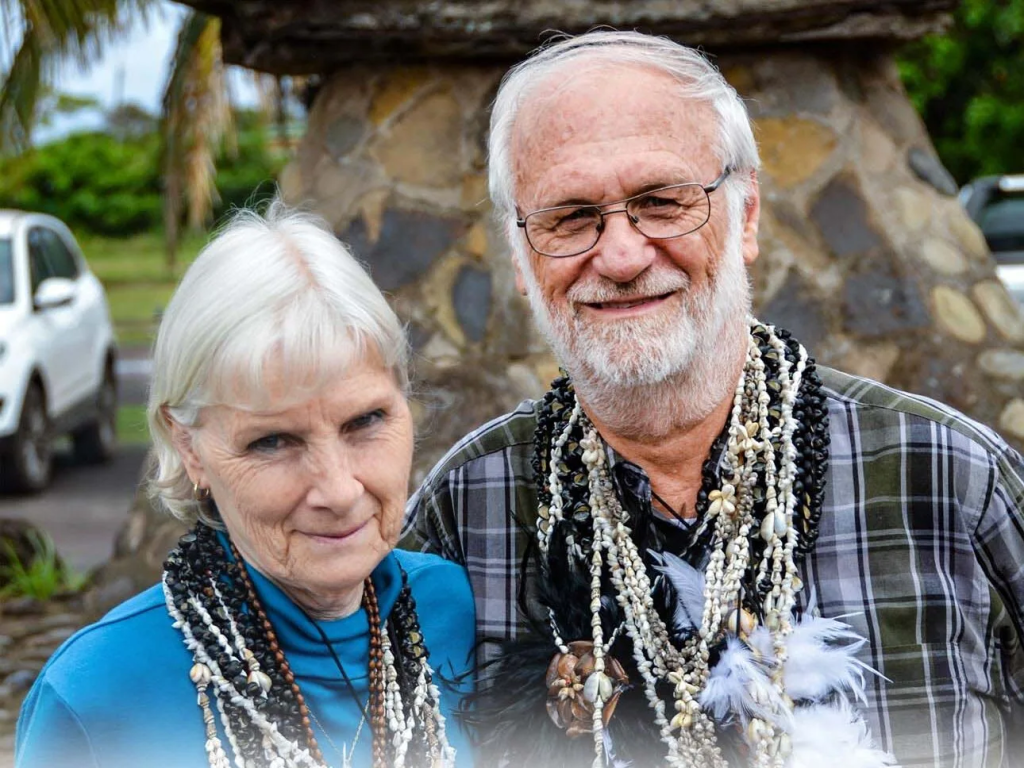
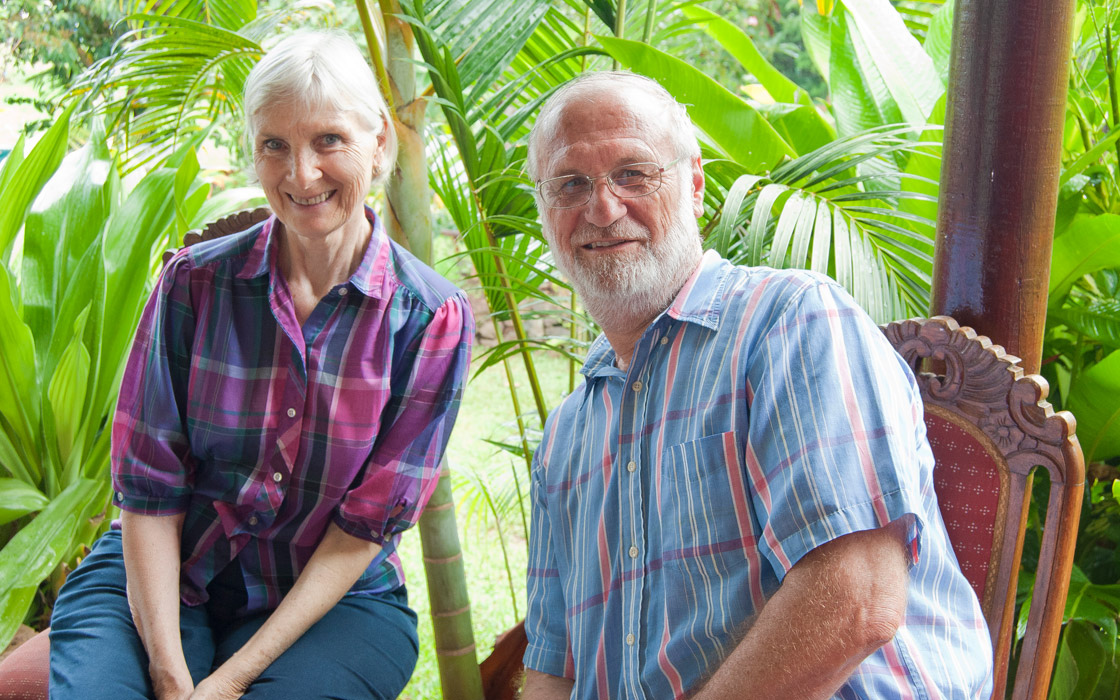
There are rare individuals whose quiet dedication forever shapes the cultural destiny of an entire community. Today, we tragically lost Nancy Thiesen de Weber—an extraordinary woman who, alongside her husband Roberto Weber, devoted her life to one of the most vital cultural endeavors in Easter Island’s history: giving the Rapa Nui language a formal written orthography, school textbooks, and a lasting foundation for preservation.
From all of us at Easter Island Travel, we honor her memory. While her name might be unfamiliar to many first-time travelers, Nancy is one of the true unsung heroes of Easter Island’s modern history. Her life’s work thrives today in every local classroom, across written literature, and deep within the cultural heart of Te Pito o te Henua (the Navel of the World).
From Oral Tradition to Written Structure: Creating the Rapa Nui Orthography
When Nancy and Roberto—both professional linguists—first settled on Easter Island decades ago with the initial goal of translating the New Testament, they encountered a fundamental challenge: the Rapa Nui language lacked a standardized, professionally developed writing system. Until then, locals wrote phonetically based on personal intuition.
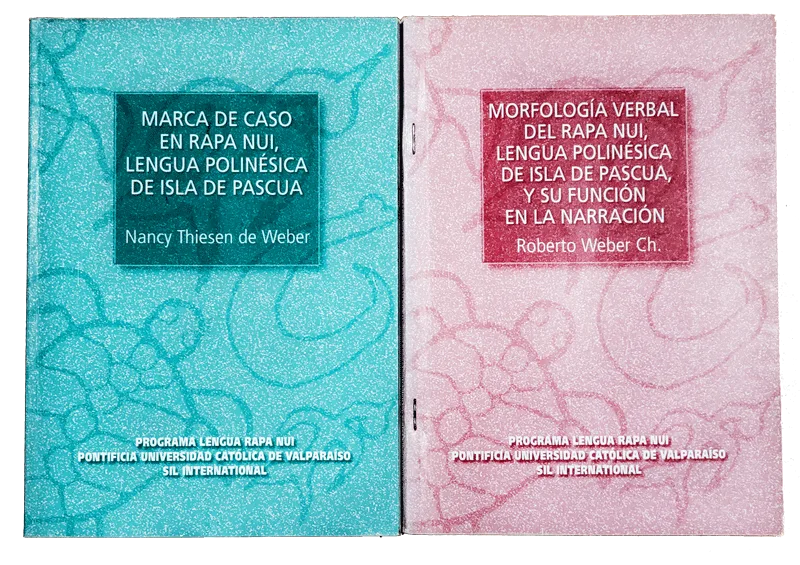
Combining academic rigor with immense cultural respect, the Webers spent years analyzing the pronunciation, phonetic structure, and grammar of the indigenous language. This exhaustive linguistic work produced the island’s first official, standardized orthography, laying the foundation for Rapa Nui to be formally taught, read, and preserved for generations to come.
Classroom Education and Revitalizing a Native Tongue
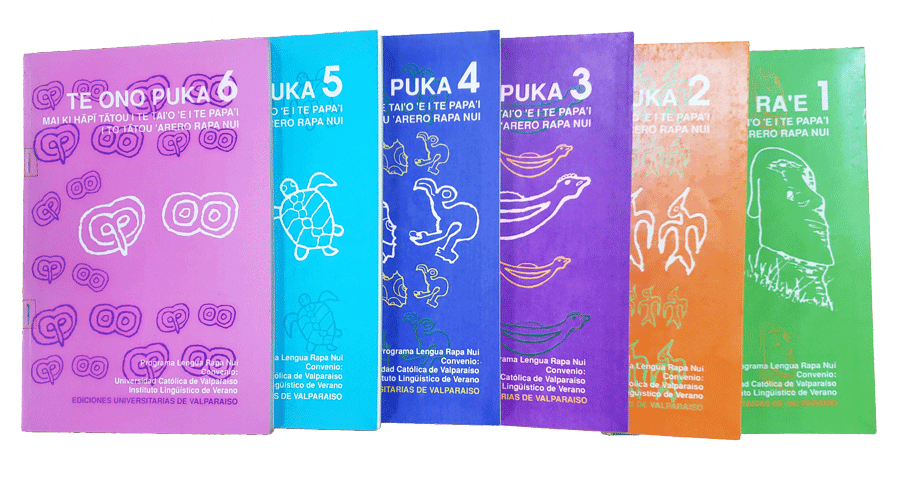
Noticing that younger generations were gradually losing fluency in their native language due to the growing prevalence of Spanish, Nancy and Roberto recognized that a written alphabet needed to move off the academic page and straight into children’s hands.
To safeguard local identity within the school system, they focused on key community initiatives:
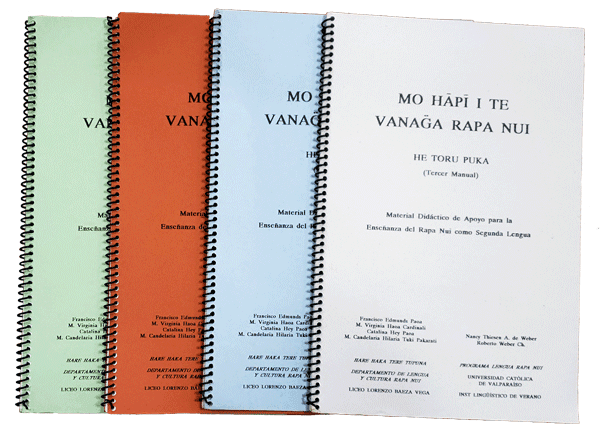
- Creating School Textbooks: They authored the very first educational textbooks and learning materials tailored specifically for local classrooms.
- Empowering Cultural Pride: Gaining access to reading and writing in their mother tongue allowed local students to embrace their heritage early on, boosting academic performance and pride in their native identity.
- Preserving Community Oral History: Working side by side with island elders and cultural knowledge keepers, they transcribed oral stories and legends that might have otherwise faded over time.
40 Years of Precision: Translation as an Art Form
Translating the New Testament into Rapa Nui was a monumental undertaking that spanned roughly four decades of continuous work.
Bridging two languages with vast cultural differences required far more than word-for-word translation; it demanded a nuanced process of cultural interpretation to ensure the core meaning and essence of every phrase remained genuine.
To maintain linguistic accuracy and cultural integrity, the couple utilized the back-translation method: once a section was translated from Spanish into Rapa Nui, it was translated back into Spanish to compare with the original text, refining every subtle grammatical detail.
The ‘Ūmaŋa Hatu Re’o Council: A Living Legacy
The Webers’ contributions extended far beyond their personal research. To ensure long-term language sustainability, they helped establish a dedicated council of local experts: the ‘Ūmaŋa Hatu Re’o (the Rapa Nui Language Academy).
Trained directly by the Webers in formal orthography, the members of ‘Ūmaŋa Hatu Re’o continue to play an essential role in island society today—guiding, translating, and reviewing official documents to safeguard the authenticity and evolution of the Rapa Nui language.
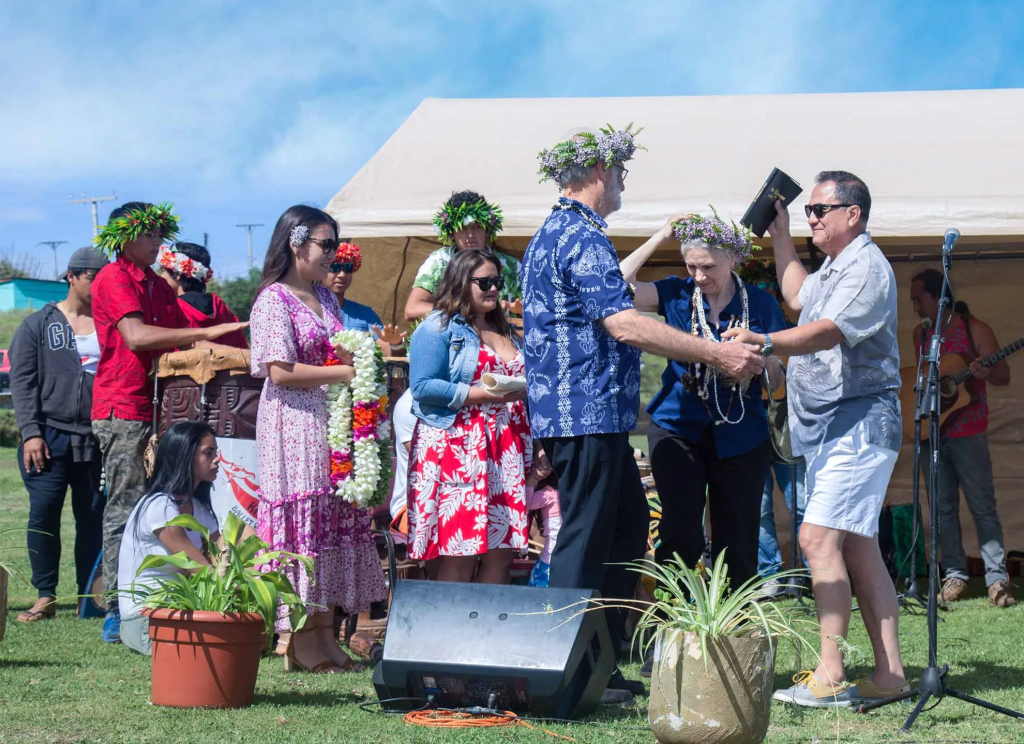
In recognition of their extraordinary devotion, the Municipality of Easter Island officially honored Nancy Weber and her husband as Illustrious Children of Rapa Nui in 2019.
An Audiovisual Milestone: Translating “The Gospel According to St. Luke”
Between 2009 and 2010, Nancy and Roberto’s work expanded into the audiovisual realm. The couple took on the complex challenge of translating and dubbing the monumental feature film The New Media Bible: The Gospel According to St. Luke (1979)—a epic production with a running time of 4 hours and 20 minutes—entirely into the Rapa Nui language.
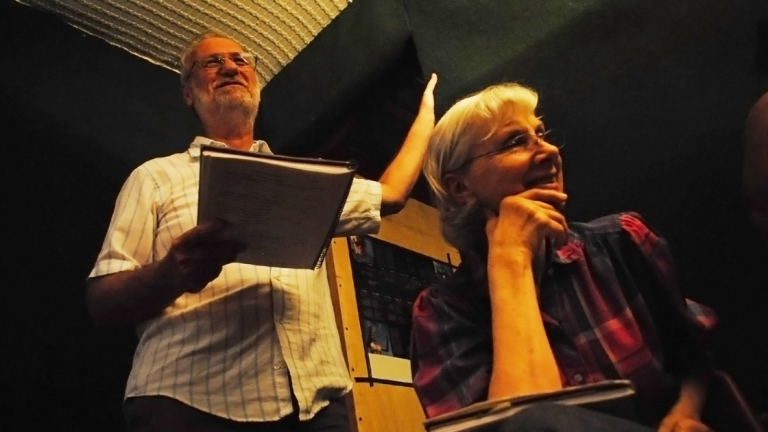
This monumental effort allowed the island community to experience a complete historical film narrated natively in their own mother tongue.
Today, we say goodbye to Nancy Weber with immense gratitude. While her physical presence will be deeply missed, her legacy endures in every word written and spoken across this sacred island.
Māuru-uru roa, Nancy. Rest in peace 🌺