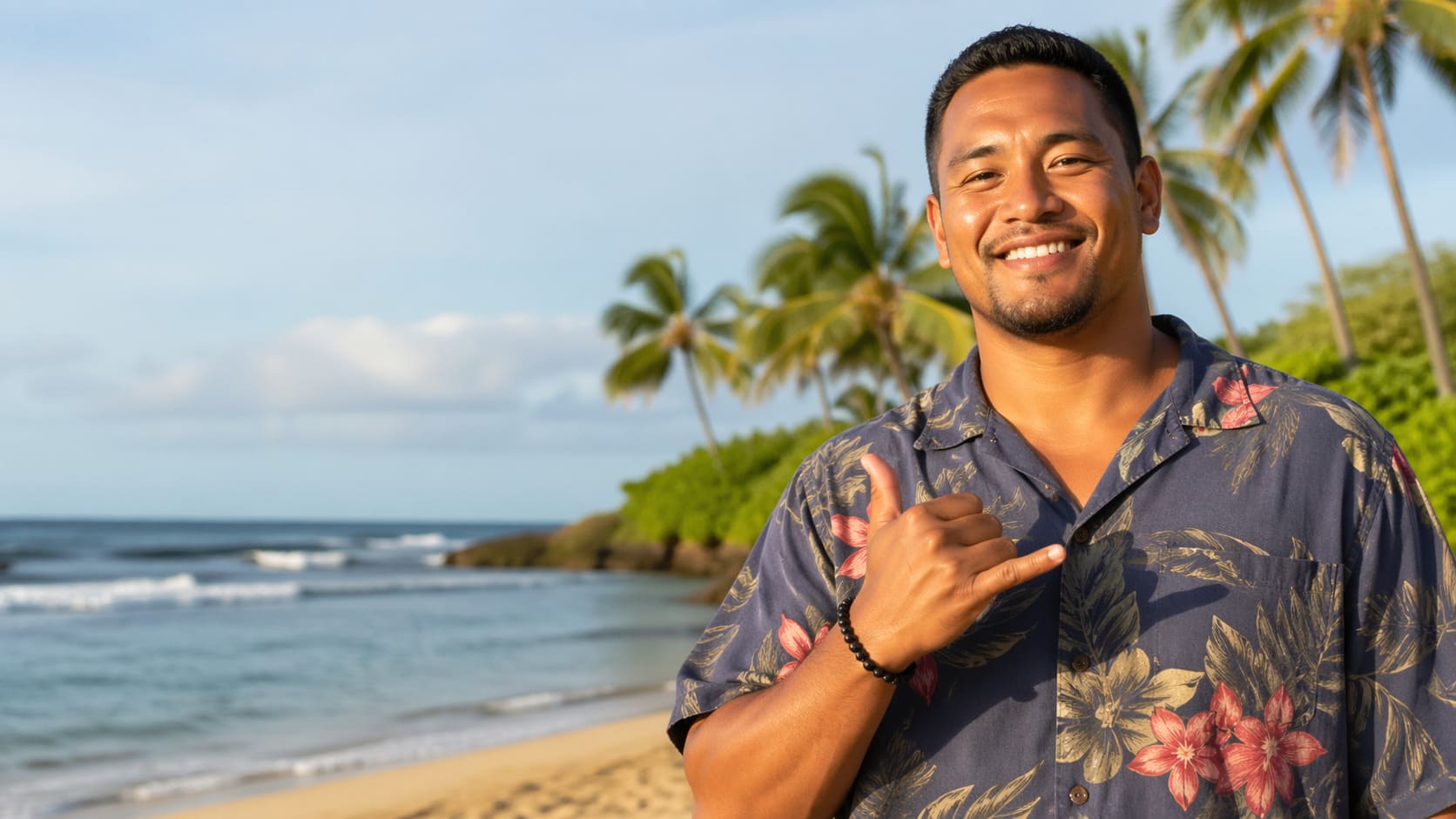
If you visit Easter Island or look at photographs of its people, you will immediately notice an unmistakable hand gesture. It consists of a closed fist with the thumb and pinky finger fully extended outward.
Known globally as the shaka sign, Rapa Nui (Easter Island) locals have embraced this gesture with a deep connection across the entire Polynesian Triangle. Its presence on the island demonstrates the cultural continuity linking communities separated by thousands of miles of ocean.
On Rapa Nui, throwing a shaka is an everyday act filled with warmth, respect, and a welcoming spirit. It is not a passing trend, but a genuine expression of the island’s traditional hospitality.
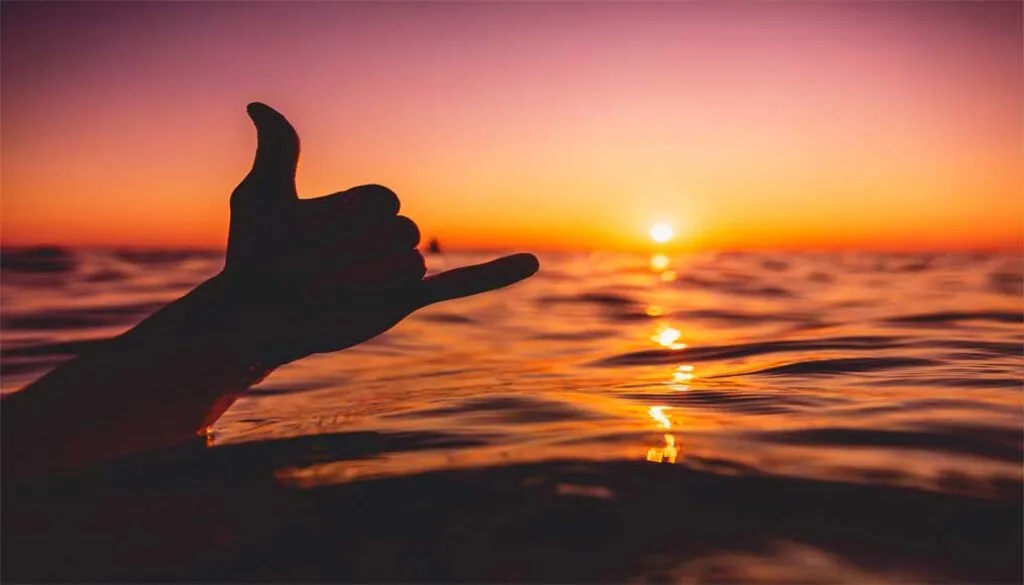
Historical Origins and Theories Behind the Shaka Sign
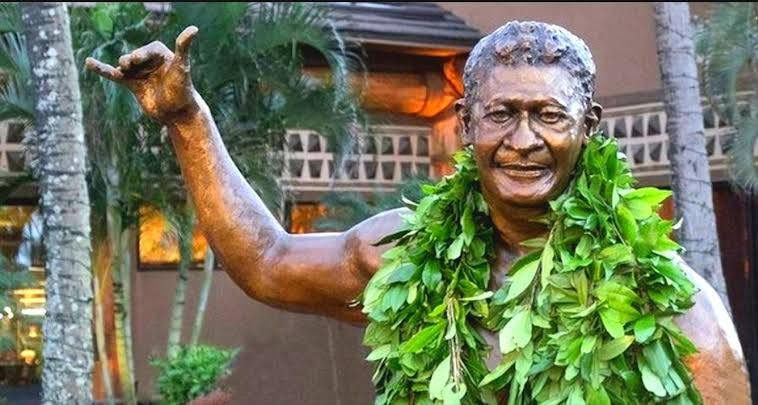
The most documented story regarding the gesture’s origin traces back to the island of Oahu, Hawaii. The primary account centers on Hamana Kalili, a worker at the Kahuku Sugar Mill who lost his three middle fingers in an accident.
Following the injury, Kalili was reassigned to guard the local sugar train to prevent children from jumping aboard. When waving or signaling from a distance, he could only display his remaining thumb and pinky.
Local children began imitating his distinct hand gesture to signal that the tracks were clear or to greet one another. Over time, the sign evolved into a community symbol of safety and approval.
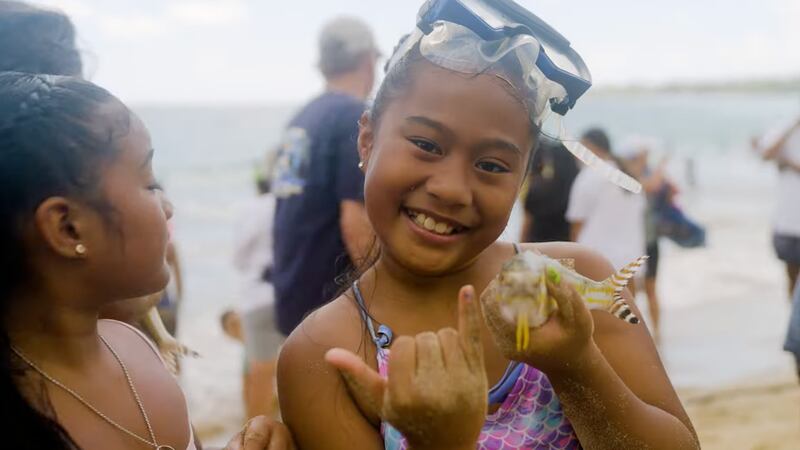
Pacific folklore researchers also discuss several alternative historical theories surrounding the gesture. One hypothesis suggests that ancient Polynesian navigators used their hands this way to measure distances between stars.
Another account holds that Spanish or Portuguese whalers greeted locals by offering a drink, mimicking the shape of a bottle. Additionally, some historians credit King Kalākaua with popularizing the gesture during the 19th century.
Regardless of its precise origin, Hawaii’s surfing community embraced the shaka during the 1960s and 1970s. Surfers helped spread the sign to coastal towns worldwide as a universal symbol of camaraderie and ocean peace.
Integration and Meaning of the Shaka in Rapa Nui
The arrival of the gesture occurred naturally due to shared linguistic and ancestral roots. When exploring the origins of the shaka sign, Rapa Nui, Hawaii, Tahiti, and Samoa share fundamental values regarding communal life.
In local society, the greeting blended seamlessly with the island’s concepts of warmth and hospitality. Extending your hand in this position conveys good wishes, peace, and an open attitude toward others.
In daily island life, the gesture serves various social functions that make connecting with people effortless. It is the most common way to greet drivers or pedestrians as you travel along local roads.
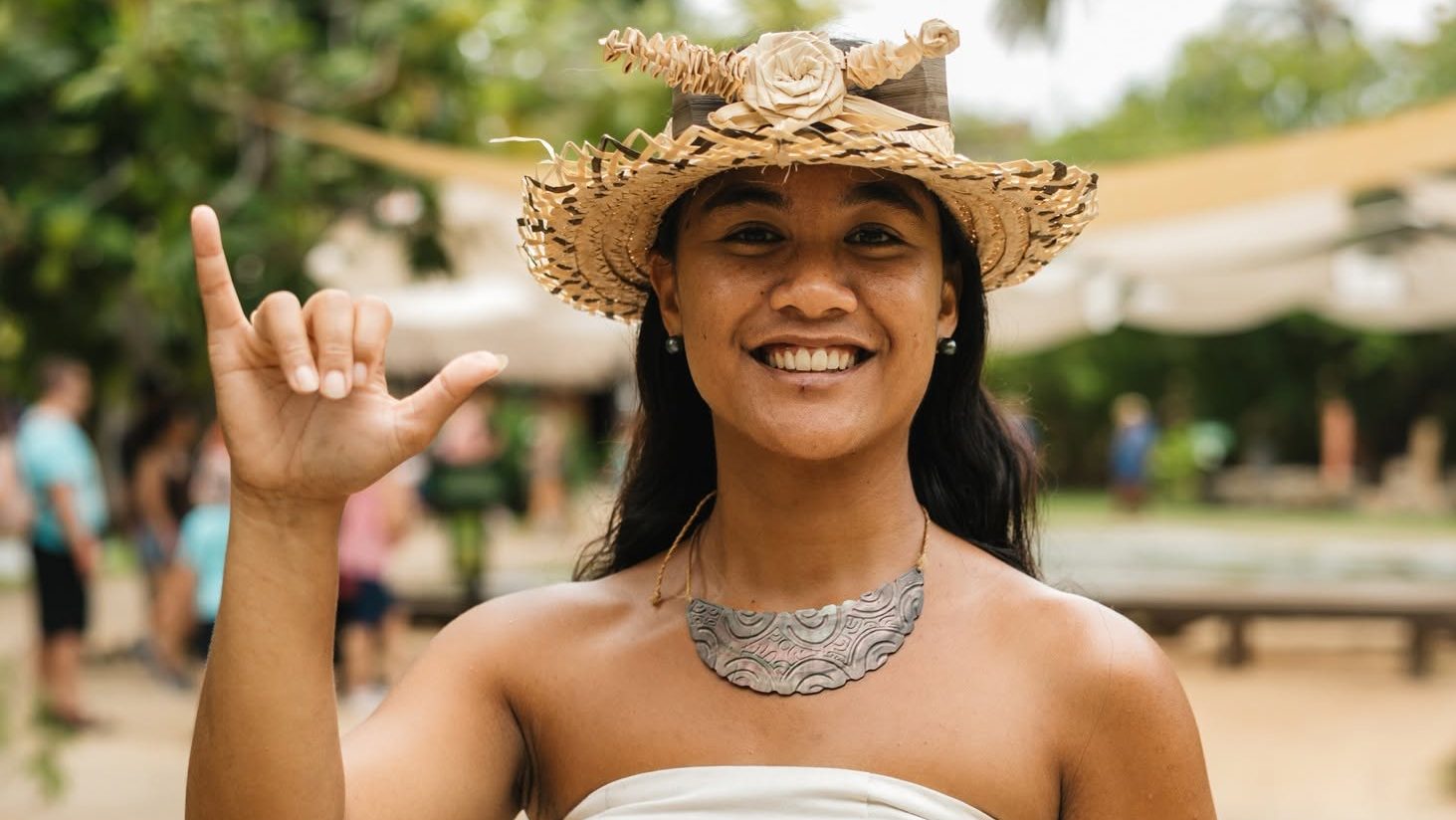
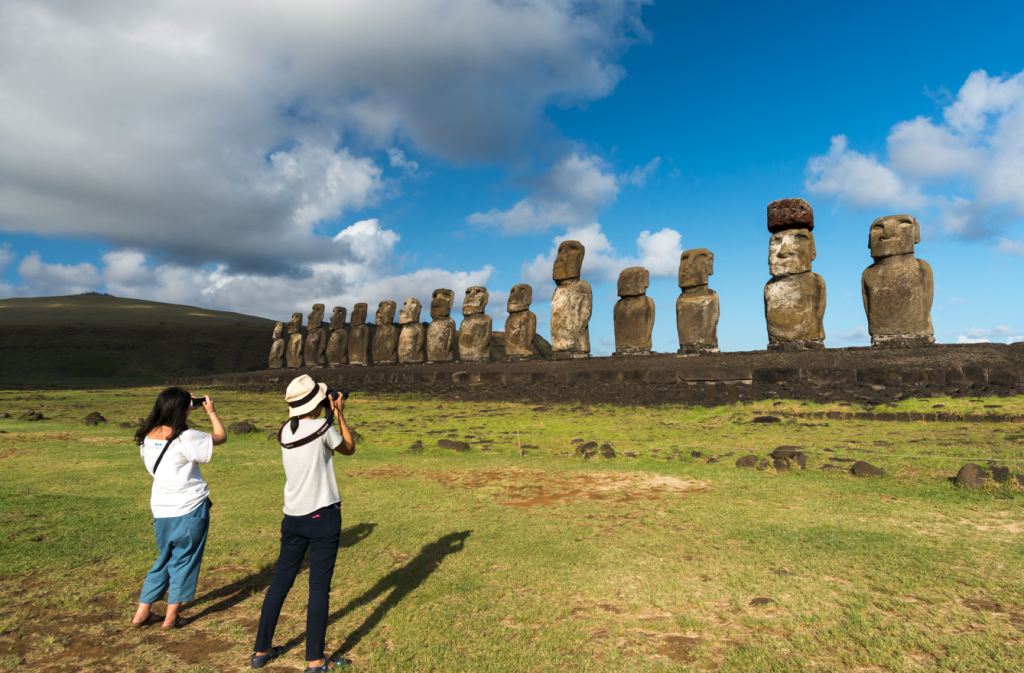
When posing near the iconic moai, capturing a photo using the shaka sign Rapa Nui style reflects the residents’ pride in sharing their cultural heritage with visitors from all over the world.
In local slang, the gesture frequently accompanies the expression “peti,” which means everything is great or good. When someone asks about your day or the status of a project, a shaka confirms everything is perfectly fine.
Guide to Using the Shaka Correctly
To use this gesture naturally during your stay on the island, keep these simple guidelines in mind. Mastering the shaka sign Rapa Nui locals use is straightforward and conveys a friendly attitude when done with the right spirit.
- Hand shape: Fold your three middle fingers against your palm while fully extending your thumb and pinky.
- Gentle movement: You can hold your hand steady or give a light rotation of the wrist back and forth.
- Respectful use: Pair it with traditional words of thanks, such as māuru-uru, when receiving help or directions.
- Proper context: Use it when letting someone merge in traffic, making eye contact with a local, or saying a friendly goodbye.
Using the shaka sign Rapa Nui represents the lasting bonds of the Pacific and the island’s welcoming nature toward the world. Using it respectfully is a simple way to connect with the community and celebrate the identity of this unique territory.