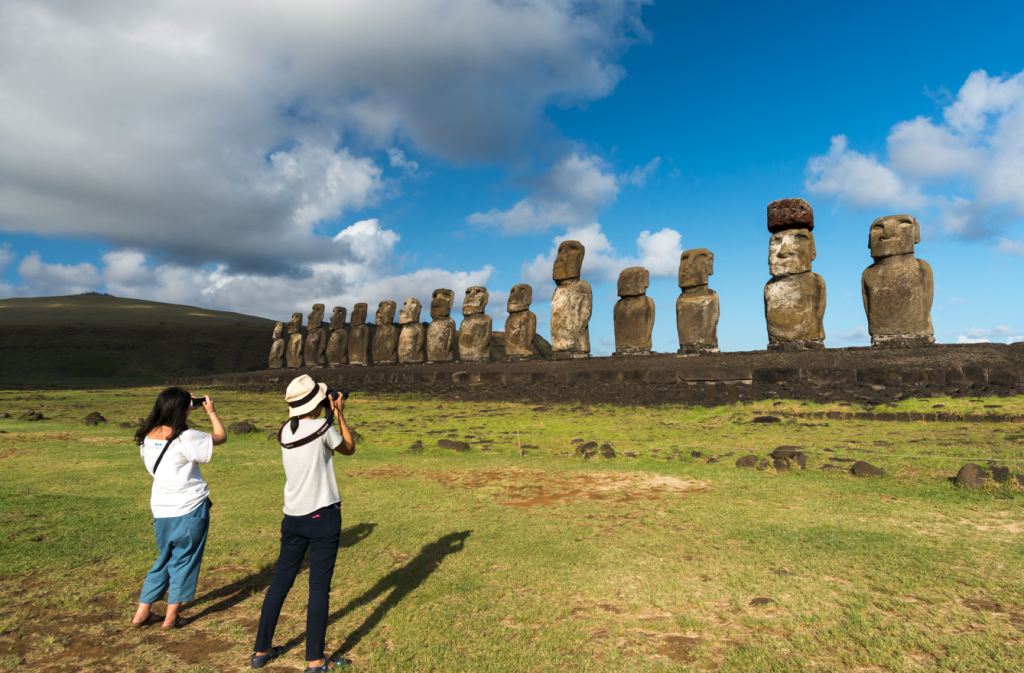

For many travelers, Rapa Nui (Easter Island) is synonymous with the iconic moai statues standing silently against the Pacific Ocean. While these monumental figures are undoubtedly the island’s most recognizable symbol, they represent only one chapter of a much richer story.
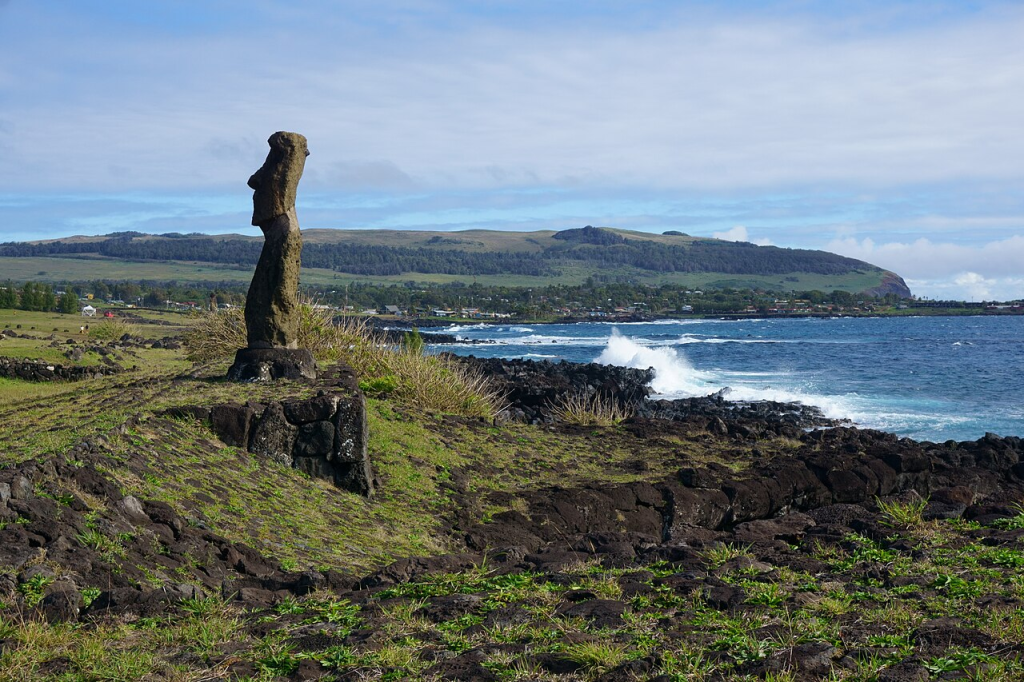
Beyond the moai lies an extraordinary cultural landscape shaped by centuries of innovation, spirituality, environmental adaptation, and remarkable engineering. Ancient ceremonial villages, volcanic quarries, sacred caves, agricultural systems, and breathtaking volcanic landscapes all reveal how the Rapa Nui people thrived on one of the world’s most remote inhabited islands.
Whether you’re passionate about archaeology, history, photography, or simply searching for meaningful travel experiences, exploring Rapa Nui with historical context transforms your visit from sightseeing into genuine cultural discovery.
Why Explore Rapa Nui with a Private Guide?
There are several ways to experience Rapa Nui. Some travelers choose to rent a vehicle and explore independently, while others join group excursions or book private guided tours.
Although driving around the island offers flexibility, many of Rapa Nui’s most significant archaeological sites are located inside Rapa Nui National Park, a UNESCO World Heritage Site where access is regulated to help preserve this exceptional cultural heritage. Several protected areas also require visitors to enter accompanied by an authorized local guide.
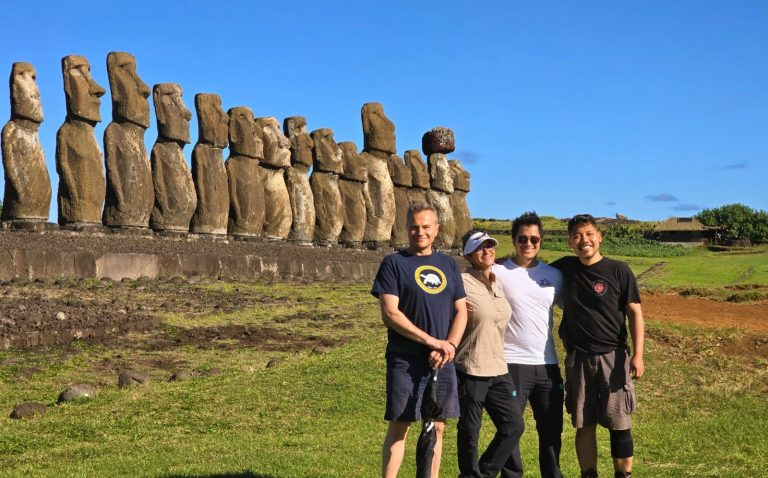
Instead of simply stopping for photographs, you’ll understand why each site matters, how ancient Rapa Nui society evolved, and how traditions continue to shape island life today. You’ll also have the freedom to spend more time at the places that interest you most, ask questions throughout the day, and enjoy a pace tailored entirely to your travel style.
Rather than following someone else’s schedule, your experience revolves around your own curiosity.
Beyond the Moai: What You’ll Actually Discover
While the moai are the island’s most famous attraction, they are only part of Rapa Nui’s archaeological and cultural heritage.
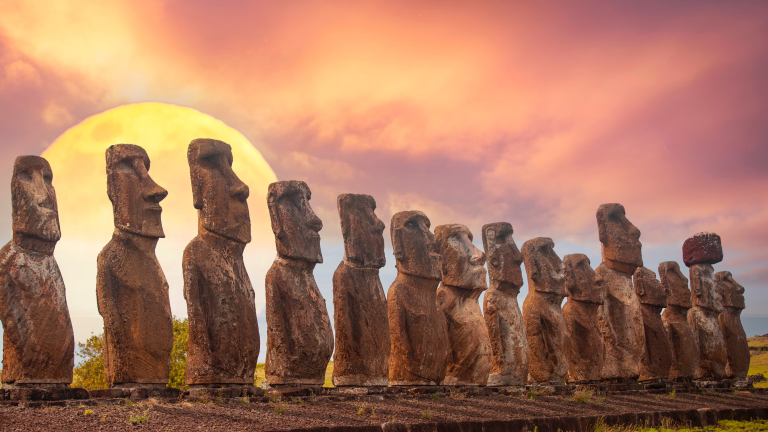
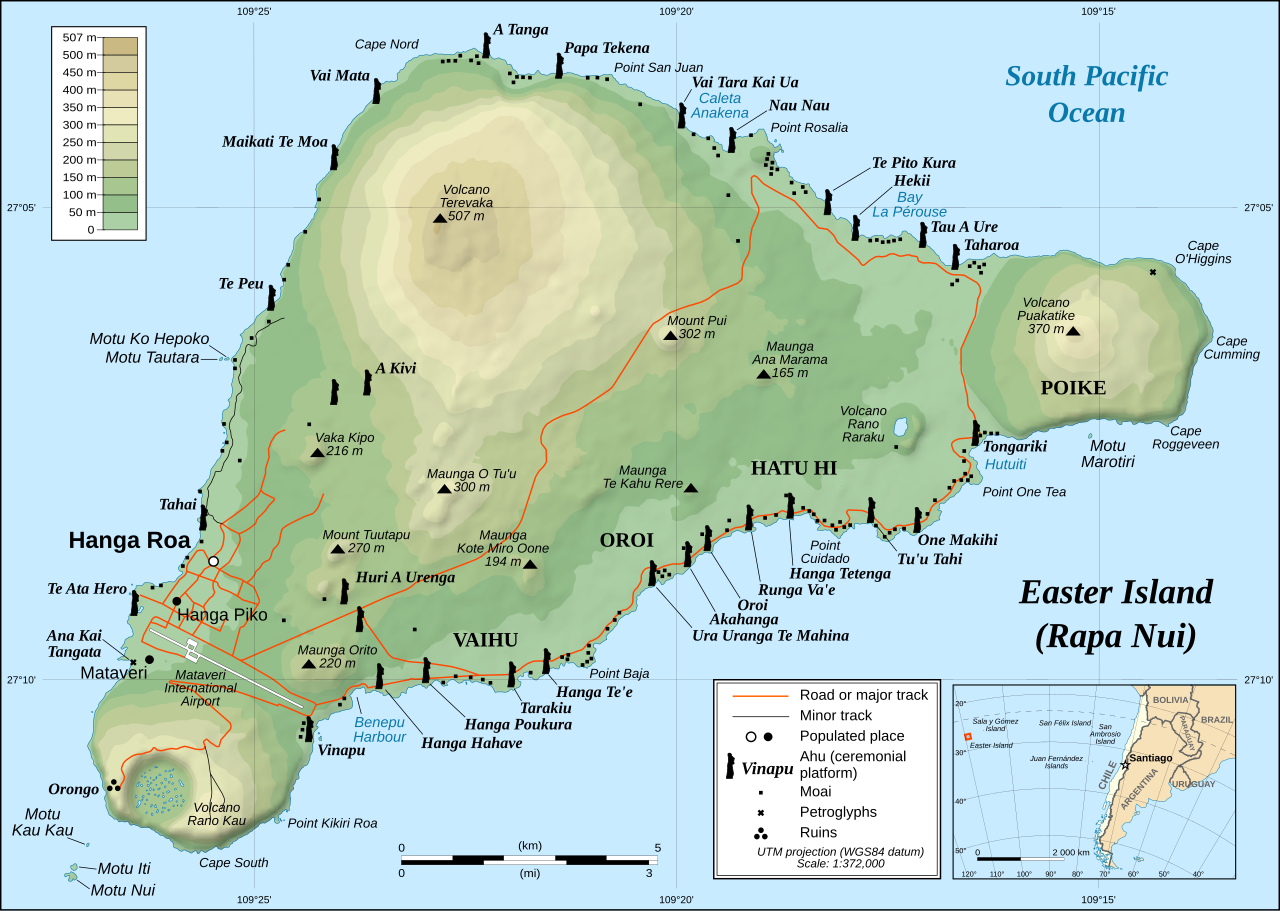
As you travel across the island, you’ll visit remarkable ceremonial platforms such as Ahu Tongariki, the volcanic quarry of Rano Raraku, where nearly every moai was carved, and ancient ceremonial complexes that reveal the sophistication of Rapa Nui society.
You’ll also discover places where there are no moai at all—but which are just as essential to understanding the island’s history.
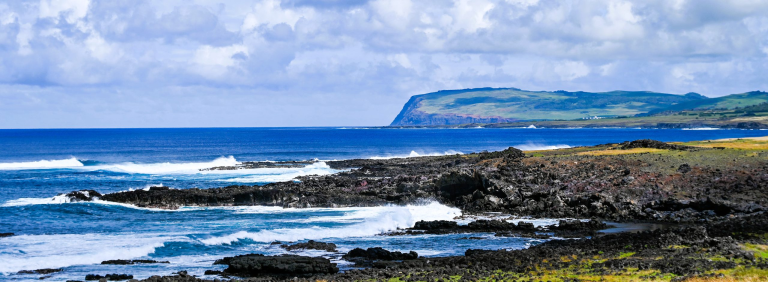
The ceremonial village of Orongo, the spectacular crater of Rano Kau, ancient lava caves, traditional agricultural systems known as manavai, and the remains of the boat-shaped houses called hare paenga each represent different moments in the evolution of Rapa Nui civilization.
Together, these sites tell a story far richer than most visitors expect before arriving on the island.
Where Rapa Nui Began: Anakena and Hotu Matu’a
According to Rapa Nui oral tradition, the island’s story begins at Anakena Beach, a beautiful stretch of white sand on the island’s northern coast.
This is believed to be the landing place of Ariki Hotu Matu’a, the legendary founding king who led his people from Hiva and established the first settlements on the island.
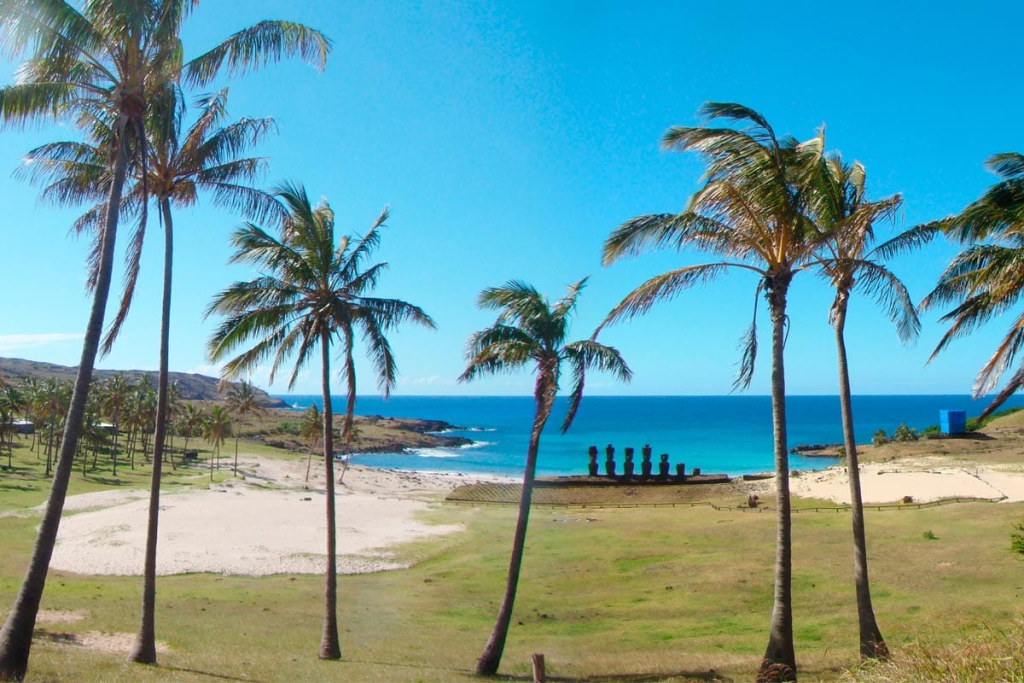
Anakena is not only one of the most scenic beaches in the South Pacific—it is also home to Ahu Nau Nau, one of the best-preserved ceremonial platforms on Easter Island, where intricate carvings can still be seen on several moai.
Visiting Anakena provides an introduction to the origins of Rapa Nui culture and the beginning of one of Polynesia’s most fascinating civilizations.
The Rise of the Moai Culture
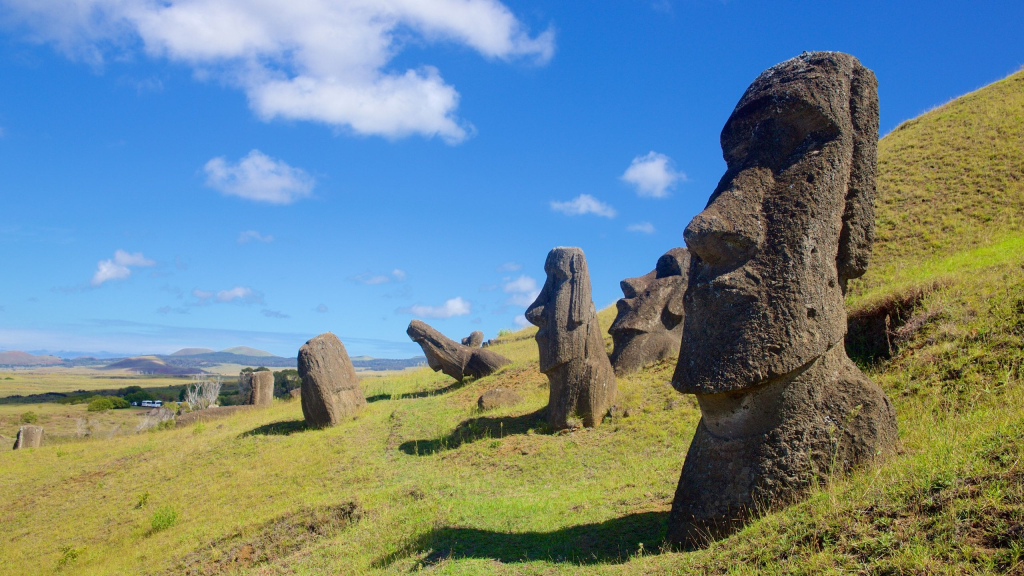
No place explains the creation of the moai better than Rano Raraku.
This volcanic quarry supplied the stone for nearly ninety percent of all moai on the island. Walking through its slopes reveals unfinished statues, partially buried figures, and enormous sculptures still attached to the bedrock, offering an extraordinary glimpse into the carving process itself.
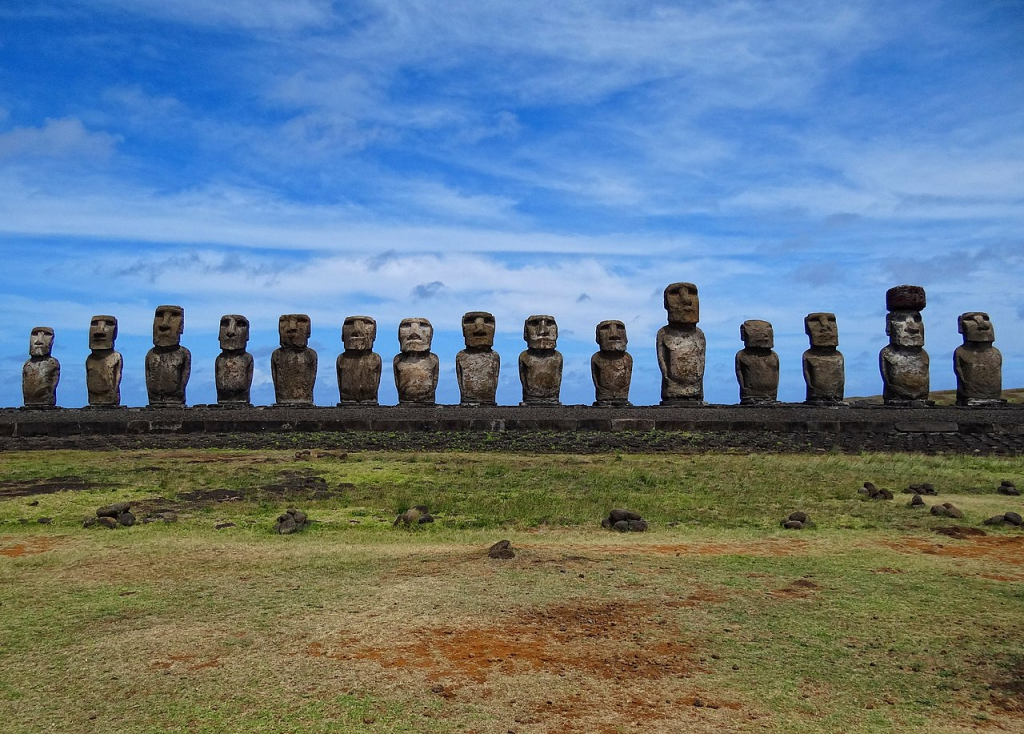
Only a short drive away stands Ahu Tongariki, the largest restored ceremonial platform in Rapa Nui, where fifteen majestic moai face inland, symbolically watching over their ancestral lands.
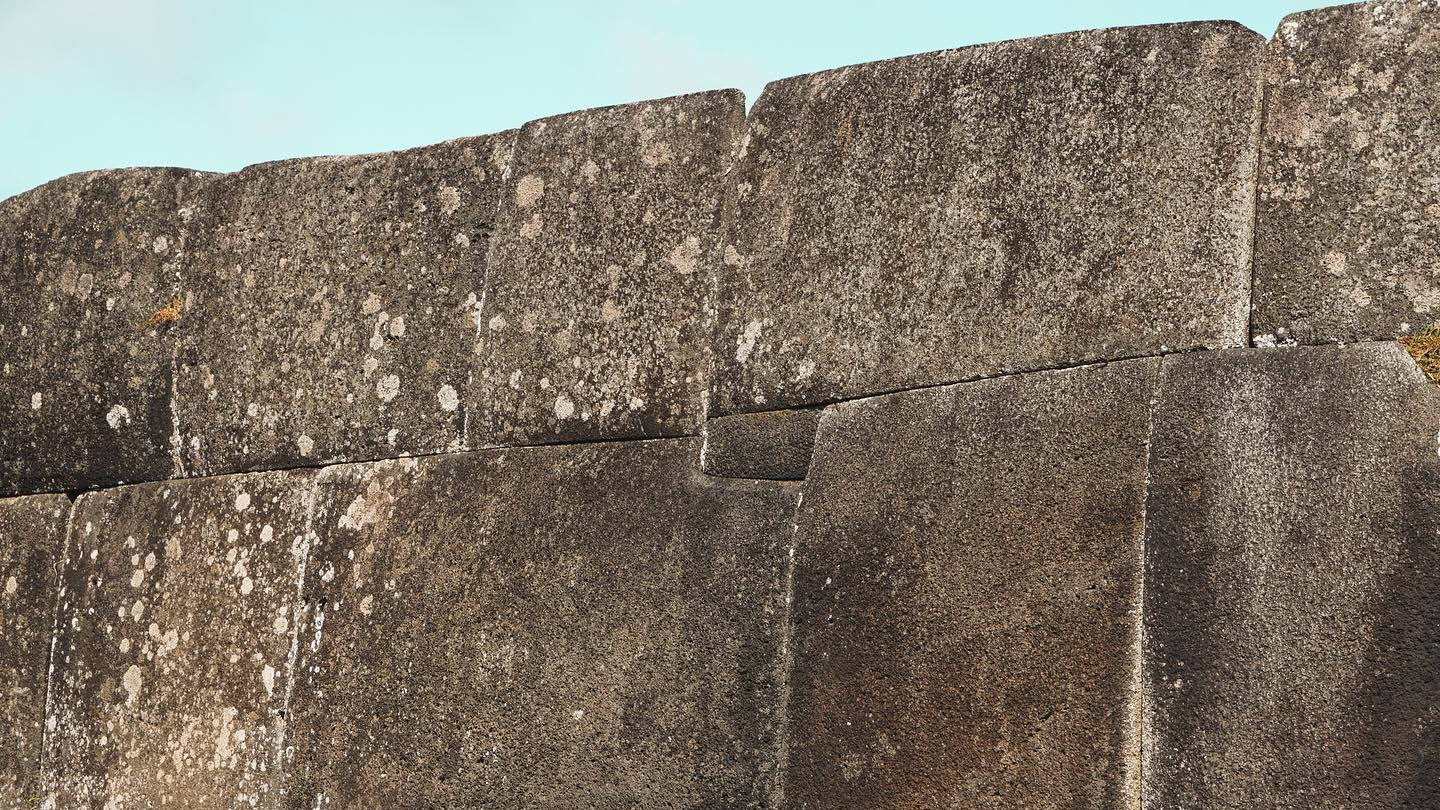
Another remarkable site is Vinapu, famous for its precisely fitted stonework. Its impressive masonry has inspired comparisons with Inca architecture for decades and remains one of the finest examples of ancient Rapa Nui engineering.
Together, these locations illustrate the remarkable artistic, political, and spiritual development that defined the island’s classical period.
A New Era: Orongo and the Birdman Cult
The story of Rapa Nui did not end with the construction of the moai.
Following significant political and social transformations, the island entered a new chapter centered around the Tangata Manu, or Birdman Cult.
The ceremonial village of Orongo, perched dramatically on the rim of Rano Kau Volcano, became the stage for an annual competition in which representatives from different clans competed to retrieve the first sooty tern egg from the offshore islet of Motu Nui.
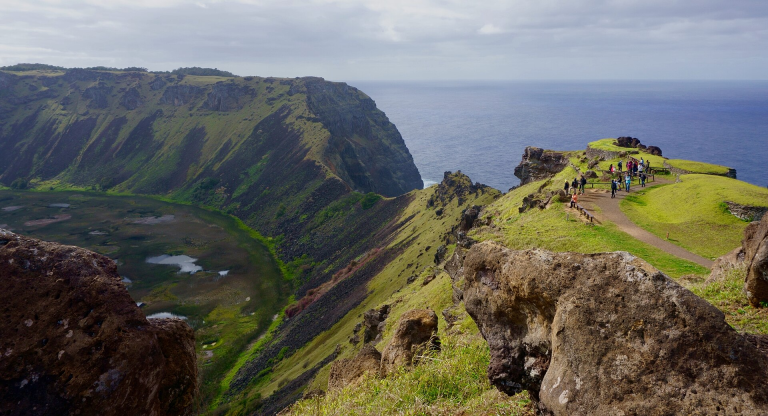
Today, Orongo preserves one of the largest collections of petroglyphs on the island while offering breathtaking panoramic views of the volcanic crater and the Pacific Ocean.
It remains one of the most powerful places to understand the spiritual evolution of Rapa Nui.
Living with the Landscape
The ingenuity of the Rapa Nui people extended far beyond ceremonial architecture.
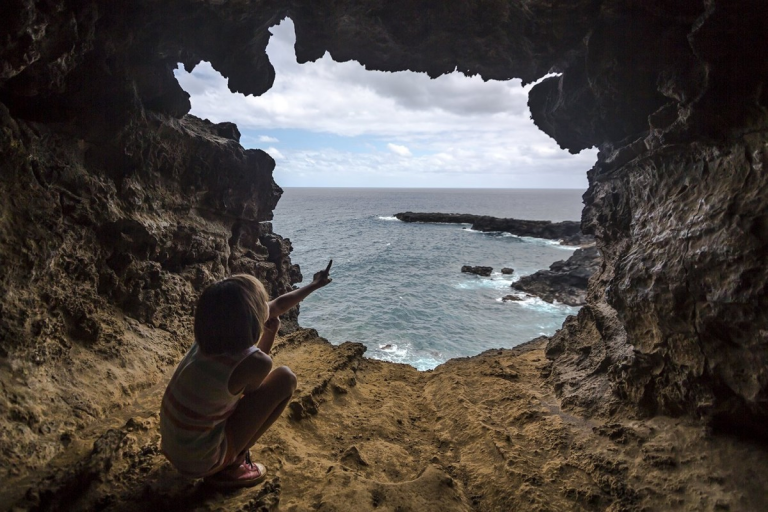
Volcanic caves such as Ana Kakenga and Ana Te Pahu served as shelters, storage areas, and protected agricultural spaces.
Stone gardens known as manavai created sheltered microclimates where crops could thrive despite strong winds and limited rainfall, demonstrating sophisticated environmental knowledge.
Nearby, the remains of traditional hare paenga houses—named for their resemblance to overturned Polynesian canoes—offer valuable insight into everyday life centuries ago.
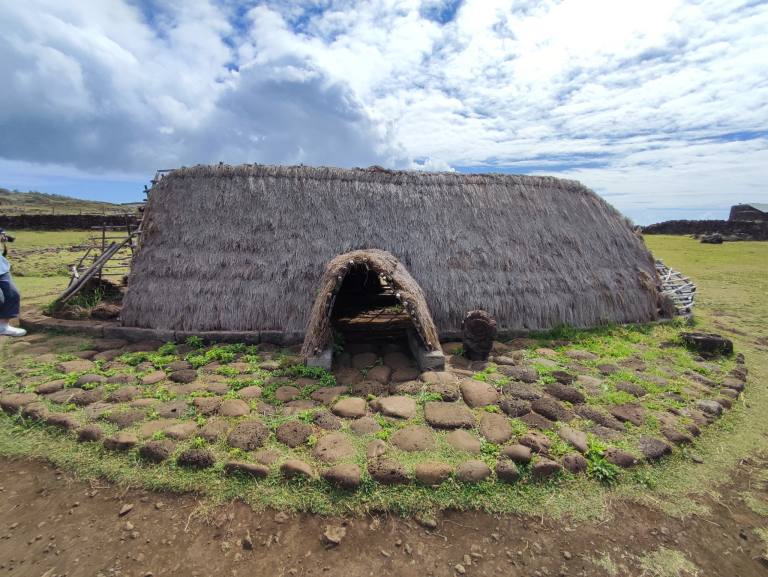
These lesser-known sites reveal that Rapa Nui’s story is not only about monumental statues, but also about resilience, sustainability, and the ability to flourish in one of the most isolated places on Earth.
Discover the Real Rapa Nui
Visiting Rapa Nui is about much more than seeing the moai.
It is about understanding a living culture whose history continues to shape the island today.
Every archaeological site, volcanic landscape, and ancient settlement adds another chapter to a story that deserves time, curiosity, and thoughtful interpretation.
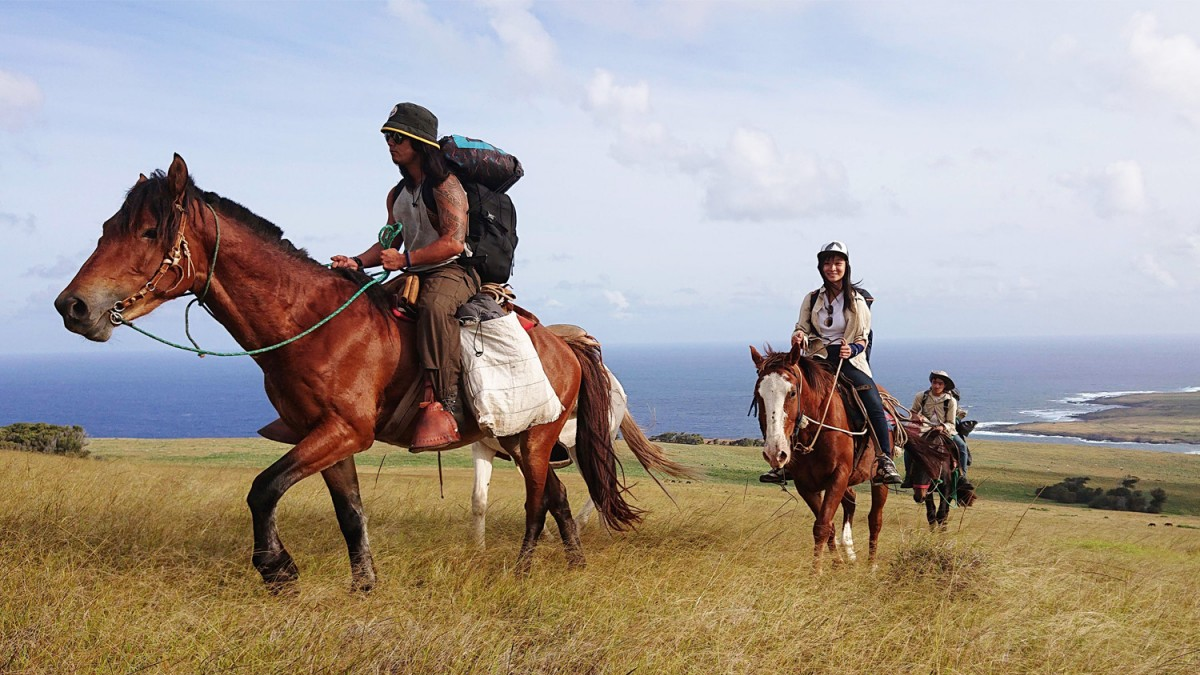
At Easter Island Travel, our private tours are designed for travelers who want more than a checklist of attractions. We believe that every place becomes more meaningful when you understand the people behind it.
Whether you’re planning your first visit or returning to explore more deeply, our local certified guides will help you experience Rapa Nui (Easter Island) through its history, traditions, and living heritage.
Make every minute in Rapa Nui meaningful. Book your private tour with us and discover the island beyond the moai.