Traveling to Rapa Nui (Easter Island) is not just about visiting a remote destination—it’s about experiencing a subtle but powerful shift in the way you think. Many travelers arrive drawn by the moai, the history, the landscapes, or the beaches, but after a couple of days, something else begins to happen: their mind starts to slow down.
Understanding what happens in your mind after 3 days in Rapa Nui has a lot to do with how your brain responds to a natural, isolated environment and a way of life that is very different from what you experience in a city.
A Change of Pace: How Your Mind Adapts to Slowness
When you come from a city, your brain is used to constant stimulation—traffic, screens, noise, and quick decisions. This state is known as cognitive overload.
Neuroscience shows that when these stimuli are reduced, the brain lowers stress levels and begins to function more efficiently. This creates a real sense of calm—not just emotional, but physiological.
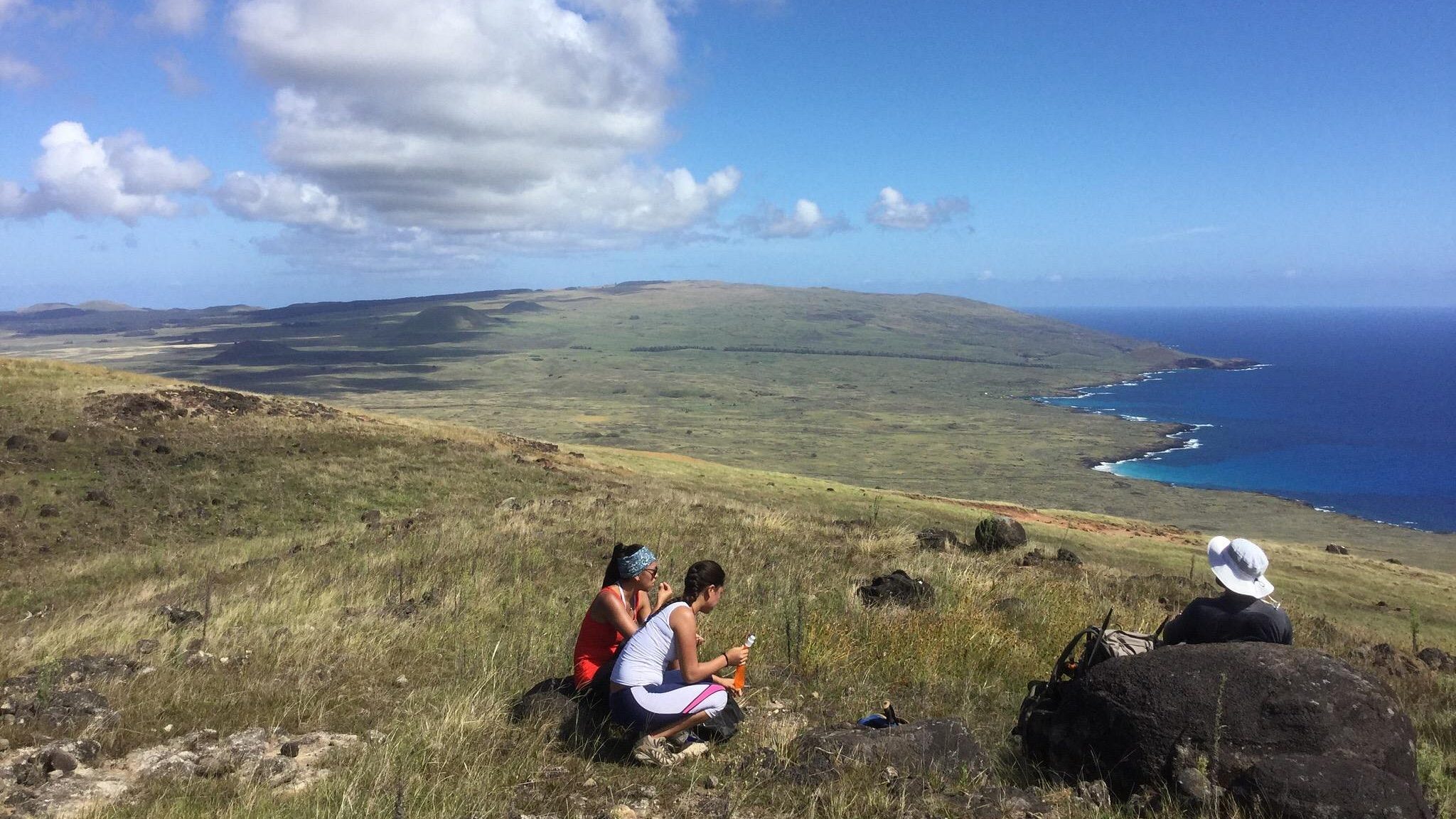
In Rapa Nui, this shift happens naturally. Distances are short, schedules are flexible, and urgency fades away. At first, you may want to do everything—but after a day or two, your mind stops rushing… and begins to adapt to the island’s slower rhythm.
Digital Disconnection: Returning to the Present Without Noticing
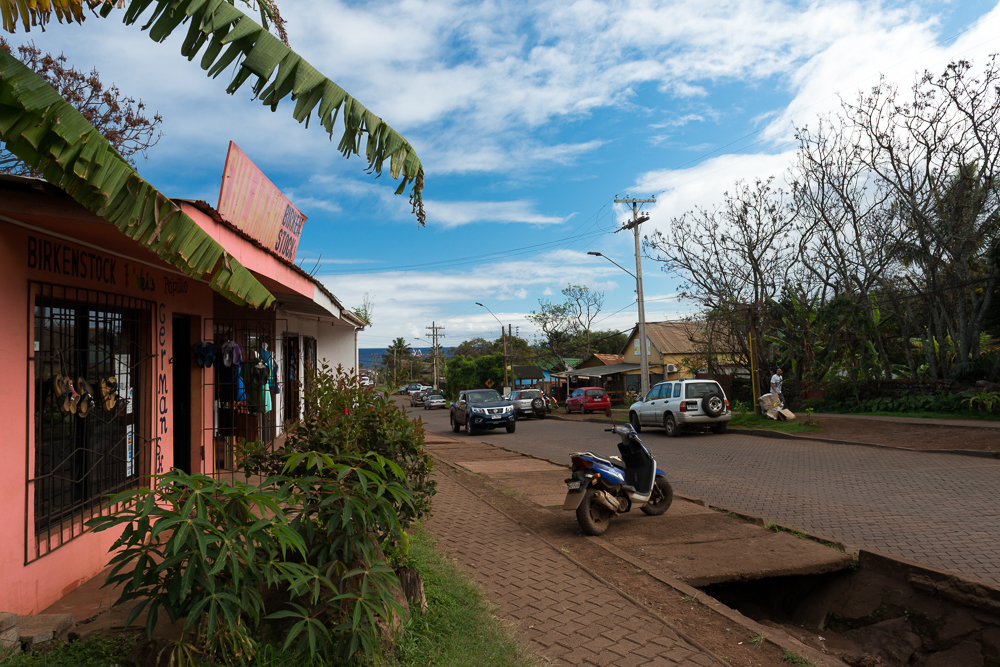
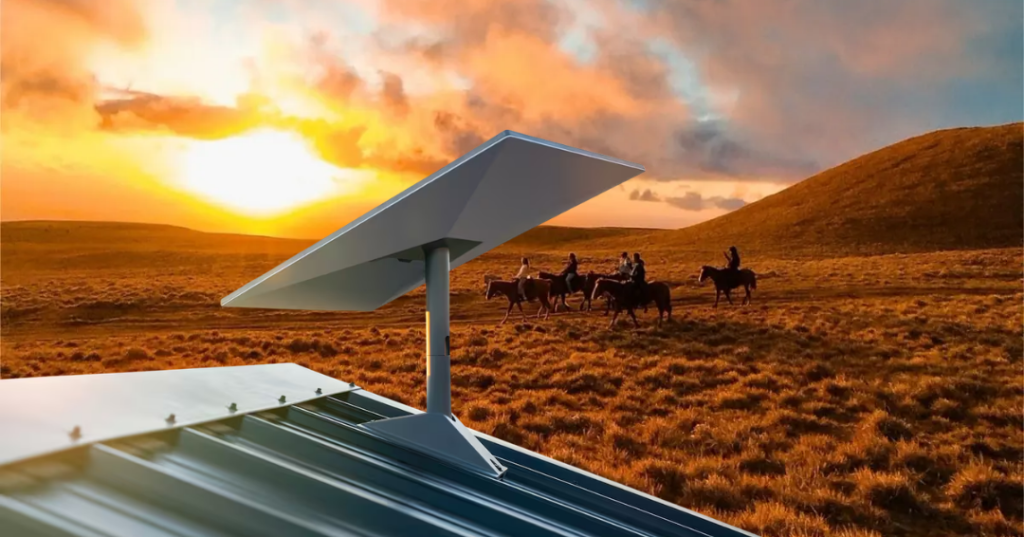
One of the most influential aspects of this experience is disconnection. Outside of Hanga Roa, internet signal is limited or non-existent, which naturally reduces constant phone use.
From a behavioral psychology perspective, reducing screen time lowers anxiety, improves focus, and enhances your ability to stay present. This is known as attention restoration.
In practice, traveling to Rapa Nui gently pushes you to disconnect. Without constant signal, you stop checking your phone and begin to notice more—the road, the ocean, the people around you. Without realizing it, your attention returns to the present moment.
The Impact of Nature on Your Mental Wellbeing
Spending time in nature has proven benefits for mental health. The biophilia hypothesis suggests that humans have an innate connection to natural environments, which helps reduce stress and improve mood.
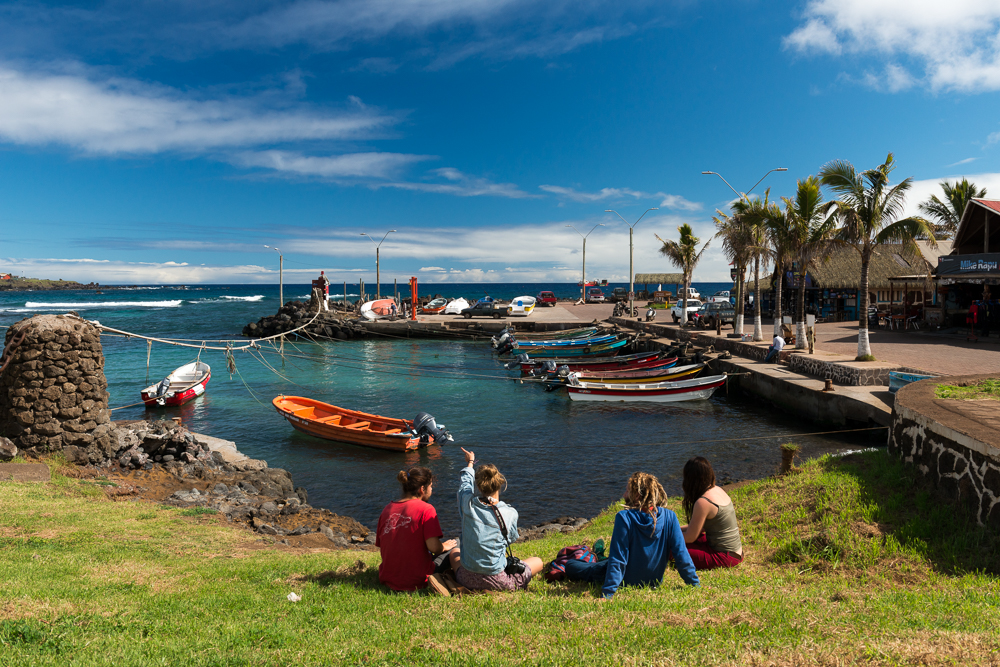
Elements like the sound of the ocean, the constant wind, and open landscapes create a calming response in the nervous system, encouraging moments of reflection.
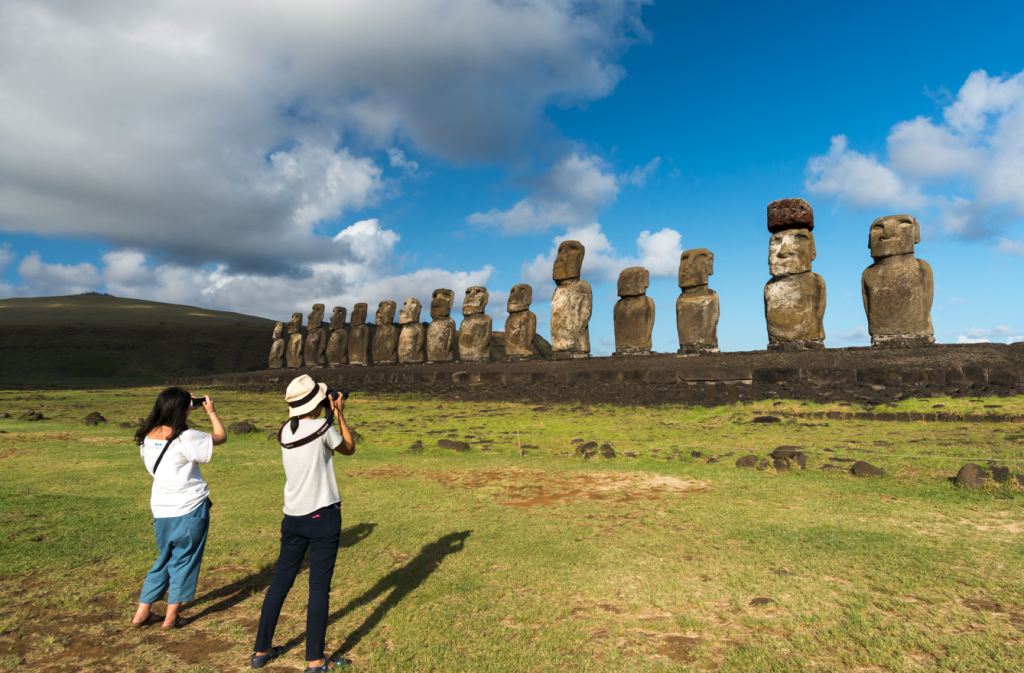
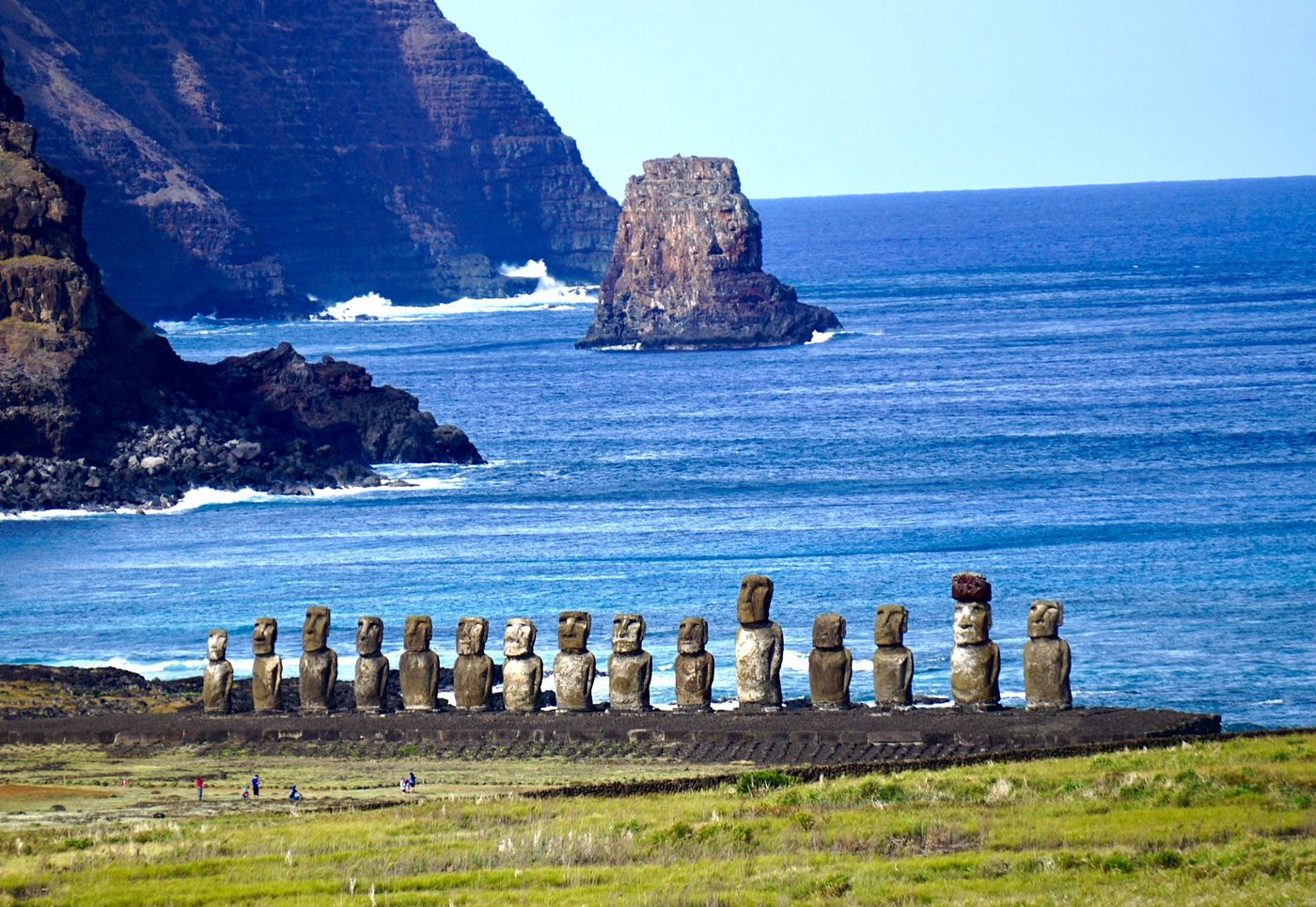
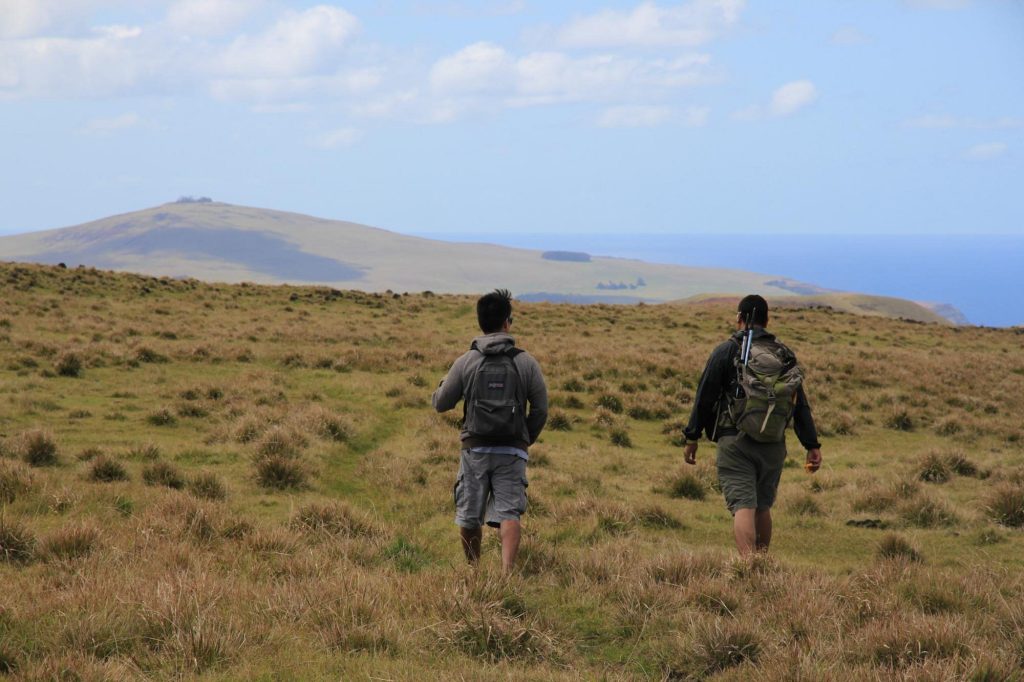
In Rapa Nui, this effect is constant. Places like Ahu Tongariki or Rano Kau don’t just impress visually—they invite you to pause. And in that pause, your mind begins to slow down.
The “Mental Silence” You’re Not Used To
In everyday life, we tend to fill every moment with stimulation—social media, content, constant planning. True mental silence has become rare.
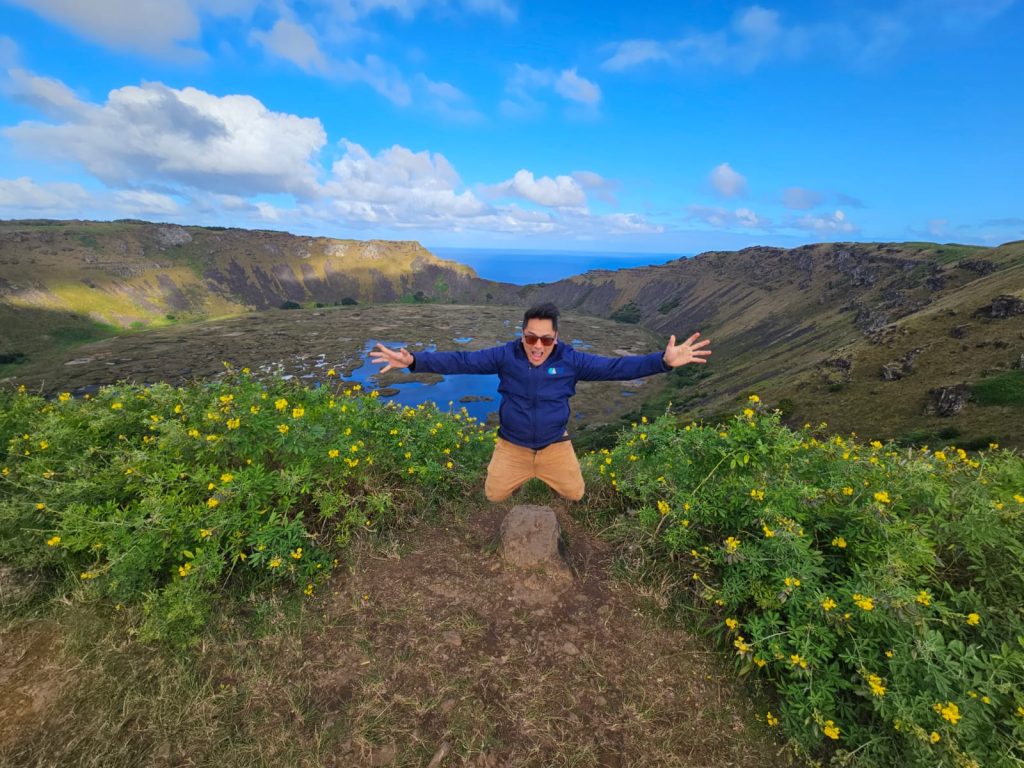
Psychology shows that when these stimuli disappear, the brain shifts into a more reflective and aware state. At first, this can feel unfamiliar, because your mind is still searching for something to do.
In Rapa Nui, this happens naturally. Between exploring and simply sitting by the ocean, you’ll find moments where you’re just present. It may feel similar to boredom—but in reality, it’s a pause your mind rarely experiences in daily life.
A Cultural Contrast That Shifts Your Perspective
Traveling somewhere different means encountering new ways of living. In psychology, this is known as cognitive dissonance—when what you see doesn’t match what you consider “normal.”
This can create surprise, but also learning. It invites you to question your habits and priorities.
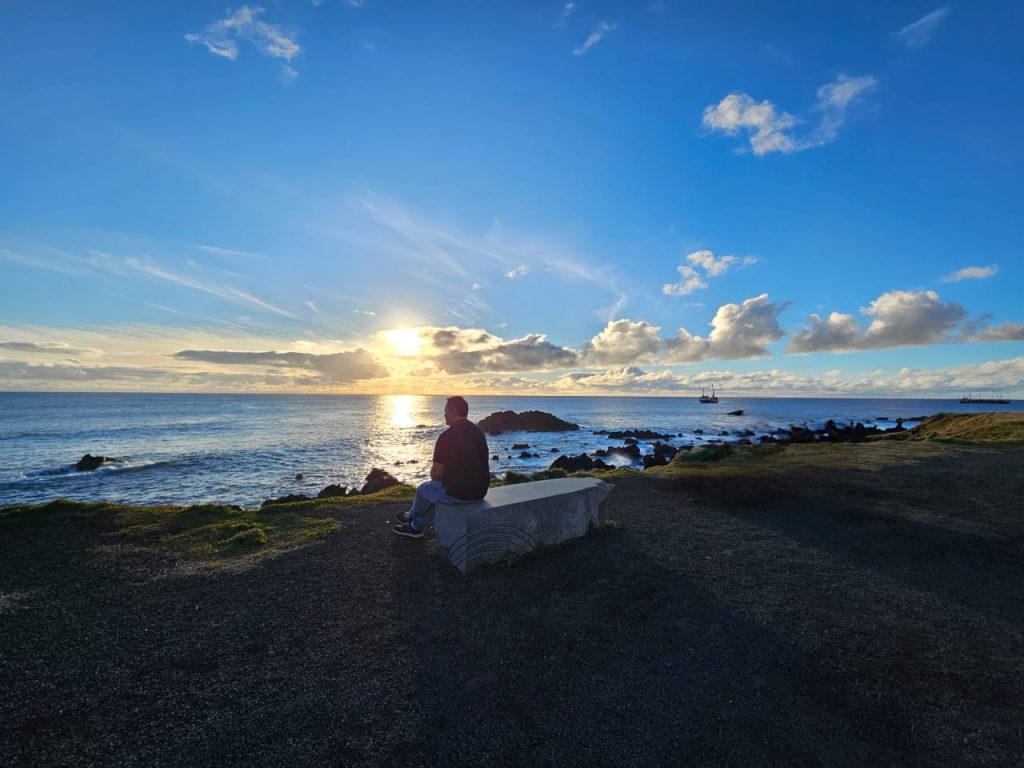
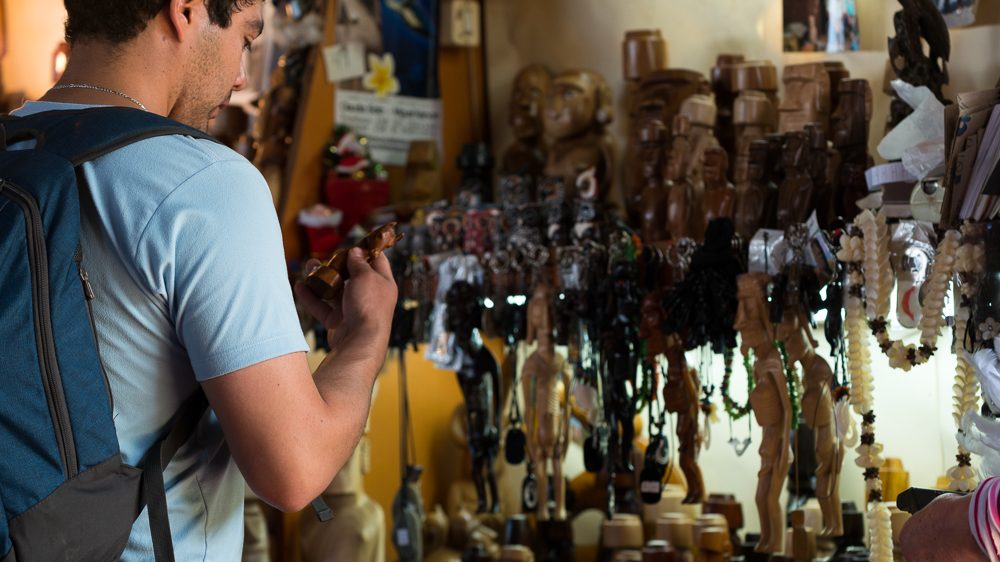
In Rapa Nui, this contrast is clear: modern technology coexists with simpler lifestyles, slower rhythms, and a strong connection to everyday life. In just a few days, it stops feeling unfamiliar… and starts making sense.
Human Connection in a More Personal Environment
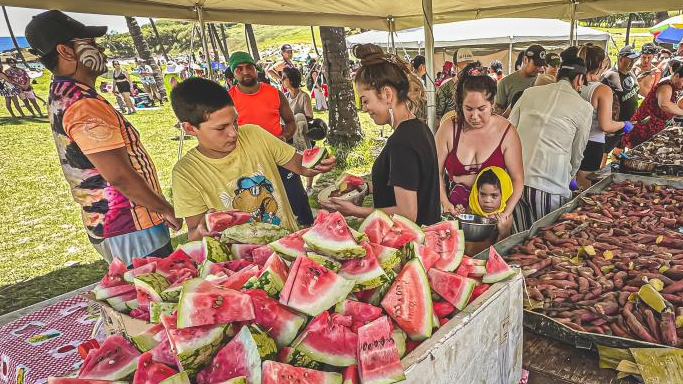
Social dynamics also shift when you leave big cities behind. In smaller communities, interactions tend to be more direct, frequent, and personal.
From a social psychology perspective, this kind of contact creates a stronger sense of connection in a shorter time.
In Rapa Nui, even during a short stay, it’s common to feel that closeness—spontaneous conversations, friendly greetings, a more human way of interacting. It adds a layer to the experience that goes beyond the landscapes.
An Intense Experience in Just a Few Days
Not all destinations create the same impact in a short time. Some require weeks to truly feel. Others, like Rapa Nui, concentrate a lot into just a few days.
The psychology of awe shows that experiencing vast, powerful environments changes your perception of time and reduces self-focus.
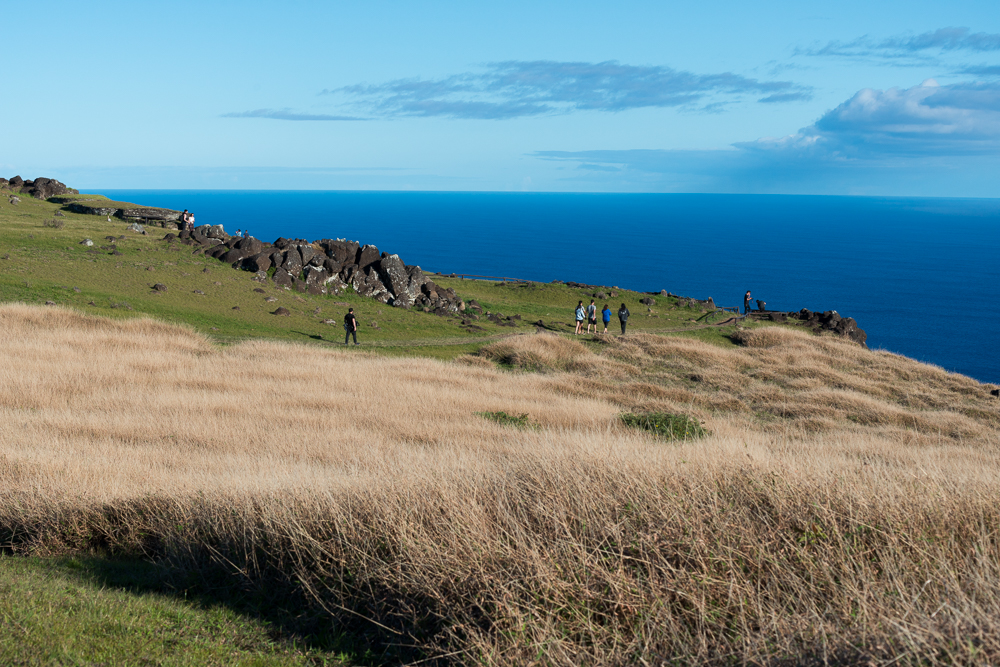
On the island, this happens quickly. Surrounded by extraordinary landscapes, that sense of awe appears almost immediately, making even a short stay feel meaningful and deep.
Adapting to the Rhythm: The Key to the Experience
When reality doesn’t match your expectations, you have two options: resist or adapt. Behavioral psychology shows that adapting reduces stress and improves overall experience.
In destinations like Rapa Nui, where things move slower and immediacy is not the norm, this adjustment is essential.
Those who adapt—even for a few days—experience the island in a much more meaningful way. They stop trying to control everything… and start enjoying it.
After 3 days in Rapa Nui, the change is not about how many places you visited, but how you experienced them. The combination of nature, disconnection, slower rhythms, and cultural contrast creates a real effect on your mind: you begin to think more slowly, observe more, and stay more present. It’s not something forced—it’s a natural response to a different environment.
And while everyone experiences it in their own way, one thing is consistent: when you stop trying to make everything work like it does in the city and allow yourself to adapt, Rapa Nui stops being just a destination… and becomes something that stays with you. In that process, choosing more personal experiences—such as exploring the island through private tours—can help you connect more deeply with its rhythm, its history, and its way of life, without the pressure of fixed schedules.
If this kind of experience resonates with you, you can continue exploring more about Rapa Nui through our articles. We’ve created content designed to guide you before your trip—from practical information to deeper insights.
You can start with our Ultimate Guide to Traveling to Rapa Nui 2026: Requirements, FUI and More, review the 10 Common Mistakes Visitors Make in Rapa Nui (and How to Avoid Them), and dive into Rapa Nui: Discovering What Photos Don’t Show, where we explore the details that truly shape the experience beyond what you see.