

On this page
Dark skies, southern constellations, and guided night tours when weather allows.
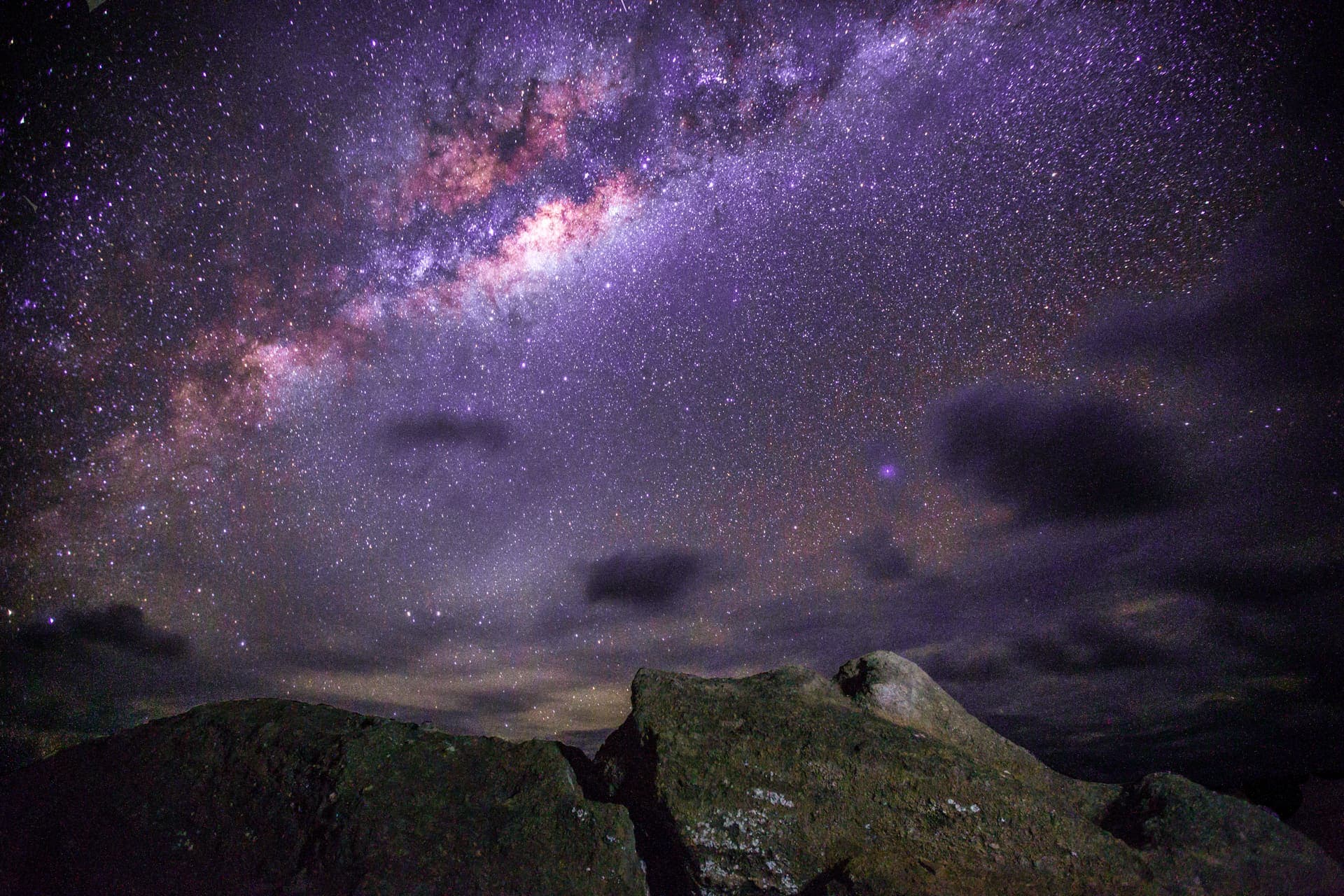
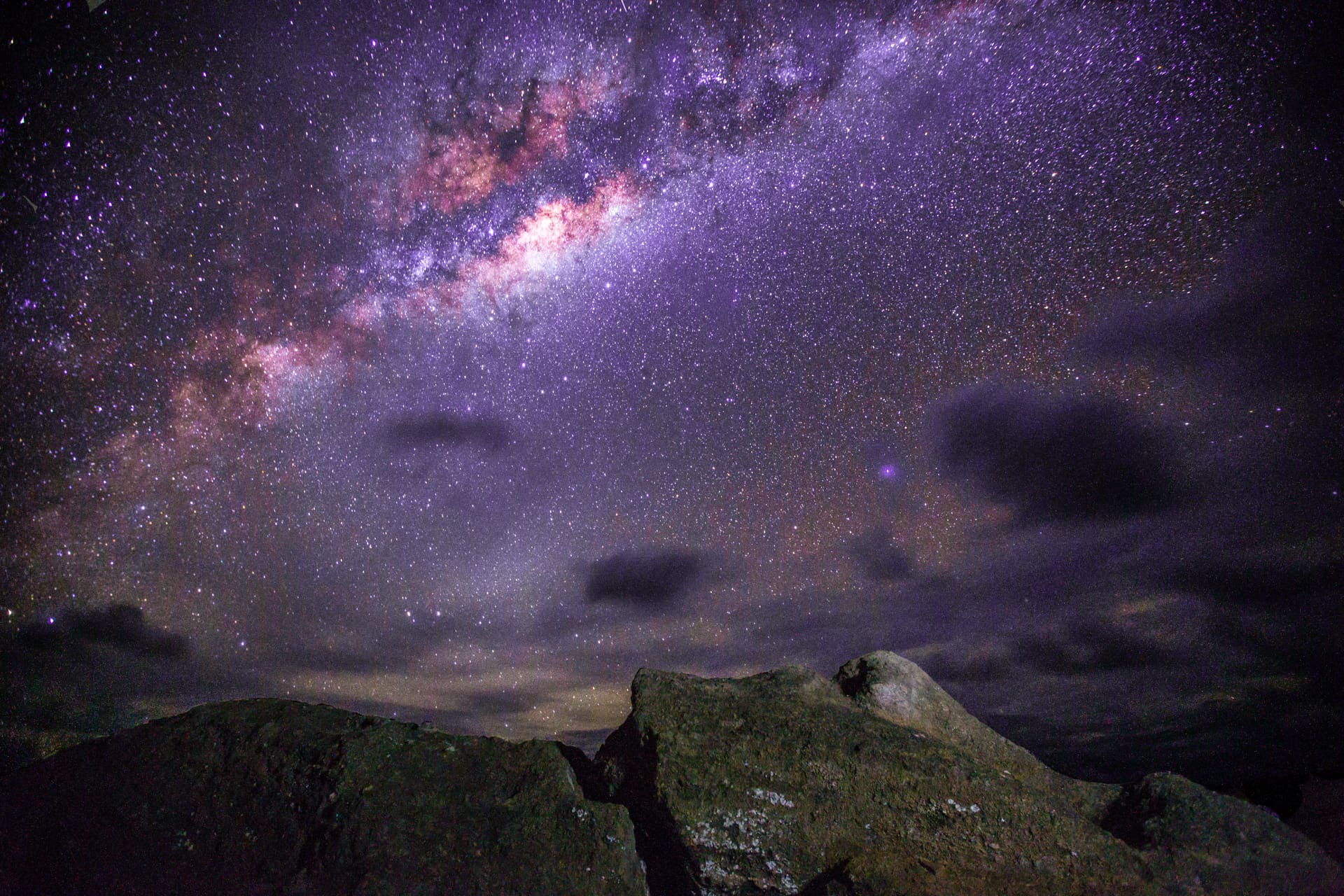
Hundreds of kilometres from major cities, Rapa Nui offers Bortle-class dark skies on moonless nights—ideal for the Magellanic Clouds, Crux, and seasonal Milky Way arches. Commercial operators run hotel-pickup stargazing tours (often ~3 hours) blending Polynesian navigation stories, portable telescopes, and night photography tips; clouds or wind may force last-minute rescheduling.
What you can see
Southern-hemisphere highlights include Alpha and Beta Centauri, the Southern Cross, and the Large and Small Magellanic Clouds—satellite galaxies visible naked-eye from dark beaches. Planets such as Jupiter and Saturn pop in small telescopes when above the horizon.
Guided experiences
Licensed guides combine cultural storytelling (star names in Rapa Nui tradition, voyaging canoes) with technical astronomy. Ask whether equipment, blankets, and tripods are supplied. Spanish and English are common; confirm language before booking.
DIY night-sky tips
Pick nights around new moon, walk away from Hanga Roa streetlights, and allow 20 minutes for dark adaptation. A red flashlight preserves night vision. Respect private land and park night closures—some sectors are off-limits after hours.
Photography & weather
Wide-angle lenses capture moai foregrounds with Milky Way backdrops when compositions align. Trade winds and fast-moving clouds are normal—flexibility beats a rigid shot list. Protect gear from salt spray if shooting near breaking waves.
Reviews
No reviews yet — be the first to share your experience.