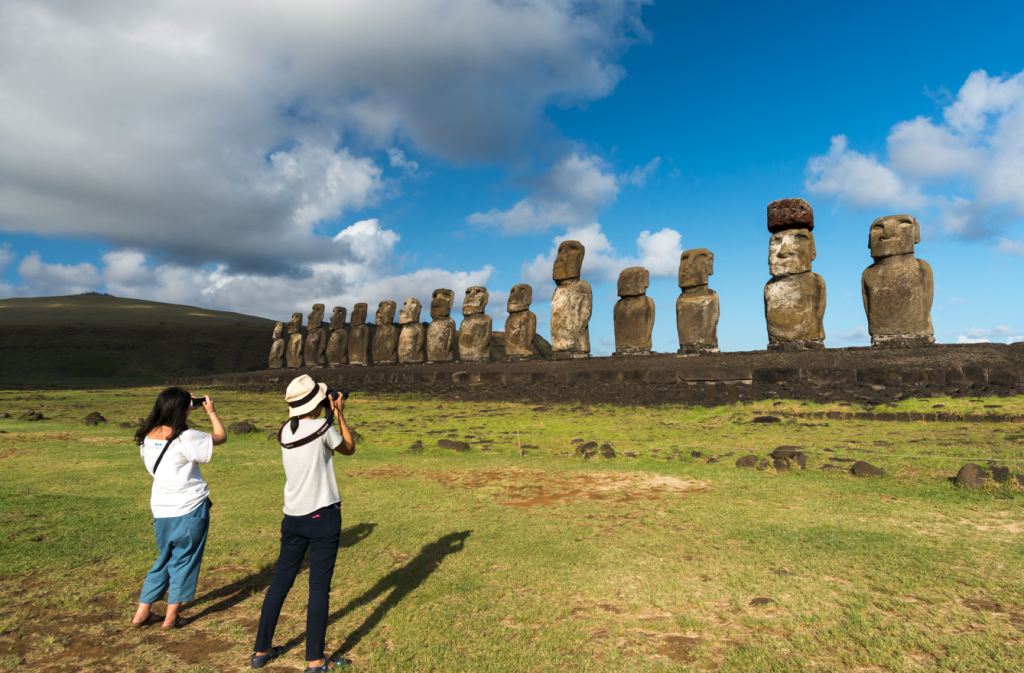
When people search for things to do in Rapa Nui, they usually find photos of moai, volcanoes, and beaches. And for good reason—they are among the most spectacular landscapes in the Pacific.
But after years of guiding visitors from all over the world, we have noticed something that happens again and again: those who join our Tours A & B remember much more than the places they visited. They remember how they felt, the conversations they had, the stories they heard, and those unexpected moments that turn a sightseeing tour into a truly authentic experience.
More than visiting archaeological sites
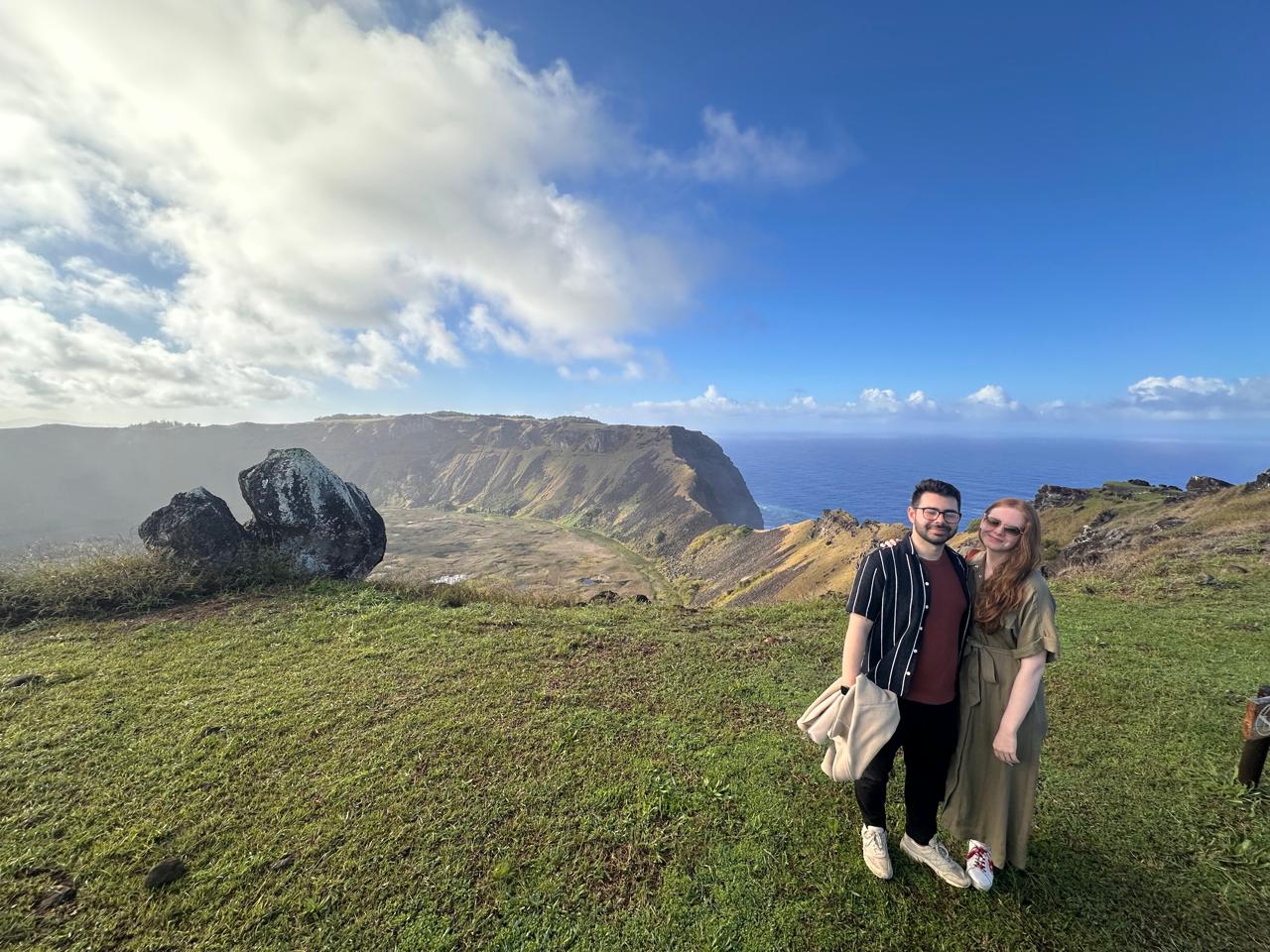
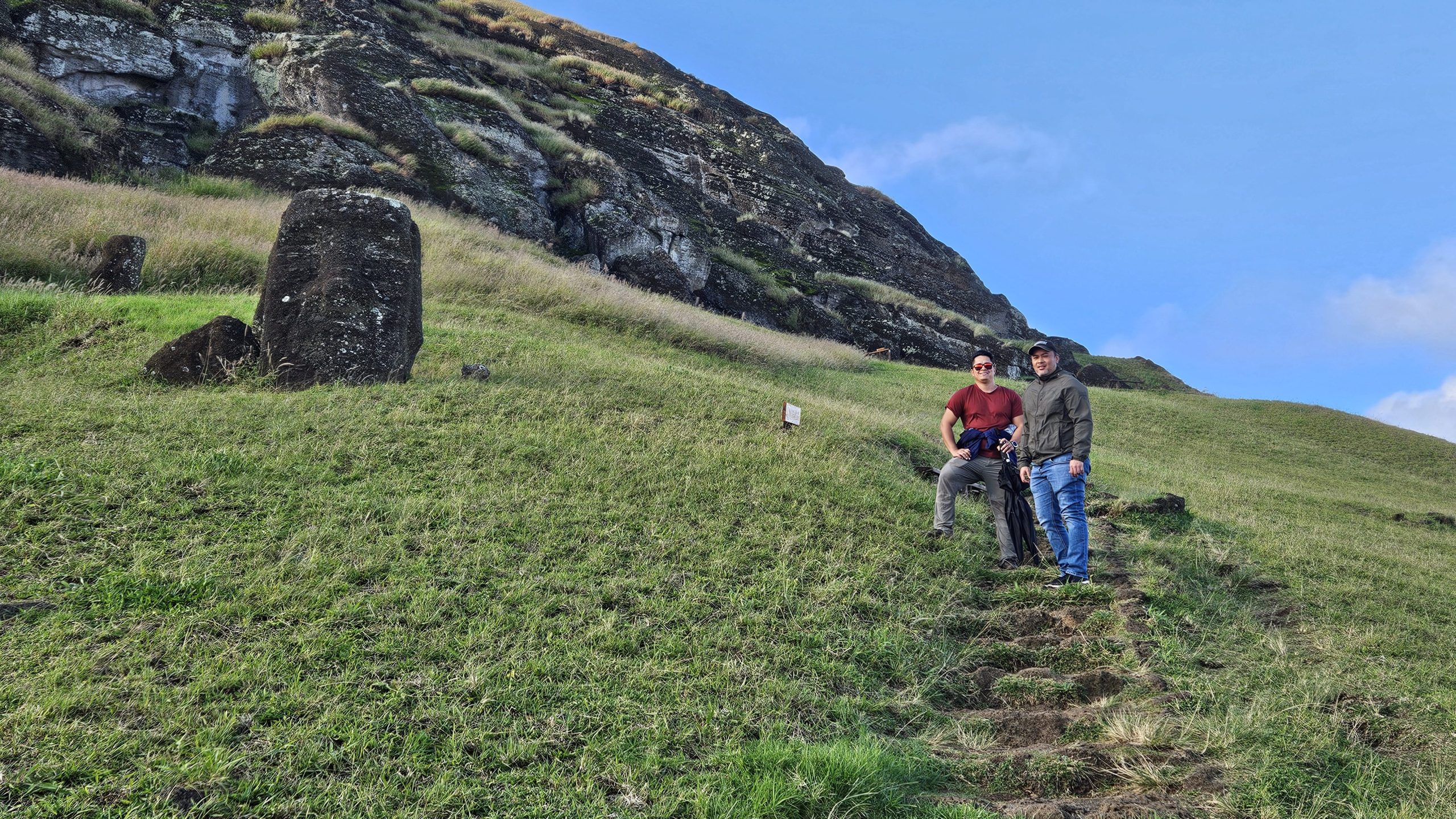
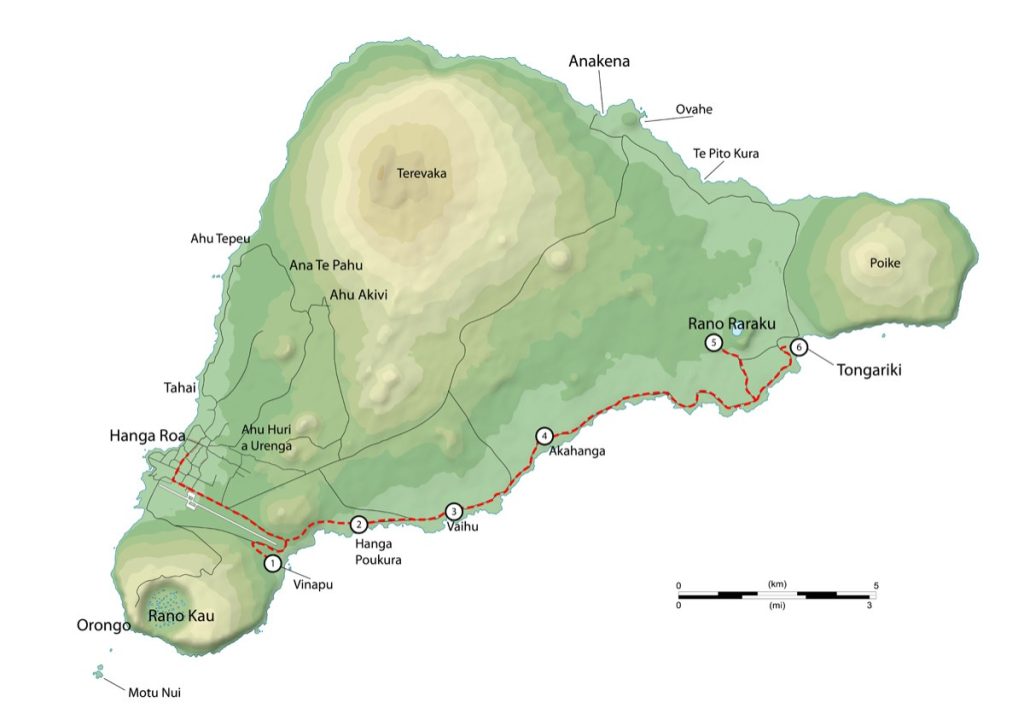
Tours A & B cover many of the island’s most important locations: Ahu Tongariki, Rano Raraku, Anakena, Orongo, Rano Kau, Ahu Akivi, and many more.
However, experiencing Rapa Nui is not simply about arriving at a site, taking a photograph, and moving on. Every place has a story, every landscape has meaning, and understanding that meaning completely transforms the experience.
Once you learn why an ahu was built, how the moai were carved, or what an ancient ceremonial village represented, these places become far more than beautiful scenery—they become unforgettable.
In addition, much of what has been shared about Rapa Nui through documentaries, television programs, and the internet often simplifies or interprets aspects of its history and culture. While many of these theories are fascinating, they do not always reflect the perspectives that the Rapanui people themselves have passed down through generations.
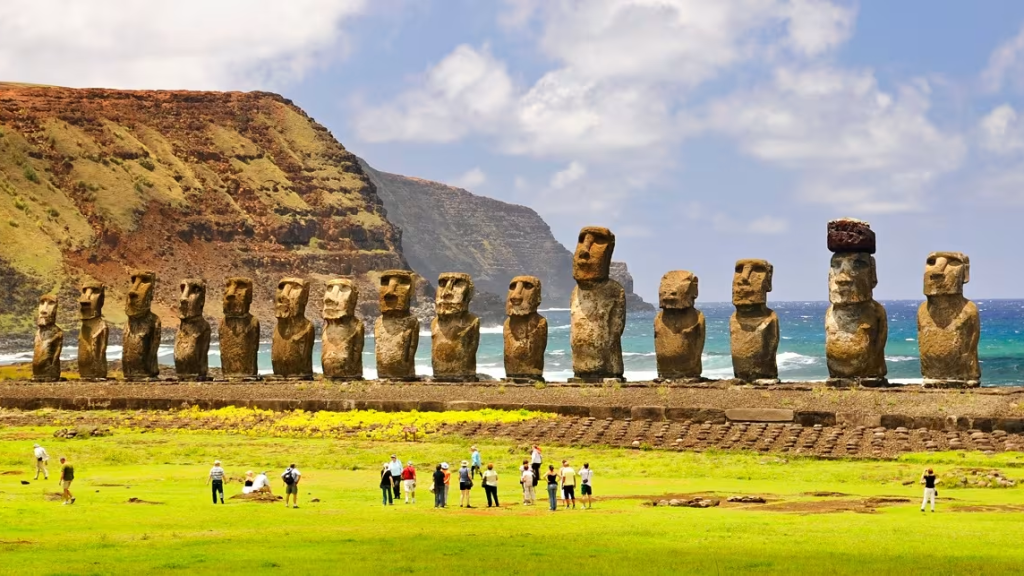
Traveling with local guides allows visitors to discover these perspectives as well: stories, traditions, and knowledge that form part of the island’s living memory and help explain its identity.
This becomes even more meaningful when we understand that Rapa Nui is not culturally isolated. It is a key part of the great Polynesian Triangle, sharing ancestral navigation traditions, cultural connections, and common roots with other Pacific peoples.
That perspective provides a deeper understanding of the places we visit and reveals a more authentic Rapa Nui, one that remains closely connected to its heritage.
Connecting with places that remain sacred
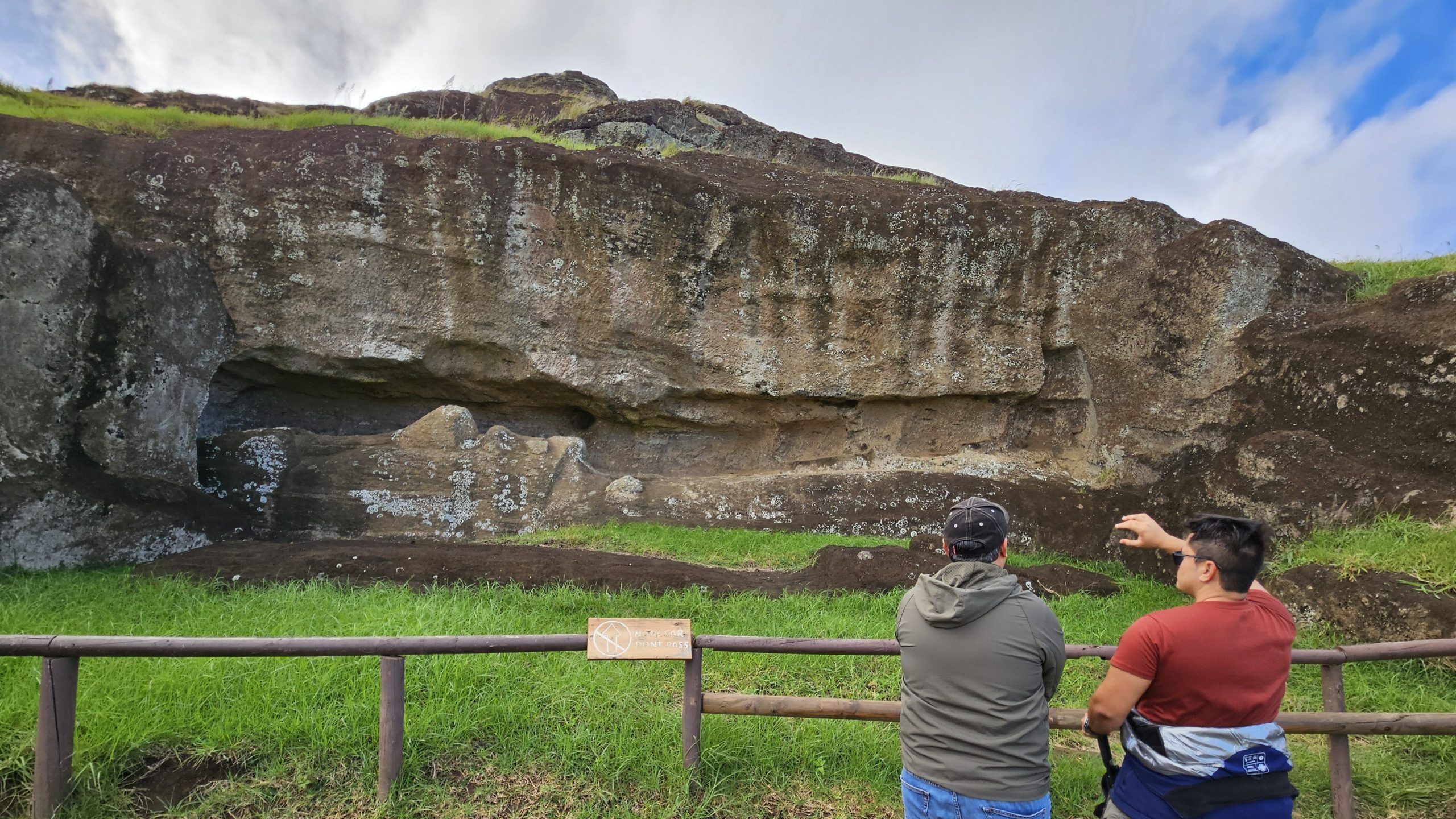
Rapa Nui is not an open-air museum—it is a living community. Many of the places we visit during our tours still hold deep cultural significance for the Rapanui people, which is why our guides do much more than share historical facts.
They also help visitors understand the relationship between today’s community and its ancestral heritage. This connection allows travelers to experience the island with greater respect and a deeper appreciation.
Over the years, we have heard something fascinating from many visitors: different places evoke different emotions. Not because anyone suggests how they should feel, but because the landscape, history, and atmosphere seem to speak together.
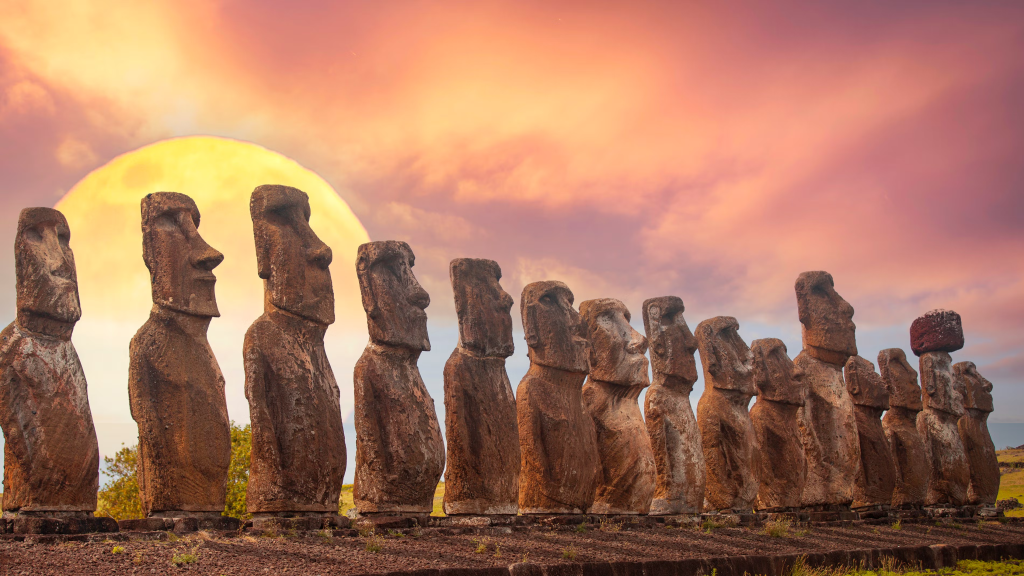
Many travelers describe some places as peaceful, others as melancholic, and others as surprisingly energetic. What is interesting is that once they learn the stories behind these locations, those feelings often begin to make sense.
The land seems to speak through its landscapes. What first appears to be a simple emotion often finds explanation in the ceremonies, traditions, and historical events that were connected to that place for generations.
That is why exploring Rapa Nui with a local guide goes far beyond receiving information. It is an opportunity to discover the layers of meaning behind every landscape and understand how history, culture, and nature remain deeply intertwined across the island.
Learning from local guides makes all the difference
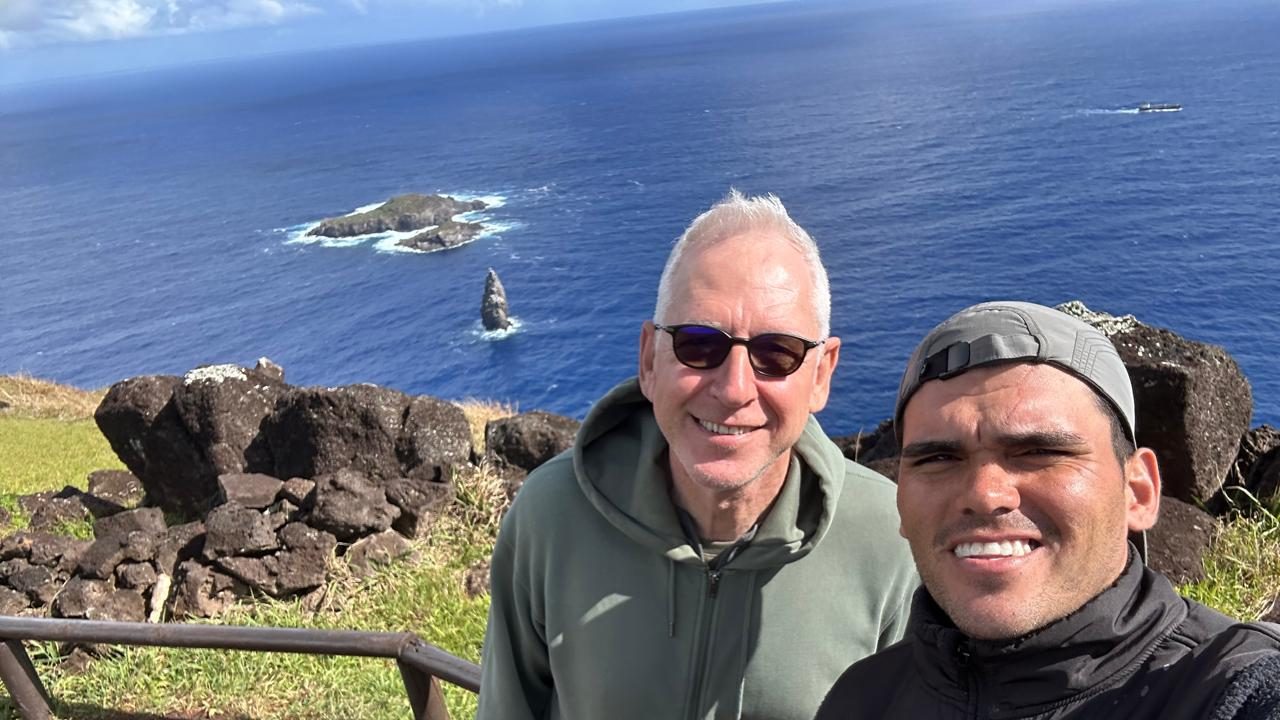
The internet can provide information, but it cannot answer questions, share personal experiences, or explain what it is like to grow up and live on an island as unique as Rapa Nui. Our local guides offer a genuine and personal perspective that helps visitors better understand the island’s culture, history, and everyday life.
During tours, spontaneous conversations often become just as valuable as the archaeological sites themselves. Visitors frequently discover aspects of Rapa Nui that cannot be found in books, documentaries, or social media, but instead come from traditions and knowledge passed down through generations.
There is also a significant difference between knowing historical facts and understanding why these places continue to matter to the local community today. Our guides help connect the past with the present, providing insights that deepen visitors’ understanding of both Rapanui culture and its Polynesian roots.
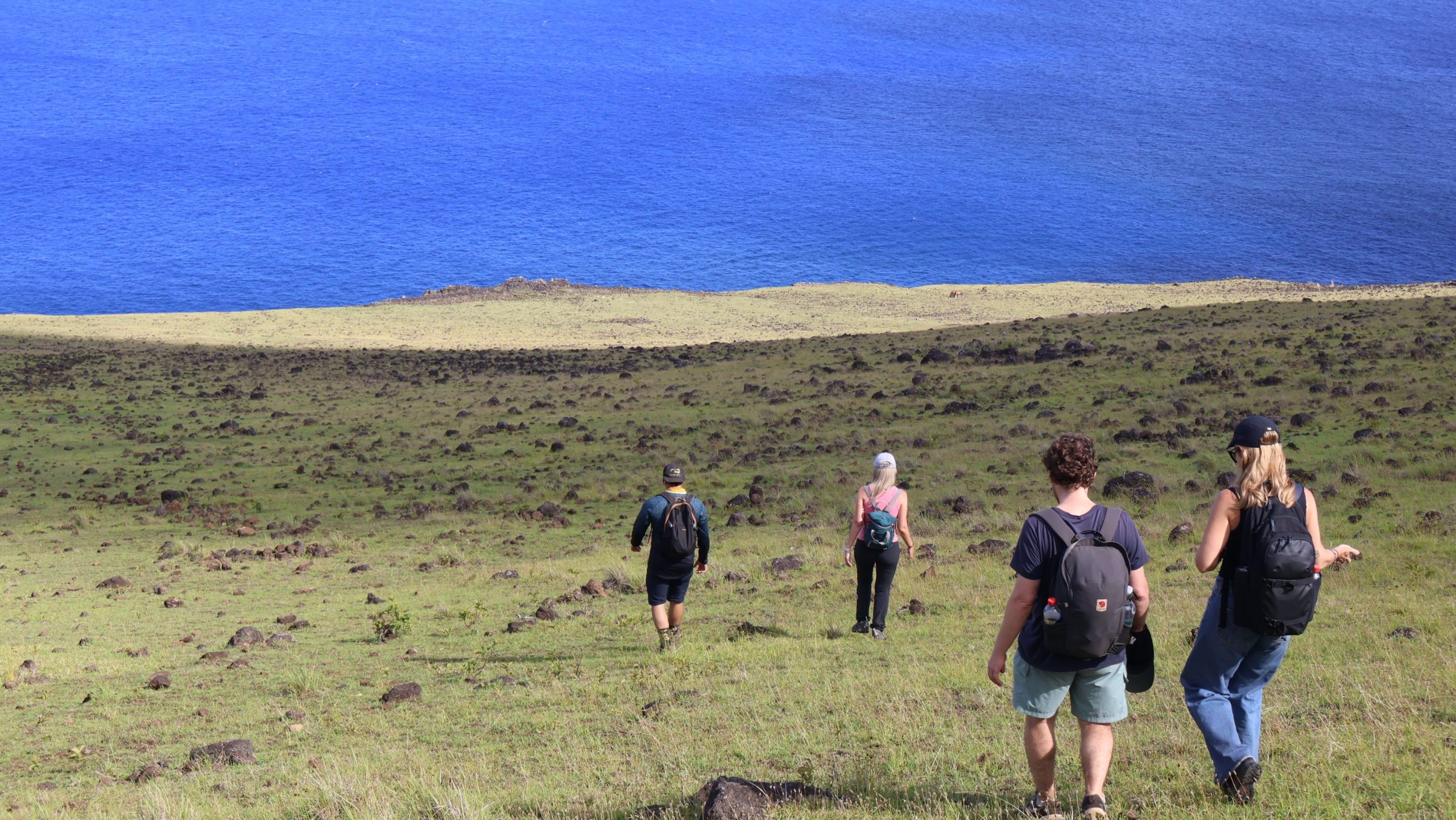
As a result, many travelers return home remembering not only the moai and landscapes but also the stories, conversations, and lessons they experienced during their journey. These are the moments that transform a trip into something truly personal and unforgettable.
The best moments are often not on the itinerary
One of the things that makes our private tours special is their flexibility. When time, weather conditions, and the group allow, our guides often share experiences that go beyond the traditional itinerary.
Sometimes that means stopping to pick fresh guavas or tasting bananas straight from the tree. Other times it means exploring a coastal area to observe marine life or discovering aspects of everyday island life that rarely appear in travel guides.
Imagine your guide saying, “We have some extra time. Would you like to explore this area?” A few minutes later, you are walking along a volcanic shoreline, learning how locals collect sea urchins and tasting them fresh from the ocean. These spontaneous experiences are not always part of the plan, but they often become some of the most memorable moments of the trip.
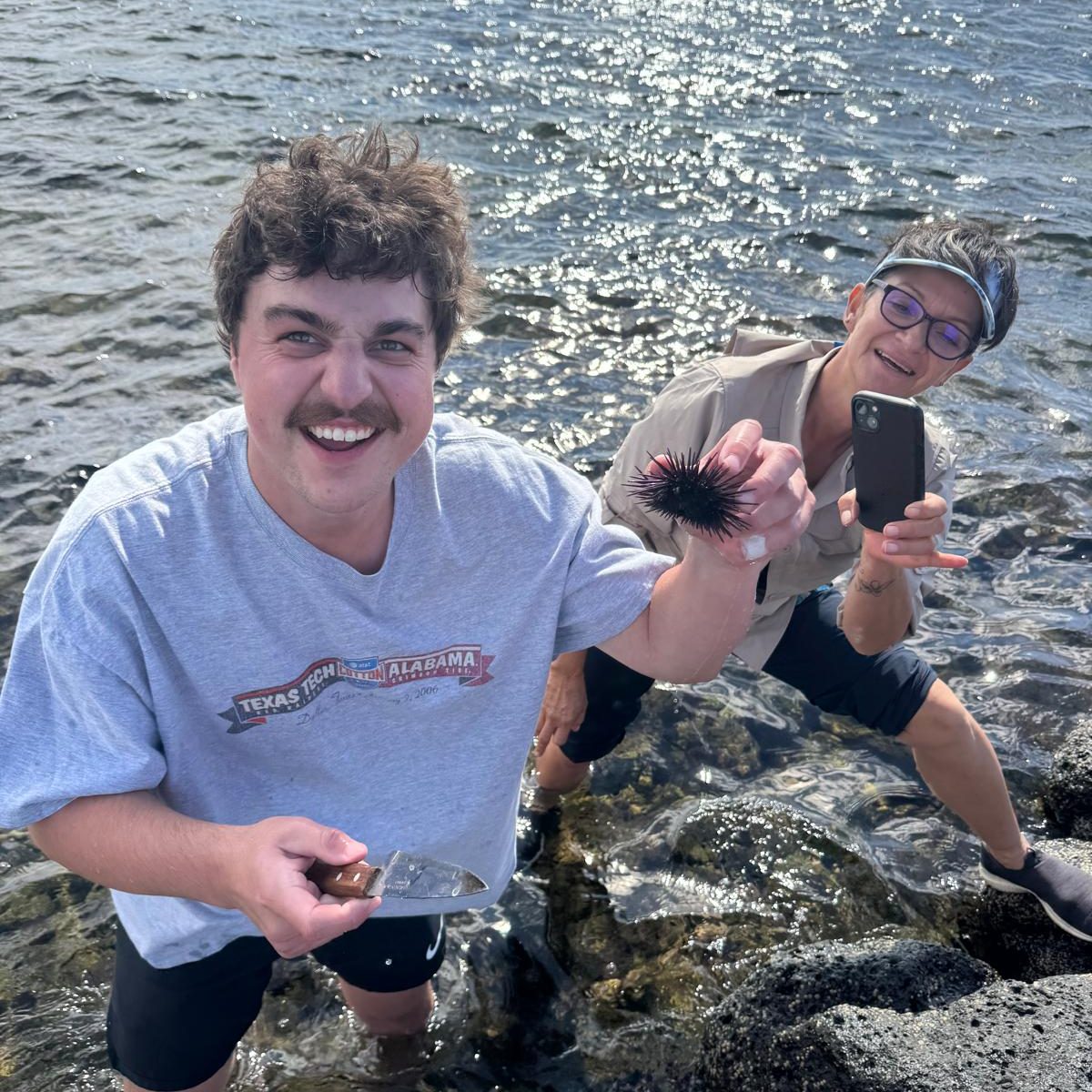
And that is just one example of the many unique situations that can happen when you explore the island with people who truly know, love, and enjoy sharing it. Simple moments often become the most unforgettable memories.
Nature in Rapa Nui can benefit your well-being
Numerous studies have shown that spending time in nature can help reduce stress, improve mood, and support mental well-being. In Rapa Nui, this connection happens naturally. The Pacific Ocean, volcanic landscapes, wide-open spaces, and the constant sound of the sea are part of everyday life.
Many visitors tell us that after a few days on the island, they feel they have slowed down and disconnected from everyday worries. Far from crowded cities and constant distractions, Rapa Nui invites you to observe, walk, listen, and be fully present.
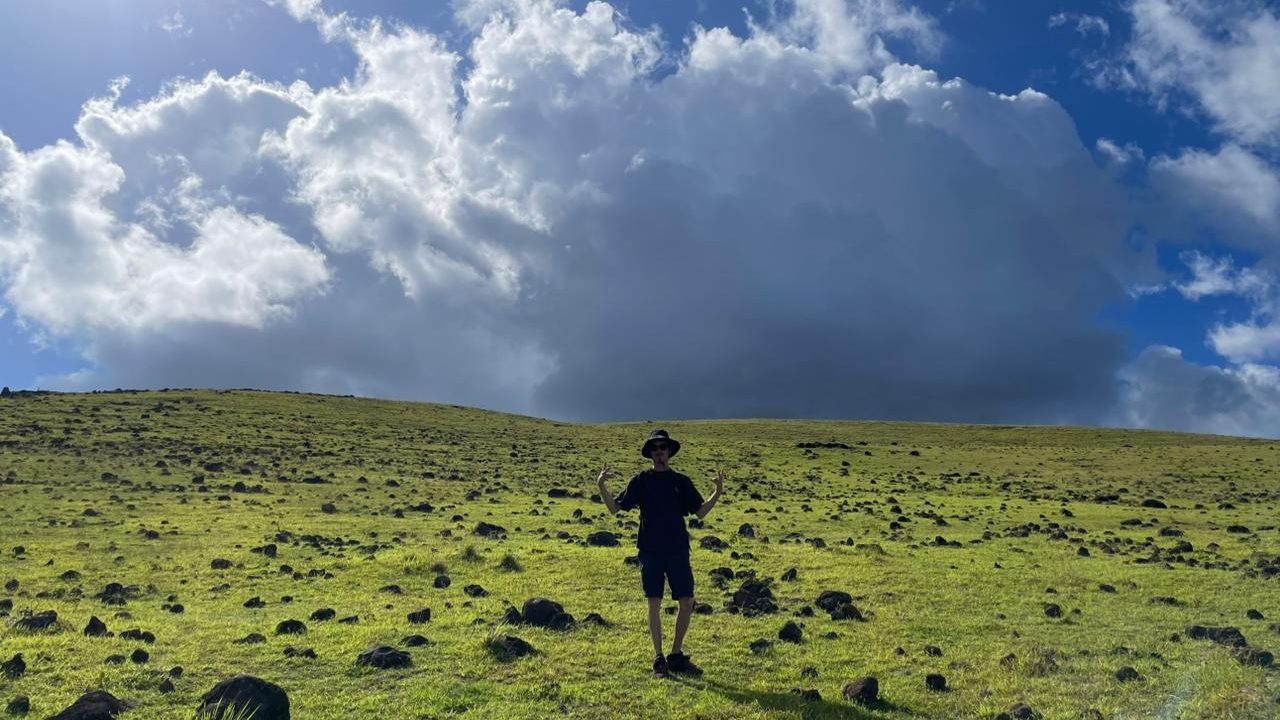
It is no coincidence. The combination of nature, outdoor activity, unique scenery, and less dependence on screens creates an experience many travelers describe as deeply refreshing. If you would like to learn more, we invite you to read our article about how your mind can change after three days in Rapa Nui.
Two days to better understand Rapa Nui
Tours A & B allow visitors to explore the island’s main archaeological, cultural, and natural attractions through two complementary experiences.
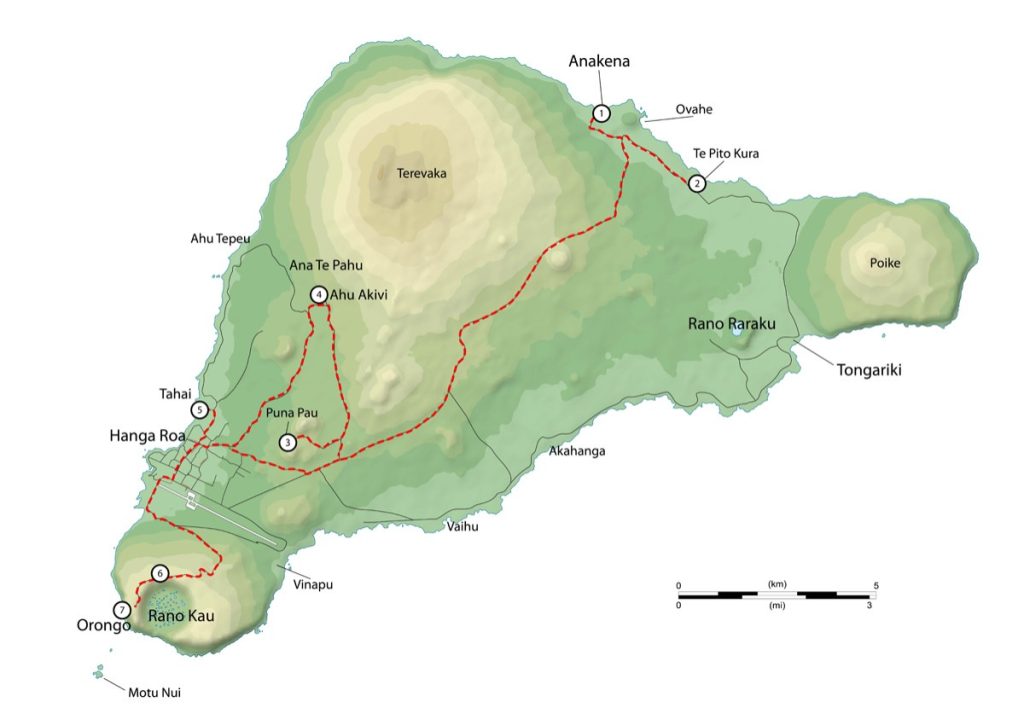
Together, they provide a much more complete understanding of Rapa Nui. Beyond visiting famous landmarks, they help explain how geography, history, culture, and the daily life of the Rapanui community are interconnected. That is why they are the most recommended option for travelers who want to discover the true essence of the island.
Book our Tours A & B in Rapa Nui
If you are planning a visit, our Tours A & B follow a route that helps visitors understand the historical and cultural evolution of Rapa Nui, from the places linked to the origins and development of Rapanui society to those that reflect its transformations over time.
Beyond exploring volcanoes, ceremonial villages, ahu platforms, beaches, and some of the world’s most impressive moai, you will have the opportunity to connect with nature, learn from local people, and enjoy authentic experiences that are difficult to find in any travel guide. These conversations, discoveries, and unexpected moments often become the most meaningful memories of the journey and help visitors understand a story that remains alive today.
Continue exploring Rapa Nui through our blog, where we share local stories, travel tips, cultural insights, and everything you need to enjoy a deeper and more authentic island experience.