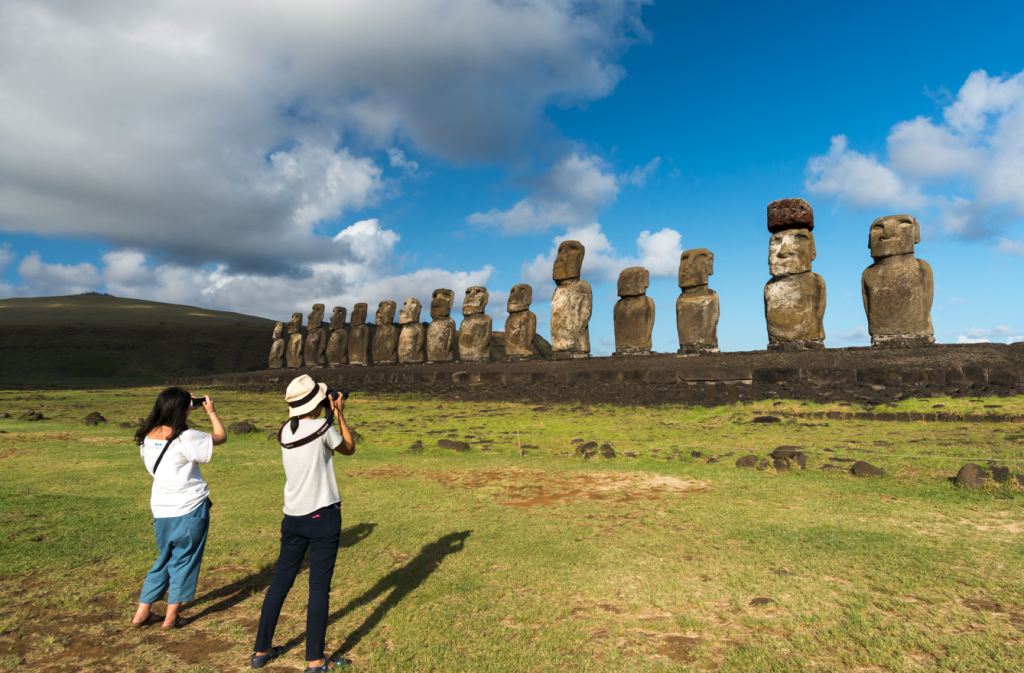

Our Rapa Nui Express Tour is designed for travelers who want to see the island’s most iconic and important landmarks all in a single day, without missing out on the essence of its unique history, archaeology, and landscapes.
Short on time to explore the island? In about 6 hours and 30 minutes, you’ll visit some of Rapa Nui’s top archaeological and natural sites alongside an expert local guide. It’s the perfect mix of ancient culture, breathtaking volcanic scenery, and some of the most significant monuments in Polynesia.
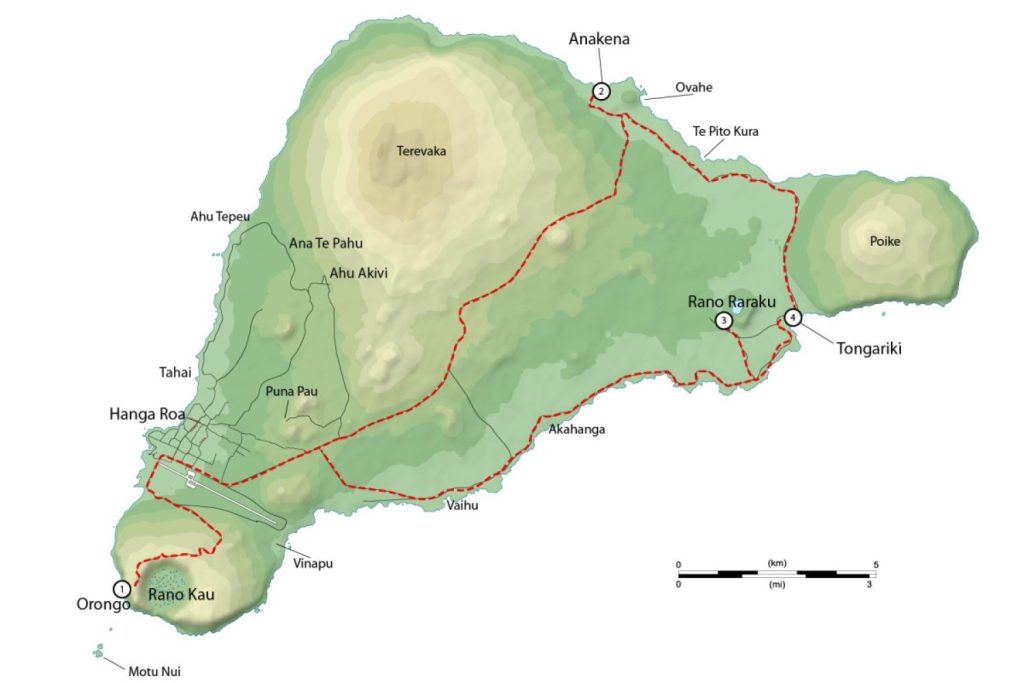
This Express Tour is perfect if you’re looking for a complete experience in a short amount of time, allowing you to discover Rapa Nui’s top archaeological sites comfortably and with a local guide by your side.
What Is Included in the Express Tour in Rapa Nui?
Our Express Tour in Rapa Nui includes:
- Hotel pickup and drop-off
- Transportation during the entire experience
- Specialized local guide
- Water bottle
- Visit to the island’s main archaeological sites
It is an excellent option for travelers with only a few days on the island or for those who want to combine the tour with other activities during their stay.
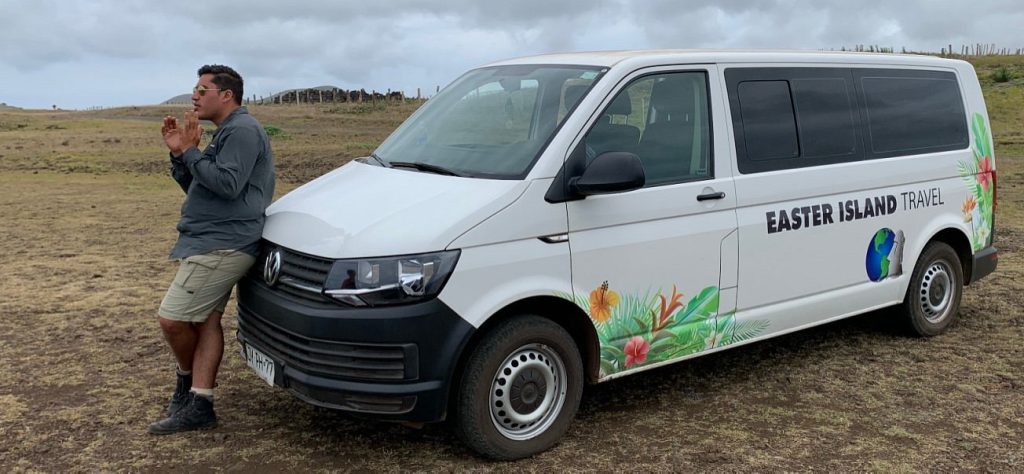
Places You Will Visit During the Tour
Orongo: The Ceremonial Birdman Village
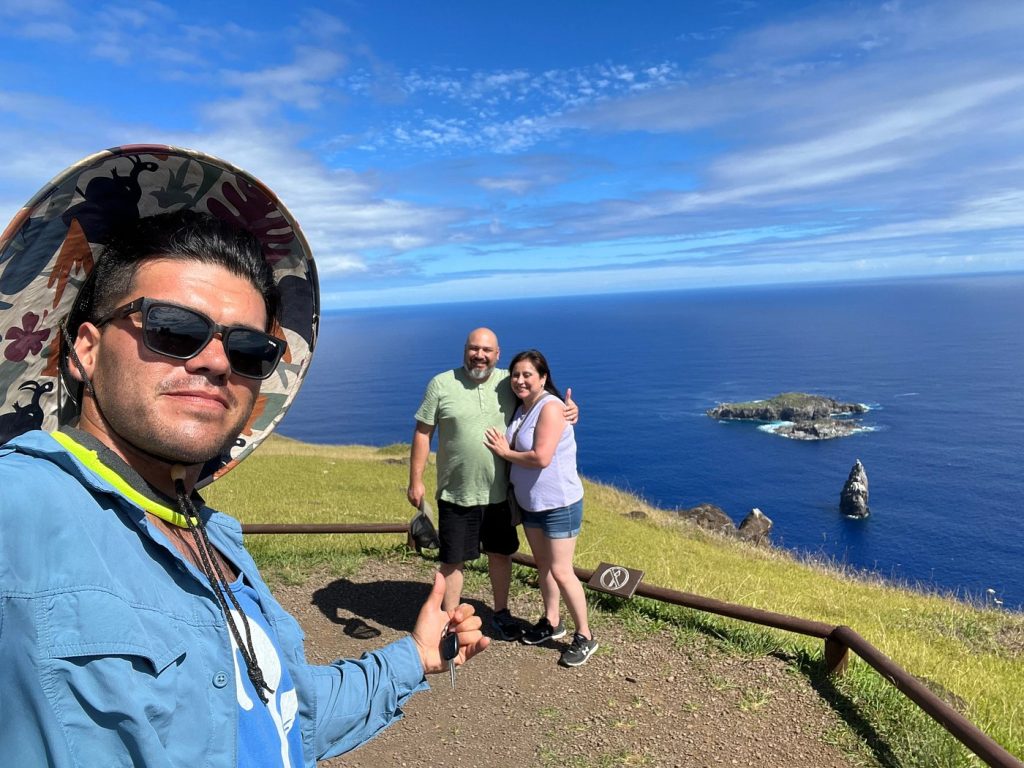
The tour begins at Orongo, an ancient ceremonial stone village located on the edge of the Rano Kau volcano.
This important archaeological site was the center of the famous Birdman competition (Tangata Manu), one of the most significant ceremonial traditions in Rapa Nui culture.
From here you will enjoy spectacular views of the Pacific Ocean and the Motu Nui, Motu Iti, and Motu Kao Kao islets.
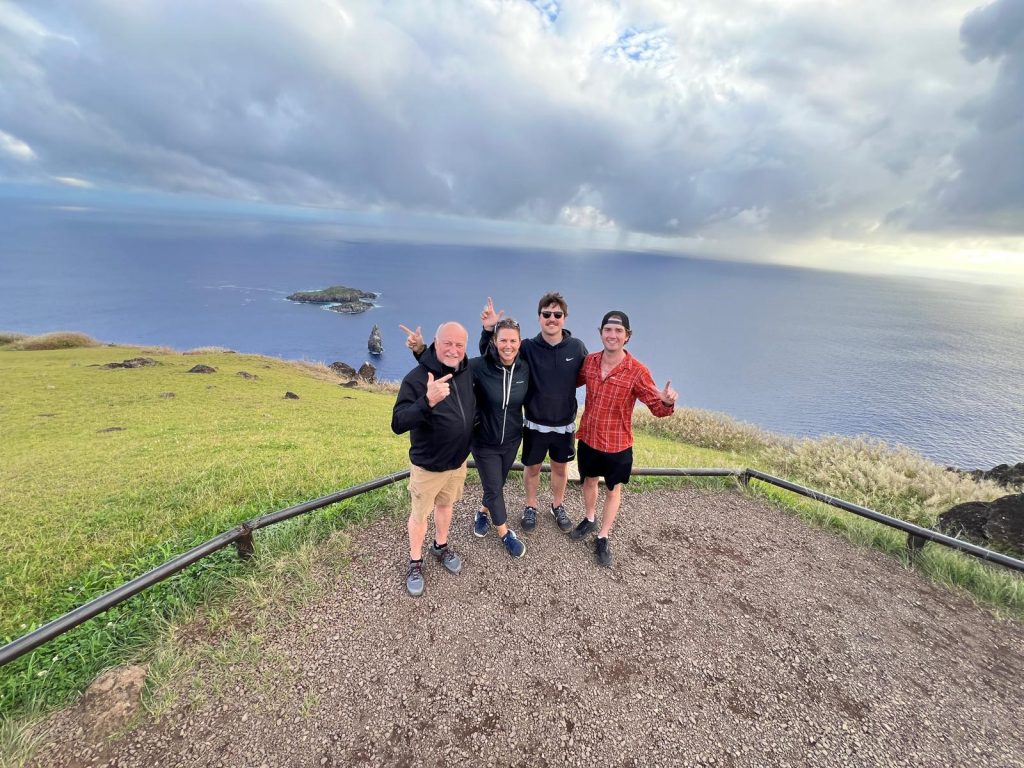
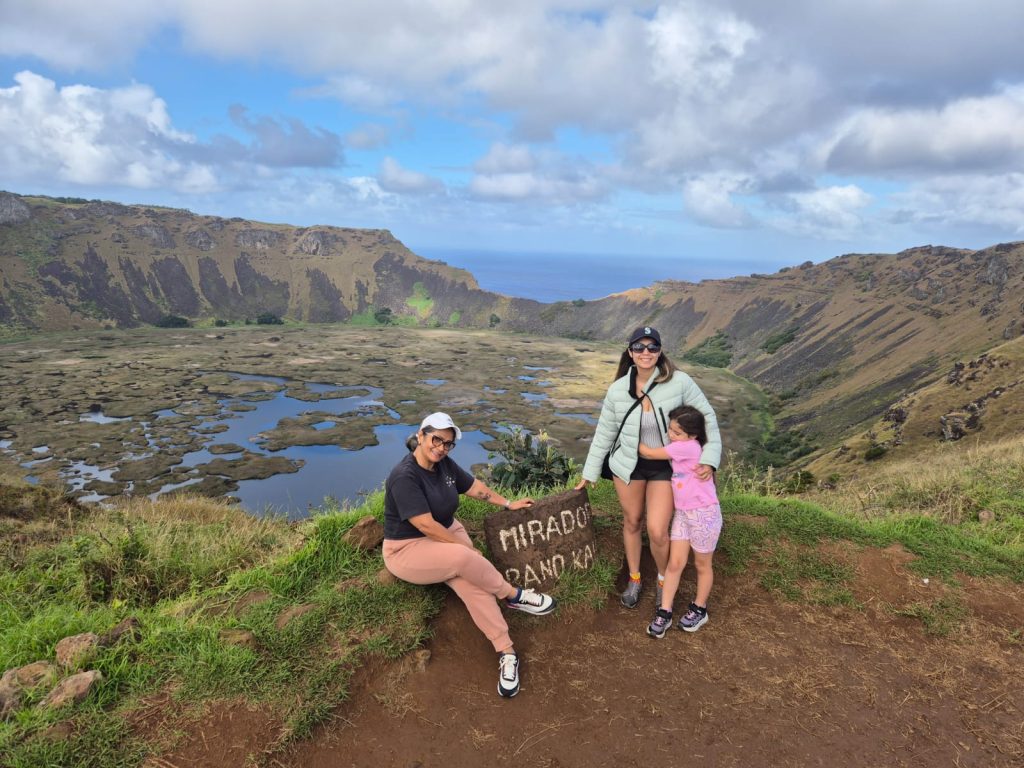
Rano Kau: One of the Most Impressive Craters in Rapa Nui
Within the Orongo sector you will also have a privileged view of the Rano Kau volcanic crater, considered one of the most breathtaking natural landscapes in Rapa Nui.
Inside the crater lies a freshwater lake that was once an important water source for the island’s ancient inhabitants.
The combination of archaeology, volcanoes, and panoramic views makes this an unforgettable stop on any Rapa Nui tour.
Rano Kau is the combination of archaeology, volcanoes, and panoramic views makes Rano Kau an absolute must-see stop that you’ll explore with us.
Rano Raraku: The Quarry Where the Moai Were Carved
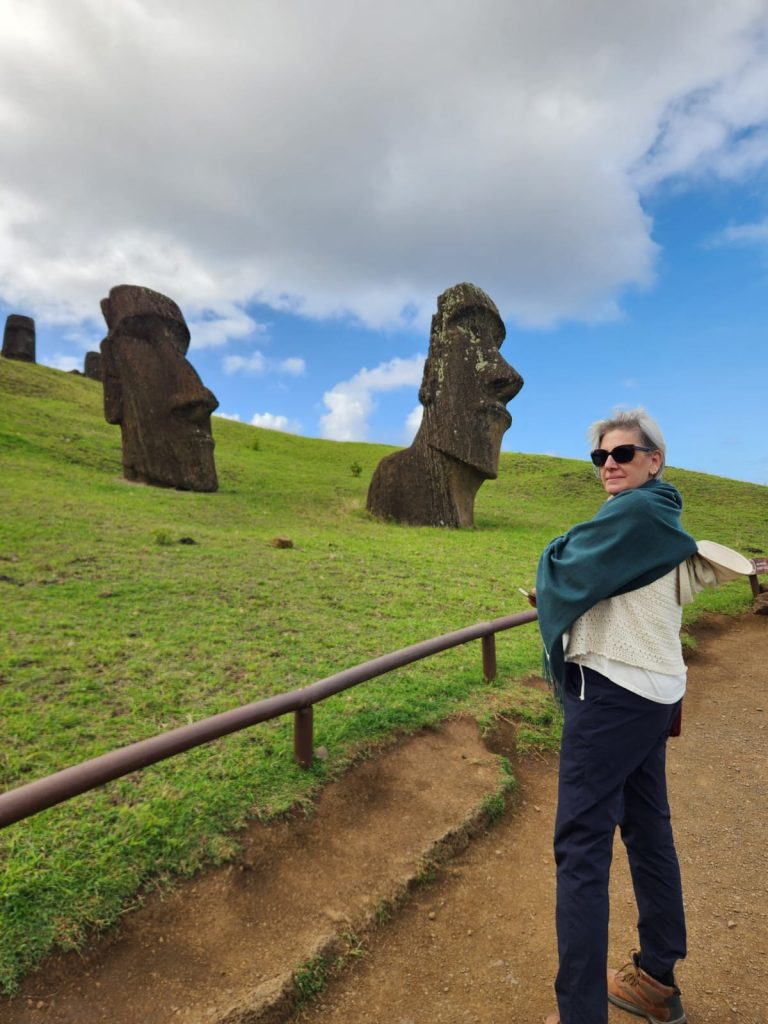
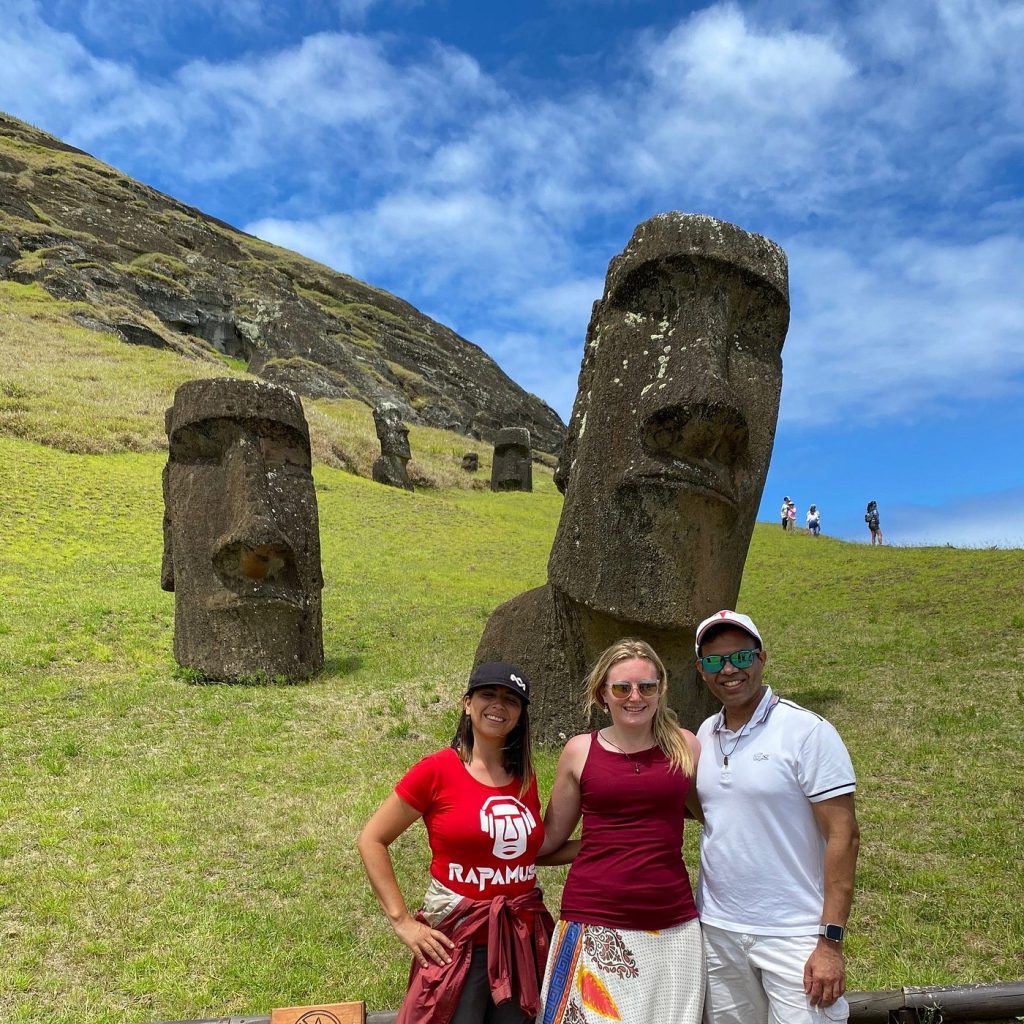
One of the most impressive locations on the Express Tour in Rapa Nui is Rano Raraku, the volcano where almost all of the island’s moai were carved.
This site functioned as a massive quarry and megalithic production center. Here you can observe hundreds of moai in different stages of carving, many of them still partially buried on the slopes of the volcano.
Rano Raraku is one of the most important archaeological sites in Rapa Nui and offers valuable insight into the island’s extraordinary cultural and ceremonial legacy.
Lunch Stop
During the tour we will make an appropriate stop for lunch. Lunch is not included in the tour price.
We recommend bringing between CLP $5,000 and $25,000 per person depending on where or what you prefer to eat. You are also welcome to bring snacks or light food.
Ahu Tongariki: The Largest Monument in Rapa Nui
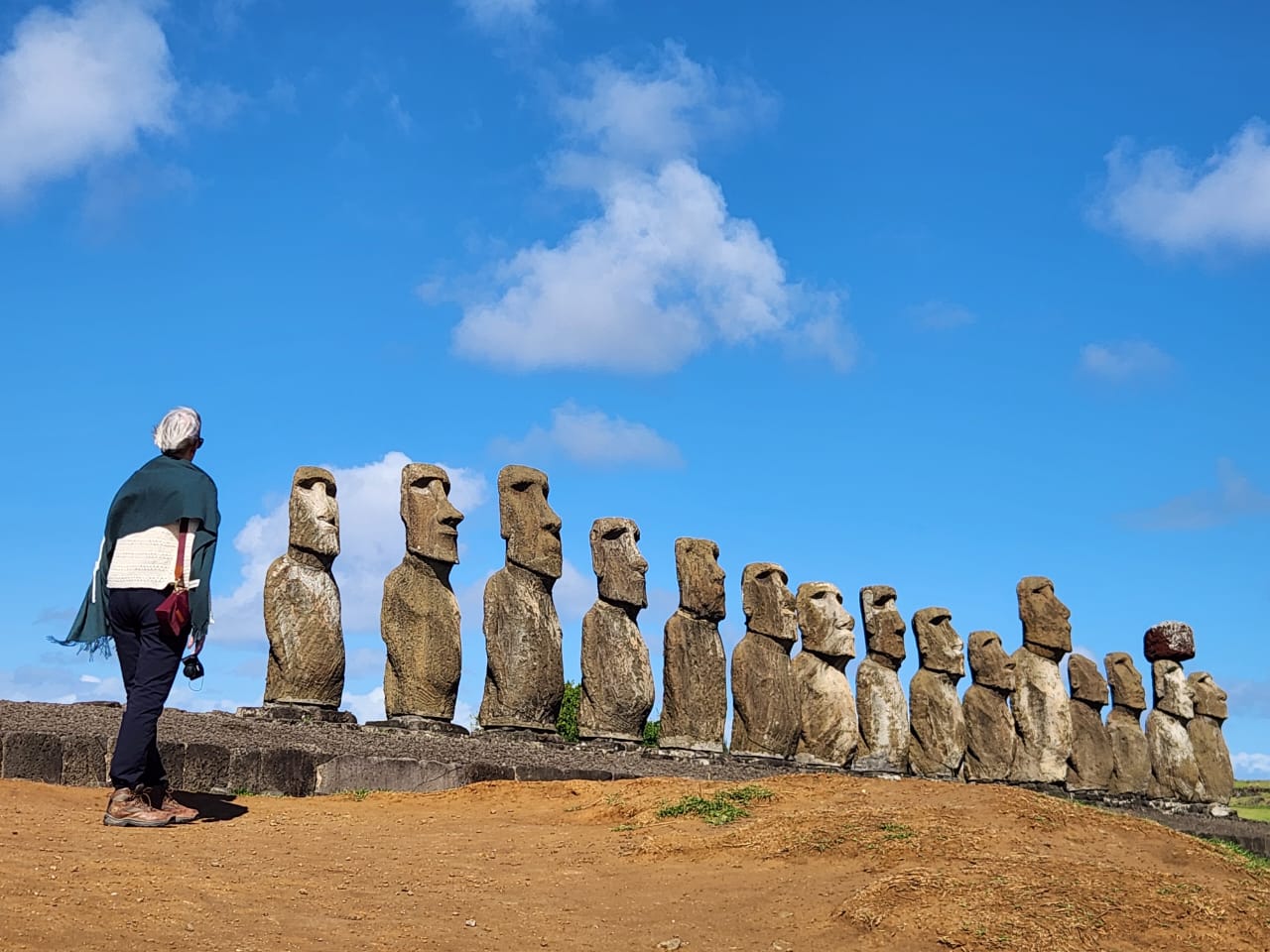
The Express Tour continues to Ahu Tongariki, considered the largest and most impressive ceremonial platform in Rapa Nui.
Here you will see a restored ceremonial platform featuring 15 gigantic moai aligned against the island’s coastal landscape, making it one of the most photographed and iconic places in Rapa Nui.
Ahu Tongariki is one of the most recognized archaeological symbols in all of Polynesia.
Anakena: Beach, History, and Moai by the Ocean
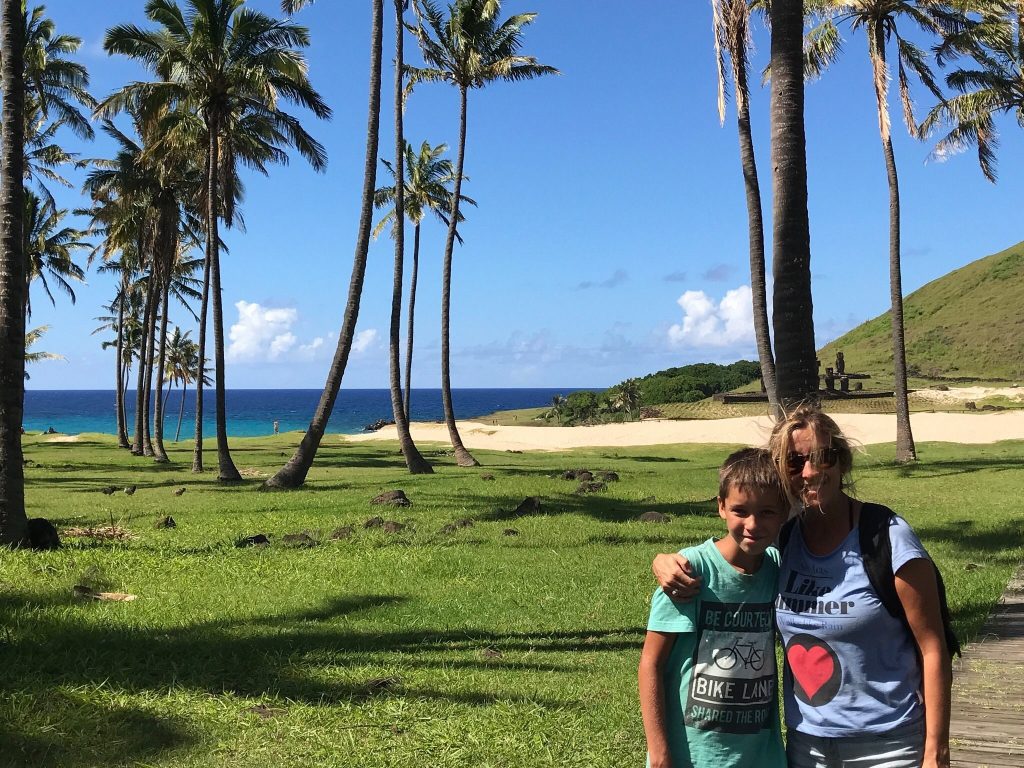
The final stop of the Express Tour is Anakena, the most famous beach in Rapa Nui.
In addition to its white sand and calm waters, Anakena is home to Ahu Nau Nau, a ceremonial platform with some of the best-preserved and restored moai on the island.
Many of these moai remained buried under the sand for centuries until they were excavated and restored in recent decades.
Anakena is also a perfect place to relax, enjoy the scenery, or even swim in the Pacific Ocean.
What Should You Bring?
To enjoy the experience comfortably, we recommend bringing:
- Hat or cap (preferably with a strap for windy days)
- Sunscreen
- Sunglasses
- Rain jacket or windbreaker
- Money for lunch
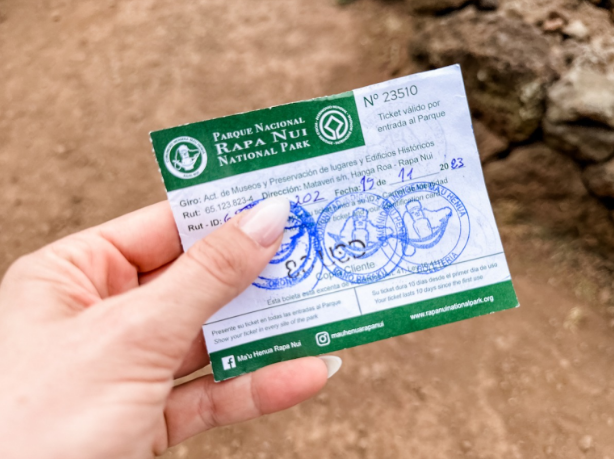
- Rapa Nui National Park ticket
Rapa Nui National Park Ticket 2026: Important Information
The Rapa Nui National Park ticket is not included in the express Tour and is mandatory for entering most archaeological sites on the island.
Tickets can be purchased:
- Online at www.rapanuinationalpark.com
- In downtown Hanga Roa near the artisan market
- At Hanga Piko port for cruise passengers
Most archaeological sites in Rapa Nui are part of the Rapa Nui National Park, declared a UNESCO World Heritage Site in 1995 because of its extraordinary archaeological, cultural, and historical importance.
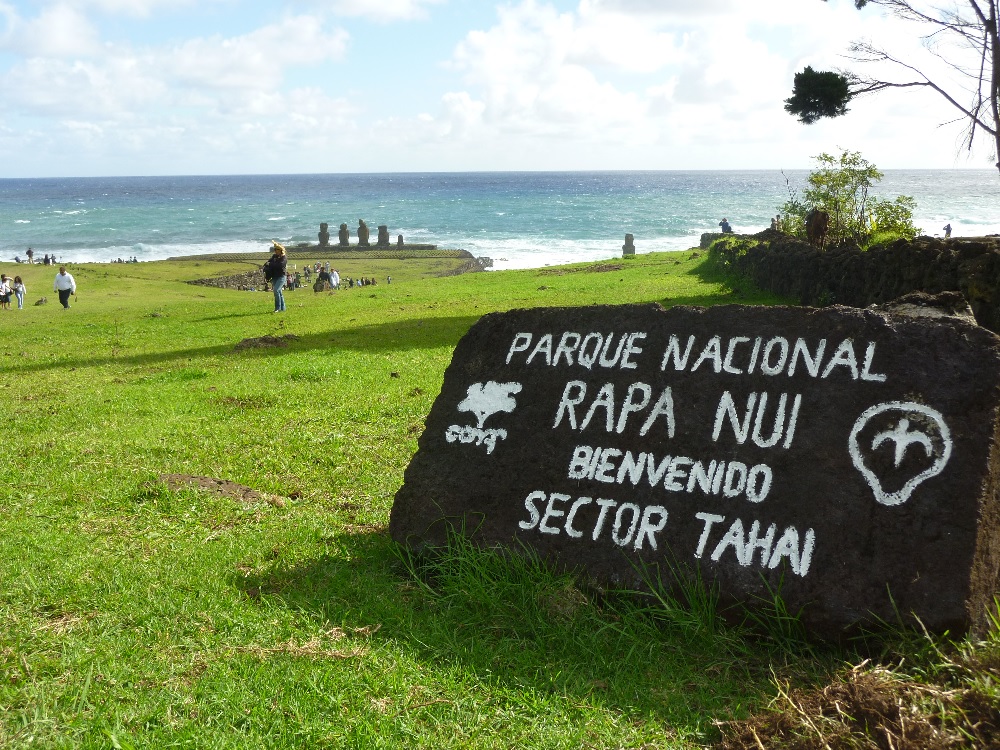
The park protects hundreds of ceremonial sites, ahu platforms, petroglyphs, caves, ancient villages, and a large part of the ancestral legacy of the Rapa Nui people. More than 40% of the island’s territory is protected under this heritage designation.
Today, the park is managed by the indigenous Ma’u Henua community, responsible for the conservation and protection of Rapa Nui’s archaeological sites.
Revenue generated from park tickets directly supports:
- Archaeological conservation
- Maintenance of trails and sites
- Heritage protection
- Park ranger salaries
- Tourism infrastructure
- Community and cultural projects
Rapa Nui National Park Ticket Prices 2026
Reference prices for 2026 are:
- Foreign adult: approximately CLP $95,000 (around USD $100)
- Foreign child (7–12 years old): approximately CLP $38,000 (around USD $40)
- Chilean adult: approximately CLP $20,000
- Chilean child (7–12 years old): approximately CLP $10,000
- Children under 6 years old: free admission
Prices may vary, so we always recommend checking updated information before traveling.
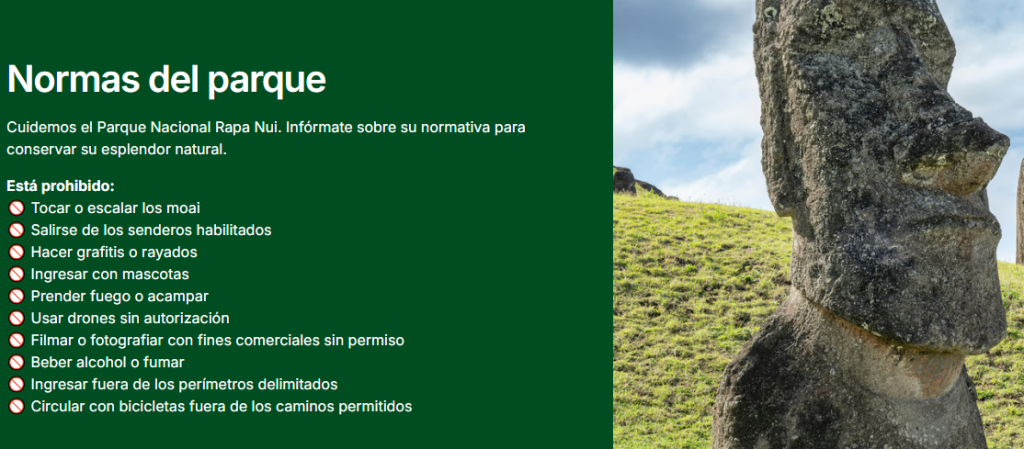
Important National Park Rules and Restrictions
To protect this unique and extremely fragile heritage site, all visitors must follow important rules.
Do Not Touch or Climb the Moai
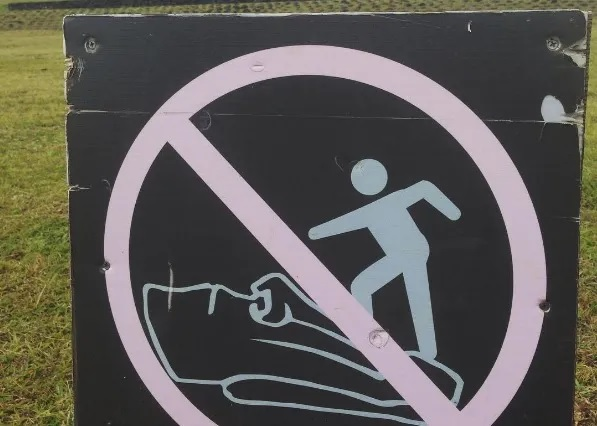
The moai and ceremonial platforms are protected archaeological structures with enormous cultural importance for the Rapa Nui people.
It is strictly forbidden to:
- Touch the moai
- Climb on them
- Walk on ceremonial ahu platforms
- Enter restricted areas
Some Sites Can Only Be Visited Once
With the standard park ticket:
- Rano Raraku can only be visited once
- Orongo can only be visited once
For this reason, we strongly recommend planning your visit carefully and exploring these sites with expert local guides.
Respect Trails and Signage
Many archaeological areas continue to be researched and preserved.
Visitors must:
- Stay on marked trails
- Respect fences and signs
- Avoid moving stones or archaeological elements
- Avoid entering closed areas
Drone Restrictions
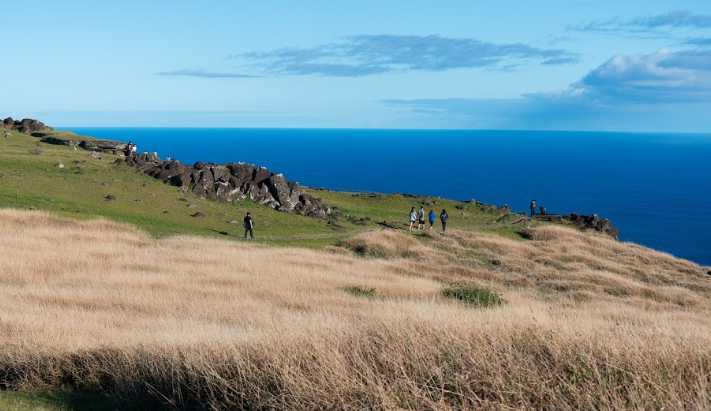
In most archaeological sites, drones are not allowed without special authorization due to heritage regulations and cultural respect.
Cultural Respect
Rapa Nui is not an open-air museum. It is a living community where many archaeological sites still hold cultural, spiritual, and ancestral importance for the Rapa Nui people.
Visitors are encouraged to:
- Behave respectfully
- Avoid mocking ceremonial symbols
- Ask permission before photographing people
- Maintain responsible behavior during visits
Why Is Conservation So Important in Rapa Nui?
Rapa Nui is one of the most isolated inhabited places on Earth and holds one of the world’s most important archaeological legacies.
Conservation efforts help protect:
- Nearly 900 moai
- Ancestral ceremonial platforms
- Petroglyphs
- Cultural traditions
- Orally transmitted knowledge
- Unique archaeological landscapes in Polynesia
Responsible tourism plays a key role in preserving this heritage.
Every visitor who respects park regulations helps preserve this extraordinary cultural legacy for future generations while supporting the care of Rapa Nui culture.
Book Your Express Tour in Rapa Nui
If you want to discover the island’s most important sites in a short amount of time, this Express Tour is one of the best ways to make the most of your visit to Rapa Nui.
Explore volcanoes, ceremonial villages, paradise beaches, and some of the world’s most impressive moai together with expert local guides.
Book your Express Tour in Rapa Nui and discover the island’s living history through a comfortable, personalized, and unforgettable experience.