


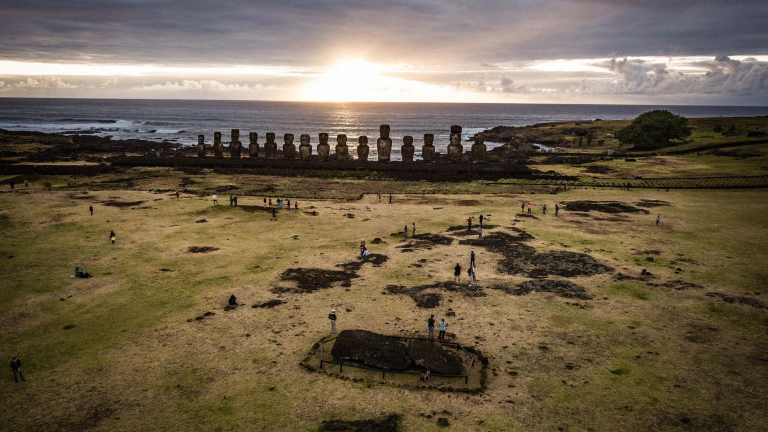
The release of the film Wild Horse Nine, shot on location in Rapa Nui (Easter Island), has triggered a 575% year-over-year surge in flight bookings to the island for the 2026–2027 season, reaching nearly 12,000 confirmed tickets for the southern hemisphere summer according to data from Fedetur and Amadeus. Following the movie’s theatrical release in November 2026, thousands of travelers from Europe, North America, and Latin America are eager to experience the volcanic landscapes and monumental Moai seen on screen—making it essential to book flights, accommodations, and local guides months in advance.
What Is Wild Horse Nine and Why Did It Boost Tourism in Rapa Nui?
Wild Horse Nine is a feature film directed by acclaimed filmmaker Martin McDonagh and starring John Malkovich and Sam Rockwell, alongside Steve Buscemi, Parker Posey, Tom Waits, Mariana di Girolamo, and Ailín Salas. Set in 1973, the story follows two CIA operatives on a mission marked by dark humor, espionage, and moral dilemmas unfolding between Santiago and Rapa Nui.
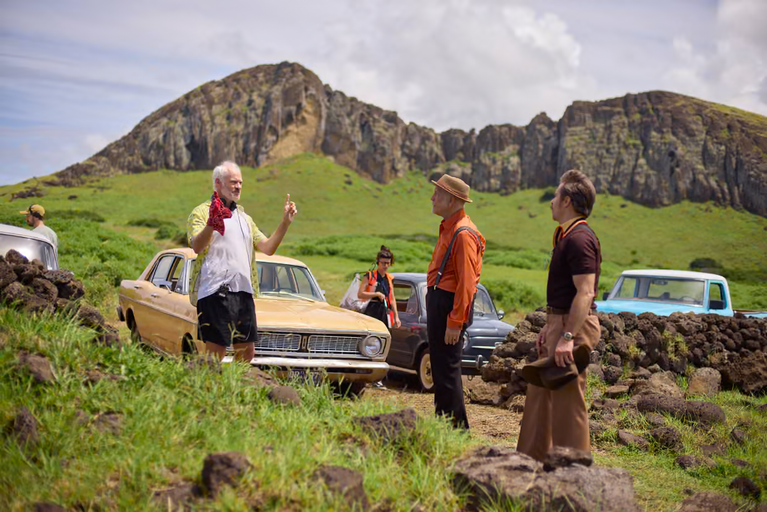
After its acclaimed world premiere at the Venice Film Festival in September 2026—where John Malkovich won the Volpi Cup for Best Actor—and its commercial release in November 2026, the island’s striking cinematography captivated global audiences. Filming took place on the island in early 2025 in close coordination with the Ma’u Henua Indigenous Community (administrators of Rapa Nui National Park) and involved around 80 to 100 local crew members and extras.
What Is the “John Malkovich Effect” in Rapa Nui (Easter Island’s) Tourism?
Within the travel industry and in media outlets such as Ex-Ante, this trend has already been dubbed the “John Malkovich Effect.” The term refers to the explosive spike of over 500% in flight bookings to Rapa Nui recorded in November 2026 following the movie’s international premiere and critical acclaim.
- The catalyst: The combination of Martin McDonagh’s signature storytelling, Malkovich’s award-winning performance, and the island’s visual magnetism sparked a sudden wave of interest among both international travelers (primarily from Europe and North America) and domestic visitors from mainland Chile.
- The impact: This represents the largest film-driven tourism boost for Rapa Nui since 1993. Beyond fiction, the movie has inspired genuine curiosity about the ancestral history, megalithic engineering, and living culture of the Rapanui people.
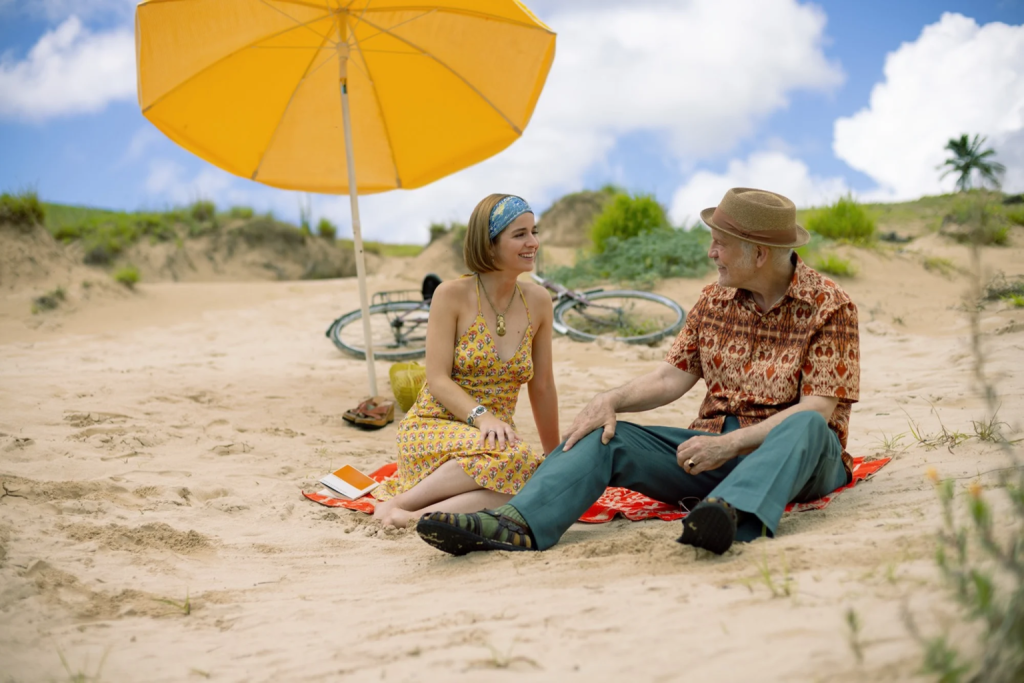
Iconic Filming Locations and How to Experience Them in Person
While the film is a work of historical fiction, its cinematography captures the island’s true geographic and ceremonial spirit. Carrying out a film production in a territory where every stone and trail holds deep cultural significance required securing formal permits from the Ma’u Henua Indigenous Community and operating under strict conservation protocols.
The production involved filming across different day and night schedules, as well as coordinating temporary closures along sections of the east coast to protect the environment and manage logistics without disrupting the park’s balance. Local Rapanui workers and extras played a central role throughout the shoot, supported by strict risk-prevention plans led by local safety professionals and continuous oversight by archaeologists who safeguarded the ceremonial platforms and volcanic slopes.
If the movie inspired your trip, these are the key coastal areas to include in your itinerary:
Rano Raraku and Ahu Tongariki
Located along the eastern and southeastern coast (the ancient territory of Hotu Iti), this area is defined by the Poike volcanic peninsula and Rano Raraku, the volcanic quarry where nearly all of the island’s Moai were carved. Nearby stands Ahu Tongariki, the largest ceremonial platform on the island, featuring 15 restored statues facing the Pacific Ocean. During production, controlled access and carefully managed equipment transfers along this coastline allowed crews to capture the scale of the volcanic landscape without disturbing sacred perimeters.
Playa Anakena and Ahu Nau Nau
Set on the remote, rugged northern coast beneath the slopes of the Maunga Terevaka volcano, Anakena is the island’s only white coral sand beach lined with coconut palms, framed by the finely preserved Moai of Ahu Nau Nau. Nearby, you will also find the pink-sand cove of Ovahe as well as coastal archaeological sites such as La Pérouse Bay and Mayitaki.
Hanga Roa and the Ahu Tahai Ceremonial Complex
The western coast concentrates urban and harbor life in Hanga Roa, the island’s sole town and capital, along with its main anchorage points. Key landmarks here include the ceremonial complex of Ahu Tahai—a favorite spot to watch the sunset and appreciate the natural dusk lighting captured during the film’s evening and night shoots—alongside coves like Playa Pea and inland lava fields dotted with caves and volcanic tubes.
Traveler’s Note: The Moai and ceremonial ahu platforms are sacred monuments and living heritage of the Rapanui community, not movie sets. Several sites within Rapa Nui National Park allow only single-entry access per ticket (such as Orongo and Rano Raraku), so it is wise to schedule your excursions based on local weather forecasts while always staying on the trails marked by park rangers and archaeologists.
Key Figures and Traveler Profile for the 2026–2027 Season
According to the Fedetur and Amadeus report, the surge in demand has not only increased passenger volume but also reshaped how visitors plan their time on the island:
| Tourism Indicator | 2026–2027 Figure / Change | Impact on Your Trip Planning |
| Confirmed flight bookings | +575% year-over-year (~12,000 tickets) | Flights from Santiago sell out months ahead, especially during peak summer months. |
| Average international stay | 9.5 days (+18.5% increase) | Travelers combine classic archaeological circuits with hiking, horseback riding, and downtime. |
| Top source markets | Europe and North America | Higher demand for certified bilingual guides and tailored private tours. |
| Heritage site access | 100% regulated by Ma’u Henua | Requires an official park ticket and mandatory accompaniment by a local guide at protected sites. |
Logistics and Practical Tips from Local Guides
With limited hotel capacity in Hanga Roa and historic passenger demand, following these local recommendations will make all the difference during your visit:
- Book flights and ground services at the same time: Do not wait until you land on the island to arrange your excursions. Secure your private tours with a local guide as soon as your LATAM flights are confirmed, especially if traveling between December and March.
- Meet mandatory entry requirements: Every visitor must present a round-trip flight ticket, proof of accommodation registered with Sernatur, a completed Unique Entry Form (FUI) prior to boarding, and an official Rapa Nui National Park ticket.
- Explore the park with accredited local guides: Under conservation regulations, entering major archaeological sites requires the company of a certified local guide, who provides the historical, genealogical, and cultural context that no screen can convey.
- Respect heritage and drone regulations: Touching, climbing, or crossing the marked boundaries around Moai and ahu platforms is strictly prohibited. Additionally, recreational drone use is restricted inside the National Park to protect wildlife and monuments.
- Plan your timing and gear: Schedule your visit to Ahu Tongariki at sunrise to enjoy golden light over the ocean with fewer crowds. Pack sturdy hiking footwear with good grip, sunscreen, a sun hat, and a lightweight waterproof windbreaker, as the subtropical oceanic climate brings shifting breezes and brief rain showers year-round.
To review boarding documents, updated park entry fees, and packing advice step by step, check out our Complete Guide to Traveling to Rapa Nui.
The wave of interest sparked by Wild Horse Nine has placed Rapa Nui back at the center of global travel and cinema, ushering in a season of high demand and unhurried exploration. Planning ahead, honoring local conservation guidelines, and discovering the territory alongside Rapanui hosts will ensure a meaningful experience far beyond the big screen.
If you are already planning your itinerary on the island, explore our private tours and experiences designed with local guides at Easter Island Travel
to discover every corner of Rapa Nui at your own pace.
Preguntas Frecuentes (FAQ)
Where was Wild Horse Nine filmed in Rapa Nui?
Production took place in early 2025 across different natural and coastal areas of Rapa Nui in coordination with the Ma’u Henua Indigenous Community, incorporating volcanic landscapes, beaches, and heritage settings under strict archaeological protection protocols.
How many days should I stay in Rapa Nui to visit the main sites?
While the current average stay for international visitors is 9.5 days, a well-paced itinerary of 4 to 7 days allows enough time to explore the main ceremonial sites, volcanoes, caves, and beaches alongside local guides.
Is it mandatory to hire a local guide to visit the Moai?
Yes. To enter most archaeological sites within Rapa Nui National Park, visitors must hold an official park ticket and be accompanied by a certified local guide.
How far in advance should I book my trip to Rapa Nui in 2027?
Given the 575% jump in flight bookings and limited accommodation and guide availability on the island, it is best to book flights, lodging, and private tours at least 4 to 6 months ahead, especially for peak summer months or festival dates such as the Tapati.
What documents do I need to enter Easter Island from Santiago?
You need a valid ID or passport, a round-trip airline ticket (with a maximum stay of 30 days), proof of reservation at a Sernatur-registered accommodation, and a completed Unique Entry Form (FUI) prior to boarding.