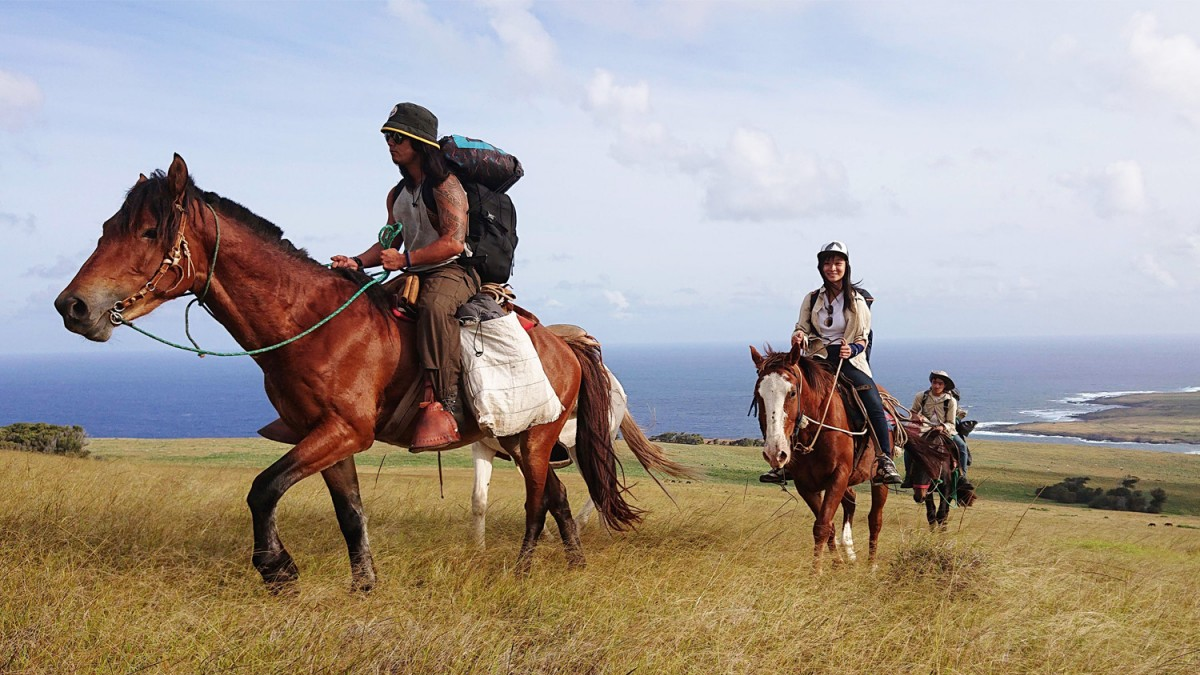

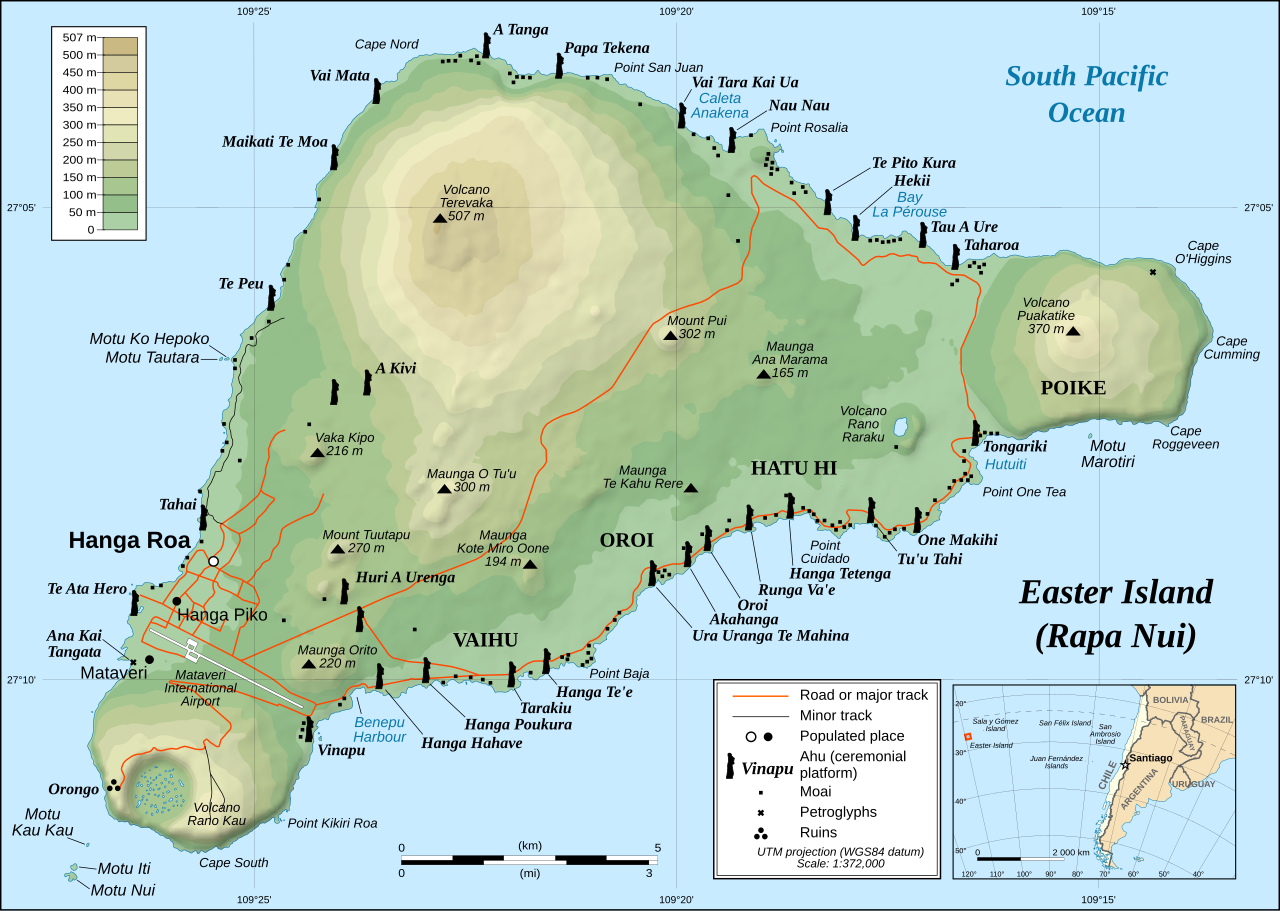
When you imagine Rapa Nui (Easter Island), you probably picture the iconic moai facing the ocean. But exploring the island with historical and cultural context completely transforms the experience. These are not just monumental sculptures — they are part of an extraordinary social, spiritual, and architectural system developed by the Rapanui people between the 13th and 16th centuries. Every site we visit reveals a different layer of that story.
- Rano Raraku: The Sacred Quarry – “Where the Moai Were Born”
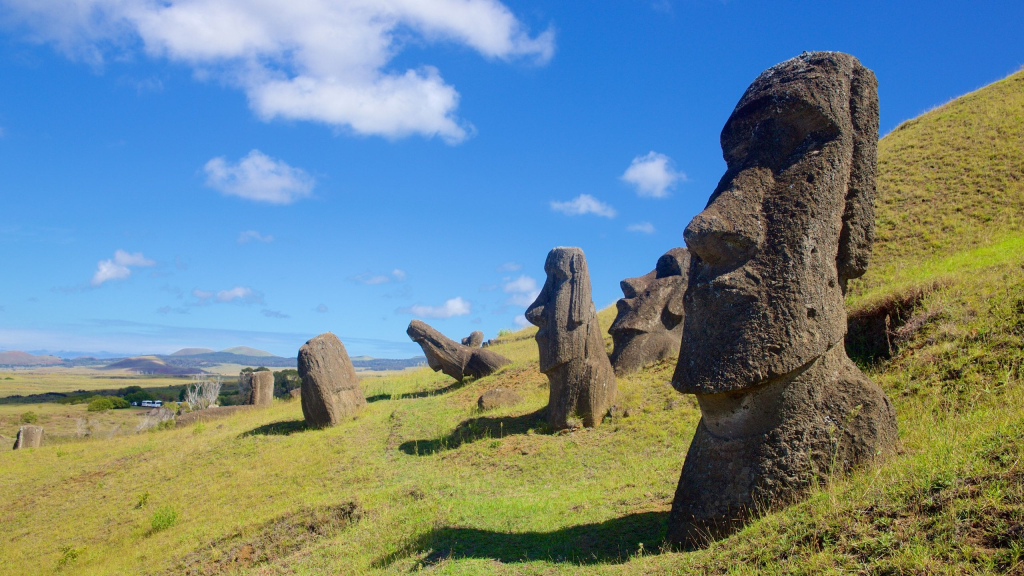
Rano Raraku is much more than a quarry; it is the birthplace of the moai. Carved directly from the volcanic rock of the crater, nearly 90% of the island’s statues were sculpted here. As you walk along its slopes, you can observe moai in different stages of completion — some barely outlined in the rock, others fully shaped but still attached to the mountain.
This site offers powerful insight into the technical skill, planning, and social organization required to produce and transport sculptures weighing several tons. It is also home to the largest moai ever carved, a testament to the ambition and artistic achievement of this remarkable civilization.
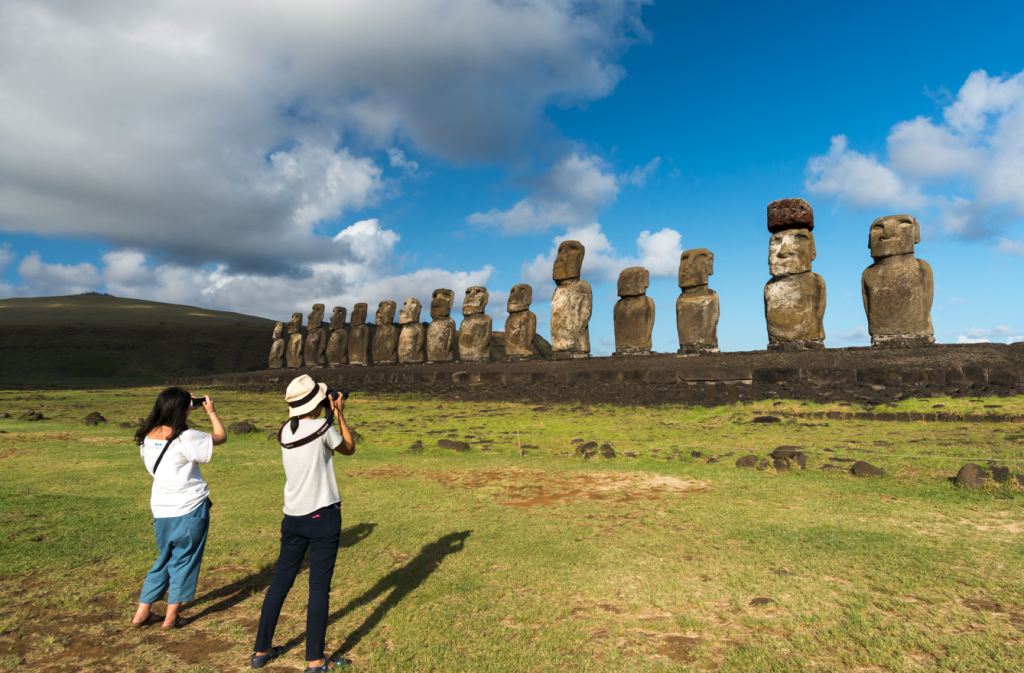
- Ahu Tongariki: The Most Iconic Image – The 15 Moai
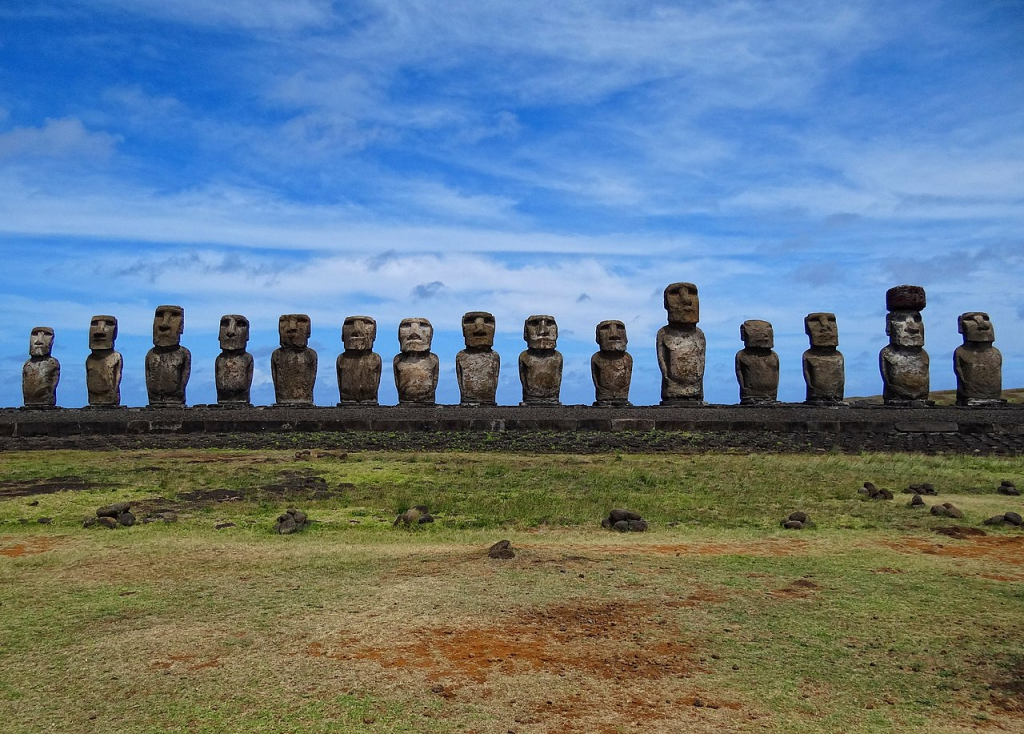
Ahu Tongariki is the largest restored ceremonial platform on the island, featuring 15 moai aligned and facing inland, symbolically protecting their ancestral clan. The site was toppled in the past and later damaged by the 1960 tsunami before being restored in the 1990s through an international project.
Today, it stands as one of the most breathtaking landscapes in the Pacific, especially at sunrise. Here, we explain how the ahu functioned as ceremonial centers, spaces of ancestral memory, and powerful expressions of political and spiritual authority.
- Vinapu: Remarkable Precision – An Inca Connection?
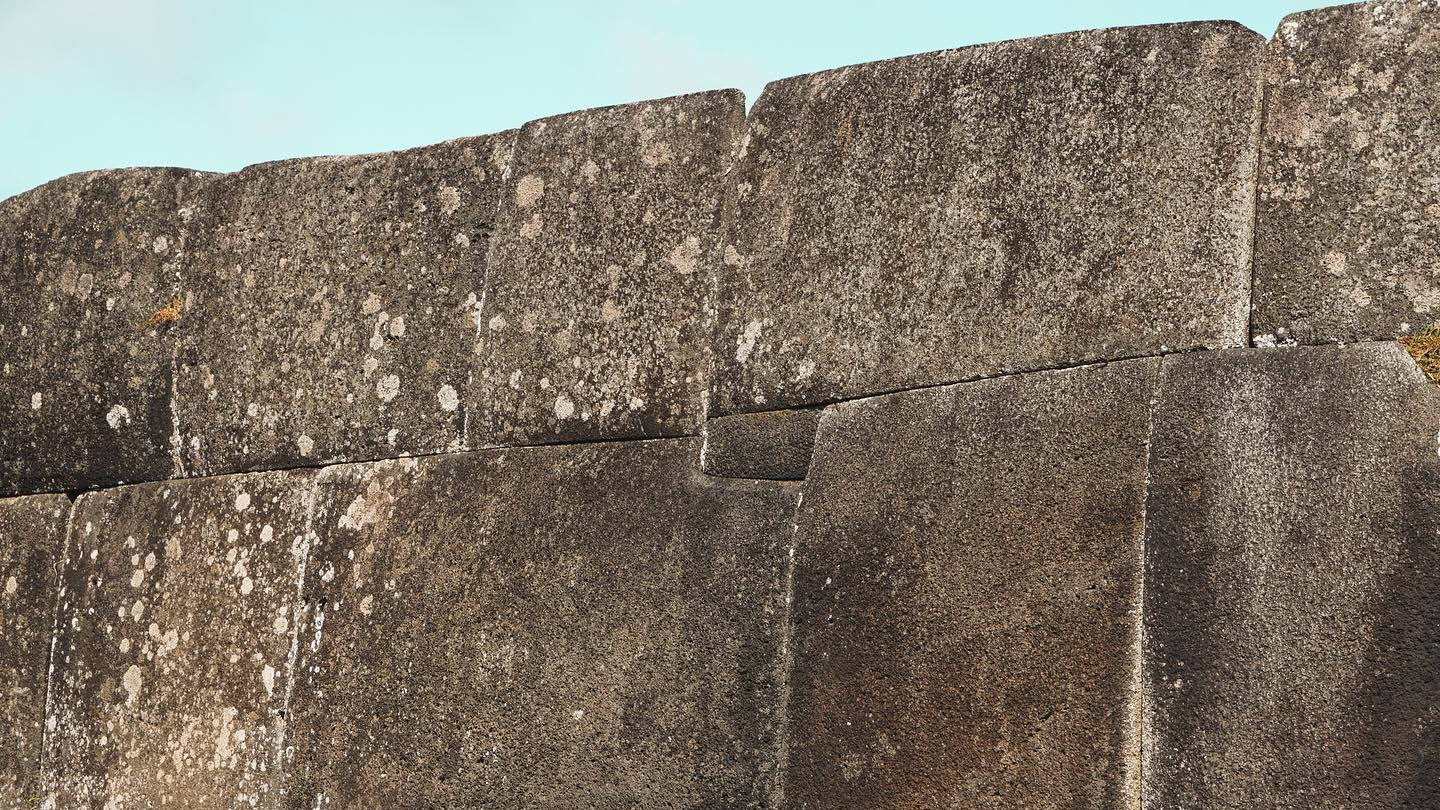
The ceremonial complex of Vinapu stands out for the extraordinary quality of its stone masonry. The walls of Ahu Tahira feature carefully cut and precisely fitted stone blocks that often surprise visitors.
This technique has frequently been compared to Inca stonework, sparking controversial theories. However, it represents the independent development of advanced Rapanui engineering. At this site, we explore how ceremonial architecture evolved over time and how each ahu reflected the identity and period of the clan that built it.
- Orongo and Rano Kau: The Birdman Cult
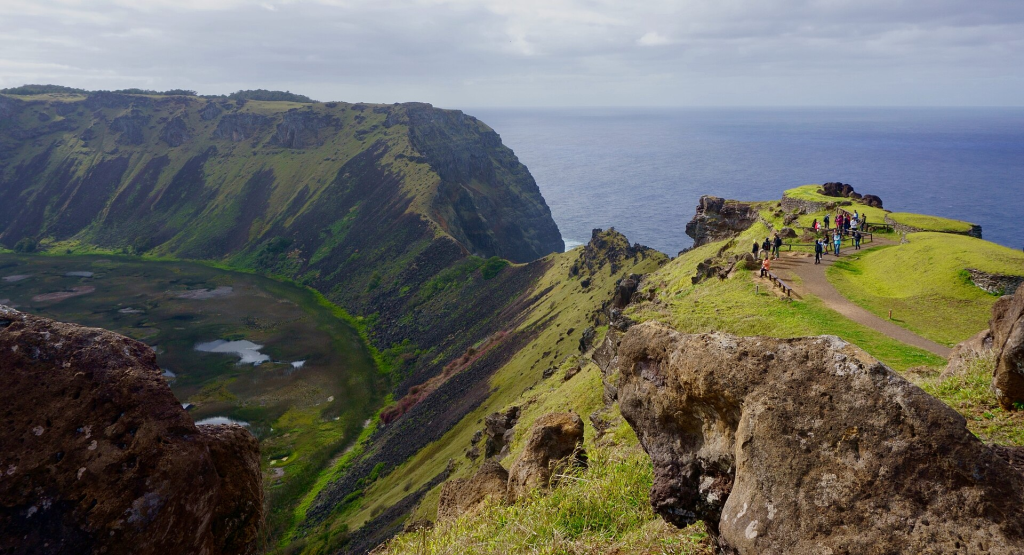
Located on the dramatic rim of the Rano Kau crater, Orongo was the ceremonial village of the Tangata Manu (Birdman) cult — a ritual that marked a major shift in the island’s political and spiritual organization after the classic moai period.
Each year, representatives of different clans competed to retrieve the first egg of the manutara bird from the islet of Motu Nui. The site contains over a thousand documented petroglyphs depicting stylized human figures, birds, and symbols associated with the deity Makemake. From this panoramic viewpoint, visitors can understand both the ritual and strategic significance of the location.
- Ana Kakenga and the Ancestral Caves
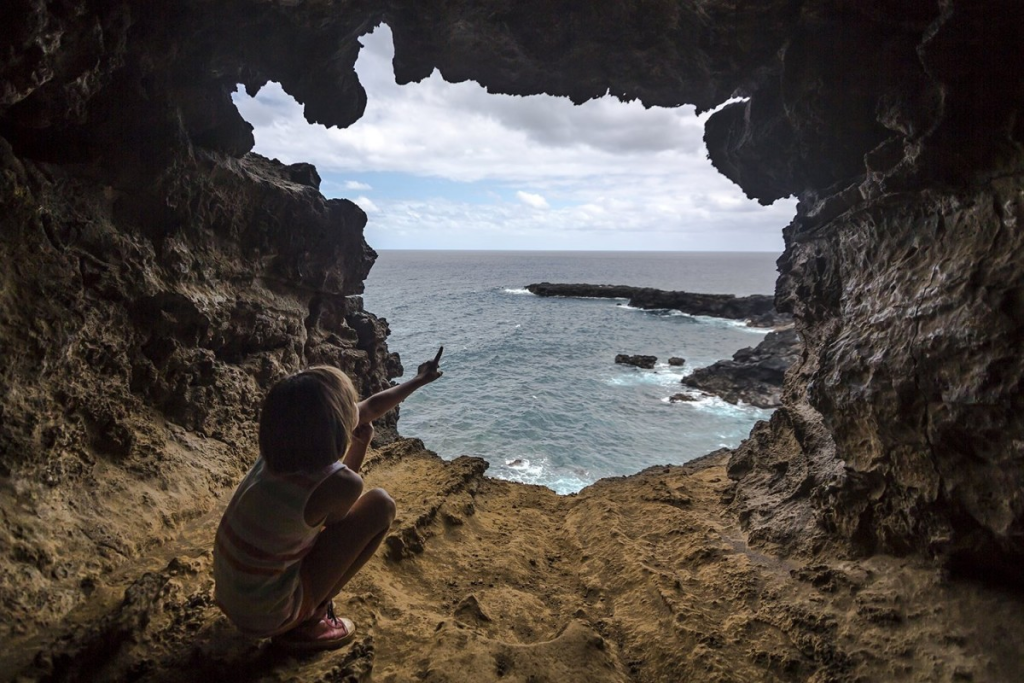
Volcanic caves were essential to Rapanui adaptation and survival. Ana Kakenga, known as “the Cave of Two Windows,” offers a dramatic ocean view through natural rock openings.
Other caves, such as Ana Te Pahu (the Cave of Bananas), served as shelter, temporary dwellings, and even protected agricultural spaces shielded from strong winds. Exploring these caves reveals how the volcanic landscape was integrated into daily life and long-term resilience.
- Poike and the North Coast: The Remote Side of the Island
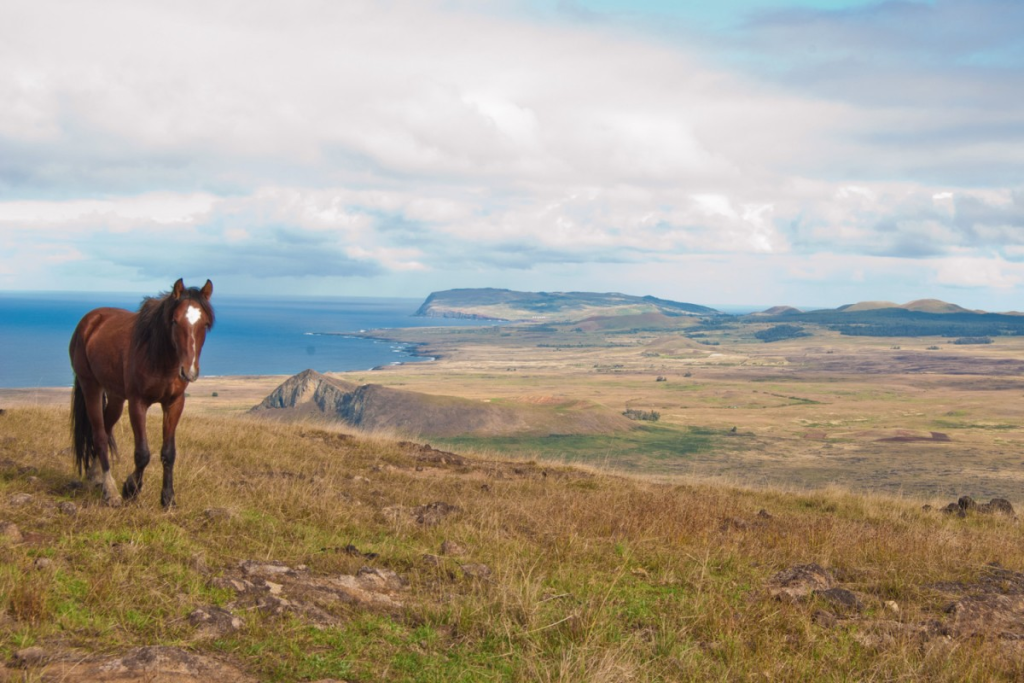
Poike is the oldest geological sector of Rapa Nui and features a more arid, wind-eroded landscape. Visiting this area helps explain the island’s volcanic formation while showcasing lesser-visited ceremonial platforms that preserve a more isolated atmosphere.
The north coast, with its expansive lava fields, vegetation, and scattered archaeological remains, offers a quieter and more authentic perspective of the island’s territory.
- Vaihu Interpretation Center: Understanding Daily Life
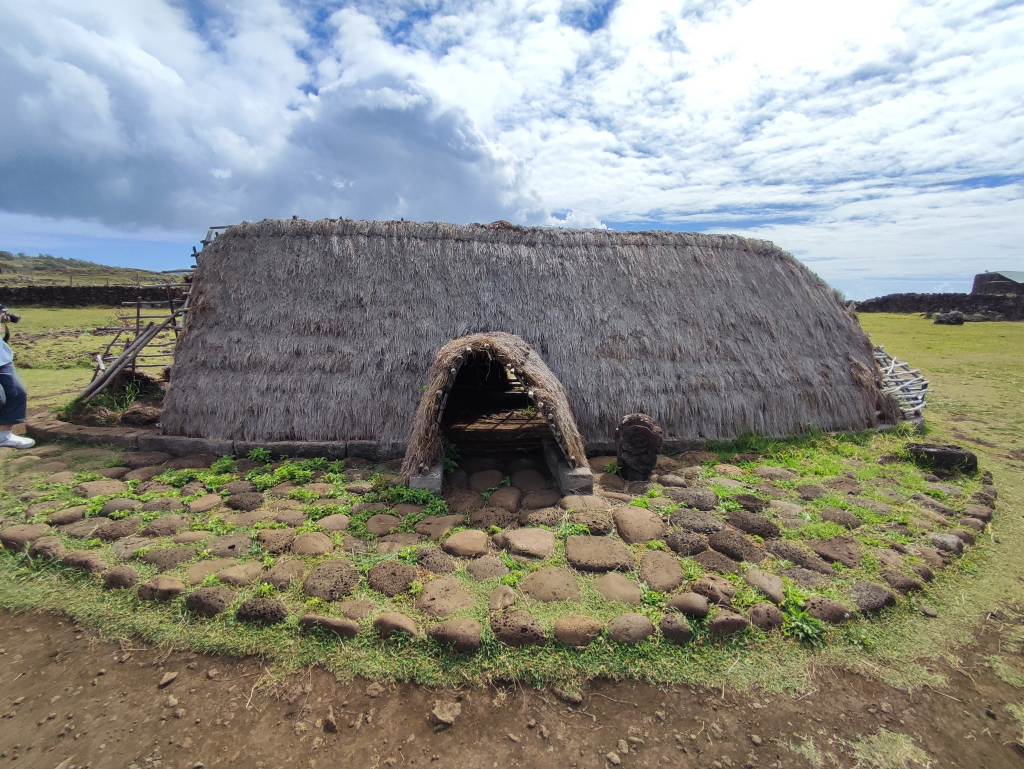
At Vaihu, we do more than observe archaeological remains — we explore how ancient coastal villages functioned. The interpretation center illustrates social organization, boat-shaped houses known as hare paenga, ceremonial spaces, and the community’s deep relationship with the sea.
This site connects the monumental scale of the moai with the everyday lives of the people who created them.
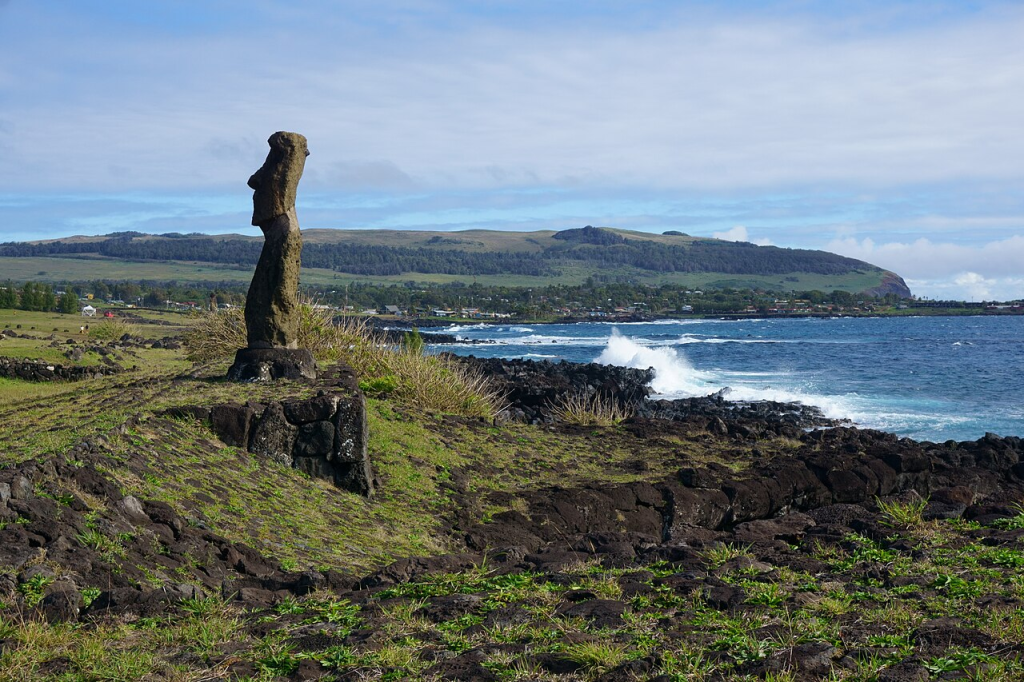
- Hanga Rau – Anakena: Where It All Began
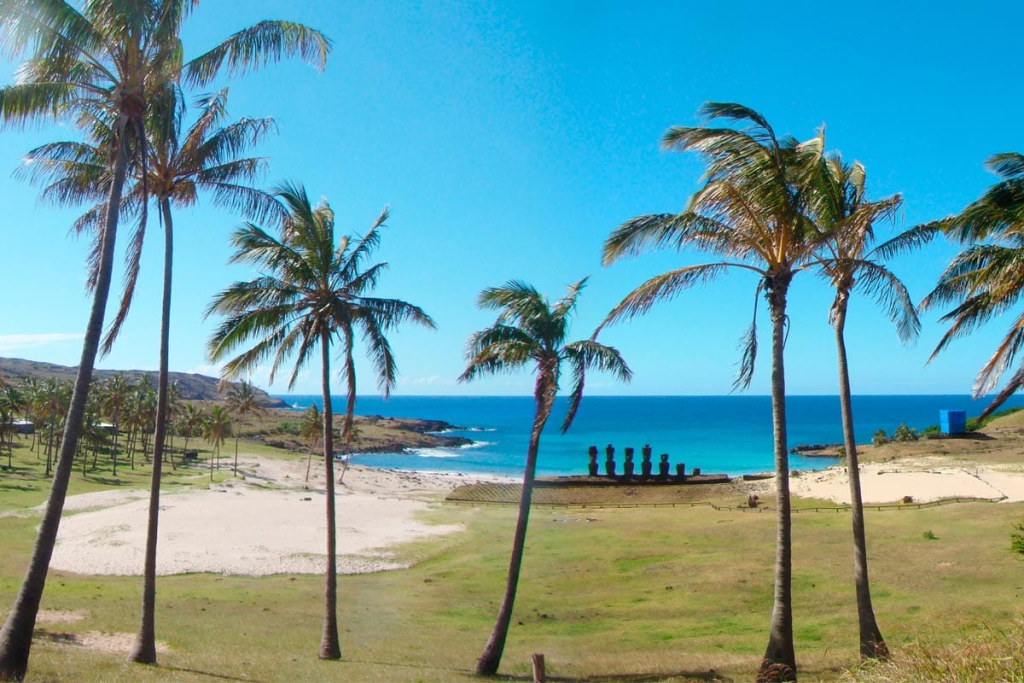
Anakena combines natural beauty with foundational history. According to oral tradition, this is where the ariki (king) Hotu Matu’a first arrived, founding the lineage that gave rise to the Rapanui people.
The earliest settlements were established here, along with important ceremonial complexes. It is the perfect place to conclude the journey by understanding where the island’s story began.
Rapa Nui is a UNESCO World Heritage Site and one of the most extraordinary cultural landscapes on Earth. Each place we explore reveals a different dimension of its history: spirituality, engineering, resilience, and adaptation.
That is why our private tours are designed for travelers seeking more than a standard group excursion. You do not share your time with large groups or follow someone else’s schedule. Your experience is built around you — your interests, your pace, and your availability.
You can pause where you feel most inspired, dive deeper into what sparks your curiosity, and experience the island with the context and depth it deserves.
We understand that the cheapest option often means less time, fewer explanations, and limited flexibility. We focus instead on quality, insight, and personalized attention — because traveling to one of the most remote inhabited places on Earth is not something you do every day.
Make every minute in Rapa Nui meaningful. Book your private tour with us and discover the island beyond the postcard.