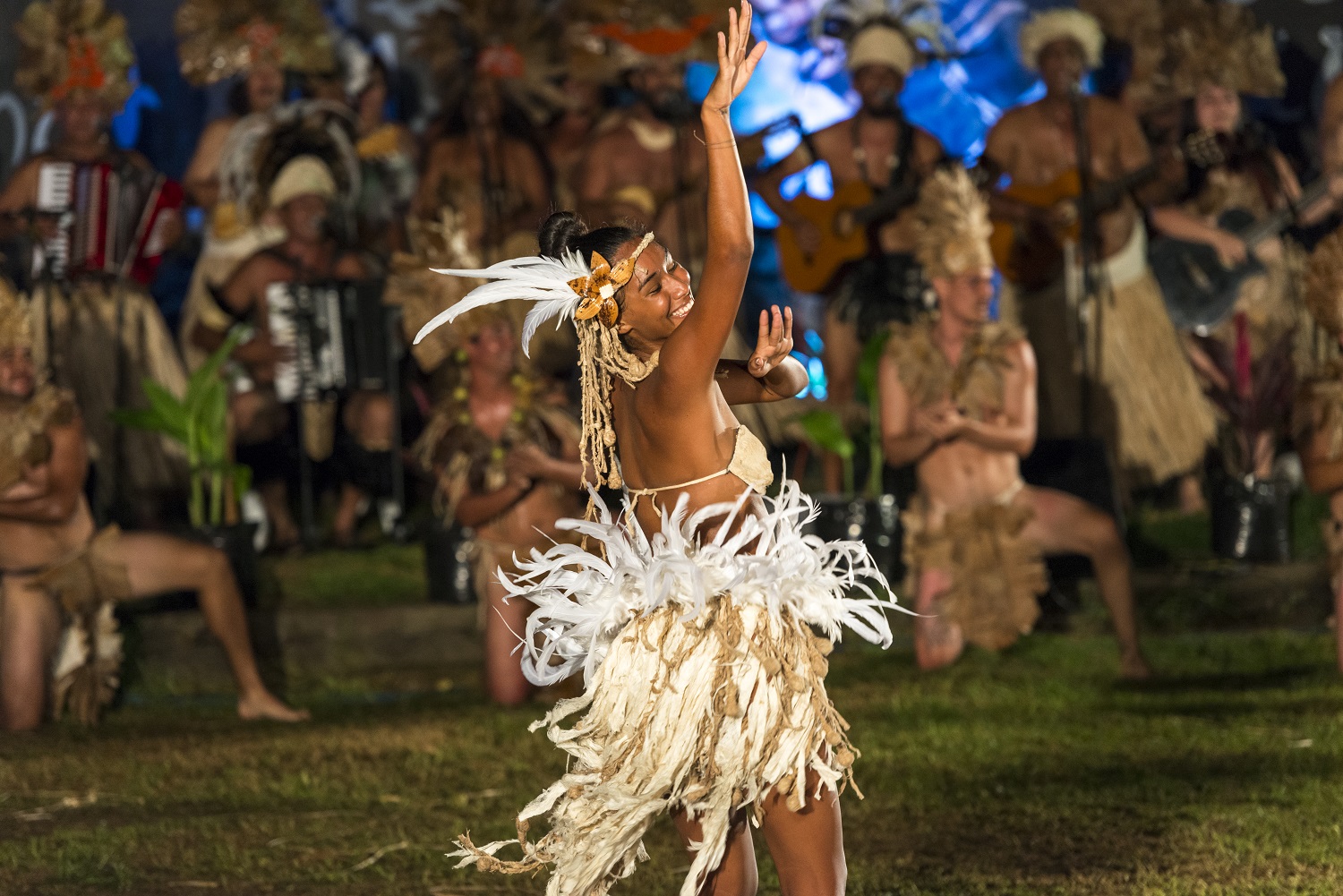
International Dance Day is celebrated every April 29th worldwide, honoring one of humanity’s oldest forms of expression. However, in Rapa Nui, this date carries a much deeper meaning: here, dance is lived as a core pillar of our people’s identity.
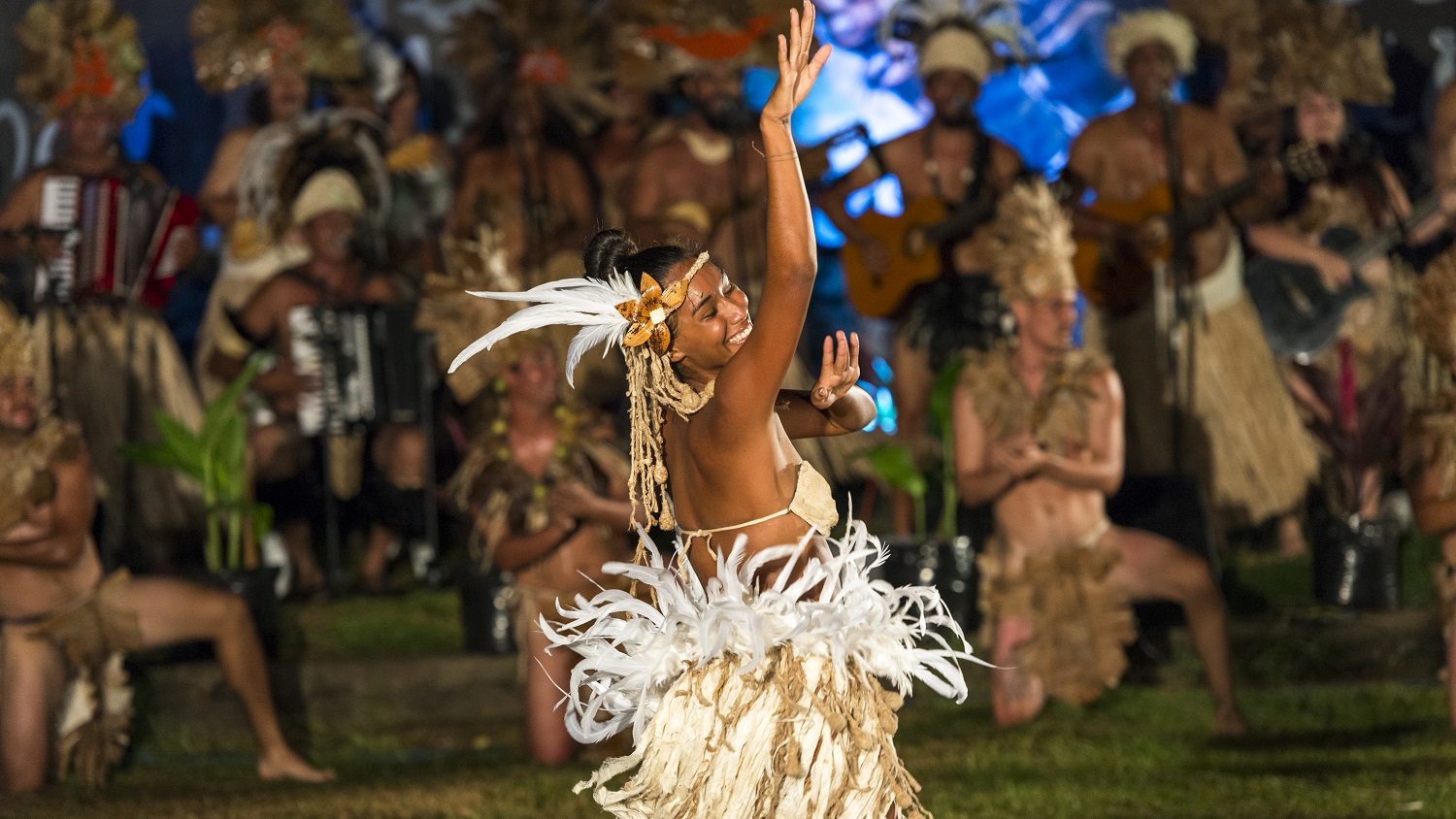
In many cultures, dancing represents joy, celebration, or art. In Rapa Nui, it is all of those things, but it is also living memory. Every movement recalls the ancestral navigators who arrived guided by the stars; every rhythm strengthens the sense of community, and every performance passes down knowledge through generations.
To speak of International Dance Day in Rapa Nui is to speak of roots, pride, and cultural continuity. It is an acknowledgment that we remain a living people, connected to the ocean, to nature, and to the vast Polynesian universe.
International Dance Day and its global significance
Established in 1982 by UNESCO, International Dance Day highlights the universal value of dance as a language without borders. The date aims to promote this artistic expression in all its forms: traditional, contemporary, academic, and popular.
From European ballet to African rhythms, and from flamenco to Indigenous American dances, every society has used movement to tell stories and express emotions. Dance has accompanied births, harvests, wars, celebrations, and spiritual ceremonies.
However, few regions on the planet have preserved such a direct relationship between dance, territory, and identity as Polynesia. There, the body remains a vital tool for cultural transmission, and Rapa Nui stands as one of its most precious examples.
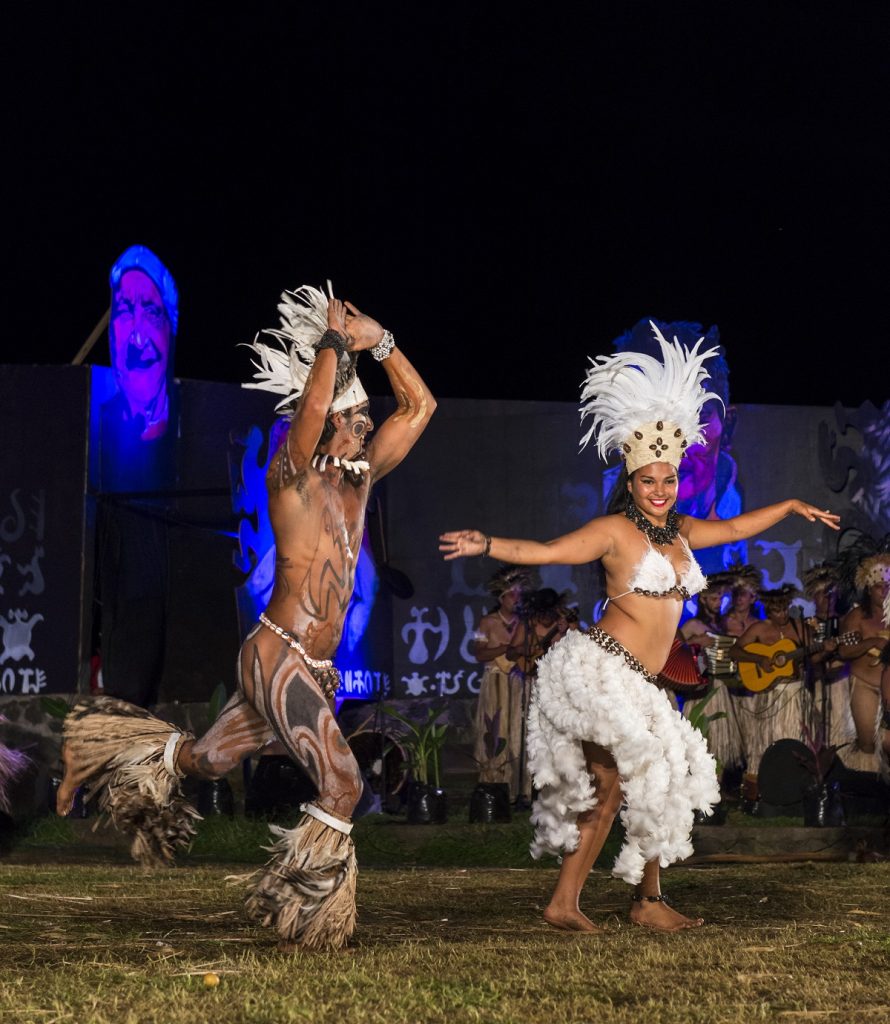
What is the Polynesian Triangle?
The Polynesian Triangle is a massive region in the Pacific Ocean with vertices marked by Hawaii, Aotearoa (New Zealand), and Rapa Nui (Easter Island). Within this space, dozens of cultures are united by linguistic roots, ancestral navigation, and shared traditions.
Though separated by thousands of miles, these cultures share a similar worldview: deep respect for ancestors, a spiritual connection with nature, and a strong sense of community. They also share dance as an essential medium of expression.
Rapa Nui occupies a unique place within this triangle. As the easternmost point of Polynesia, our traditions represent an exceptional cultural heritage within the Pacific.
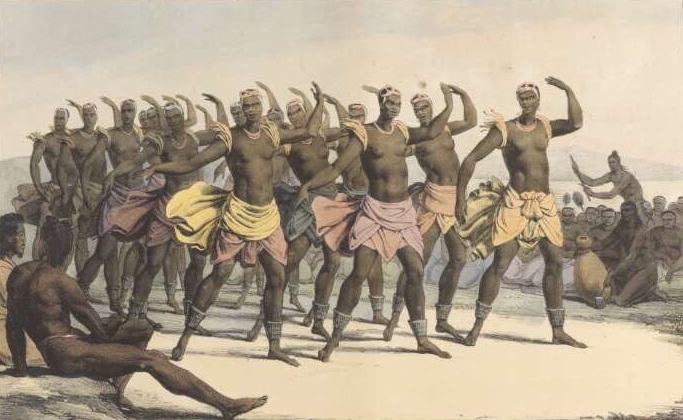
The ancestral origins of dance in Polynesia
Long before modern stages, dance was a form of communication. In the Polynesian world, it served to narrate oceanic voyages, pay tribute to leaders, give thanks for abundance, or strengthen group unity.
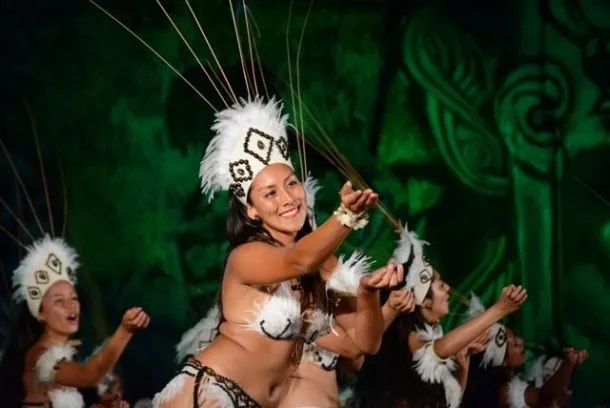
Hands could represent waves, birds, stars, or vessels. Feet pounded the earth to show strength. Hips expressed vitality and fluidity, while faces conveyed emotion, respect, or defiance. Nothing was accidental: every gesture carried meaning.
In Rapa Nui, this tradition remains vibrant. Even today, dance accompanies family celebrations, community festivals, and cultural gatherings, maintaining a bridge between the past and the present.
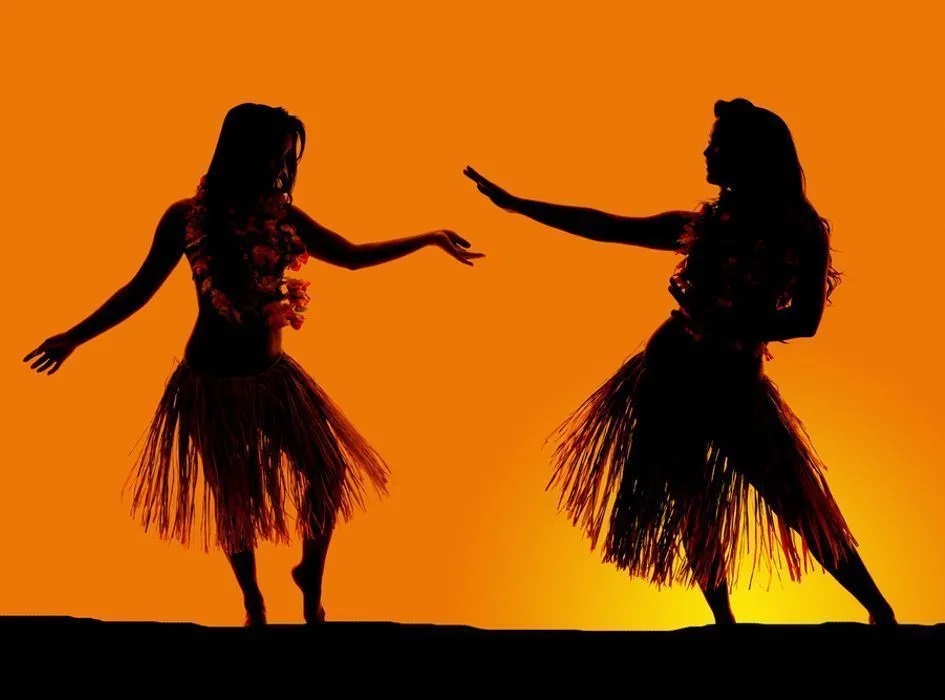
International Dance Day in Rapa Nui
Celebrating this day in Rapa Nui is a tribute to those who have preserved our traditions with dedication: musicians, dancers, artisans, and entire families who pass down knowledge from generation to generation.
Here, dance does not rely on grand theaters. It lives in town squares, family reunions, cultural festivals, and community activities. It is a natural part of daily life and a tool to fortify identity. Each performance honors those who came before and teaches those who follow.
Sau Sau, Hoko, and other traditional dances
- Sau Sau: One of the best-known and most beloved dances in Rapa Nui. Its origins are linked to Samoan influences that were welcomed and reinterpreted locally until they became part of our cultural identity, now bearing a unique island seal.
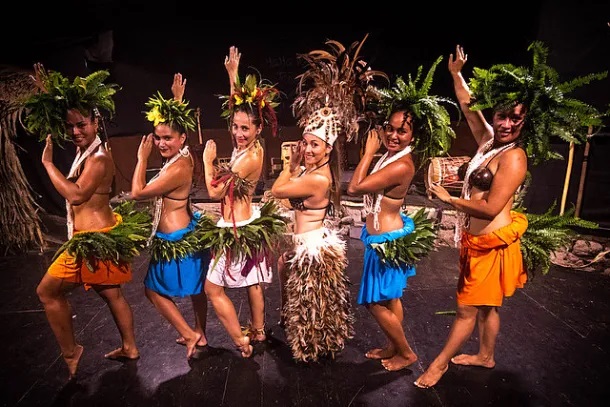
- Hoko: This dance represents warrior energy. It is related to other Polynesian traditions of ceremonial defiance, such as the famous Maori haka, though it possesses its own character and expressions within Rapa Nui. It features rhythmic foot-stomping, firm posture, and intense arm movements. Its message is one of courage, cohesion, and determination—a declaration of spirit.
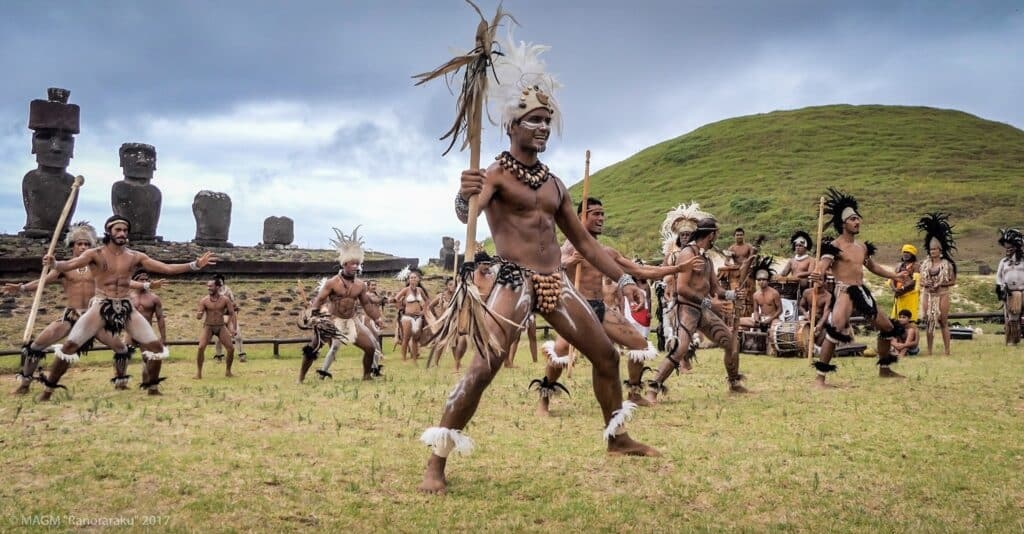
- ´Aparima: Present in various Polynesian regions, the Aparima stands out for the narrative delicacy of its gestures. Here, the hands are the protagonists, “drawing” stories for the observers. It can speak of love, nature, family, or navigation.
How Polynesian dance differs from the rest of the world
Every region has its own marvelous expressions: Spanish flamenco, Argentine tango, Brazilian samba, or classical ballet. However, Polynesian dance possesses a uniqueness that is hard to match: it maintains a direct link between the body, nature, genealogy, and the land.
While many contemporary traditions focus on spectacle or entertainment, in Polynesia, dance remains living memory. Movements are not performed just for show, but to remember who we are and where we come from.
International Dance Day in Rapa Nui
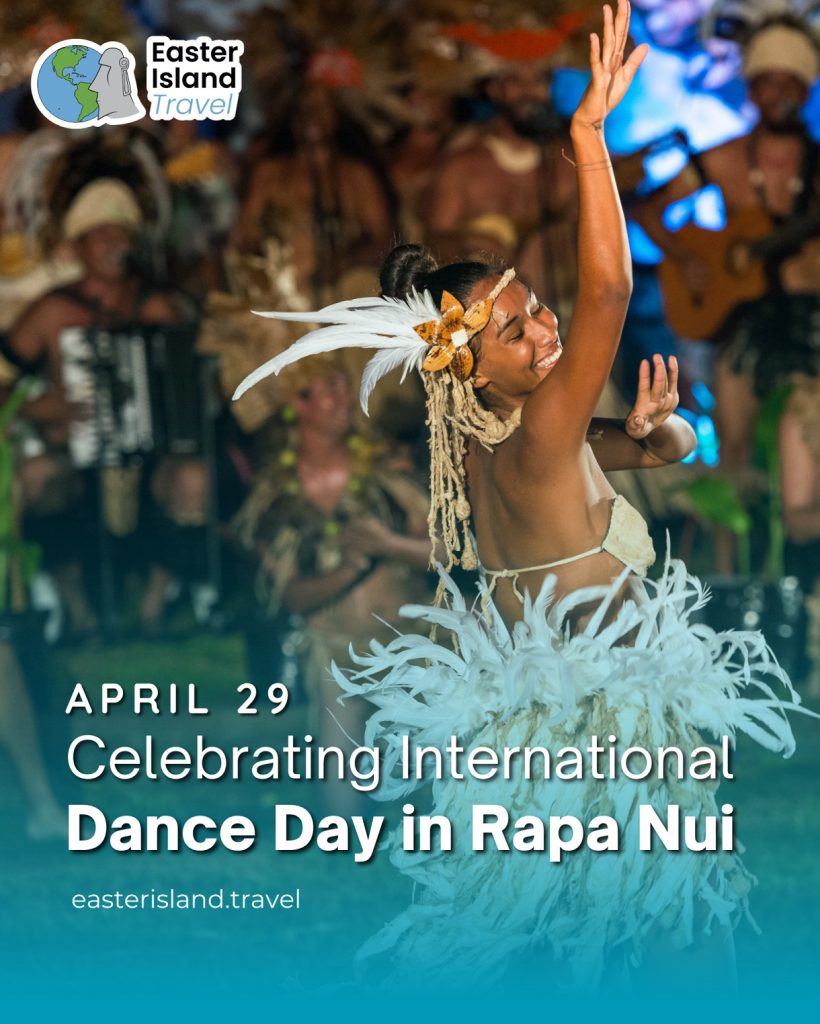
Celebrating this date here has a special significance. Dance doesn’t need a stage to exist; it thrives in spaces where new generations learn by watching their elders. In an accelerated world where many customs disappear, keeping dance alive is also an act of cultural resilience.
Visit to Rapa Nui
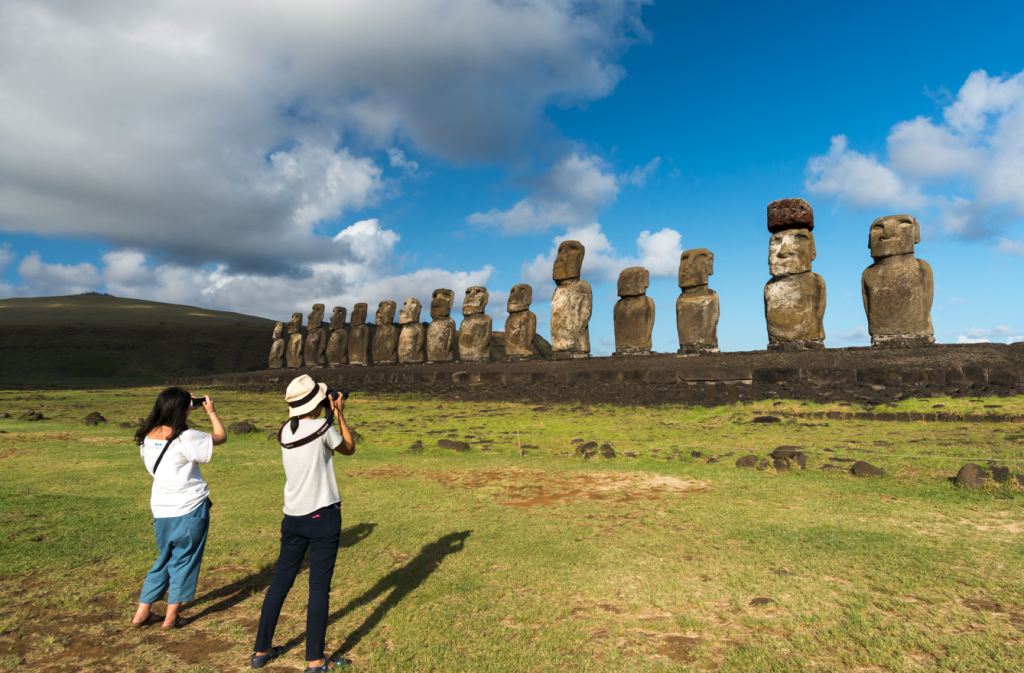
A visit to Rapa Nui should not be limited to seeing the Moai or volcanic landscapes; it is also about feeling the cultural pulse of a people who are more alive than ever. Music, song, and dance allow you to understand the island with a depth impossible to gain just by looking at monuments.
At Easter Island Travel, we believe the most valuable tourism is that which connects the visitor with the local essence. We promote respectful experiences where culture is lived with meaning and closeness.
If you dream of discovering Rapa Nui authentically, the best time to start is today. Because some stories are not read: they are heard in the drums, felt in the ground, and understood by watching a people proud of their roots.
Are you planning a trip to Rapa Nui?
Discover private cultural experiences with local hosts who share the living history of our land.
Contact us and start designing your unforgettable journey.