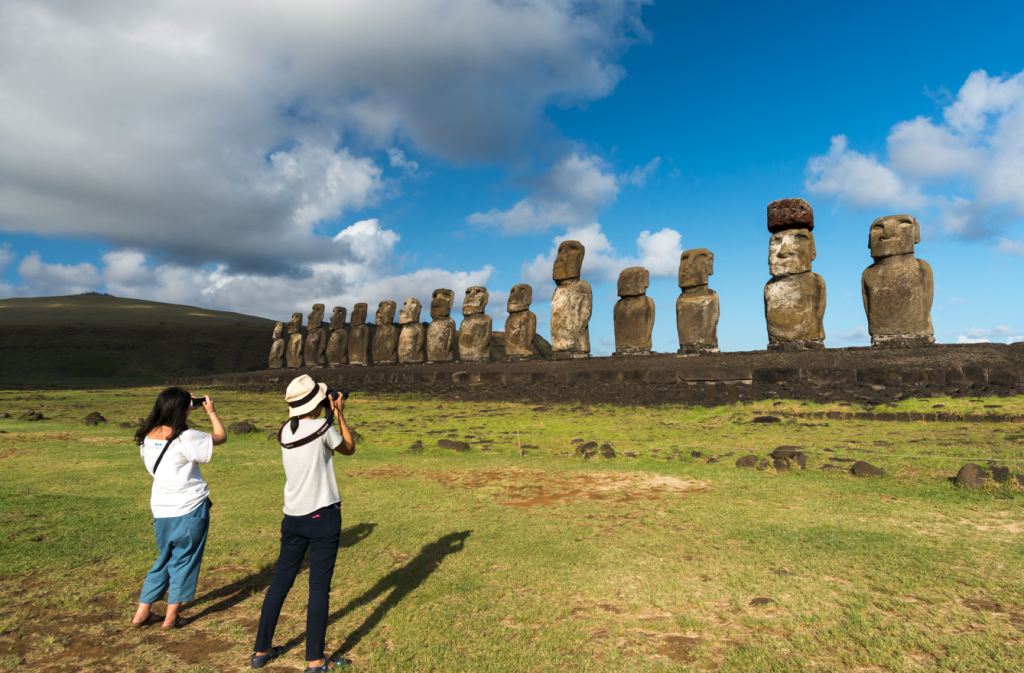

Do you think the mysteries of Rapa Nui – Easter Island are only found on the surface with the giant moai statues? Think again! Get ready to head underground, because some of the island’s best secrets are right beneath your feet.
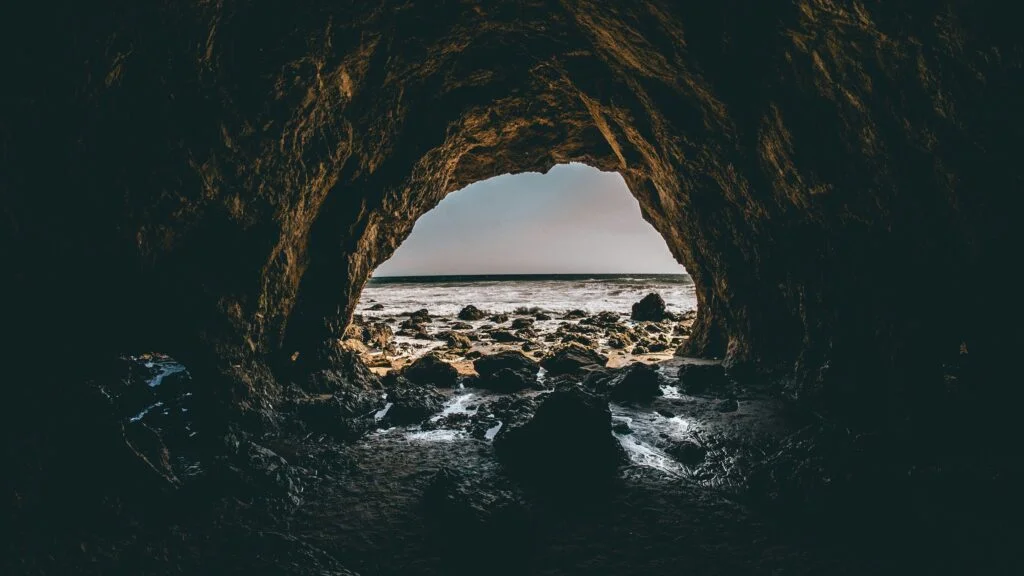
The Rapa Nui caves make up the most extensive volcanic cavern system in Chile and one of the most impressive in the world. This labyrinth of lava tubes stretches for over 7 kilometers, guarding stories and legends that most travelers never get to hear.
Geological Origin: A World Forged by Fire
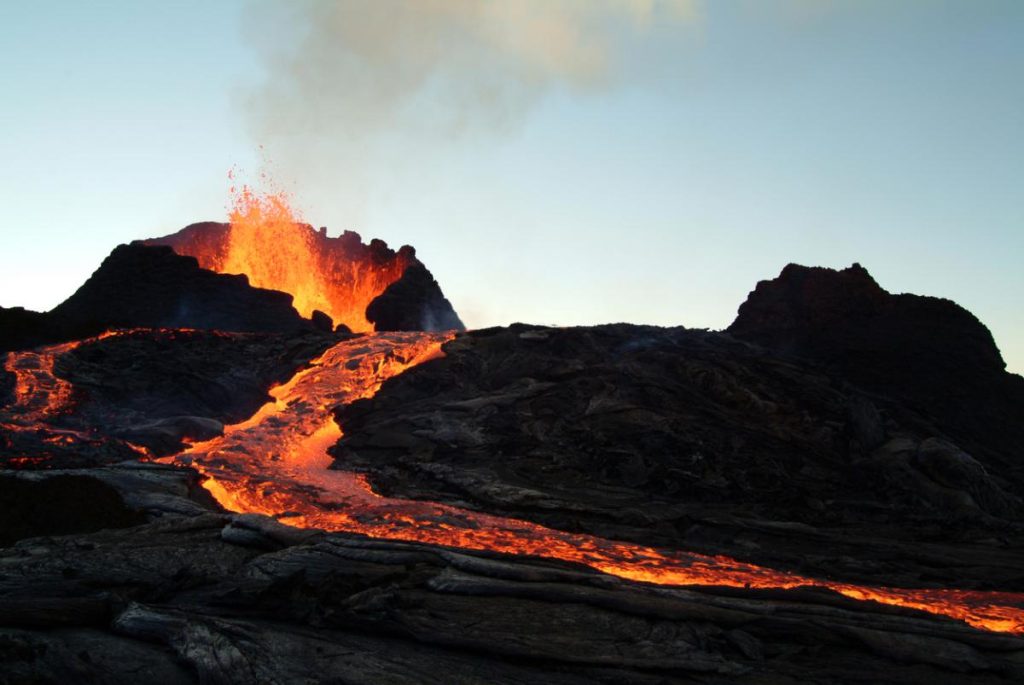
To understand the origin of the Rapa Nui caves, we have to look deep into the earth, thousands of years back. The island was formed by three main volcanoes: Poike, Rano Kau, and Terevaka. The latter, being the youngest, was the master architect of the underground system we explore today.
As molten lava flows solidified upon contact with the air, the glowing core continued to flow toward the sea. When the magma source ran dry, the interior emptied out due to gravity, leaving behind monumental cylindrical tunnels. This phenomenon created a network of galleries that stretch for miles. Because of the porous basalt rock, the island doesn’t hold water on the surface; everything filters down, creating underground aquifers that sustain life within these caves of Rapa Nui.
How Many Caves Are There on Easter Island?
It’s hard to say exactly how many cavities exist, as archaeological work is still ongoing. While official records list nearly a thousand sites, expeditions by local families and international experts suggest the number of Rapa Nui caves could be significantly higher. This density makes the island one of the places with the highest concentration of caverns per square mile in the world.
Local tradition clearly distinguishes between «ana» (deep caves) and «karava» (rock shelters). Every name corresponds to a historical event or the presence of an Aku-Aku (guardian spirit), integrating the underground into the kainga—the vital territory of each lineage.
Historical Context: From Splendor to War Shelters
The use of the Rapa Nui caves changed drastically over the centuries. During the era of the moai (the height of the megalithic culture), the caverns served mainly spiritual and domestic purposes.
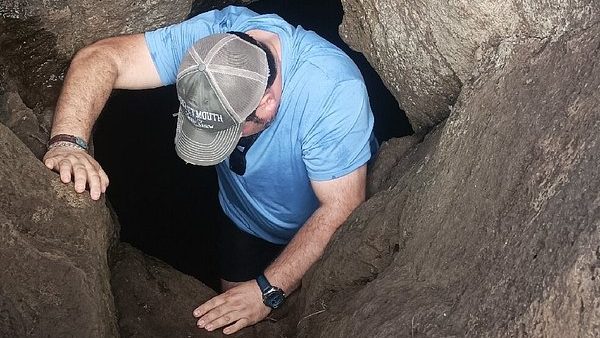
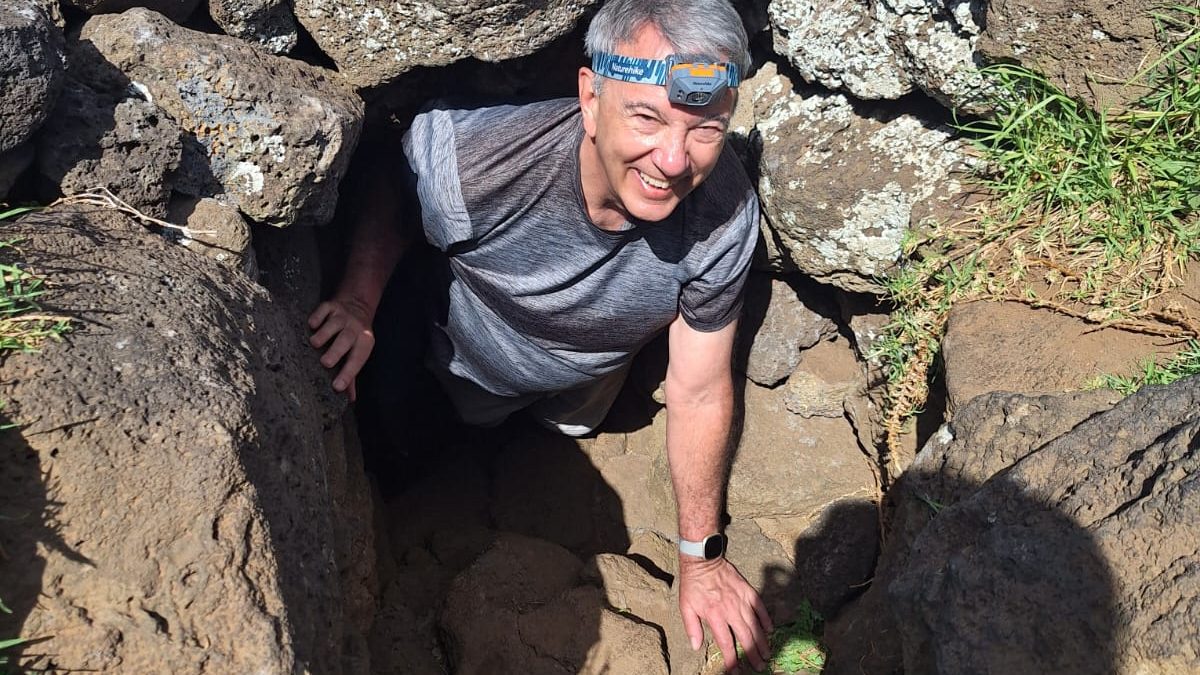
However, after social collapse and the start of tribal wars (Huri Moai period—meaning “the toppling of the moai” in the Rapa Nui language), these structures became survival bunkers. Families hid in the Rapa Nui caves to protect themselves from enemy raids. Many entrances were artificially modified, narrowed with stone walls so only one person could enter at a time, making the sites much easier to defend.
Ancestral Uses and Practical Purposes
The versatility of these spaces allowed life to flourish in a sometimes hostile environment:
- Shelter and Housing: Protection against the elements or during tribal conflicts.
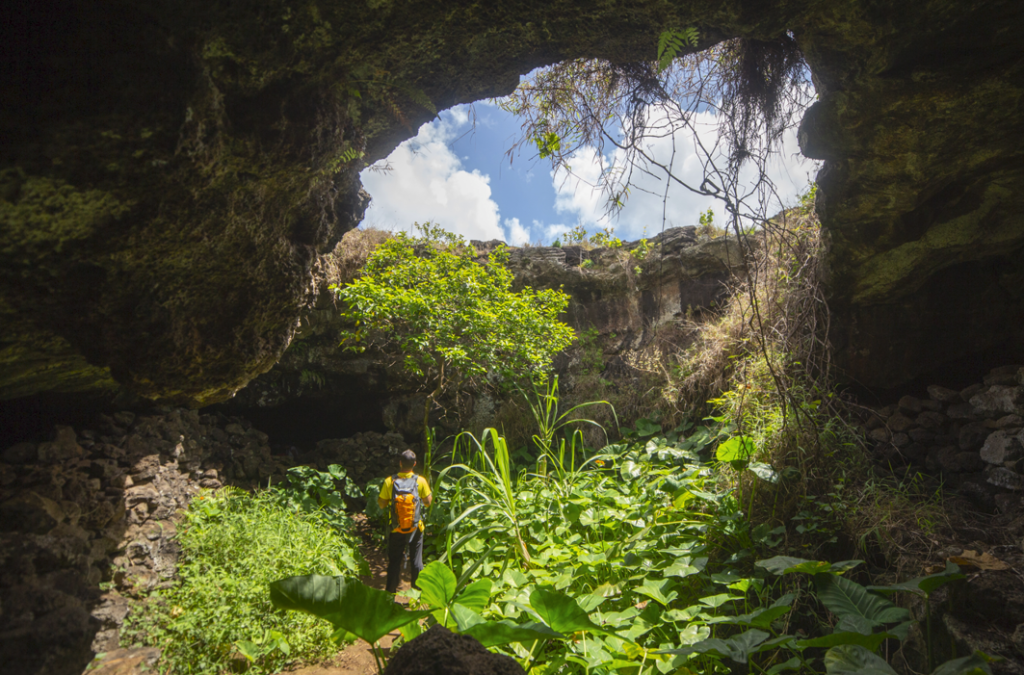
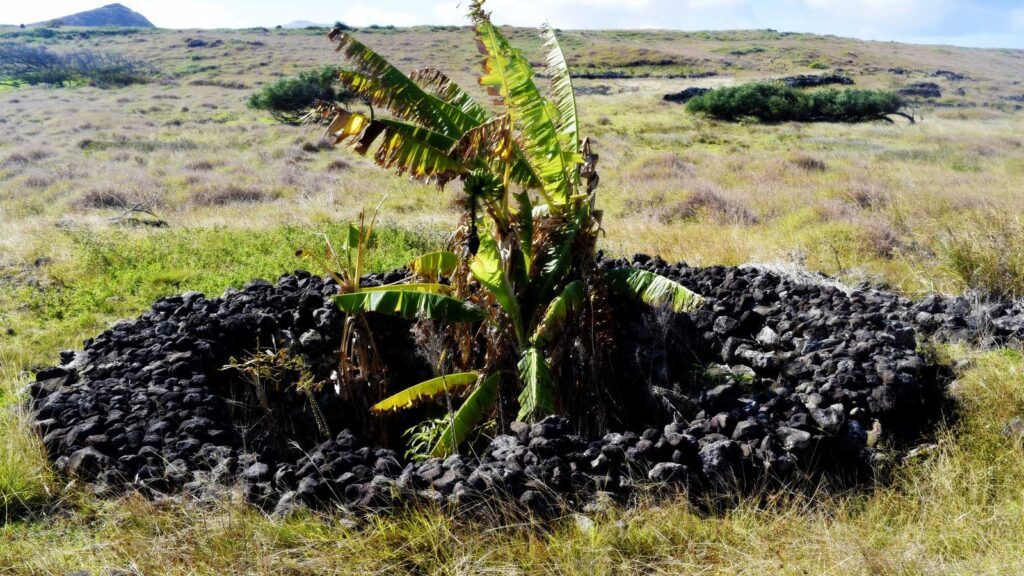
- Agriculture – The Manavai (Underground Gardens): At the cave entrances, where moisture collected, ancestors grew taro, bananas, and sugar cane, creating perfect microclimates.
- Burial Chambers: Many caverns served as ossuaries where the remains of respected ancestors were laid to rest.
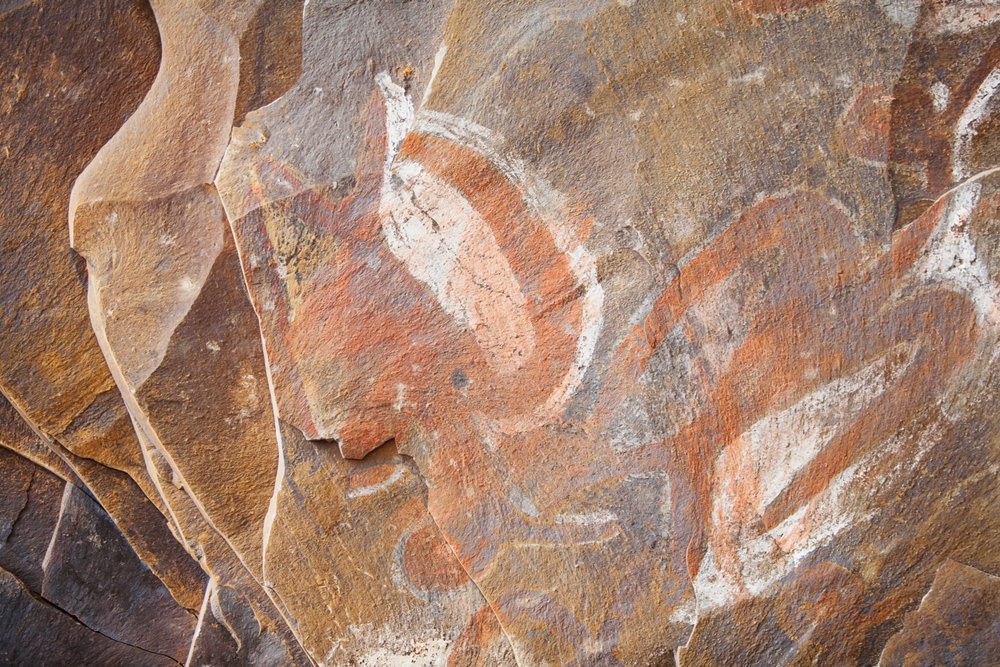
- Rock Art and Symbolism: The cave walls are the island’s “art galleries,” housing petroglyphs of deities like Make-Make or representations of the Tangata Manu (Birdman).
History, Legends, and Spirituality: Home of the Varua
The island’s history begins and ends in the caves. The first king, Hotu Matu’a, lived in a cave upon landing at Anakena. But beyond the physical, these are sacred sites. For the Rapa Nui people, they are the home of the Aku-Aku or Varua (guardian spirits).
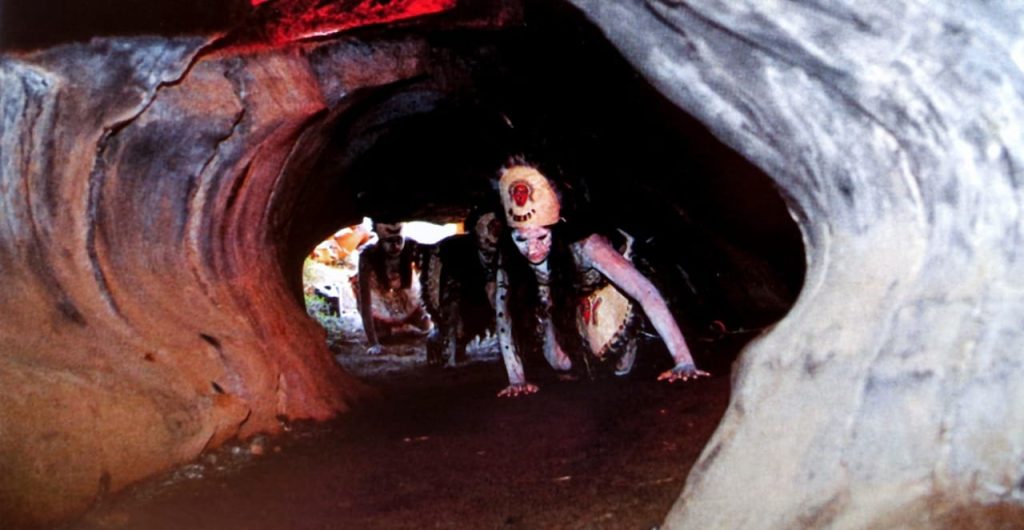
One of the most popular legends is Ana O Keke (The Cave of the Virgins). It tells of rituals where young women were secluded in total darkness for months to keep their skin white—a sign of beauty and status for sacred ceremonies. Even today, we locals ask for permission before entering. These spaces weren’t just for hiding from 18th-century European explorers; they were schools for fishing, healing clinics, and the birthplace of many islanders.
Tourist Guide: The Must-See Caves
If you are planning a visit with our private tours in Easter Island, these are the mandatory stops on our Cave Tour:
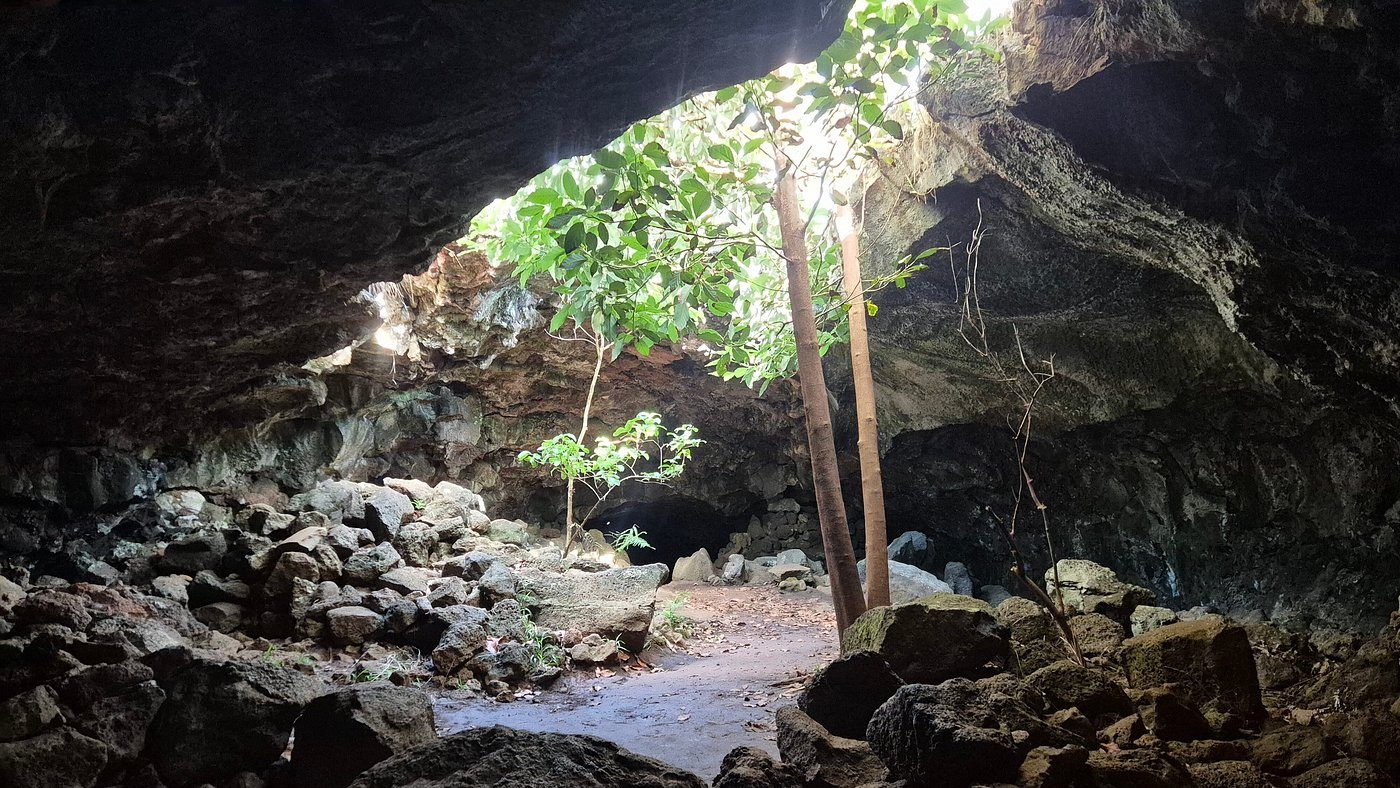
Ana Te Pahu: The Banana Cave
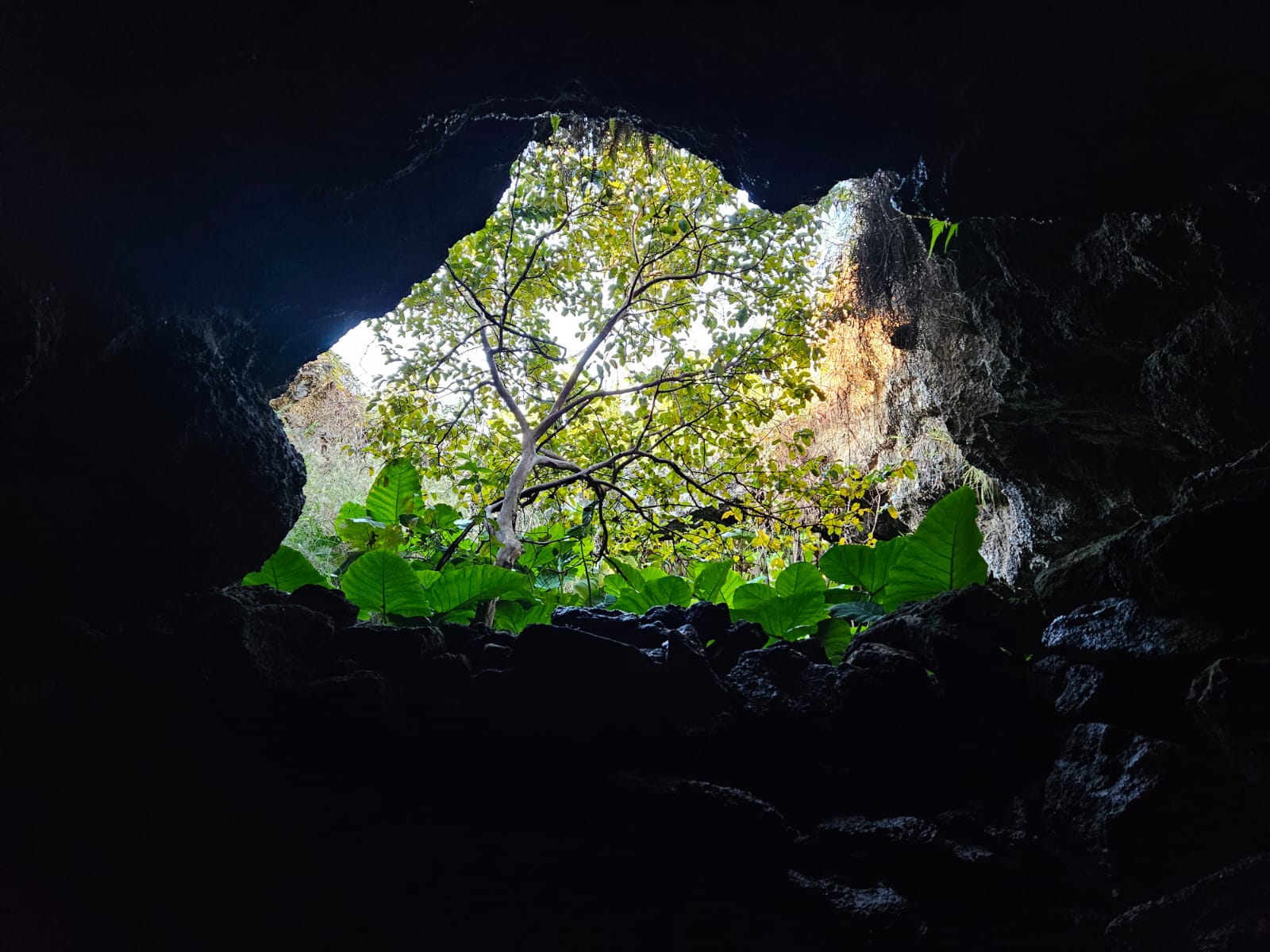
Located in the Roiho area, this is the “mother” of all Rapa Nui caves. When you enter, you’ll be amazed to see banana trees and other plants growing below ground level. It features the longest lava tube on the island and natural “windows” that act as a large-scale natural manavai.
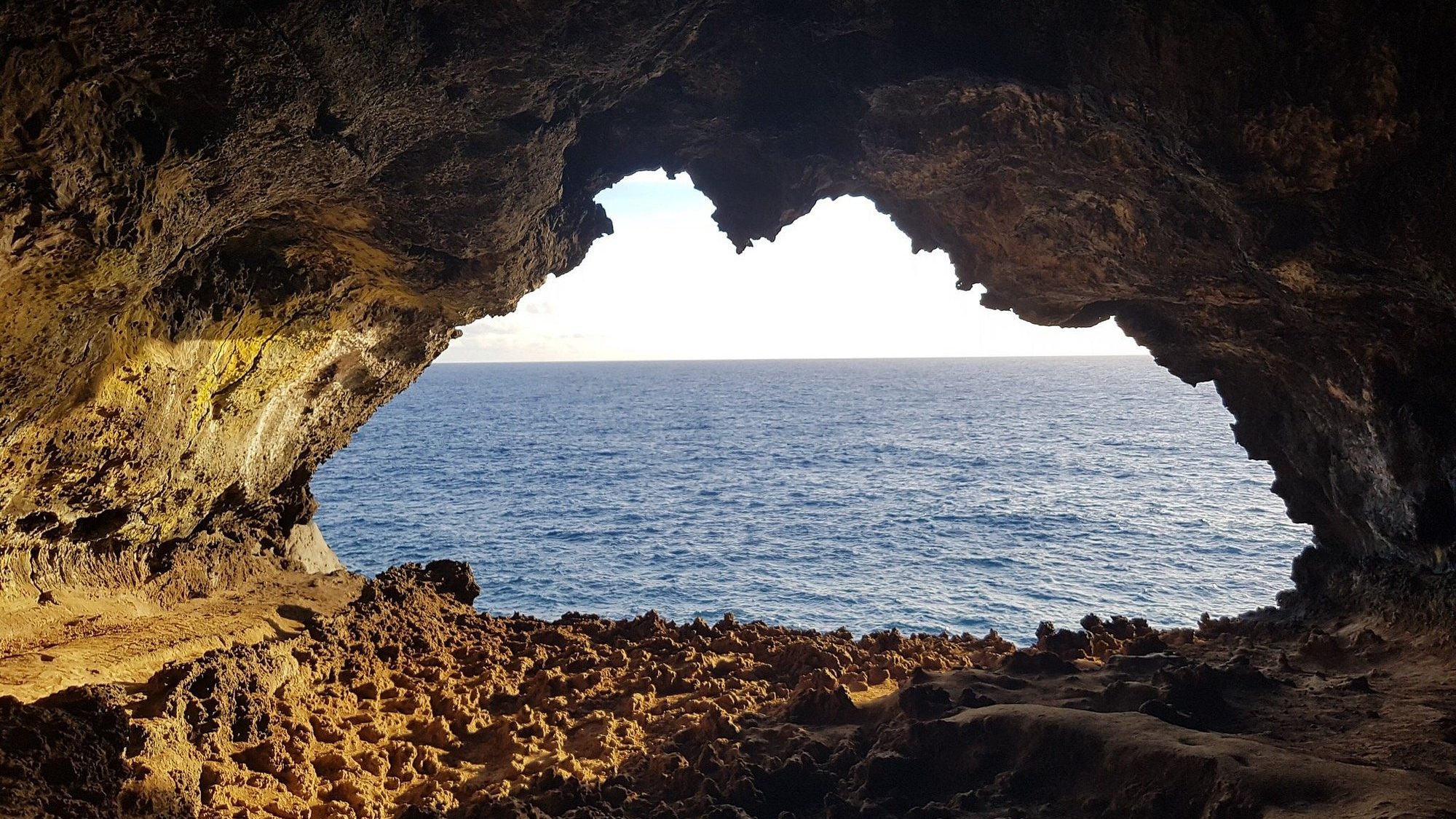
Ana Kakenga: The Two Windows
After a narrow entrance (not for the claustrophobic!), the tunnel opens into two spectacular natural windows on a 100-foot cliff with a breathtaking view of the Pacific Ocean. It is, perhaps, the most photographed cave on Easter Island.
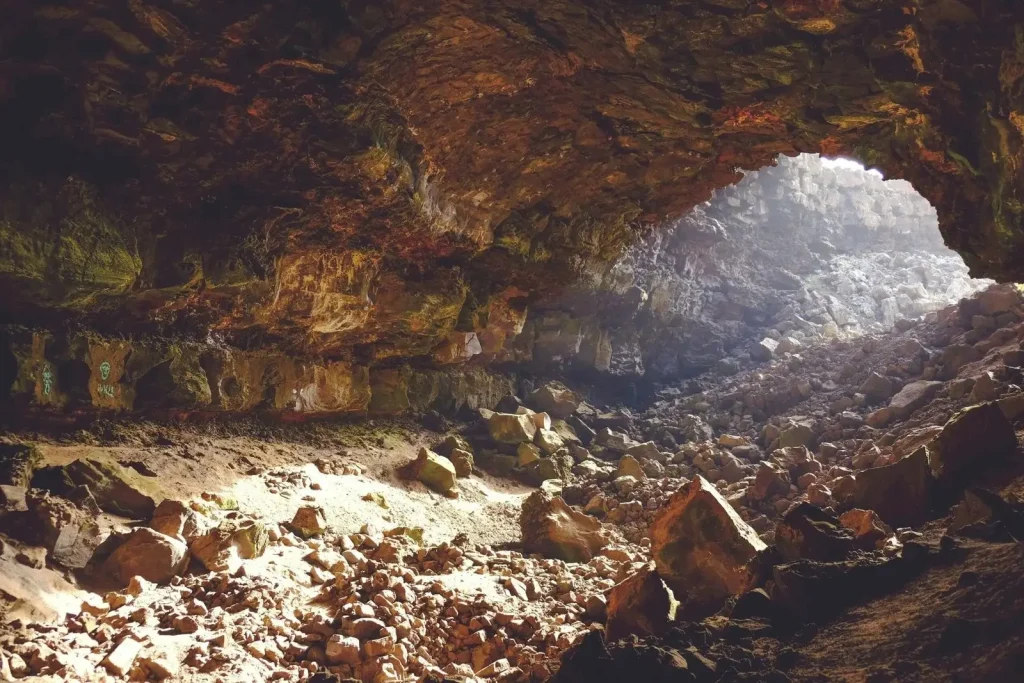
Ana Kai Tangata: The Painted Cave
Currently closed due to risk of rockfalls, this cave is famous for its proximity to the sea and its impressive rock paintings. The reddish mineral pigments still show the silhouettes of the Manutara (sacred birds).
The Experience with Us: Just Relax and Enjoy!
We know exploring the Rapa Nui caves can feel a bit intimidating, but that’s why we’re here! On our tours, we stop at various points and play “find the cave” with visual exercises—because sometimes they are right in front of you and you can’t even see them!
We take care of absolutely everything on our private tours:
- Private Transportation: We pick you up and drop you off in total comfort.
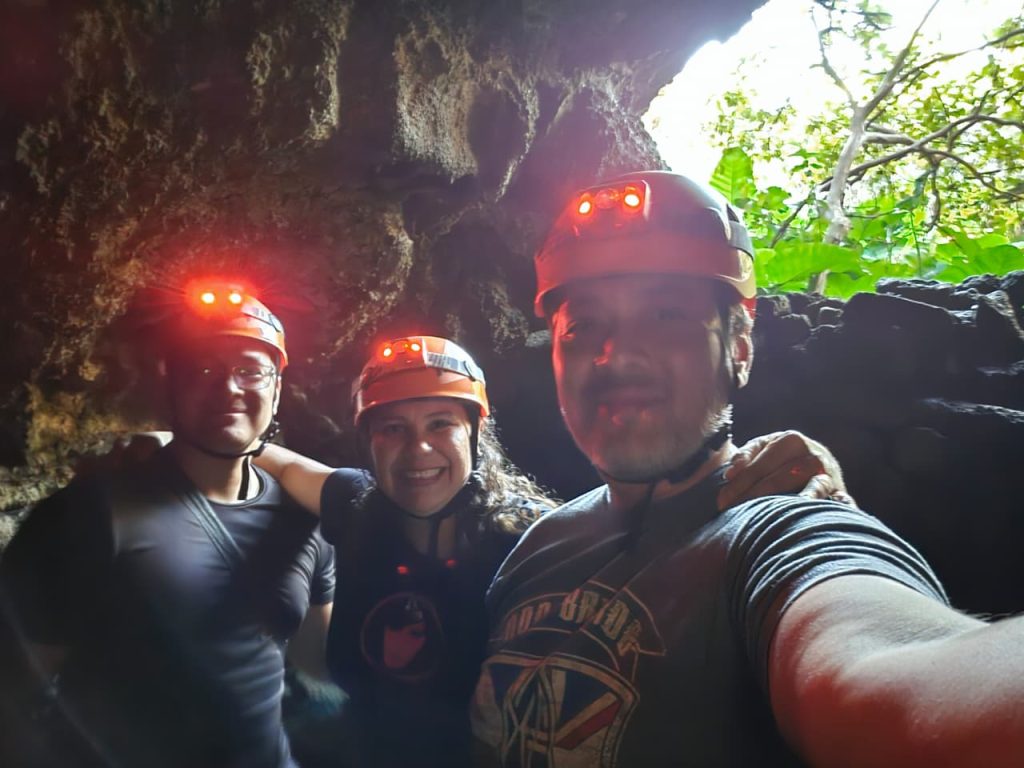
- Exploration Gear: We provide helmets and powerful flashlights for your safety inside the lava tubes.
- Hydration: We always have fresh water ready for you.
- The Best Vibes: We accompany you step-by-step to make your visit unforgettable.
Final Tips from Your Guide Friend
To make your day exploring the Rapa Nui caves perfect, don’t forget to bring:
- Trekking Shoes: The ground is volcanic rock and is usually damp.
- Comfortable Clothing: We are going to really explore!
- Total Respect: The paintings and walls are treasures; we look, we take photos, but we never touch.
Are you brave enough to discover the secrets that the Terevaka volcano left for you? Let’s explore the Rapa Nui that few get to know together!