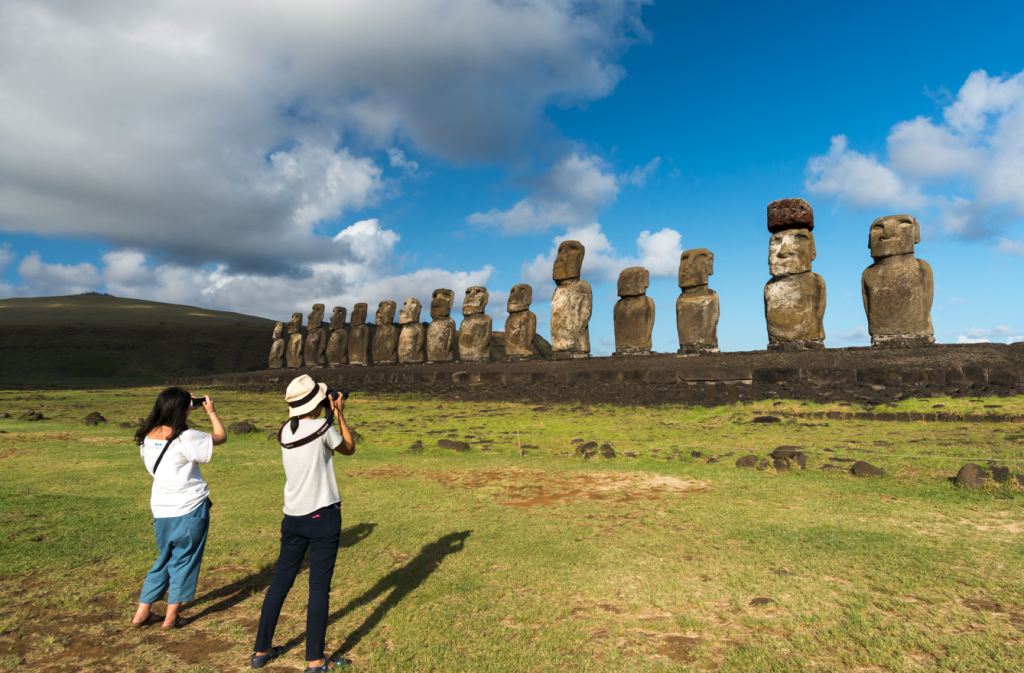


Planning a trip to Easter Island (Rapa Nui) is about much more than simply booking a flight. As one of the most remote inhabited islands on Earth, organizing every detail in advance can make the difference between a stressful vacation and an unforgettable adventure.
From choosing the best time to visit and booking your flights to understanding the island’s entry requirements, purchasing your Rapa Nui National Park ticket, and reserving tours with certified local guides, there are several important steps to take before you arrive.
As a local tour operator with more than 12 years of experience, Easter Island Travel has welcomed thousands of travelers from around the world. We understand the questions visitors ask before traveling to Easter Island (Rapa Nui), and we know which recommendations truly make a trip smoother, safer, and more rewarding.
In this complete guide, you’ll find everything you need to confidently plan your Easter Island trip and make the most of one of the world’s most extraordinary archaeological and cultural destinations.
Why Visit Easter Island?
Visiting Easter Island (Rapa Nui) is about discovering far more than its world-famous moai statues. The island is home to one of the most important archaeological landscapes on Earth, featuring hundreds of ceremonial platforms (ahu), volcanic craters, lava caves, ancient villages, and spectacular coastal scenery that preserve the history of the Rapa Nui people.
This remarkable heritage is protected within Rapa Nui National Park, a UNESCO World Heritage Site, making the island a unique destination where archaeology, Polynesian culture, breathtaking landscapes, and living traditions come together.
One of the greatest things that sets Rapa Nui apart from other destinations is that its culture is still alive today. Traditional music, dance, craftsmanship, ancestral ceremonies, local cuisine, and celebrations such as the Tapati Rapa Nui Festival remain an essential part of everyday life, allowing visitors to experience an authentic Polynesian culture rather than simply observing history from a distance.

Beyond visiting iconic places like Ahu Tongariki, Rano Raraku, Orongo, Anakena Beach, and Rano Kau, you’ll also have the opportunity to explore volcanic caves, hike scenic coastal trails, relax on white-sand beaches, and discover the stories that have shaped this island’s identity for centuries.
Every corner of Easter Island has its own story, and exploring these archaeological sites alongside a certified local guide provides a much deeper understanding of their significance and the profound connection between the Rapa Nui people and their ancestral homeland.
When Is the Best Time to Visit Easter Island?
One of the questions we receive most often is: When is the best time to travel to Easter Island?
The answer depends entirely on the type of experience you’re looking for.
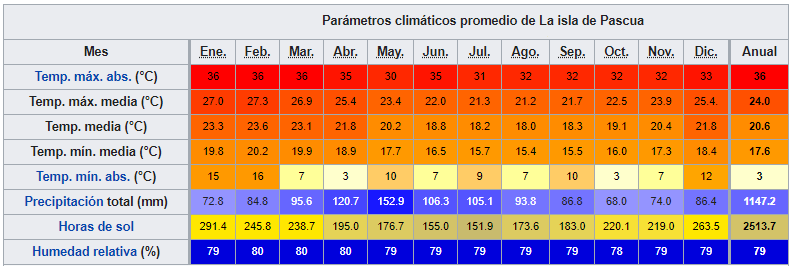
Thanks to its subtropical oceanic climate, Easter Island (Rapa Nui) can be visited year-round. Every season offers different weather, landscapes, activities, and travel experiences.
If you’re looking for warm weather, beach days, and a lively atmosphere, summer is the perfect choice. If you’d rather explore the island’s archaeological sites with fewer visitors, autumn, winter, and spring provide a much quieter experience.
- Summer (December to March)
Summer is the busiest tourist season and also the warmest time of year. Temperatures frequently exceed 30°C (86°F), daylight lasts longer, and sunny weather makes it ideal for exploring archaeological sites, relaxing at Anakena Beach, or watching sunrise at Ahu Tongariki.
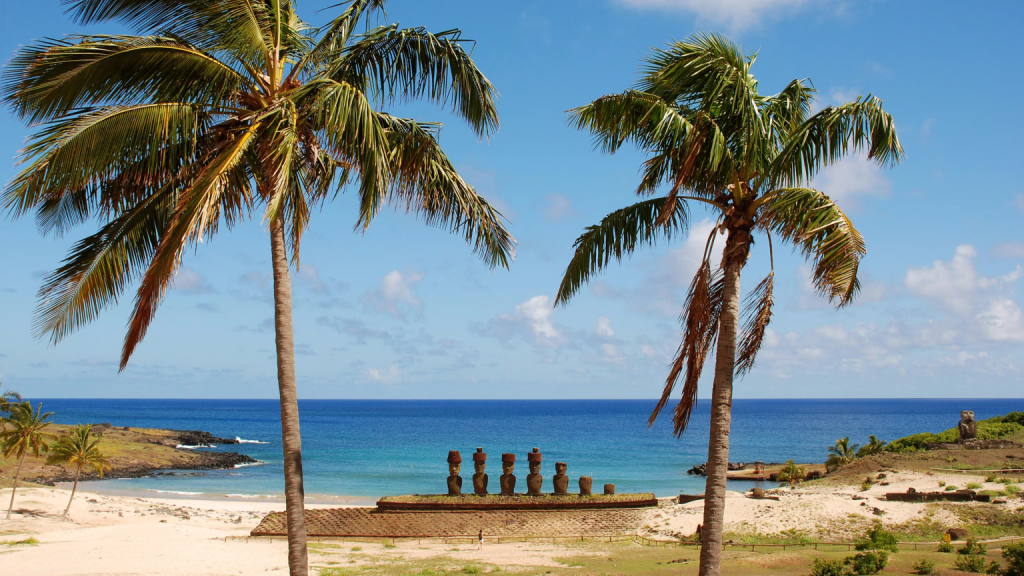
This is also when the famous Tapati Rapa Nui Festival takes place, usually between late January and the first half of February. During these weeks, thousands of visitors arrive on the island, making flights, accommodations, and tours much more difficult to secure.
If you’re planning to visit during summer, we strongly recommend booking several months in advance and packing:
- Lightweight clothing
- A hat or cap
- Sunscreen
- Sunglasses
- A reusable water bottle
- A light windbreaker for the evenings

- Autumn (April to June)
Autumn marks the beginning of a much quieter travel season on Easter Island.
Temperatures generally range between 15°C and 24°C (59–75°F), while rainfall becomes slightly more frequent, covering the island in lush green vegetation.
It’s an excellent time for travelers who enjoy peaceful walks through Rapa Nui National Park, photographing the island without large crowds, and experiencing a slower pace of travel.
We recommend bringing:
- A waterproof jacket or windbreaker
- Comfortable walking or hiking shoes
- Lightweight daytime clothing
- A rain jacket for outdoor excursions
- Winter (June to September)
Although many people expect cold weather, winters on Rapa Nui remain surprisingly mild.
What truly defines this season is the increased rainfall and the spectacular green landscapes that transform the island.
Winter is perfect for travelers looking to escape mass tourism and experience a quieter, more authentic side of Easter Island. The volcanic scenery takes on an entirely different appearance, and hiking trails become especially beautiful after rainfall.
For winter visits, we recommend packing:
- A waterproof jacket
- Hiking shoes with good traction
- Quick-drying clothing
- A light sweater or jacket for the evenings

- Spring (September to November)
For many visitors, spring offers the perfect balance between pleasant weather and fewer tourists.
Temperatures gradually rise, daylight hours become longer, and the island slowly becomes more active before the arrival of the busy summer season.
It’s an ideal time for visiting the island’s archaeological sites, hiking scenic trails, and enjoying nature without the crowds that characterize the peak travel months.
Since weather conditions can change several times throughout the day, dressing in layers and carrying a lightweight jacket is always recommended.
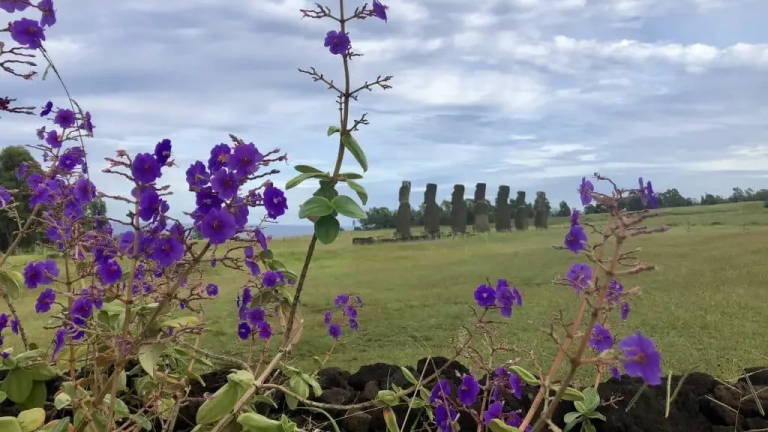
If your goal is to experience the island’s vibrant living culture, February is undoubtedly the best time to travel to Easter Island, as you’ll be able to enjoy the Tapati Rapa Nui Festival, the island’s most important cultural celebration.
On the other hand, if you prefer exploring archaeological sites at a slower pace, enjoying a quieter atmosphere, and finding better availability for accommodations and tours, the months between April and November are generally the best choice.
The good news is that Easter Island is a year-round destination. No matter when you visit, you’ll discover extraordinary landscapes, fascinating history, and a living culture that continues to be passed down from generation to generation.
How to Get to Easter Island
Located in the middle of the South Pacific Ocean, Easter Island (Rapa Nui) is one of the most remote inhabited places on Earth. Fortunately, getting there is much easier than many travelers imagine.
Currently, LATAM Airlines is the only airline operating scheduled commercial flights between Santiago, Chile (SCL) and Mataveri International Airport (IPC), the island’s only airport, located in Hanga Roa.

The flight takes approximately five and a half hours, becoming part of the adventure itself. As the aircraft approaches the island, the endless Pacific Ocean gradually reveals one of Polynesia’s most breathtaking landscapes.
When Should You Book Your Flights?
Airfares to Easter Island vary significantly depending on the season.
Generally speaking:
- Low season (April to November): Better availability and lower fares.
- Summer and the Tapati Festival (December to February): Higher demand and significantly more expensive tickets.
Once you’ve decided on your travel dates, we recommend booking your flights at least three to four months in advance.
If you’re planning to visit during the Tapati Rapa Nui Festival, booking six months or more ahead is highly recommended, as flights often sell out.
Where Should You Search for Flights?
The best option is always the official LATAM Airlines website, where you’ll find the latest fares and promotions.
You may also compare vacation packages offered by travel agencies that combine flights, accommodations, and tours, although booking each service separately often provides greater flexibility.

Before booking hotels or tours, make sure your flights are confirmed first.
Because flights to the island are limited, changing your travel dates later can affect the rest of your itinerary.
Once your flights are secured, planning accommodations, purchasing your Rapa Nui National Park ticket, and reserving tours becomes much easier.
How Many Days Should You Stay on Easter Island?
Choosing how many days to spend on Easter Island (Rapa Nui) depends mainly on the type of trip you want to experience.
While it’s possible to visit the island’s most famous attractions in just a few days, Rapa Nui is a destination best enjoyed at a slower pace. Taking your time allows you to fully appreciate its archaeological sites, spectacular landscapes, and rich cultural heritage.
Our recommendation is simple: don’t try to see everything in a rush. Every archaeological site tells a different story, and many deserve time to explore alongside a certified local guide.
2 a 3 días: una visita panorámica
If you only have a couple of days available, you can still visit many of the island’s most iconic attractions, including Ahu Tongariki, Rano Raraku, Orongo, Rano Kau, and Anakena Beach.
This option is ideal for travelers including Easter Island as part of a longer itinerary through Chile, although the schedule will naturally be more intensive.
If that’s your situation, Easter Island Travel offers specially designed experiences to make the most of a short stay.
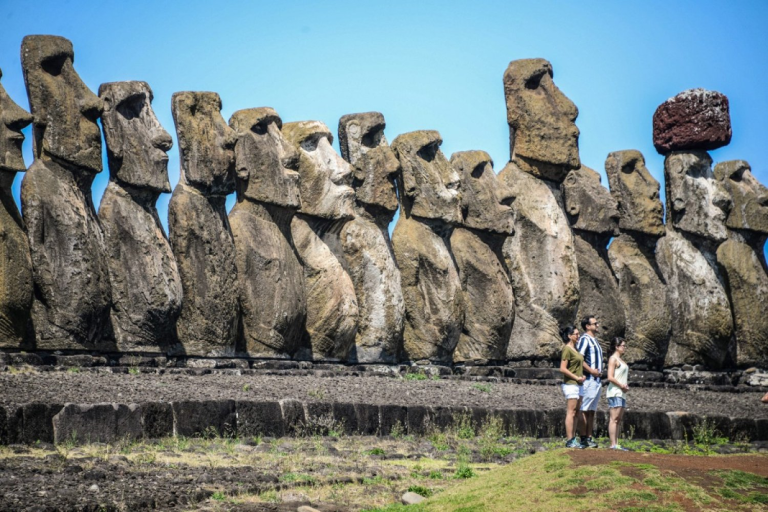
Our Express Tour covers the island’s main archaeological highlights in approximately six hours, while our Half-Day Tour offers a shorter introduction to Rapa Nui’s most iconic sites, making it perfect for visitors with limited time or flights arriving or departing the same day.
4 to 5 Nights: Our Recommendation
For most travelers, four or five nights offers the perfect balance between time and budget.
This length of stay allows you to visit the island’s most important archaeological sites, enjoy local cuisine, relax on beautiful beaches, explore volcanic caves, and experience both sunrise at Ahu Tongariki and sunset at Tahai—two unforgettable moments we recommend to everyone visiting Rapa Nui (Easter Island).
You’ll also have enough time to enjoy several excursions without feeling rushed, giving you the opportunity to truly appreciate the island’s unique atmosphere and rich cultural heritage.
6 Nights or More: The Complete Experience
If you’re looking for a deeper connection with the island, we recommend staying six nights or longer.
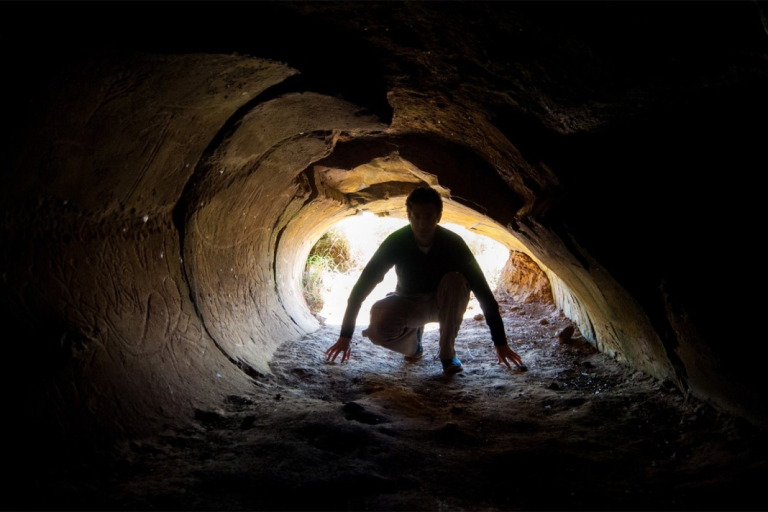
With additional time, you’ll not only visit the must-see attractions but also discover lesser-known archaeological sites, hike scenic coastal trails, explore volcanic caves, spend more time relaxing at Anakena Beach, participate in cultural experiences, and uncover hidden corners of the island that many visitors never get to see.
Many of our guests tell us that after spending nearly a week on the island, they finally understand why so many people fall in love with Rapa Nui and dream of returning.
Whenever possible, we recommend planning a stay of at least five nights. This gives you enough time to experience the island at a comfortable pace, visit its most iconic archaeological sites, and immerse yourself in the unique rhythm of life on Rapa Nui (Easter Island).
At Easter Island Travel, we can help you create a personalized itinerary based on the number of days you have available, combining the island’s most famous landmarks with lesser-known locations so you can make the most of every day of your trip.
Entry Requirements for Rapa Nui
Before traveling, it’s important to understand the current entry requirements for Rapa Nui (Easter Island). Because the island has a special administrative status, several regulations are in place to protect its cultural, environmental, and social heritage.
Preparing your documents in advance will help you avoid delays before boarding your flight and ensure a smooth arrival on the island.
Required Documents
To enter Rapa Nui (Easter Island), you must have:
- A valid passport or national ID card (depending on your nationality).
- A return or onward travel ticket.
- A confirmed reservation at a SERNATUR-registered accommodation, or an invitation letter issued by an authorized island resident.
- A completed Single Entry Form (FUI), which is mandatory for all visitors.
We recommend carrying both digital and printed copies of these documents, especially if you’re traveling from abroad.
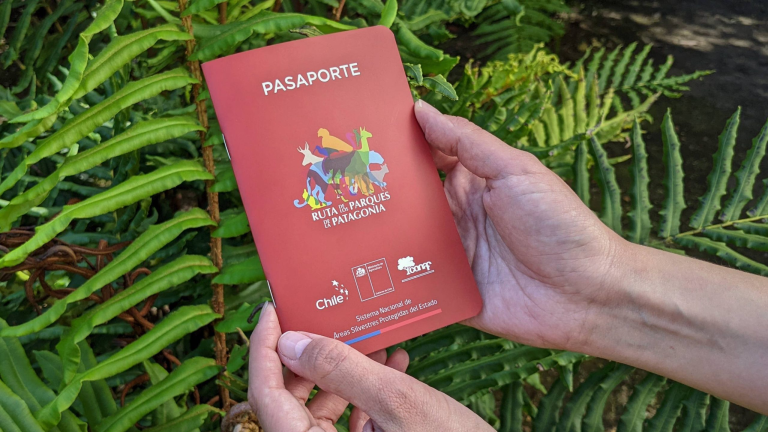
The Single Entry Form (FUI)
One of the most important travel requirements is completing the Single Entry Form (Formulario Único de Ingreso – FUI) before your trip.
This mandatory form allows authorities to register visitors and helps regulate tourism while protecting the island’s unique cultural and environmental heritage.
Our recommendation is to complete the form at least 48 hours before your flight to avoid any last-minute issues.
Accommodation Reservation
All visitors must provide proof of where they will be staying during their visit.
If you’re booking a hotel, cabin, guesthouse, or other tourist accommodation, make sure it is officially registered with SERNATUR. Fortunately, nearly all formal accommodations on the island meet this requirement, but it’s always a good idea to verify before traveling.
If you’ll be staying with friends or family who live on the island, you’ll need to present an official invitation letter.

Maximum Length of Stay
Current regulations allow visitors to remain in Rapa Nui for a maximum of 30 days.
This law helps preserve the island’s environmental balance, cultural identity, and sustainable tourism model, protecting one of the Pacific’s most remarkable destinations.

Before your departure, make sure all your travel documents are organized and easily accessible.
We also recommend saving digital copies of your passport or ID, accommodation reservation, return ticket, and completed FUI form on your phone, while carrying printed copies as a backup.
If you book any of our tours, we’ll be happy to guide you through these requirements before your trip so you can travel with complete peace of mind.
Rapa Nui National Park Ticket
One of the most common questions when planning a trip to Rapa Nui (Easter Island) is how to visit the island’s archaeological sites.
Most of them are located within Rapa Nui National Park, making an entrance ticket mandatory for access.
This ticket allows you to visit iconic sites such as Rano Raraku, Ahu Tongariki, Orongo, Ahu Akivi, and many other protected archaeological locations that form part of Easter Island’s extraordinary cultural heritage.
Where can you buy the ticket?
The easiest and most convenient option is to purchase your ticket online before traveling through the official authorized websites:
Once your purchase is complete, you’ll receive a PDF containing a QR code, which must be presented at the entrances to Rapa Nui National Park.
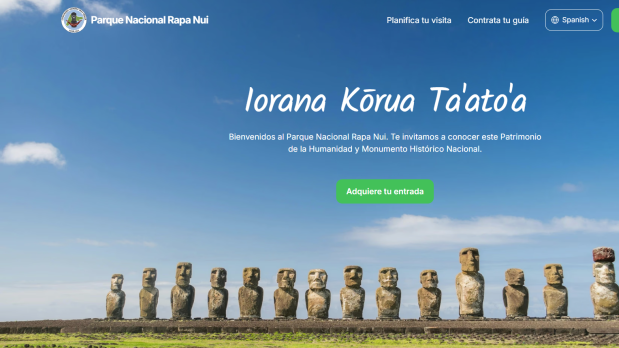
You can also buy your ticket in person in Hanga Roa, but purchasing it before your trip will save you time once you arrive on the island.
Important information
efore planning your itinerary, keep the following in mind:
- The ticket is valid for 10 consecutive days from your first visit.
- Rano Raraku and Orongo can only be visited once with the same ticket.
- All other archaeological sites may be visited multiple times during the ticket’s validity period, provided you follow park regulations.
In addition, please remember that most archaeological sites now require visitors to be accompanied by a certified local guide. This measure helps protect the island’s cultural heritage while providing visitors with a richer and more meaningful experience.
At Easter Island Travel, all of our tours fully comply with current regulations and are led by certified local guides.
Practical Tips Before Visiting Rapa Nui
Good planning will help you make the most of your trip to Rapa Nui (Easter Island). Although the island offers all the essential services travelers need, its remote location means that some aspects of daily life are different from other destinations in Chile.
Here are some practical recommendations we always share with our guests before they arrive.
Pack for changing weather
Although Rapa Nui enjoys pleasant temperatures year-round, the weather can change quickly. It’s not unusual to experience sunshine in the morning, a brief tropical shower around midday, and clear skies again in the afternoon.
We recommend packing:
- Lightweight, comfortable clothing
- A waterproof jacket or windbreaker
- Comfortable walking or hiking shoes
- A hat or cap
- Sunscreen and sunglasses
Since most of our tours take place outdoors, being prepared for changing weather conditions will make your experience much more enjoyable.

Stay hydrated
The tropical sun can be intense throughout much of the year, especially during summer.
Bringing a reusable water bottle is always a good idea.
On all our private tours, we provide complimentary bottled water for every guest, allowing you to explore the island comfortably throughout the day.
Mobile coverage doesn’t reach the entire island
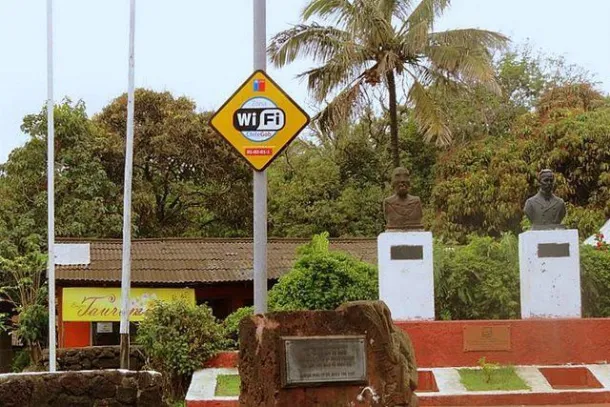
Within Hanga Roa, you’ll find reliable mobile coverage and internet access in most hotels, restaurants, and cafés.
However, once you venture into Rapa Nui National Park or more remote parts of the island, phone service and mobile data may disappear entirely.
If you plan to use maps, translation apps, or travel information during your excursions, download everything you need before leaving your accommodation.
Cards are widely accepted, but carry some cash
Most hotels, restaurants, supermarkets, and tour operators accept both credit and debit cards.
However, it’s still a good idea to carry a small amount of cash for artisan markets, family-run businesses, or taxi rides, as there is no public transportation on Easter Island.
Respect the archaeological heritage
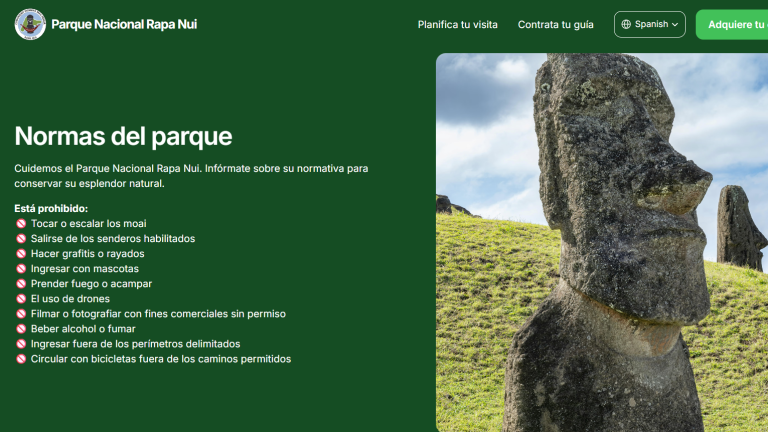
The moai and ceremonial platforms are part of one of the world’s most valuable cultural treasures.
During your visit, please remember to:
- Never climb onto the moai or ahu.
- Stay on designated walking paths.
- Do not remove stones, plants, or natural elements.
- Follow all instructions given by park rangers and your guide.
These simple actions help preserve Rapa Nui’s archaeological heritage for future generations.
Why Choose Easter Island Travel?
Exploring Rapa Nui with a knowledgeable local guide completely transforms the experience. Beyond simply visiting archaeological sites, you’ll gain a much deeper understanding of the island’s history, traditions, and cultural significance.
At Easter Island Travel, we’ve spent more than 12 years introducing travelers from around the world to the authentic spirit of Easter Island through carefully designed private tours.
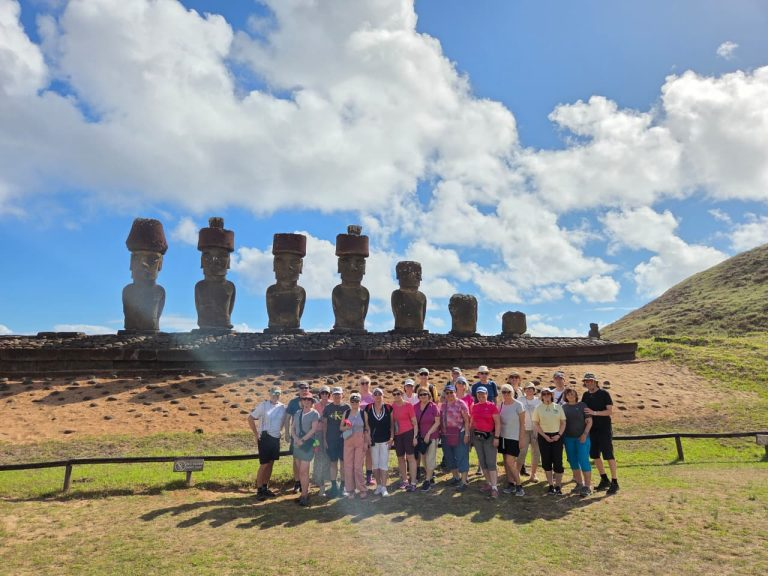
What makes us different?
A local agency with extensive experience
We live and work on Easter Island.
We know every archaeological site, understand the regulations of Rapa Nui National Park, and carefully plan each itinerary according to our guests’ interests and travel pace.
Certified local guides
Every tour is led by certified local guides officially authorized by Rapa Nui National Park.
They don’t simply explain historical facts—they share stories, traditions, and cultural knowledge passed down through generations within the Rapa Nui community.
Private, personalized experiences
We don’t operate large group tours.
Every itinerary is customized according to your available time, interests, and preferred travel style, allowing you to discover the island at your own pace.
More than 8,000 travelers have explored Rapa Nui with us
Over the past decade, we’ve welcomed thousands of visitors from around the world, always focusing on authentic experiences rooted in respect for Rapa Nui’s culture and heritage.
Thanks to consistently outstanding reviews from our guests, we have been recognized as the #1 tour operator on Tripadvisor for Easter Island.
We take care of every detail
From the moment you book with us, we’re here to help you organize your trip.
We can assist you with:
- Choosing the tours that best fit your itinerary
- Planning your sightseeing around your flight schedule
- Understanding Easter Island entry requirements
- Purchasing your Rapa Nui National Park ticket
- Practical travel tips to help you make the most of your stay
Our goal is simple: you enjoy your vacation while we take care of the logistics.
The Best Places to Visit in Rapa Nui
Although Rapa Nui (Easter Island) covers only 163 km² (63 square miles), it is home to an extraordinary concentration of archaeological sites and breathtaking natural landscapes, making it one of the world’s most fascinating cultural destinations.
These are some of the places we recommend including in every trip to Rapa Nui.
- Ahu Tongariki
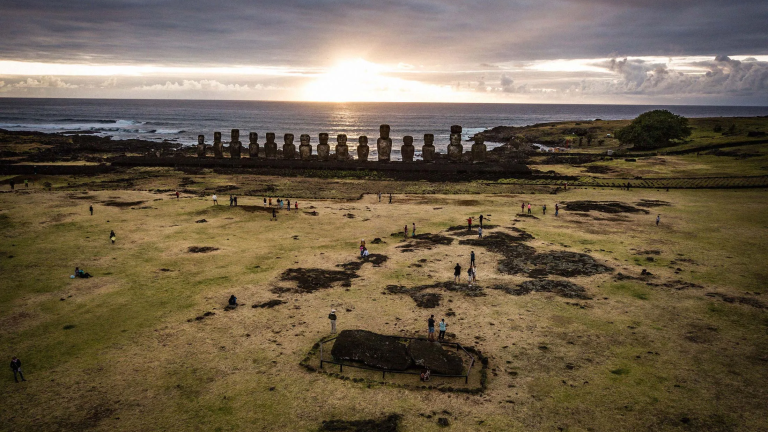
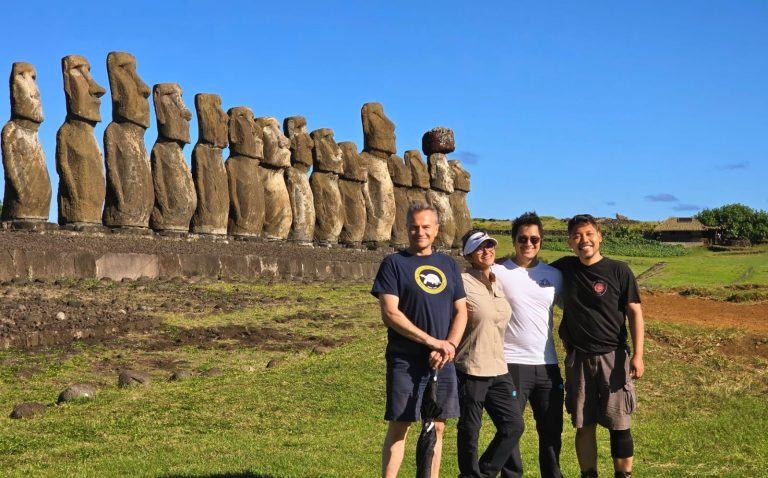
With its fifteen restored moai overlooking the Pacific Ocean, Ahu Tongariki is the largest ceremonial platform on Easter Island and one of its most photographed landmarks, especially at sunrise.
Watching the first rays of sunlight illuminate the moai is an unforgettable experience and one of the highlights of any visit to Rapa Nui.
- Rano Raraku
Known as the quarry where most of the island’s moai were carved, Rano Raraku offers a fascinating insight into how these monumental statues were created and why this volcanic crater played such an important role in the history of the Rapa Nui people.
Walking among hundreds of unfinished and partially buried moai makes this one of the most impressive archaeological sites in Polynesia.
- Orongo and Rano Kau Volcano
Perched on the rim of the spectacular Rano Kau volcanic crater, the ceremonial village of Orongo was the setting for the famous Birdman Competition (Tangata Manu), one of the most significant traditions in Rapa Nui history.
From here, visitors enjoy panoramic views of the crater, dramatic sea cliffs, and the nearby Motu islets, making it one of the island’s most scenic viewpoints.
- Anakena Beach
White sand, crystal-clear turquoise waters, and a row of majestic moai make Anakena one of the most beautiful beaches in Polynesia.
It’s the perfect place to combine archaeology, relaxation, and swimming, making it a favorite stop for travelers exploring Easter Island.
- Ahu Akivi
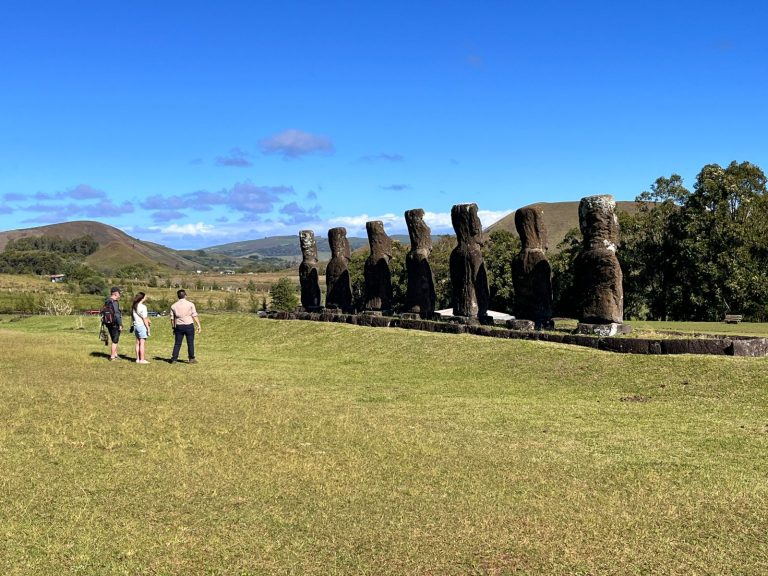
The seven moai of Ahu Akivi are unique on Easter Island because they face the ocean.
Their alignment is closely associated with the equinoxes, demonstrating the remarkable astronomical knowledge of the ancient Rapa Nui civilization.
- Tahai
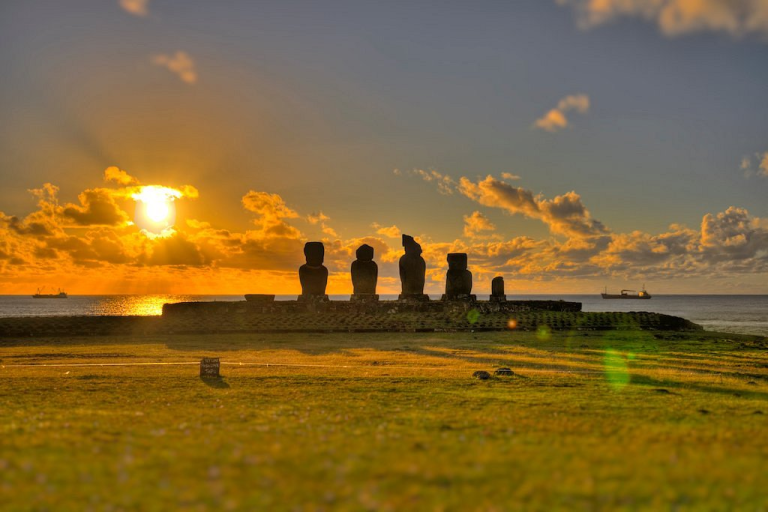
Located just a short walk from the center of Hanga Roa, Tahai is one of the few archaeological sites that can be visited without a guide and is widely regarded as the best place on Easter Island to watch the sunset.
Its restored moai overlooking the Pacific Ocean create one of the island’s most iconic landscapes.
The Best Tips for Visiting Easter Island
After welcoming travelers from around the world for more than a decade, there are a few recommendations we always share before they arrive in Rapa Nui (Easter Island). These simple tips will help you enjoy a smoother, more comfortable, and unforgettable experience.
Book your flights, accommodation, and tours in advance
Rapa Nui receives a limited number of visitors each year. Flights are limited, accommodation options are relatively few, and demand increases significantly during the high season—especially from December through February and during the Tapati Rapa Nui Festival.
We recommend booking:
- Flights: 3 to 6 months in advance.
- Accommodation: At least 3 months before your trip.
- Tours: 1 to 2 months ahead to ensure availability.
Planning early gives you more options and often better prices.
Don’t miss sunrise at Ahu Tongariki
One of the most unforgettable experiences during your trip to Easter Island is watching the sunrise at Ahu Tongariki.
As the first rays of sunlight rise behind the fifteen majestic moai and gradually illuminate the Pacific Ocean, you’ll witness a scene that many travelers describe as the highlight of their entire visit.
At Easter Island Travel, you can add a sunrise experience at Ahu Tongariki to any of our private tours. Even if your itinerary already includes a daytime visit to this archaeological site, experiencing it at sunrise offers a completely different perspective, with extraordinary lighting, fewer visitors, and an atmosphere unlike any other time of day.
Explore the island with a certified local guide
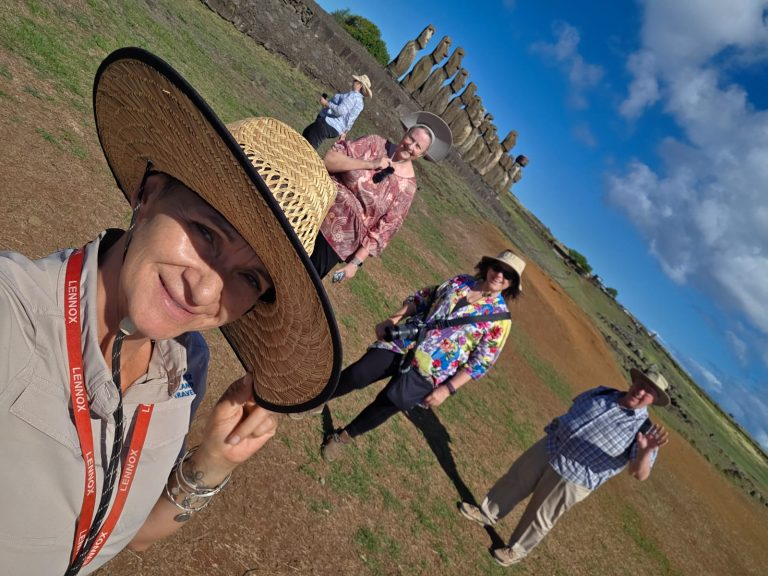
Today, most archaeological sites within Rapa Nui National Park can only be visited with an authorized guide.
Beyond meeting this requirement, exploring the island with a local guide greatly enriches your experience. Every moai, ceremonial platform (ahu), volcanic crater, and ancient village tells a story that becomes far more meaningful when shared by someone who truly knows the island’s history and traditions.
Pack for changing weather
Although Rapa Nui enjoys a pleasant subtropical climate year-round, the weather can change quickly.
We recommend bringing:
- Lightweight clothing.
- A waterproof jacket or windbreaker.
- Comfortable walking shoes.
- Sunscreen.
- A hat or cap.
- A reusable water bottle to stay hydrated.
Being prepared for changing conditions will make your outdoor adventures much more enjoyable.
Experience Rapa Nui’s culture with respect
Rapa Nui is much more than a tourist destination—it’s the homeland of a vibrant community with a deeply rooted cultural identity.
Always respect the rules of Rapa Nui National Park, never climb onto the moai or ceremonial platforms, follow your guide’s instructions, and ask for permission before photographing people during traditional ceremonies or cultural activities.
Traveling respectfully is one of the best ways to help preserve one of the world’s most extraordinary cultural landscapes for future generations.
Frequently Asked Questions
- When is the best time to visit Rapa Nui? Rapa Nui can be visited year-round. If you’d like to experience the island’s most vibrant cultural celebration, February is the best time to visit because of the Tapati Rapa Nui Festival. If you prefer a quieter atmosphere with fewer visitors, the months between April and November are an excellent choice.
- How many days should I spend on Easter Island? We recommend staying 4 to 5 nights, which gives you enough time to explore the island’s main archaeological sites, enjoy the local cuisine, and experience Rapa Nui without rushing.
- Do I need a guide to visit the archaeological sites? Yes. Most archaeological sites within Rapa Nui National Park currently require visitors to be accompanied by a certified local guide. Only a few locations, such as Tahai and Anakena Beach, may be visited without one.
- Where can I buy the Rapa Nui National Park ticket? You can purchase your ticket before traveling through the official websites www.rapanuinationalpark.com or www.tur.com, or at authorized sales points in Hanga Roa. The ticket is valid for 10 consecutive days from its first use.
- How long can I stay in Rapa Nui? According to current regulations, both Chilean and international visitors may stay in Rapa Nui for a maximum of 30 days.
- Do I need to book accommodation before traveling? Yes. One of the entry requirements for Rapa Nui (Easter Island) is presenting a confirmed reservation at a SERNATUR-registered accommodation, or an invitation letter issued by an authorized island resident.
- Is a private tour worth it? Absolutely. If you’re looking for a more personalized experience without rigid schedules and with deeper cultural insight, a private tour is the best option. Private tours allow you to customize your itinerary according to your interests, travel at your own pace, and discover the stories behind each archaeological site alongside a certified local guide.
- What should I avoid doing during my visit? To help protect Rapa Nui’s unique archaeological heritage and respect the local culture, remember to: Never climb onto the moai or ceremonial platforms (ahu), do not remove stones, plants, or any natural elements, stay on designated trails, follow the instructions of your guide and park rangers, respect restricted areas within Rapa Nui National Park, by following these simple guidelines, you’ll help preserve Easter Island for future generations while enjoying a respectful and meaningful visit.