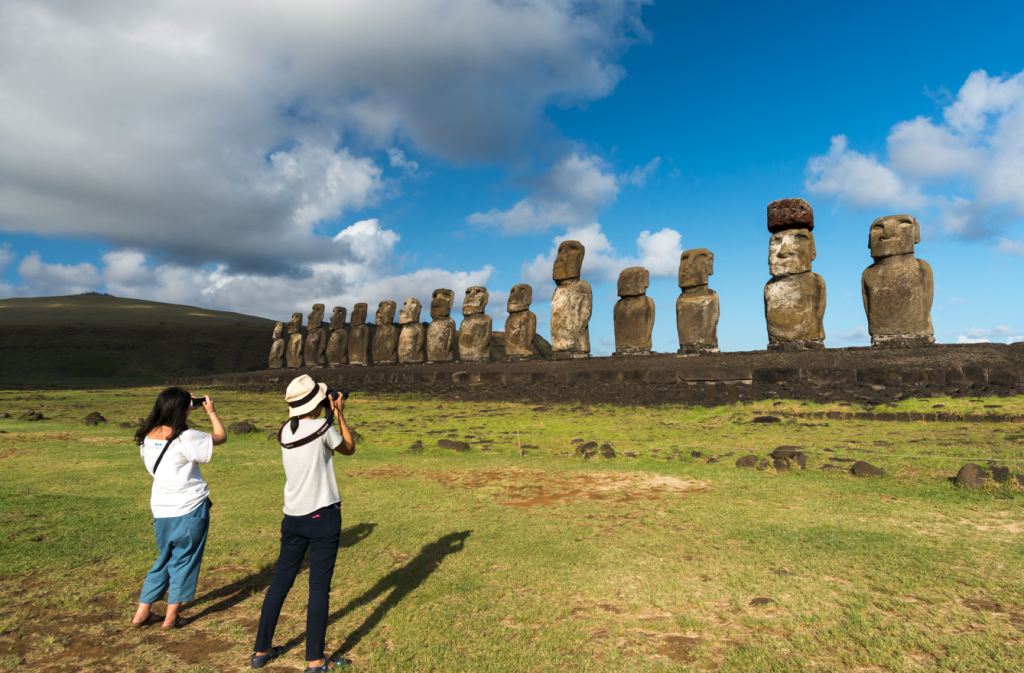


One of the most important concepts in Rapa Nui is Tapu, a Polynesian word deeply tied to the sacred, the forbidden, and collective respect. While many people associate the modern word “taboo” with negative restrictions, its roots come directly from this ancient oceanic concept, which is still a core part of the Rapa Nui and Polynesian cultural identity today.
Traveling to Rapa Nui also means connecting with a culture that is more alive than ever—one where ancient concepts still help us understand the relationship between the people, the land, and the spiritual world.
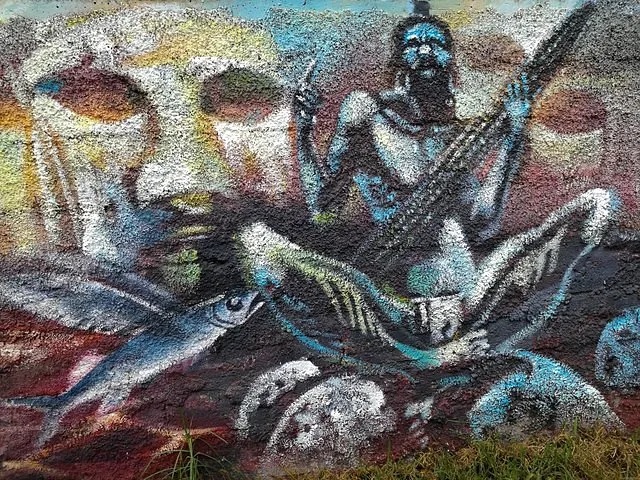
What does Tapu mean in Rapa Nui?
Tapu is an ancestral concept found across most of Polynesia, historically used to set sacred rules within communities. The word defines anything that cannot be altered, touched, or broken because it carries a special spiritual, social, or cultural weight.
In ancient Rapa Nui, Tapu regulated key aspects of daily life:
- Ceremonial spaces
- High-ranking individuals
- Sacred objects
- Rituals
- Natural resources
- Social behavior
More than a simple prohibition, Tapu functioned as a system of community organization built on deep, mutual respect.
The connection between Tapu and Rapa Nui Mana
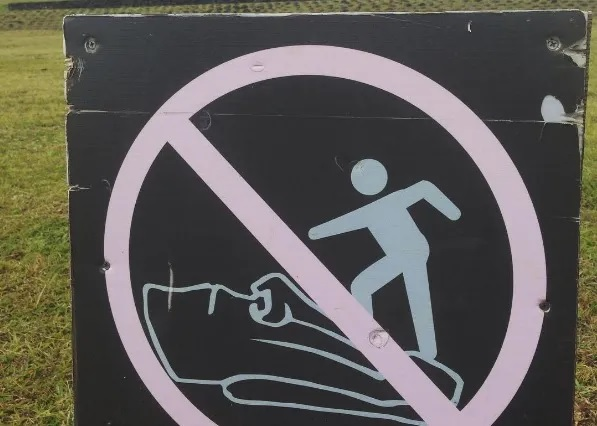
In the Rapa Nui worldview, Tapu was directly linked to Mana—the spiritual energy or supernatural power associated with sacred people, objects, and places.
While Mana represented spiritual power, Tapu established the necessary boundaries to protect it. Because of this:
- Certain sites were considered completely untouchable.
- High-ranking individuals had specific restrictions around them.
- Particular practices could only be done under strict rules.
In ancient times, breaking an important Tapu carried incredibly heavy consequences within the community, including physical or social punishments. In other cases, it was believed that the person who broke the rule would suffer illness, misfortune, or spiritual imbalance as a direct result of disturbing a sacred order.
Tapu in ancient Rapa Nui rituals
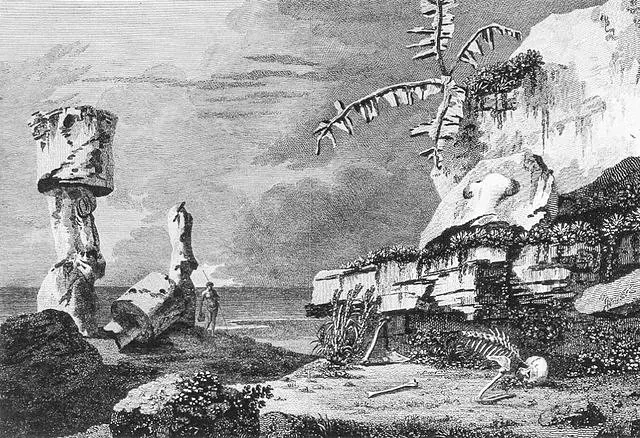
Historical and anthropological records show that different types of Tapu accompanied major milestones in Rapa Nui life. Some examples included:
- Tapu related to childhood and upbringing.
- Restrictions tied directly to the Ariki Mau (the supreme chief).
- Ceremonial protocols for the Tangata Manu (Birdman) competition.
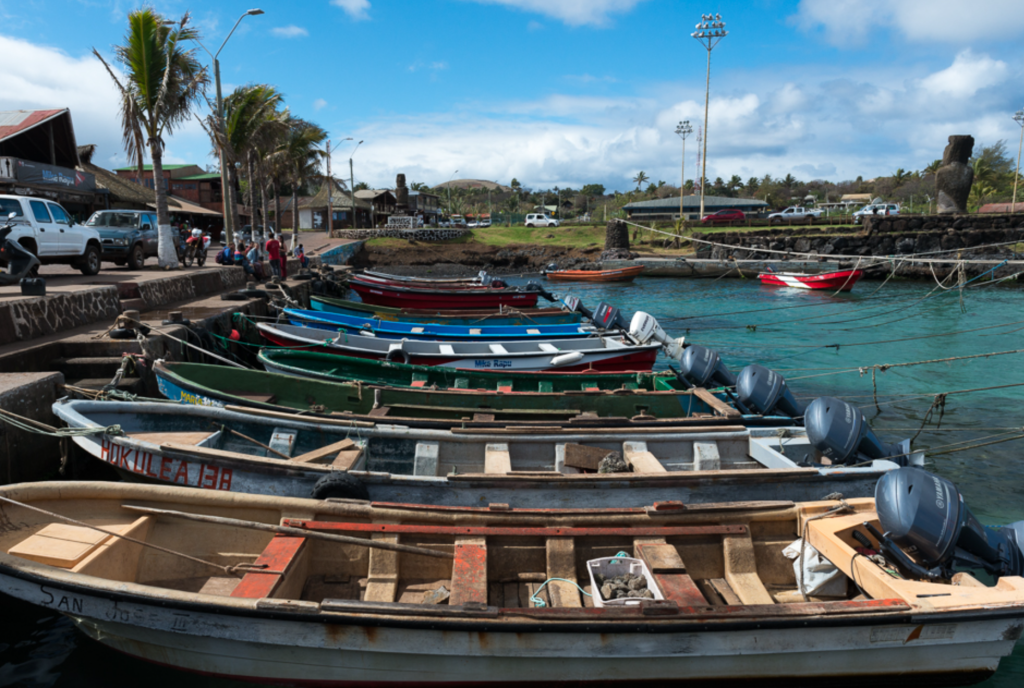
- Seasonal fishing bans.
- Funerary and burial Tapu.
These systems were essential for keeping social and spiritual balance on the island.
Many researchers believe that Tapu also served highly practical purposes, such as protecting limited resources, preventing conflicts, and reinforcing authority on an extremely isolated island.
For instance, historical accounts note that touching a chief, stepping over him, or even accidentally stepping on his shadow was seen as a severe violation of Tapu. The logic was simple: the Mana of an important person had to be shielded from any potential “contamination” or disrespect.
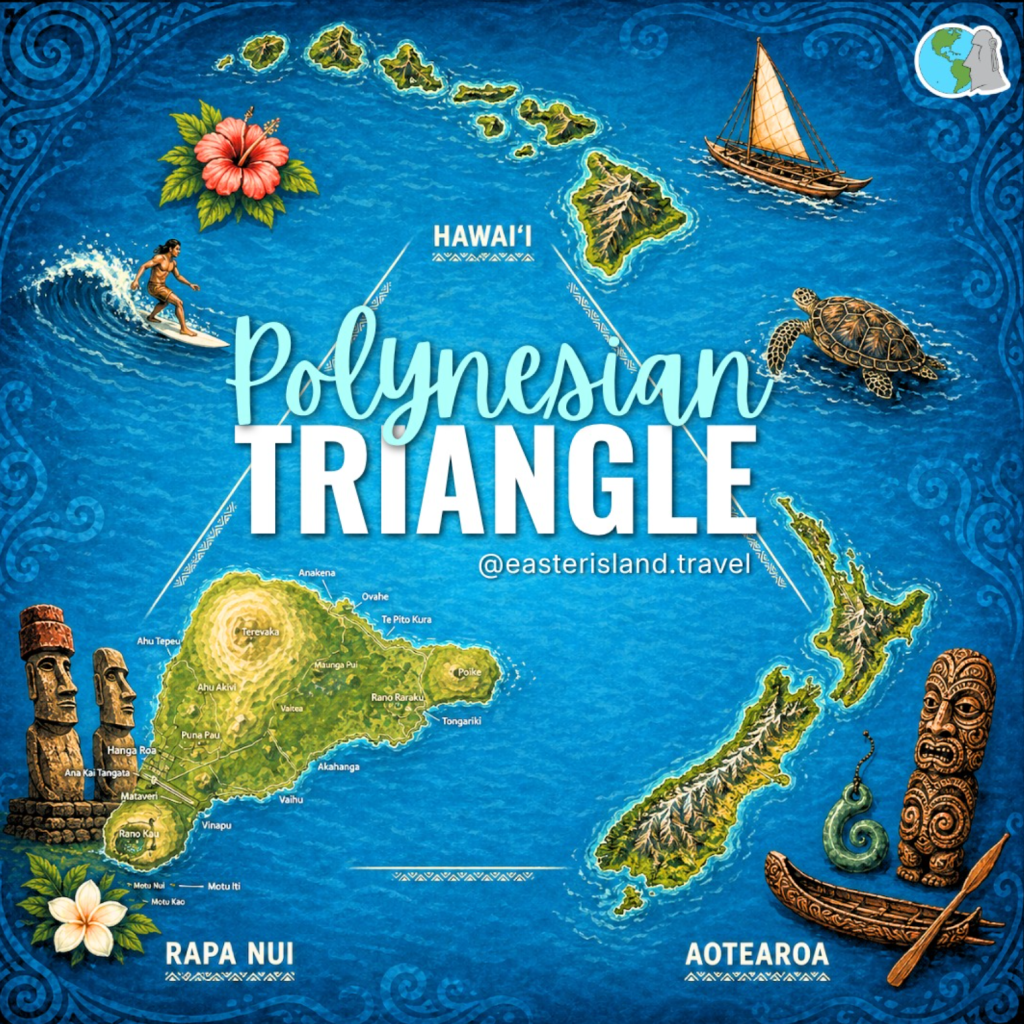
This same belief system existed in Hawaii, Tonga, Tahiti, and New Zealand.
Similarly, certain ocean areas, fishing seasons, or specific foods could be declared temporarily Tapu.
Why? Because it prevented the overexploitation of resources. On an isolated island like Rapa Nui, this was a matter of basic survival. In a way, Tapu worked as a spiritual law—but it was also a brilliant tool for ecological survival.
Places with Tapu in Rapa Nui
Today, the concept of Tapu still holds immense weight across many cultural and archaeological spaces on the island. Ceremonial sites like:
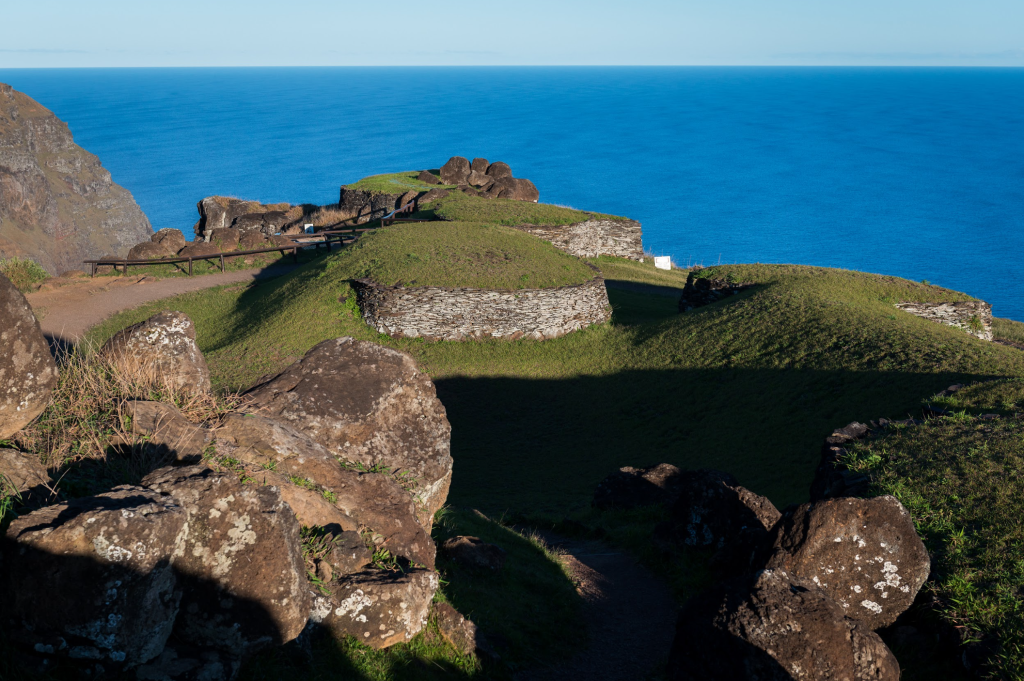
Still carry a profound spiritual value for many Rapa Nui families. They hold a profound spiritual value for many Rapa Nui families.
This is why there are strict rules within the Rapa Nui National Park. The following are prohibited:
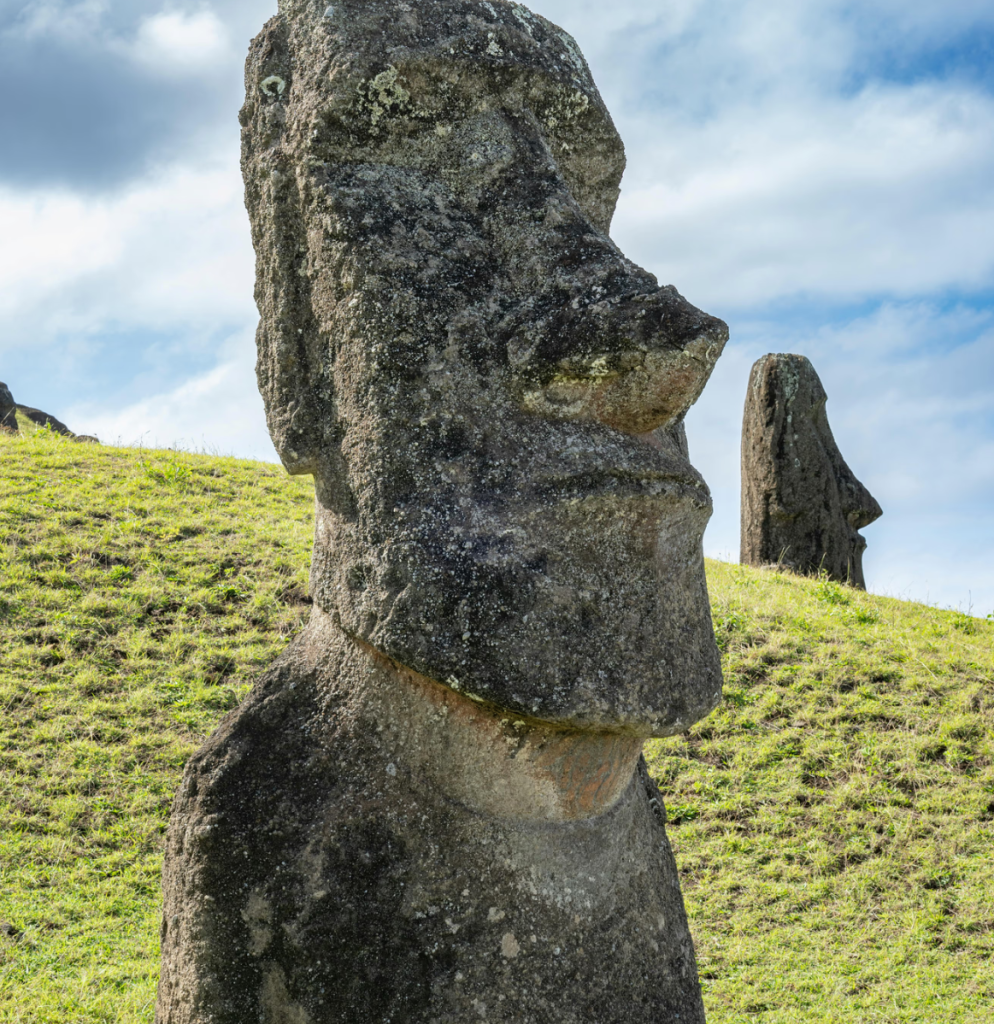
🚫 Touching or climbing the Moai
🚫 Leaving the designated trails
🚫 Making graffiti or scratching the stones
🚫 Lighting fires or camping
🚫 Using drones
🚫 Filming or taking photos for commercial purposes without a permit
🚫 Drinking alcohol or smoking
🚫 Entering areas outside the marked perimeters
🚫 Riding bicycles outside the permitted roads
Beyond the legal regulations, these restrictions also represent a form of cultural respect toward places that have been held sacred for generations.
Tapu in modern Rapa Nui life
Even though the island now blends tourism, technology, and modern living, Tapu hasn’t disappeared. You can still see its influence in:
- The protection of specific family lands.
- The deep respect shown to elders and traditional lineages.
- Community relationships and shared responsibilities.
- The careful preservation of cultural heritage.
- Specific ceremonies and traditional gatherings.
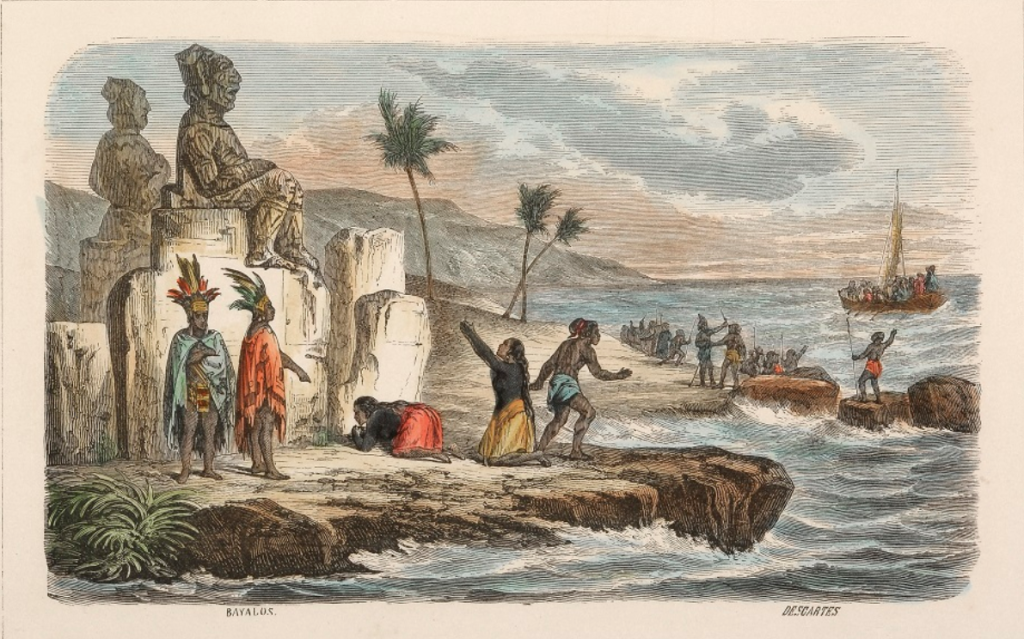
In fact, during the COVID-19 pandemic, the concept of Tapu was beautifully adapted as a philosophy of collective protection to keep the island community safe, particularly the elders. In that challenging context, Tapu was embraced as a measure of self-care and shared responsibility, proving how a centuries-old concept can still guide the present.
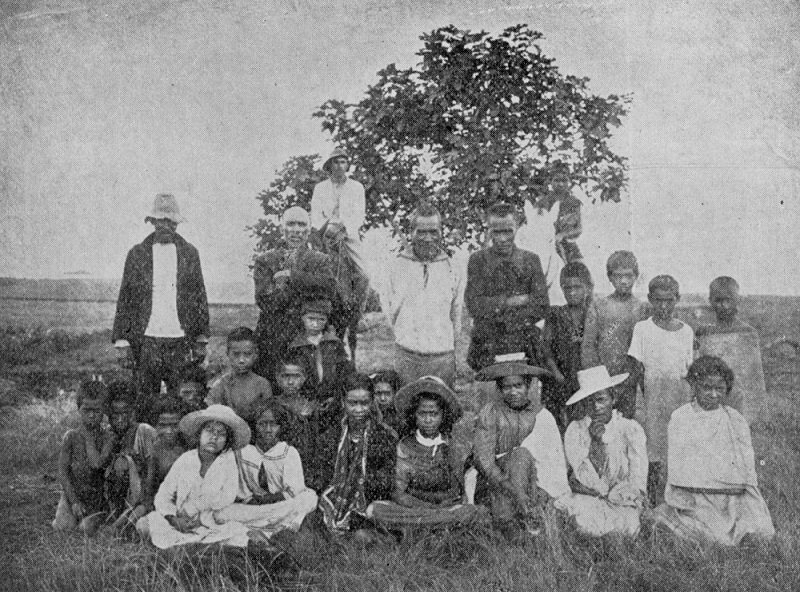
Why is it important to learn about Tapu when you visit Rapa Nui?
Too often, travelers only see the visual side of the island: the stunning Moai, the deep blue ocean, or the volcanic landscapes. However, the true essence of Rapa Nui culture operates on much deeper levels of respect, memory, and spirituality.
Understanding Tapu helps you appreciate why certain places must not be touched, why specific rules exist at ceremonial sites, and why the island’s cultural heritage remains so deeply sensitive for its people. It’s not just about ancient history; it’s about understanding how a Polynesian culture successfully protected its way of life for centuries on one of the most isolated inhabited places on Earth.
Tapu in Rapa Nui is so much more than an ancient ban; it is a way of understanding how humans connect with the land, spirituality, and community. Though time has changed many things, this concept remains woven into how Rapa Nui culture is lived, protected, and respected today.
When you explore Rapa Nui with these meanings in mind, the archaeological sites stop being just beautiful historical backdrops and start to tell a much deeper story.
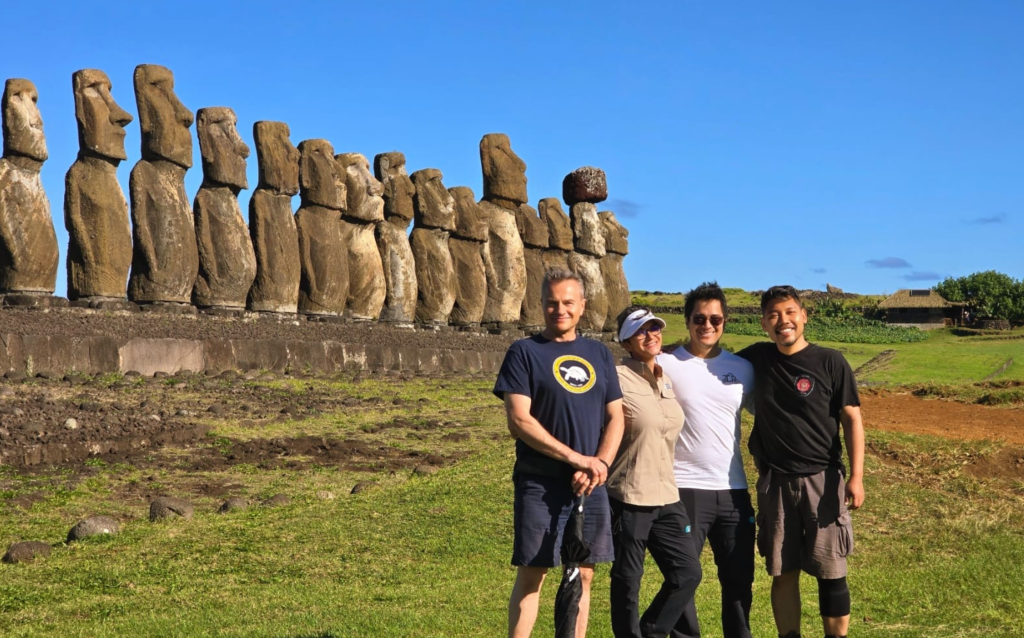
If you want to discover this cultural side of the island alongside local guides, our private tours visit ceremonial and archaeological sites where the spirit of Tapu is still very much alive.
Because truly experiencing this wonderful island means understanding the ideas and beliefs that have shaped its soul for centuries.
Read more: