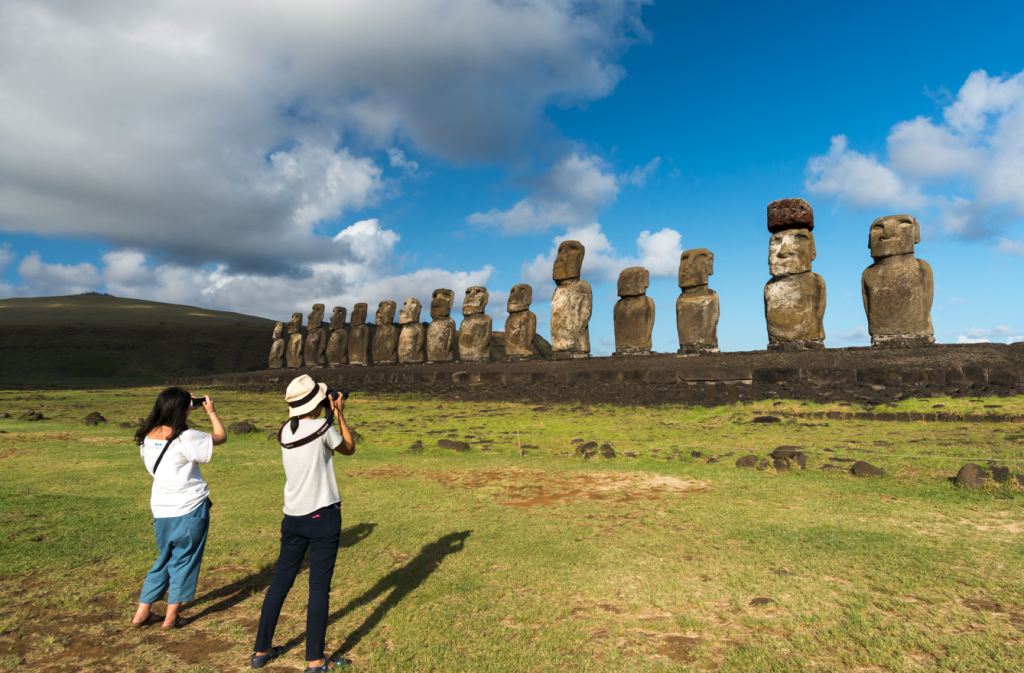
To talk about mana in Rapa Nui is to dive into one of the deepest concepts in all of Polynesian culture. It’s not just “energy” in the modern sense of the word, nor is it just a random legend tied to the Moai. Mana was a part of daily life, social structure, the connection with ancestors, and how the ancient Rapa Nui people understood the balance of the world.
Even today, many people in Rapa Nui feel that certain places hold a special presence. Some connect it to history, others to spirituality, and some simply to that hard-to-explain feeling you get when standing in front of a ceremonial ahu, an ancient quarry, or looking out at the open Pacific Ocean.
What does “mana” mean in Rapa Nui culture?
In Rapa Nui tradition—and across most of Polynesia— mana represents a spiritual force tied to prestige, authority, protection, and sacred power.
It wasn’t something you could see, but it was absolutely something you could feel and see proof of through real actions. A person with mana held influence, commanded respect, and had the ability to bring prosperity to the community. This power could come from family lineage, the gods, ancestors, or even wisdom gained over the years.
You can find this concept in various Polynesian cultures like Samoa, Hawaii, Tahiti, Tonga, Aotearoa (New Zealand), and the Marquesas Islands. While each island developed its own twist on it, the core idea remains the same: mana connects the human world with the sacred.
In Rapa Nui, mana was deeply intertwined with the divine origin of certain family lines and the spiritual bond with ancestors.
Mana and the Moai
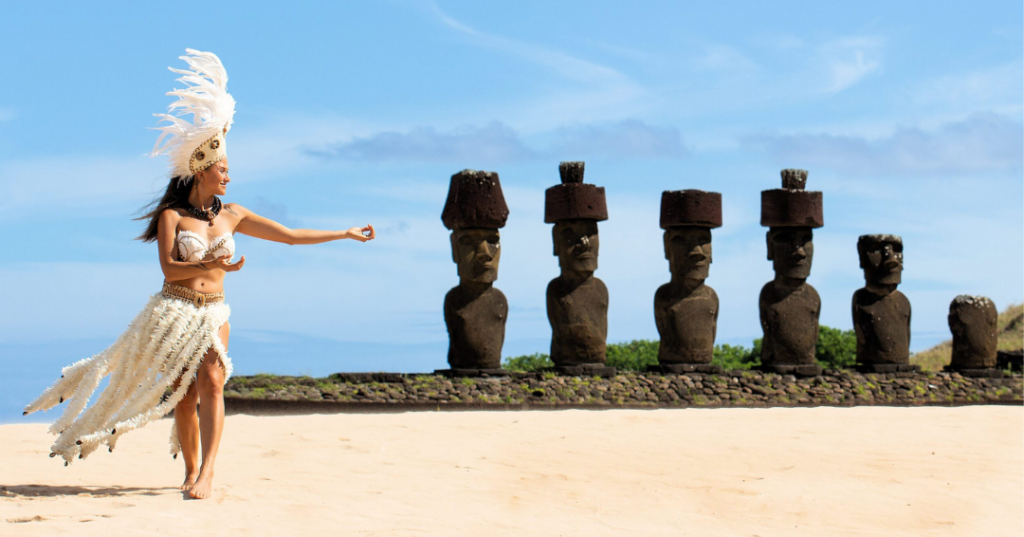
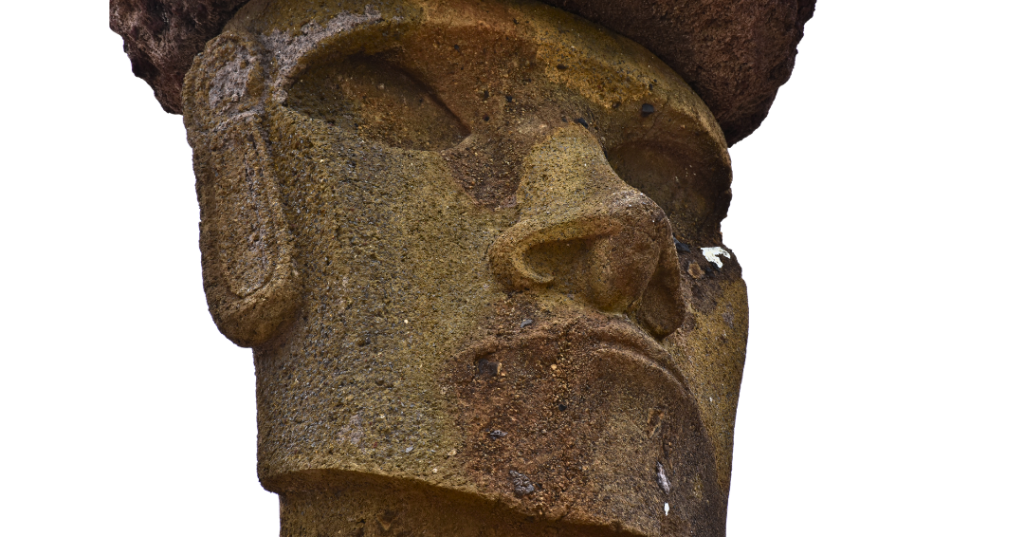
One of the most famous connections to mana in Rapa Nui is found in the Moai.
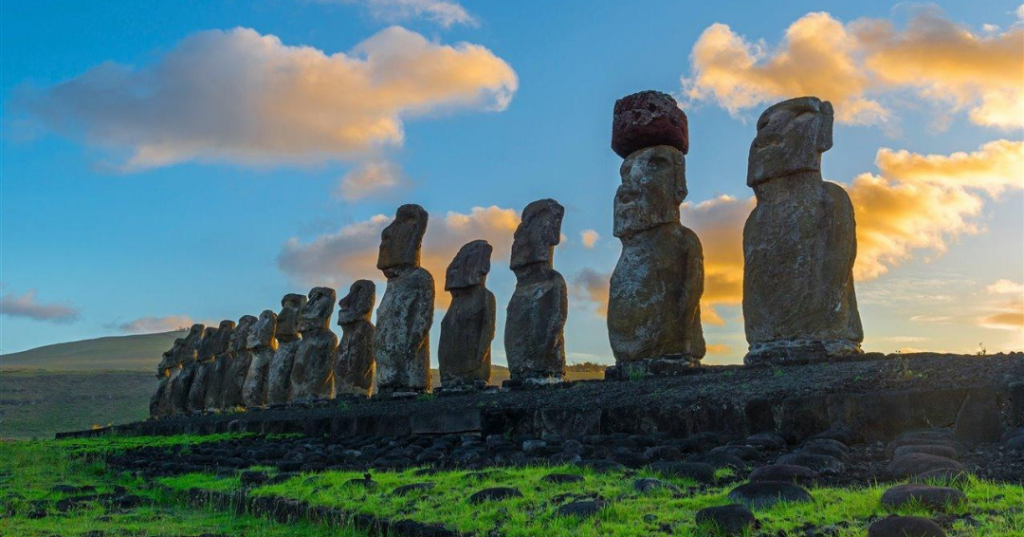
These massive stone sculptures weren’t built just as decorative monuments or displays of engineering. The ancient Rapa Nui believed that the Moai held the mana of the ancestors they represented.
This is exactly why most of these stone giants face inland toward the villages rather than out to sea: their job was to protect the communities and pass down the spiritual strength of the ancestors to their living descendants.
An ancestor’s mana remained powerful even after death. Through the Moai, that presence continued to guide the clan, bringing good harvests, successful fishing, fertility, and overall well-being to the community. This belief helps explain why ceremonial ahu platforms played such a massive role in ancient Rapa Nui society.
The Ariki Mau: The ultimate expression of mana
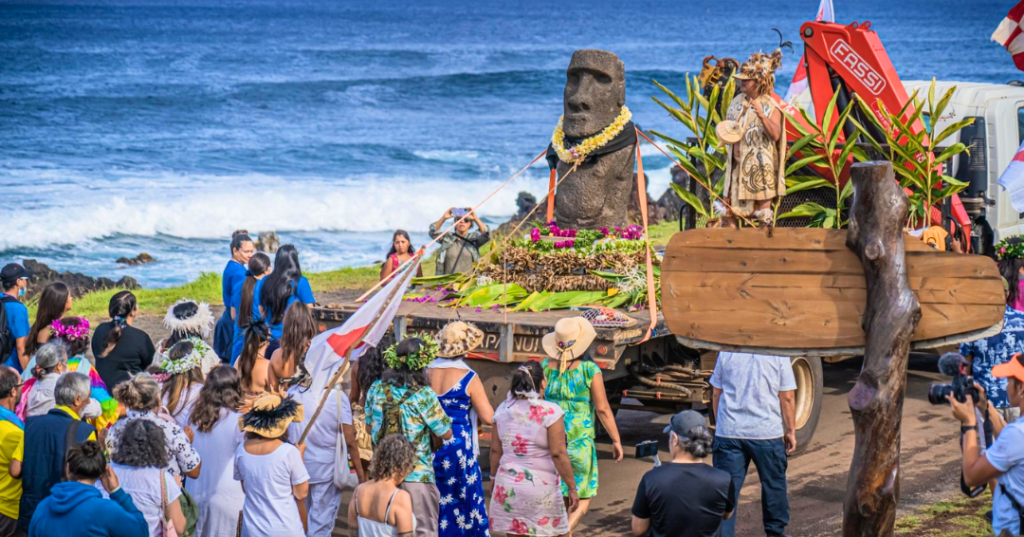
Within the social structure of Rapa Nui, the ariki mau (the supreme chief) was the figure with the highest spiritual and ceremonial weight.
According to oral tradition, he was a direct descendant of Hotu Matu’a—the founding ancestor of Rapa Nui—and therefore inherited a level of mana far superior to anyone else.
His role wasn’t just to rule; he had to maintain the balance between the spiritual and earthly worlds. It was believed that his mana directly influenced the fertility of the land, rainfall, crops, and the abundance of the sea. Respect for the ariki mau was absolute, and many of his belongings were considered tapu (sacred or restricted).
Mana and Tapu: Two inseparable concepts
To truly understand Rapa Nui mana, you also have to understand the concept of tapu.
Tapu worked as a system of sacred rules or taboos. It determined which places, objects, or actions carried spiritual restrictions. Breaking a tapu could bring severe consequences, not just socially, but spiritually.
Mana and tapu worked hand in hand: while mana represented spiritual power, tapu acted as the shield protecting that power. For example, certain ceremonial spaces, ritual objects, or high-ranking people were placed under tapu protection because of the intense amount of mana they concentrated.
This system organized political, religious, and social life in Rapa Nui for centuries.
Could mana be earned, or was it only inherited?
In Rapa Nui, it was a bit of both. While some people inherited mana by belonging to important bloodlines, there was also a type of mana tied to knowledge, skill, and experience.
Master carvers capable of sculpting the Moai, expert navigators, priests, fishermen, and the scholars of rongo-rongo (the ancient script) could achieve spiritual prestige thanks to their mastery. In other words, mana could also be built. This explains why certain specialists rose to positions of deep respect within the community, even if they weren’t born into aristocracy.
Objects and places believed to carry mana
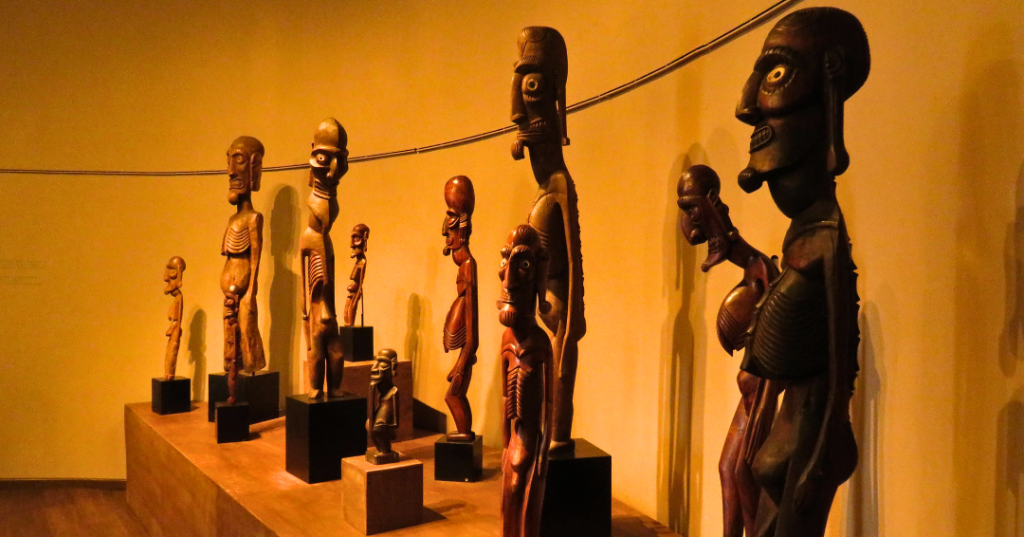
In Rapa Nui tradition, mana wasn’t limited to people. It could also concentrate in ceremonial objects, ancestral remains, or specific natural landmarks.
Some well-known examples include:
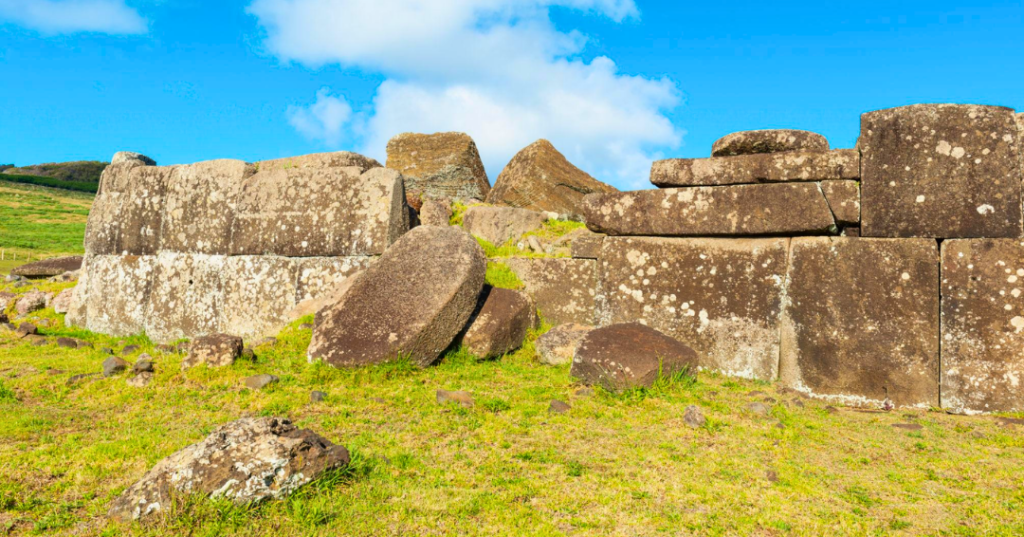
- Ceremonial ahu platforms.
- Ancient wooden artifacts used in rituals.
- Specific stones tied to ancestral legends.
- Ritual tools and symbols of authority.
- The skeletal remains of high-ranking individuals.
- Ceremonial areas linked to the tangata manu (Birdman) cult.
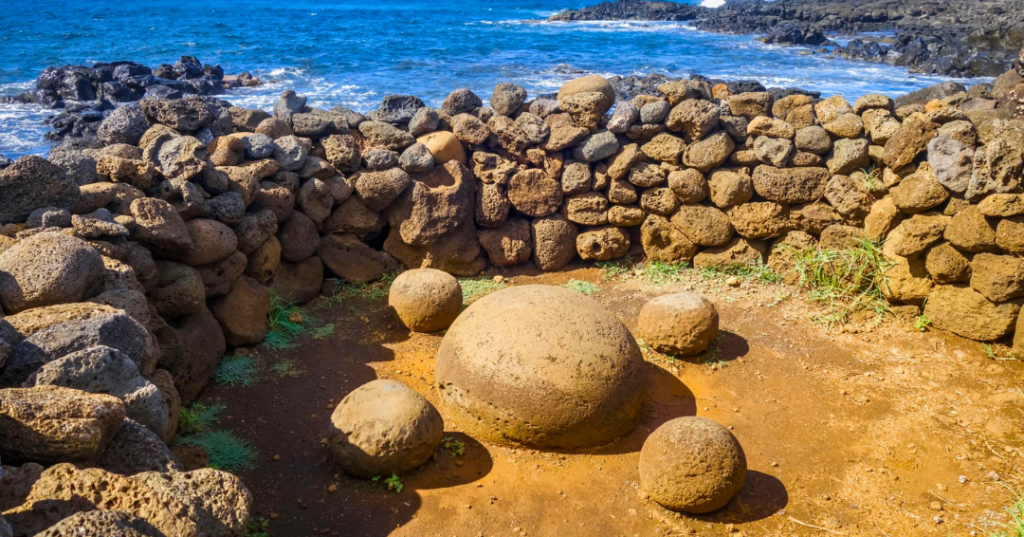
One of the most famous spots tied to this is Te Pito Kura, celebrated for its smooth, rounded stone and the local stories about its unique spiritual energy.
Mana across other Polynesian cultures
Even though Rapa Nui developed its own unique identity, the concept of mana echoes across the Polynesian Triangle. Seeing this idea in territories separated by thousands of miles highlights the shared roots of these island nations:
- Hawai’i: In Hawaiian culture, mana was closely tied to the spiritual authority of the aliʻi (the traditional nobility). It was also linked to volcanoes, the ocean, and places considered sacred.
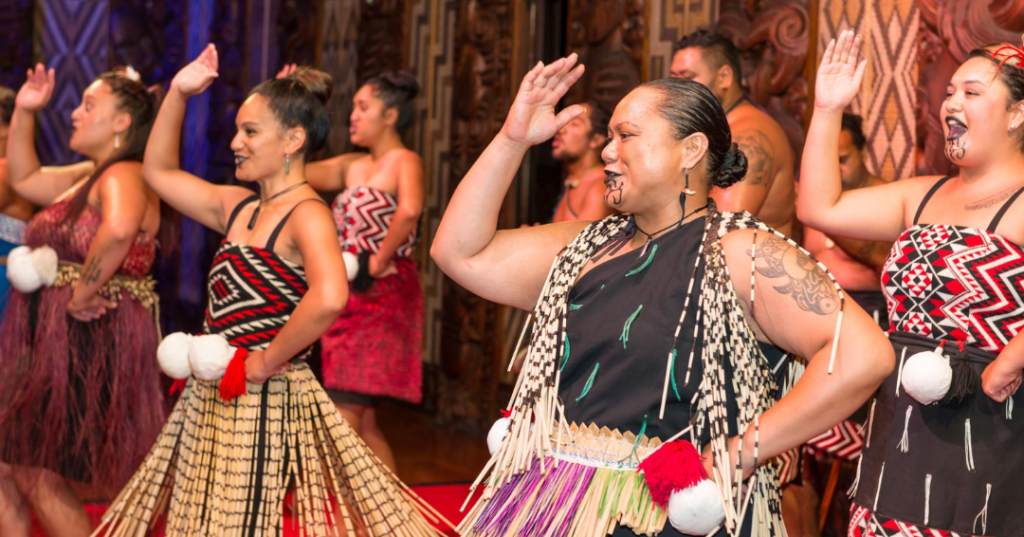
- New Zealand (Aotearoa): In Māori culture, mana remains a living, vital concept today. It relates to honor, influence, family prestige, and ancestral connection.
- Samoa and Tonga: In these cultures, mana was directly connected to leadership, genealogy, and the spiritual protection of the community.
Does mana still matter in Rapa Nui today?
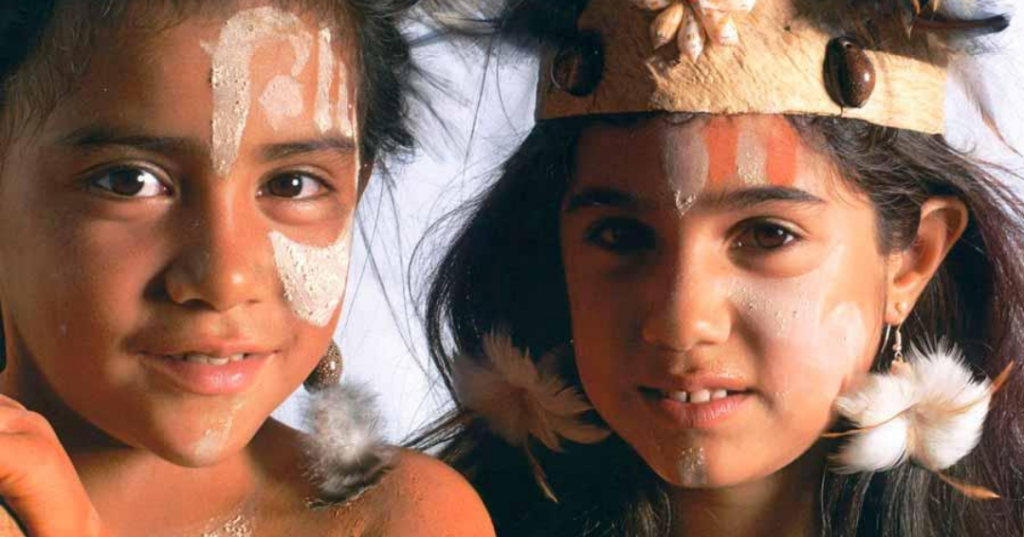
Yes, though it plays out a bit differently than it did in ancient times. Today, many people in Rapa Nui use the term to talk about ancestral respect, spiritual connection, and cultural memory. It pops up constantly in conversations about protecting heritage sites and preserving the Rapa Nui identity.
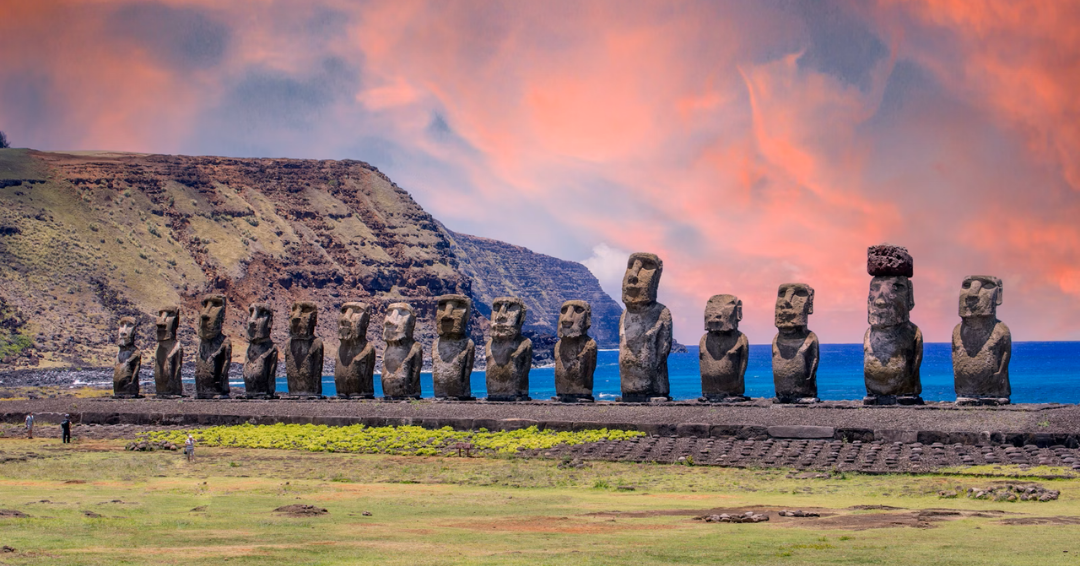
For travelers visiting the island, mana often shifts from a concept you read about to an emotional experience you feel. Many describe feeling it while watching the sunrise at Ahu Tongariki, walking among the unfinished giants at Rano Raraku, or standing in quiet reflection before an ancient ahu.
Beyond personal interpretations, mana remains a key piece of the puzzle to understanding how the people of Rapa Nui connected with power, nature, their ancestors, and life as a community.
Often, visitors see the Moai as the single centerpiece of local culture. But behind every sculpture, every ceremonial platform, and every oral history lies a much more complex worldview. Mana is a part of that invisible framework—the thread that explains why the ancestors mattered so much, why certain spaces were sacred, and why spirituality was a beautiful, everyday part of life on the island.
Our experience as native inhabitants and guardians of this culture allows us to offer you a deep, authentic perspective that you won’t find in standard travel guides. Here, you will discover the island just as a true islander would share it with you.
At Easter Island Travel, we don’t just guide tours; we open the doors to our home, our stories, and our way of life.
Want to know more?
Over at Beyond the Moai—our inspired blog for travelers to Rapa Nui—you will find interesting articles to help you prepare for your journey. Each piece is written by local guides and experts who understand this island from the inside out.