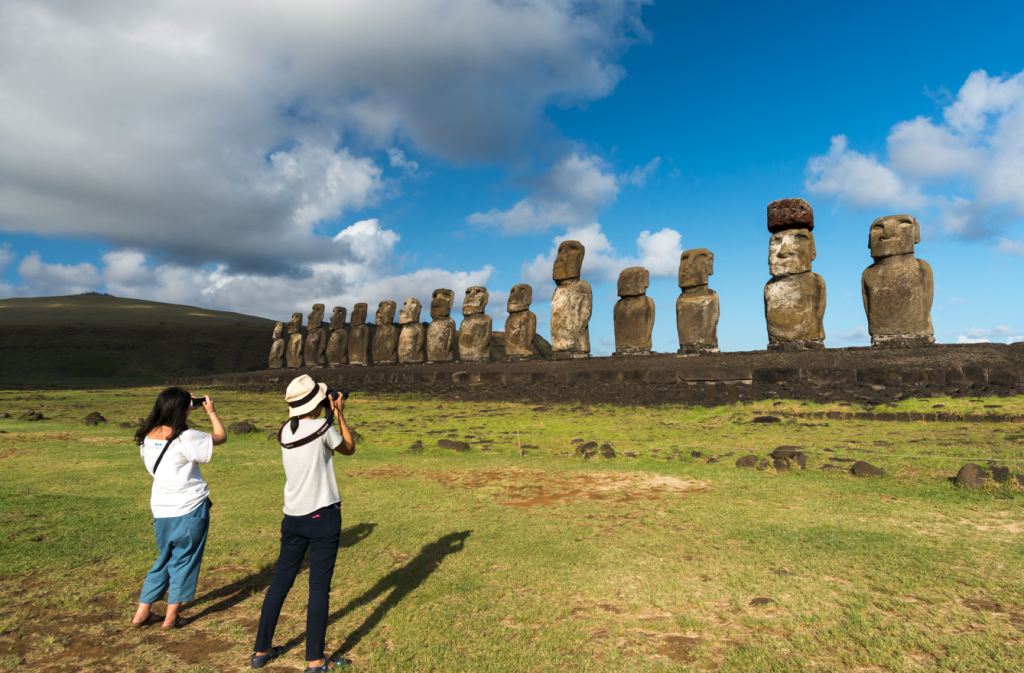

Diving in Rapa Nui takes place in some of the clearest waters on the planet. With no rivers, no sediment, and almost zero pollution, visibility easily exceeds 40 meters (130 ft) and can reach up to 60 meters (200 ft) on calm days.
It is not just about clarity. Beneath the surface lies an isolated ecosystem separated from the rest of the world by thousands of miles of open ocean, boasting one of the highest proportions of endemic species anywhere on Earth.
This guide builds on the information from our main diving and snorkeling page. Here, we take a deeper dive into the marine life, the top dive sites, and how to get ready before you book your trip.
Why Diving in Rapa Nui is Different
Rapa Nui is the visible peak of a submarine mountain chain stretching over 2,300 kilometers (1,430 miles) across the South Pacific. Together with Sala y Gómez, it is one of only two islands in that chain that emerge above the water.
This geographical isolation shaped the evolution of the local species. The fish were cut off from their continental relatives by thousands of miles of open sea, with no currents frequently bringing in new larvae.
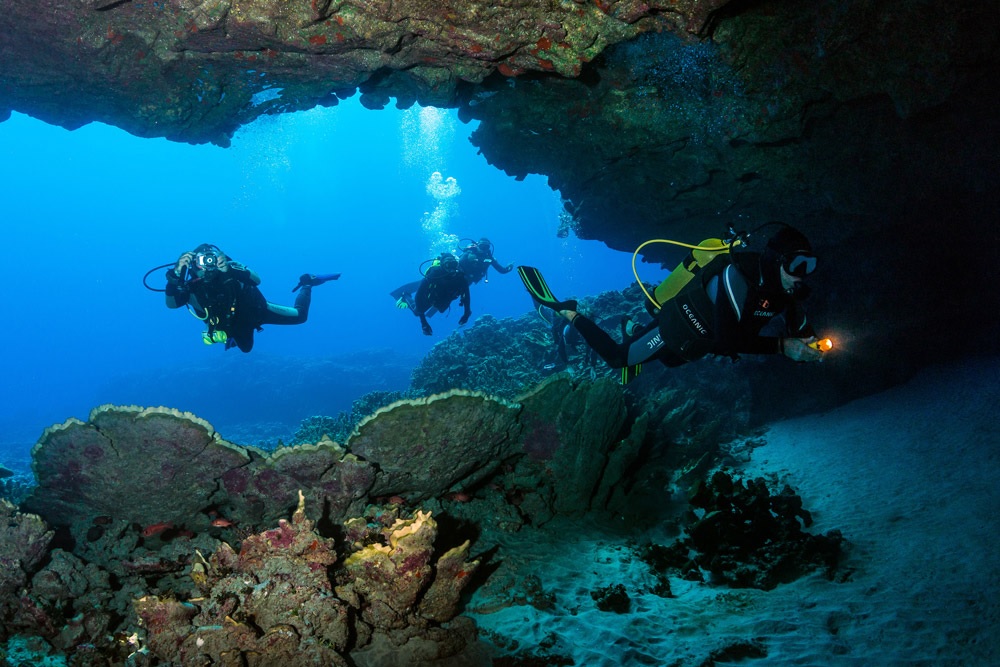
The result? A volcanic seafloor featuring lava caves, arches, cliffs, and coral reefs where you can find species that exist nowhere else in the world. Diving in Rapa Nui does not compete with Australia or the Caribbean in terms of coral variety. Instead, it offers something completely different: high endemism, incredible visibility, and dramatic volcanic landscapes.
If you have ever dived in Fiji, Hawaii, or French Polynesia, you will instantly recognize the style: volcanic topography, dense schools of fish, and unique marine life you will not see anywhere else. Diving in Rapa Nui shares that classic Polynesian character, but with an even greater level of isolation.
Marine Life: Endemism and Biodiversity
Rapa Nui’s marine fauna includes over 150 fish species spread across 65 families. Depending on the scientific study, between 25% and 77% of these fish are endemic. While the exact percentage varies depending on the research group and taxonomic category analyzed, they all point to one clear conclusion: it is one of the highest levels of endemism ever recorded on an oceanic island.
Scientists studying the DNA of these species point to the Pleistocene epoch as a key period. Sea-level fluctuations during that era shaped the available habitats and influenced how fish dispersed among the area’s seamounts.
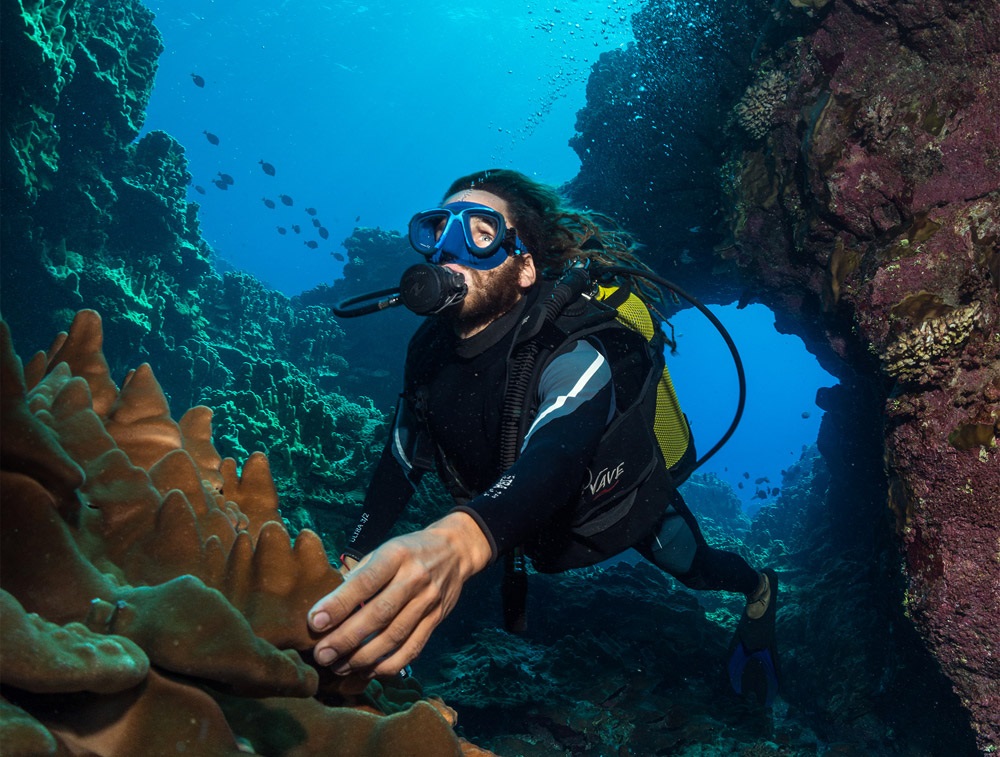
Corals cover a large portion of the seafloor, though with a limited variety of species. Winter water temperatures and strong Pacific swells prevent large coral reefs from forming. However, volcanic formations—such as caves, lava shelves, and coral-encrusted walls—are everywhere, acting as safe havens for local marine life. This combination of natural shelter and deep isolation is what makes scuba diving in Rapa Nui completely unique compared to any other destination in the South Pacific.
9 Species You Can Spot While Diving in Rapa Nui
This selection complements the photo gallery found on our tours page, complete with local names, scientific names, and a bit of context for each species.
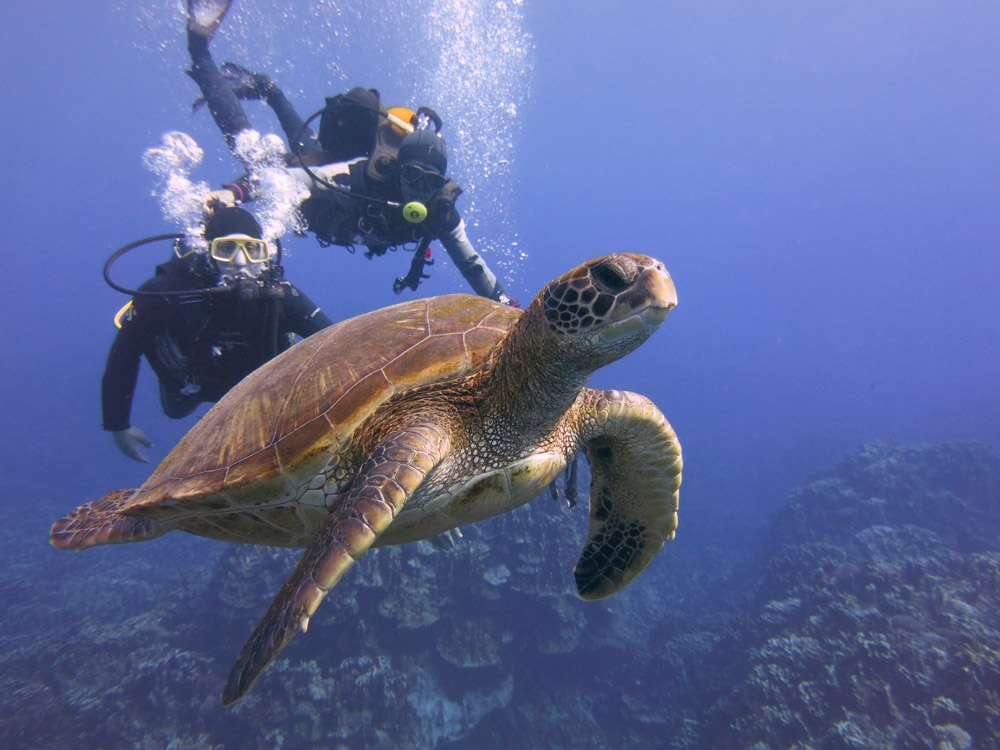
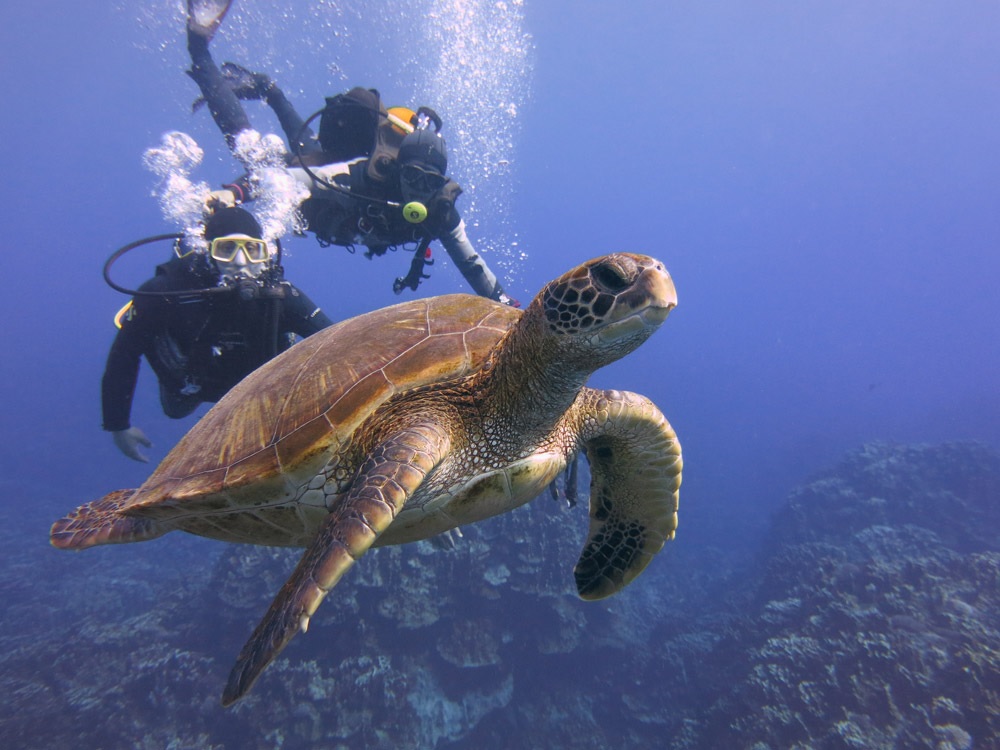
Honu — Green Sea Turtle
The green sea turtle occasionally visits the shores of Rapa Nui. It is classified as endangered by the IUCN, making an underwater encounter during your dive a rare and unforgettable experience.
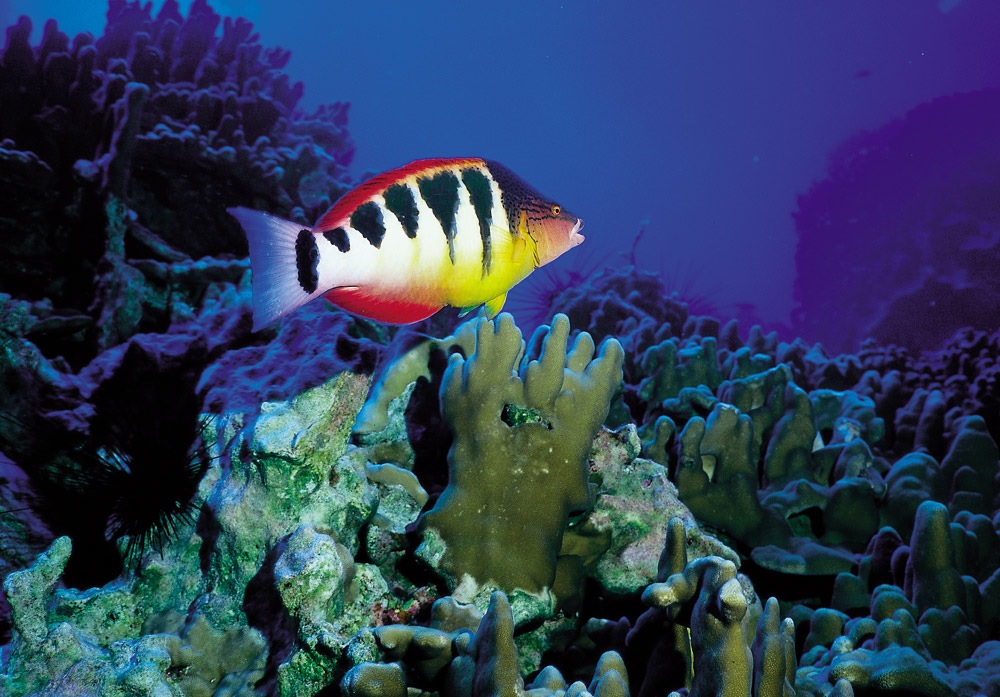
Kotea Hiva
Pseudolabrus semifasciatus
One of the most colorful and frequent fish you will see on your dives. It moves around rocky coastal formations, almost always swimming solo.
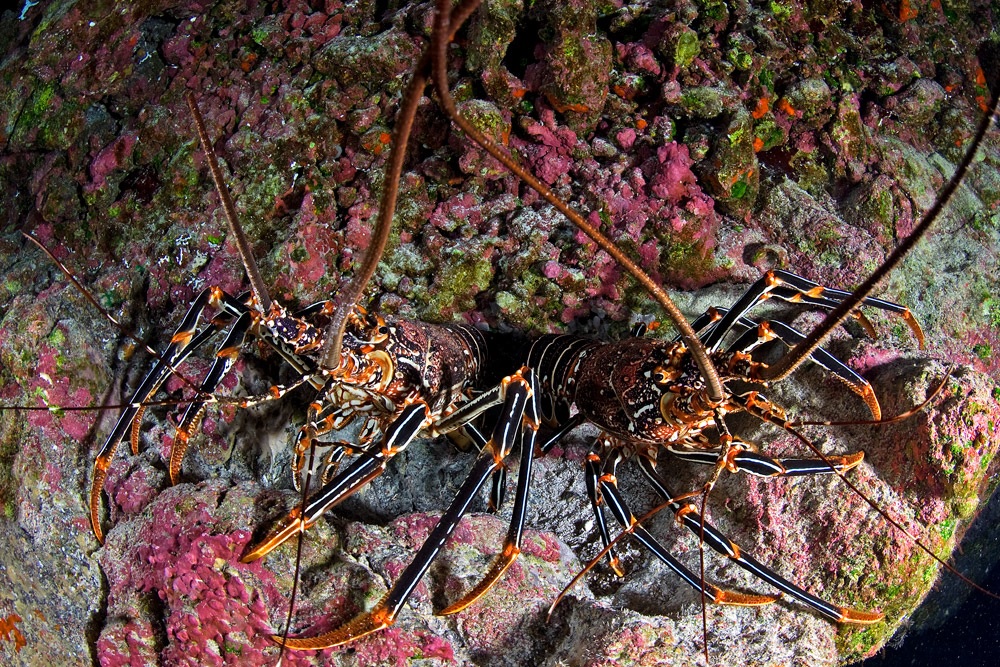
Ura — Spiny Lobster
Panulirus pascuensis
A species unique to Rapa Nui, with no recorded presence on other Pacific islands. It hides deep inside rocky crevices during the day and comes out to feed at night.
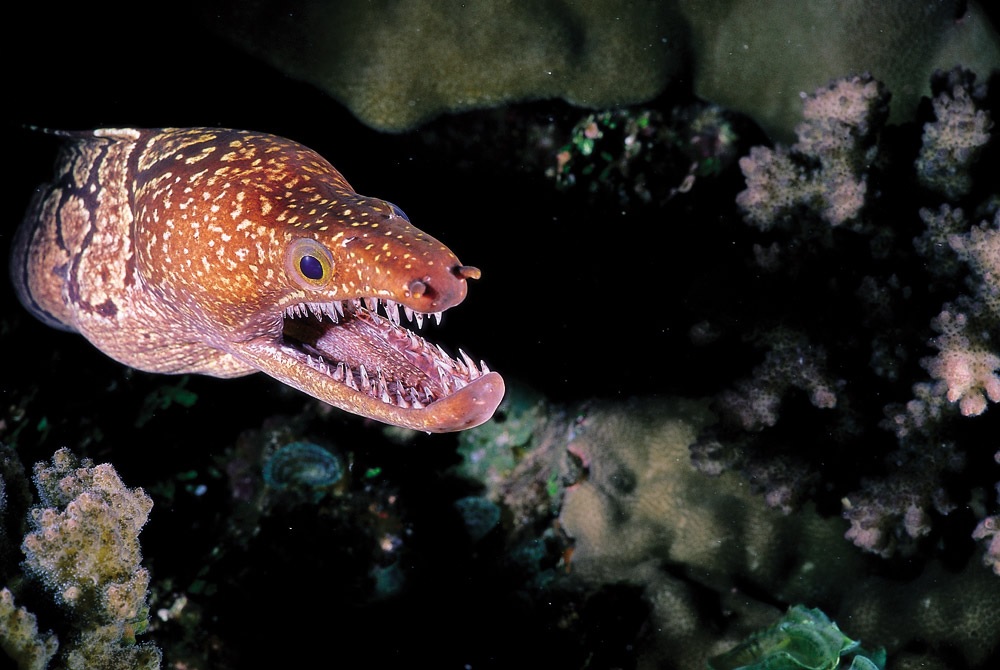
Koreha — Moray Eel
Featuring sharp teeth and an intimidating look, this eel is actually quite shy. It usually stays tucked safely inside its rocky home while divers swim past, unless it feels cornered.
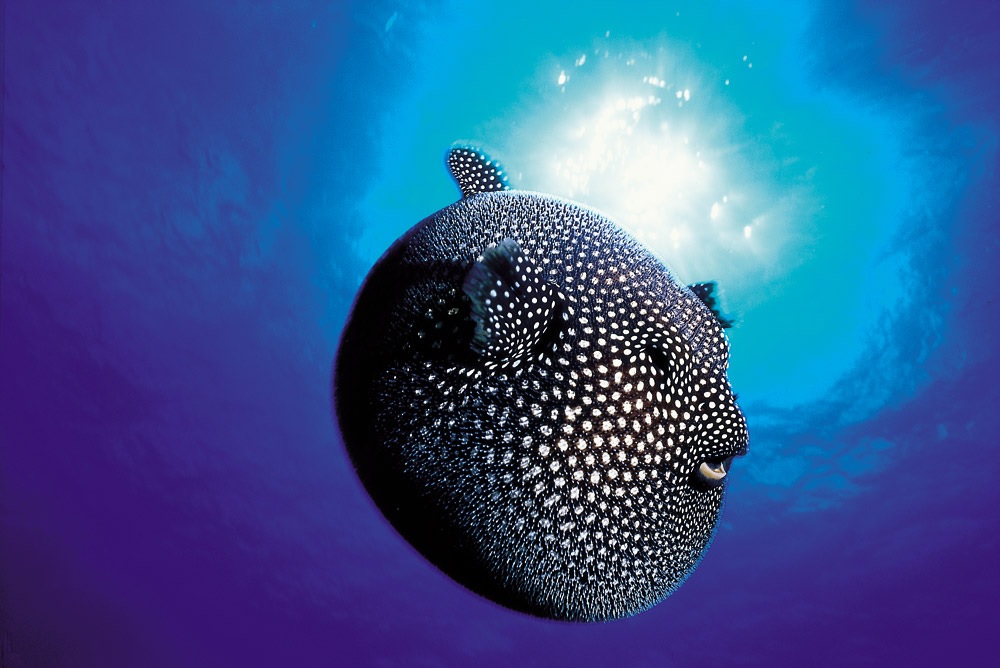
Titeve Kapovai — Pufferfish
Arothron meleagris
One of the most charming residents of the local seafloor. Its distinct white-spotted pattern over a dark skin makes it easy to spot, even for brand-new divers.
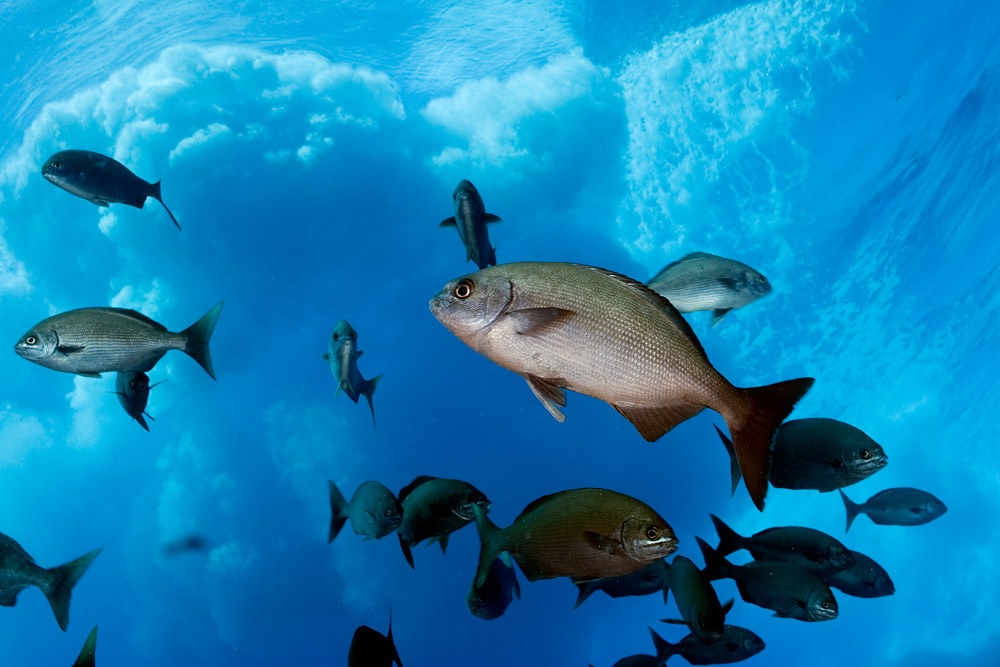
Nanue
The most common fish around the island. They travel in large schools, sometimes right underneath the crashing waves, creating some of the most dynamic photo opportunities while diving in Rapa Nui.
Kototi Para — Angelfish
Centropyge hotumatua
One of the smallest fish in Rapa Nui waters. You can find them darting between shallow cracks and caves, almost always close to the shore.
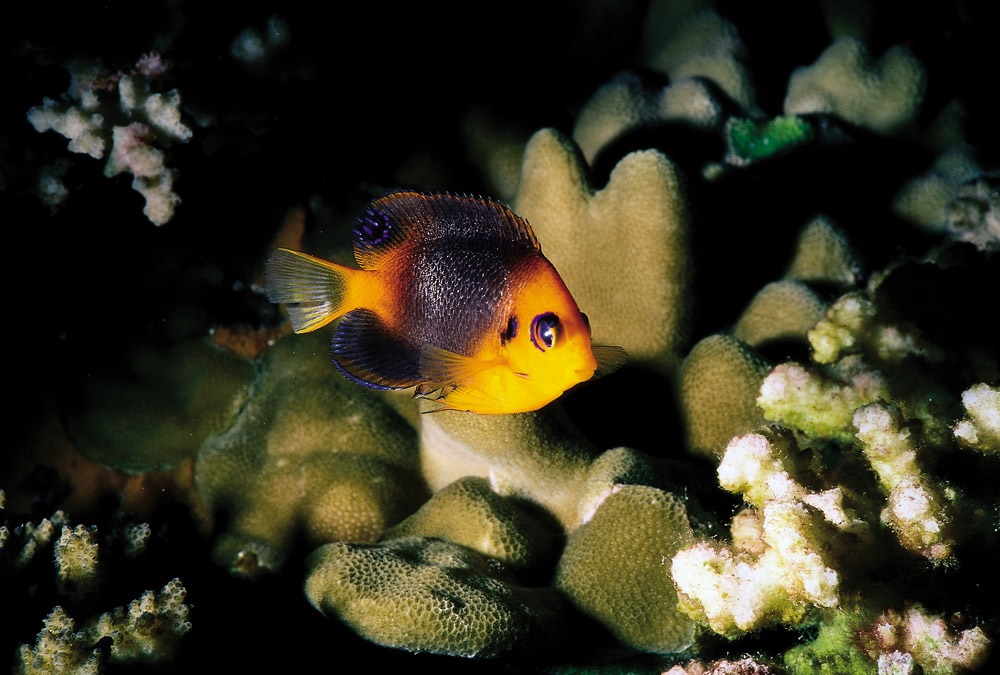
Chrysiptera rapanui — Endemic Damselfish
Chrysiptera rapanui
A species described specifically for Rapa Nui, with zero records outside the island. Recent genetic studies use it — alongside other damselfish like Chromis randalli — as a reference to understand the evolutionary origins of local marine life.
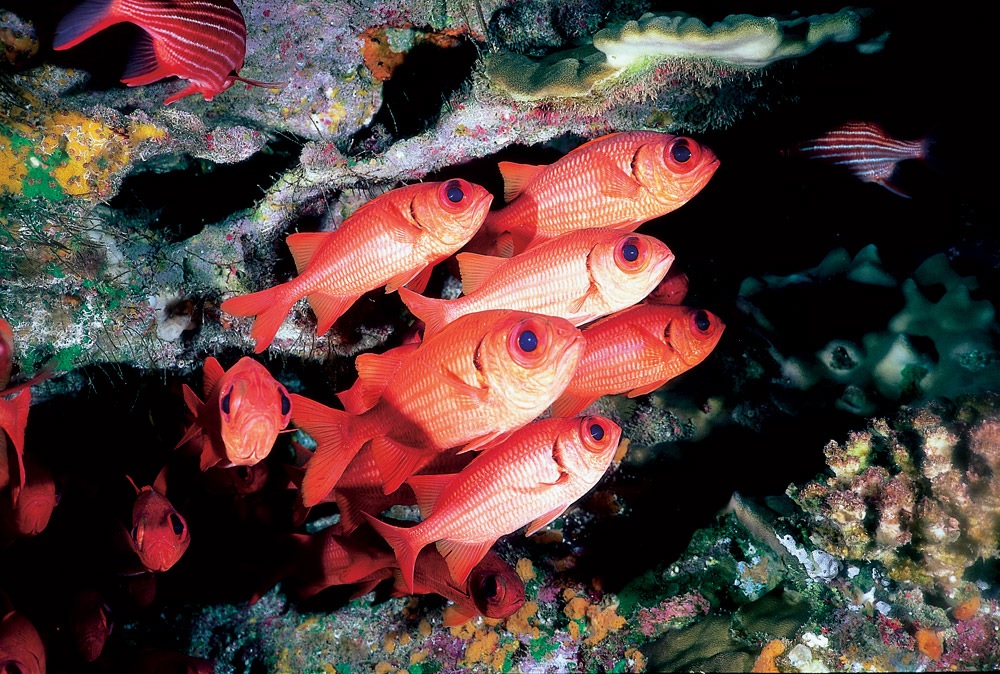
Marau
Myripristis tiki
A reddish-toned fish that tends to form schools inside caves and under rocky ledges where the light is dimmer.
Top Dive Sites
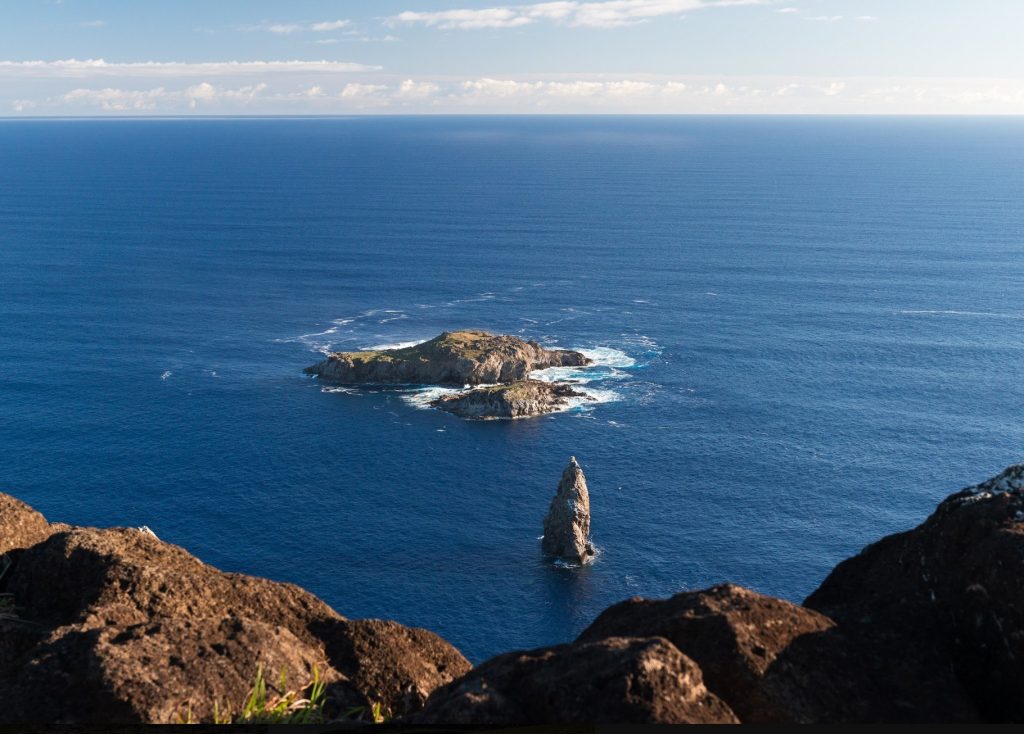
Motu Nui
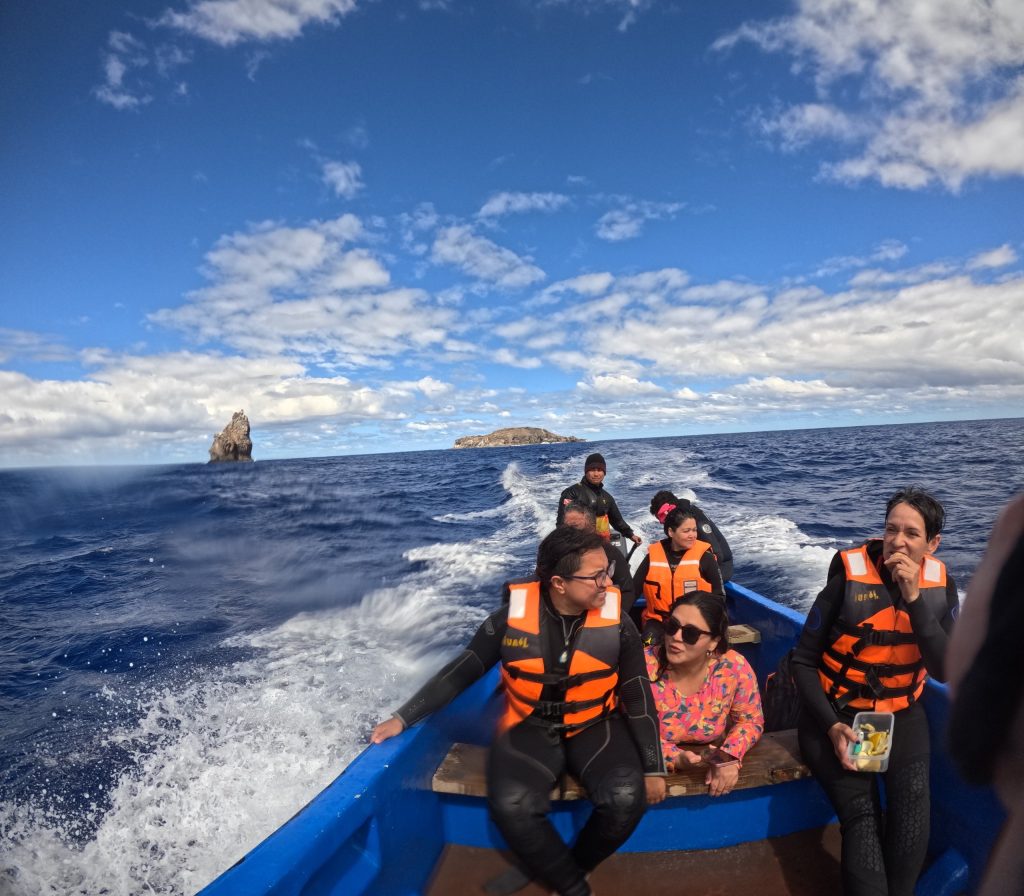
An uninhabited islet right in front of the Rano Kau volcano, famous for its history tied to the Birdman competition. With no permanent human presence, marine life here is significantly more abundant than along the main coast. Requires a PADI certification.
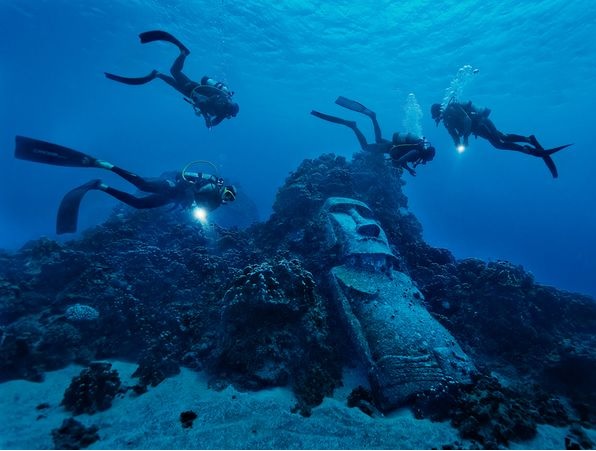
The Submerged Moai Statue
Located at a depth of 20 meters (65 ft) in Hanga Roa Bay. This is not an ancient archaeological artifact: local Rapa Nui diver Mike Rapu sank it as a tribute to his grandfather, after filling a replica with concrete that had originally been made for a television production in the 1990s. It is one of the most photographed spots in Rapa Nui. Requires a PADI certification.
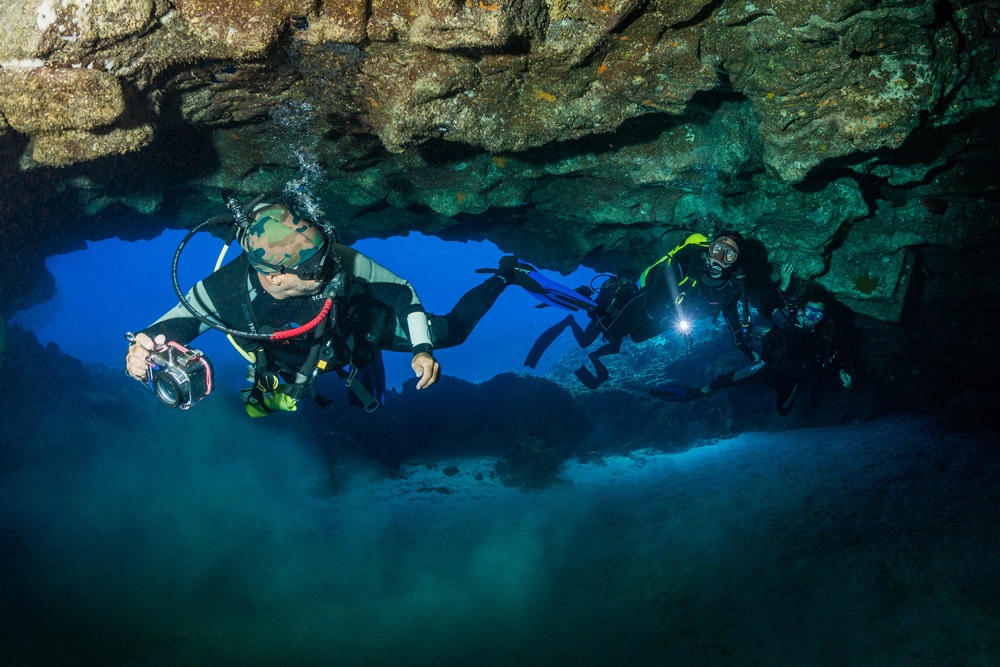
Caves and Lava Formations
The island’s volcanic origins created underwater tunnels and caves that you can explore with a flashlight, much like the land caves found across Rapa Nui. Submerged arches, sheer walls, and lava platforms complete this otherworldly underwater landscape.
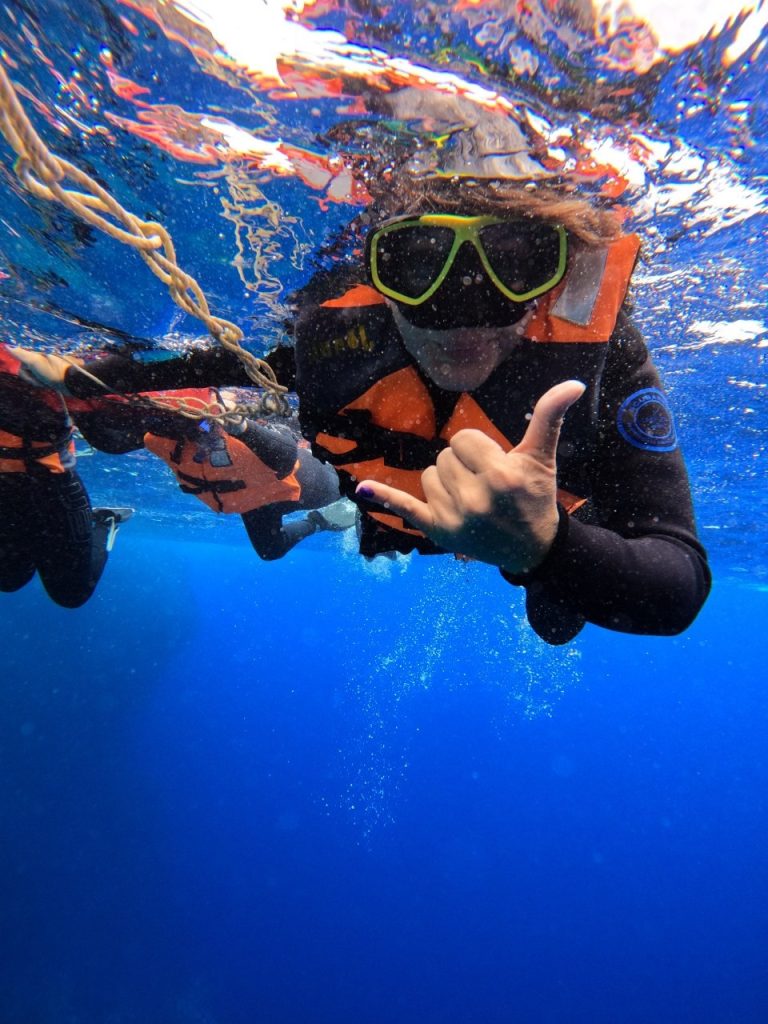
Snorkeling: The Non-Certification Alternative
You do not need a PADI license to try introductory diving in Rapa Nui, and you certainly do not need one for snorkeling. Hanga Roa Bay offers calm areas where excellent visibility and shallow marine life give you a fantastic preview of what lies beneath the surface.
This is a great option if you are traveling with kids, pressed for time, or simply want to test the waters before getting certified. Local dive centers frequently offer snorkeling excursions right alongside certified dives, allowing you and your group to mix and match snorkeling and diving during the same trip.
Conservation: The Rapa Nui Marine Park
Since 2018, Rapa Nui has been home to a Multiple-Use Marine and Coastal Protected Area. Combined with the Motu Motiro Hiva Marine Park, it spans an incredible 72 million hectares, making it the largest marine protected area in Latin America.
This protection aims to safeguard over 140 endemic species and serves as a vital breeding ground for tuna, sharks, swordfish, and marlin. Recent scientific expeditions have recorded healthy coral populations, though researchers have noted signs of overfishing in fish biomass and fluctuating shark populations. Because of this, ongoing conservation remains a top priority.
Diving inside a protected area doesn’t change your basic underwater routine, but it does change your mindset: do not touch the coral, never feed the marine life, keep a respectful distance from nests, and give endangered species like the green sea turtle plenty of space.
How to Prepare for Your Dive in Rapa Nui
- Certification: If you have a PADI license, you can access advanced sites like Motu Nui and the submerged moai. If you do not, you can still enjoy introductory diving experiences.
- Wetsuits: Even though the water is comfortably warm year-round, wearing a full wetsuit is standard practice.
- Reservations: During high season, it is best to book well in advance and disclose any medical limitations prior to your dive.
- Flexibility: Sudden Pacific swells can temporarily close off outer dive sites for a day or two. Build a little extra breathing room into your itinerary before your flight.
- Park Entry: The Rapa Nui National Park ticket must be purchased separately at
rapanuinationalpark.comand is not included in dive tour packages.
With all of that sorted out, all that is left to do is choose your dive shop and lock in your dates. If you are ready to book your dive outing, check out the updated operators and conditions on our main diving and snorkeling page!
Frequently Asked Questions
Do I need a PADI license to dive in Rapa Nui?
Not for introductory shallow-water dives close to the coast. However, advanced sites like Motu Nui or the submerged moai statue require certification.
When is the best time of year to dive in Rapa Nui?
You can dive year-round! Water temperatures stay consistent, and there is almost always a sheltered spot along the coast with calm water, even if swells temporarily close specific sites.
How long does a dive last?
Each session, including preparation and gearing up, takes about 2 hours. Your actual time underwater usually runs around 20 to 30 minutes.
Are there sharks?
They do show up on occasion, but there has never been a recorded attack on divers or swimmers around the island.
Is snorkeling a good alternative to diving?
Yes, especially in Hanga Roa Bay. It requires no certification and lets you see plenty of rich marine life swimming close to the surface.